Average unit volume (AUV) speaks to a chain’s operational efficiency and overall success, indicating the average annual sales that a brand earns per restaurant—a reflection of how consumers feel about the brand itself. These are the top five highest-grossing fast-food chains in the U.S. by AUV.
Food tech startups are developing new techniques to transform microalgae into “ghost protein,” a powerful alternative protein source with an undetectable, completely neutral flavor.
Innovation is the driving force that shapes the landscape of the food and beverage industry, and as the Innovation Advisor at The Food Institute, I’m committed to exploring the latest advancements in this dynamic field. …
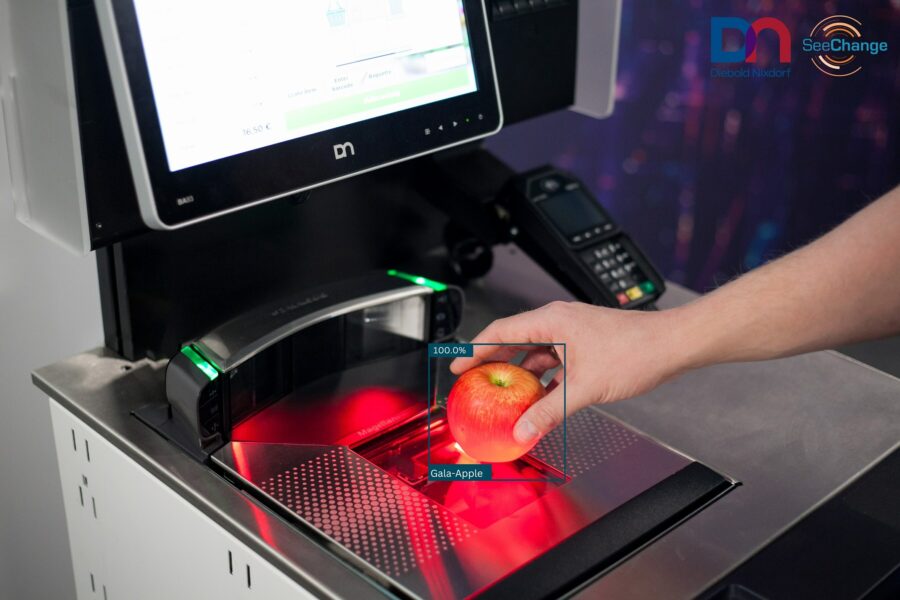
When Apple unveiled its Vision Pro headset in June, tech experts reacted with hyperbole. Optimists claimed the mixed reality device is likely to replace smartphones someday. Cynics, on the other hand, scoffed at the product’s …
CHICAGO – Product developers and food scientists from over 70 countries learned about the latest in food ingredients and technologies recently at the IFT FIRST 2023: Annual Event and Conference. The Institute of Food Technologists …
As the gate to cell-cultured meat sales swings open in the U.S., what’s in store for the alt-meat sector? The Food Institute checked in with Jennifer Bartashus at Bloomberg Intelligence to discuss potential market implications in the months ahead.
Amy Chen, CEO for UPSIDE Foods, feels the company’s process for cultivating meat could have not only a major impact on food production, but also on the environment.
Tasty enjoys over 1 billion cross-platform views each month and is widely regarded as the most robust and user-generated food community and platform on the internet. That the big cheese of big apps and data is involved with AI recommending food choices and providing budget and grocery tips should not surprise anyone.
How is the food industry responding to the rapid advancement of generative artificial intelligence? The Food Institute gathered four takeaways from industry trailblazers at the recent Generative AI Food Pioneers Summit, hosted by food and …
Gen Z and millennials may be coming into their own, but those aged 18-43 differ markedly from both Gen Xers and baby boomers when it comes to restaurant habits, and attitudes toward loyalty programs. A …
We haven’t quite hit the promise of HAL in “2001,” but generative artificial intelligence is poised to revolutionize nearly all aspects of business, including the food industry. A recent report from McKinsey & Co. predicts …
The recent Digital Food and Beverage conference illustrated that first-party data and AI are fast becoming transformative tech drivers of industry evolution.
There’s nothing artificial about the hype surrounding AI. The technology that spawned the wildly popular ChatGPT chatbot has food industry leaders intrigued. Yet, most executives seem intent on tempering expectations regarding AI reshaping the workforce. …
How, and why, should some businesses do away with table- or barside QR codes, and what should be expected from both business and consumer? The QR Qonundrum doesn’t have to be an all-in or all-out decision, however – a hybrid approach, using lessons from the business side of the pandemic and the consumer side of hospitality, may be a viable way forward for businesses large and small.
CHICAGO – A majority (62%) of foodservice operators are currently understaffed, according to the National Restaurant Association’s State of the Restaurant Industry Report, 2023. Foodservice operators gathered in Chicago for the 2023 National Restaurant Association …
If proper technology and facilities can be developed to lessen the current emissions costs of lab-grown products, then yes, the research team found cultured meat to be much more environmentally competitive and with a potential wide range of applications. Today, though, the scientific/environmental/cultural jump “from pharma to food” remains an expensive and taxing endeavor for mother Earth.
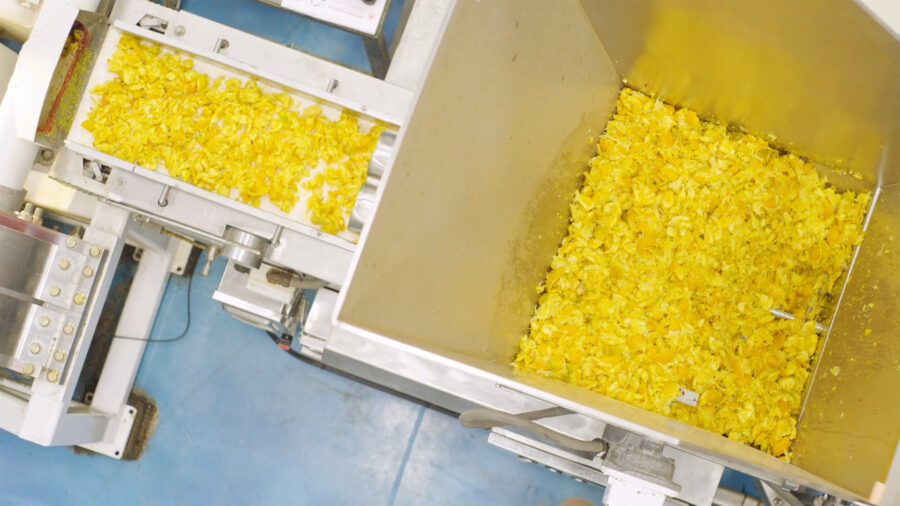
The process of upcycling food – finding new, higher-value uses for items that would otherwise go to waste – appears to boast untapped potential for businesses these days.
This article is sponsored and written by GTF Technologies. By now, everyone in the food industry knows that 30-40% of food produced1 and almost half of all fruits and vegetables grown worldwide2 go to waste. …
As the U.S. Federal Reserve attempts to slow the economy in the battle against inflation, major e-commerce, tech companies and other businesses have announced tens of thousands of layoffs. Is the wave of job cuts …
This article is sponsored and written by Allergenis. Over 32 million Americans have food allergies, including 1 in every 13 children – or approximately two in every classroom, according to foodallergy.org. As many as 60% ...
This article is sponsored and written by RSM US LLP. A resilient supply chain can handle and recover from disruptions. Disruptions may include changing market trends, inflation, and labor shortages, and during the COVID-19 pandemic, ...
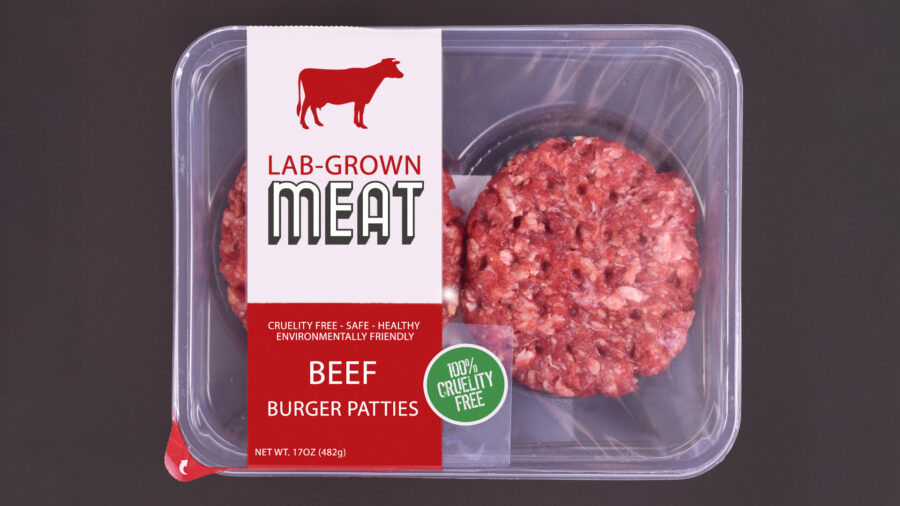
Cell-cultured meat continues to expand on a global scale as start-ups and major meat producers target the category. But how exactly are cuts of cultivated meat created — and how soon can consumers purchase these products?
Precision fermentation technology makes it possible to create alternative egg and milk proteins identical in taste, texture, and functionality to the traditional stuff—without using any animals.
We use cookies on our website to give you the most relevant experience by remembering your preferences and repeat visits. By clicking “Accept”, you consent to the use of ALL the cookies. Do not sell my personal information.
This website uses cookies to improve your experience while you navigate through the website. Out of these, the cookies that are categorized as necessary are stored on your browser as they are essential for the working of basic functionalities of the website. We also use third-party cookies that help us analyze and understand how you use this website. These cookies will be stored in your browser only with your consent. You also have the option to opt-out of these cookies. But opting out of some of these cookies may affect your browsing experience.
Necessary cookies are absolutely essential for the website to function properly. These cookies ensure basic functionalities and security features of the website, anonymously.
Cookie
Duration
Description
cookielawinfo-checkbox-analytics
11 months
This cookie is set by GDPR Cookie Consent plugin. The cookie is used to store the user consent for the cookies in the category "Analytics".
cookielawinfo-checkbox-functional
11 months
The cookie is set by GDPR cookie consent to record the user consent for the cookies in the category "Functional".
cookielawinfo-checkbox-necessary
11 months
This cookie is set by GDPR Cookie Consent plugin. The cookies is used to store the user consent for the cookies in the category "Necessary".
cookielawinfo-checkbox-others
11 months
This cookie is set by GDPR Cookie Consent plugin. The cookie is used to store the user consent for the cookies in the category "Other.
cookielawinfo-checkbox-performance
11 months
This cookie is set by GDPR Cookie Consent plugin. The cookie is used to store the user consent for the cookies in the category "Performance".
viewed_cookie_policy
11 months
The cookie is set by the GDPR Cookie Consent plugin and is used to store whether or not user has consented to the use of cookies. It does not store any personal data.
Functional cookies help to perform certain functionalities like sharing the content of the website on social media platforms, collect feedbacks, and other third-party features.
Performance cookies are used to understand and analyze the key performance indexes of the website which helps in delivering a better user experience for the visitors.
Analytical cookies are used to understand how visitors interact with the website. These cookies help provide information on metrics the number of visitors, bounce rate, traffic source, etc.
Advertisement cookies are used to provide visitors with relevant ads and marketing campaigns. These cookies track visitors across websites and collect information to provide customized ads.