From SKUs to Ecosystems: The Future of Food Innovation
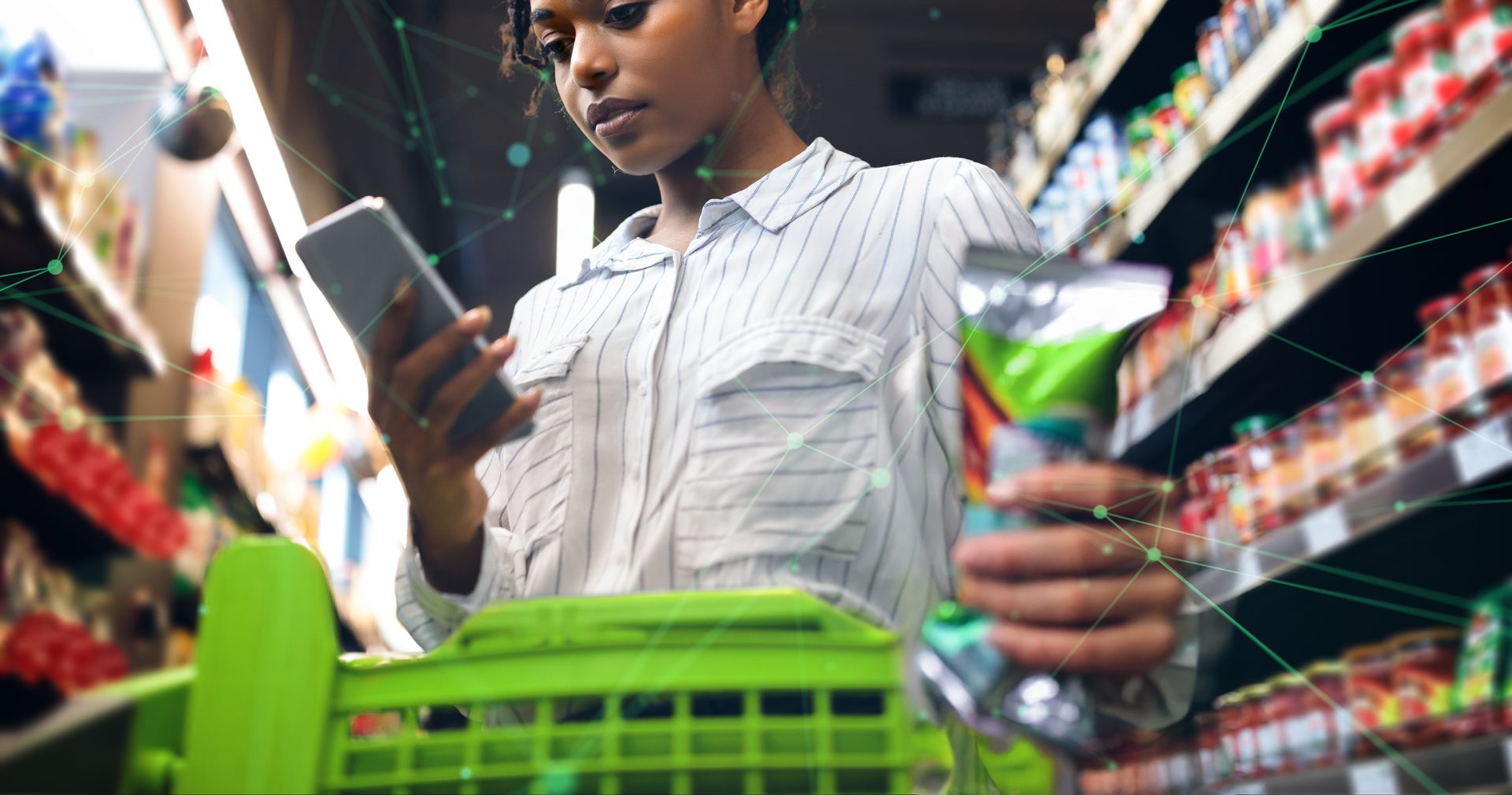
AI is fast becoming shoppers’ trusted assistant, especially in grocery. As a result, brands must now master AI algorithms, build trust, and optimize for voice-driven, chatbot-powered discovery.
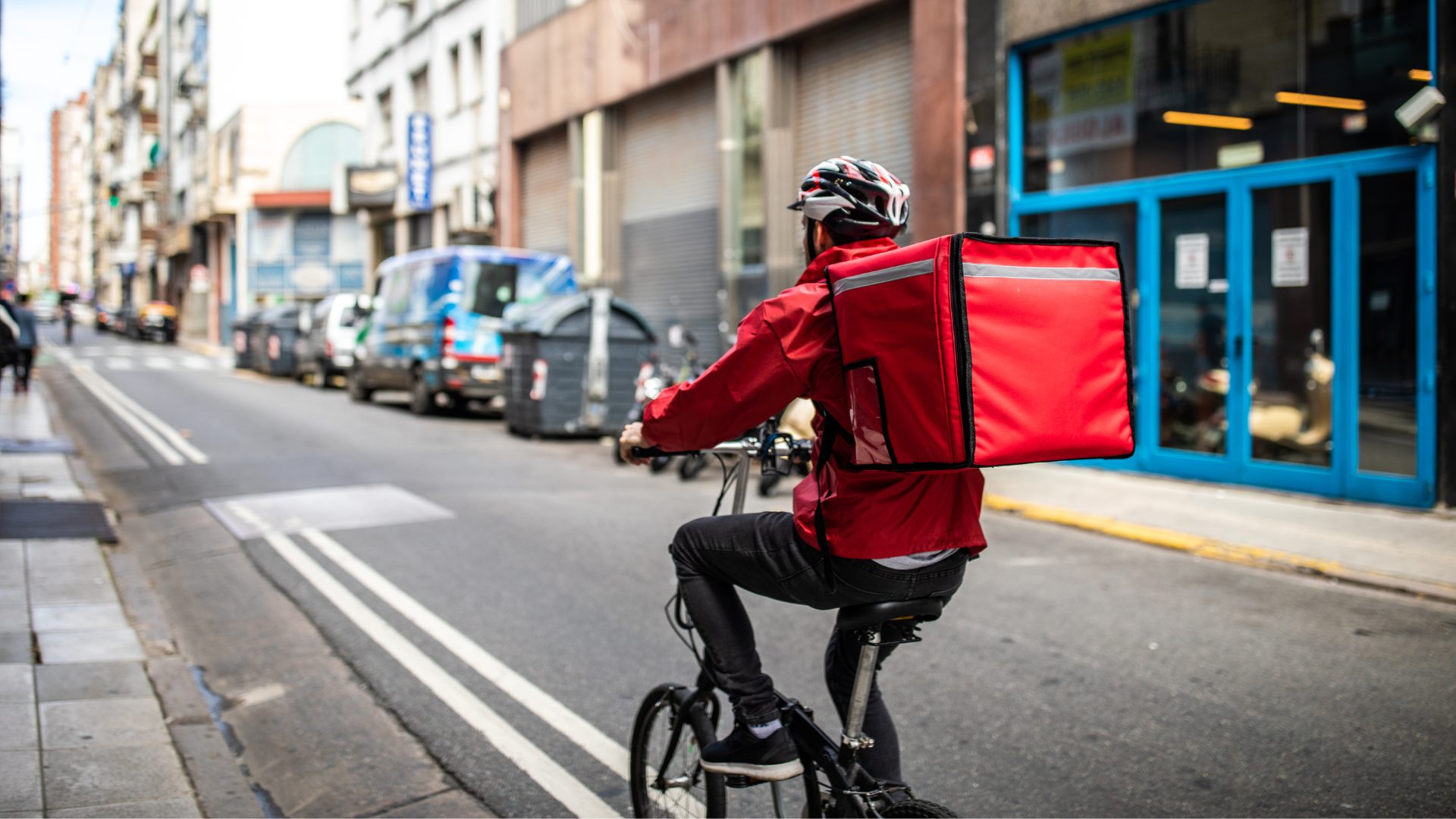
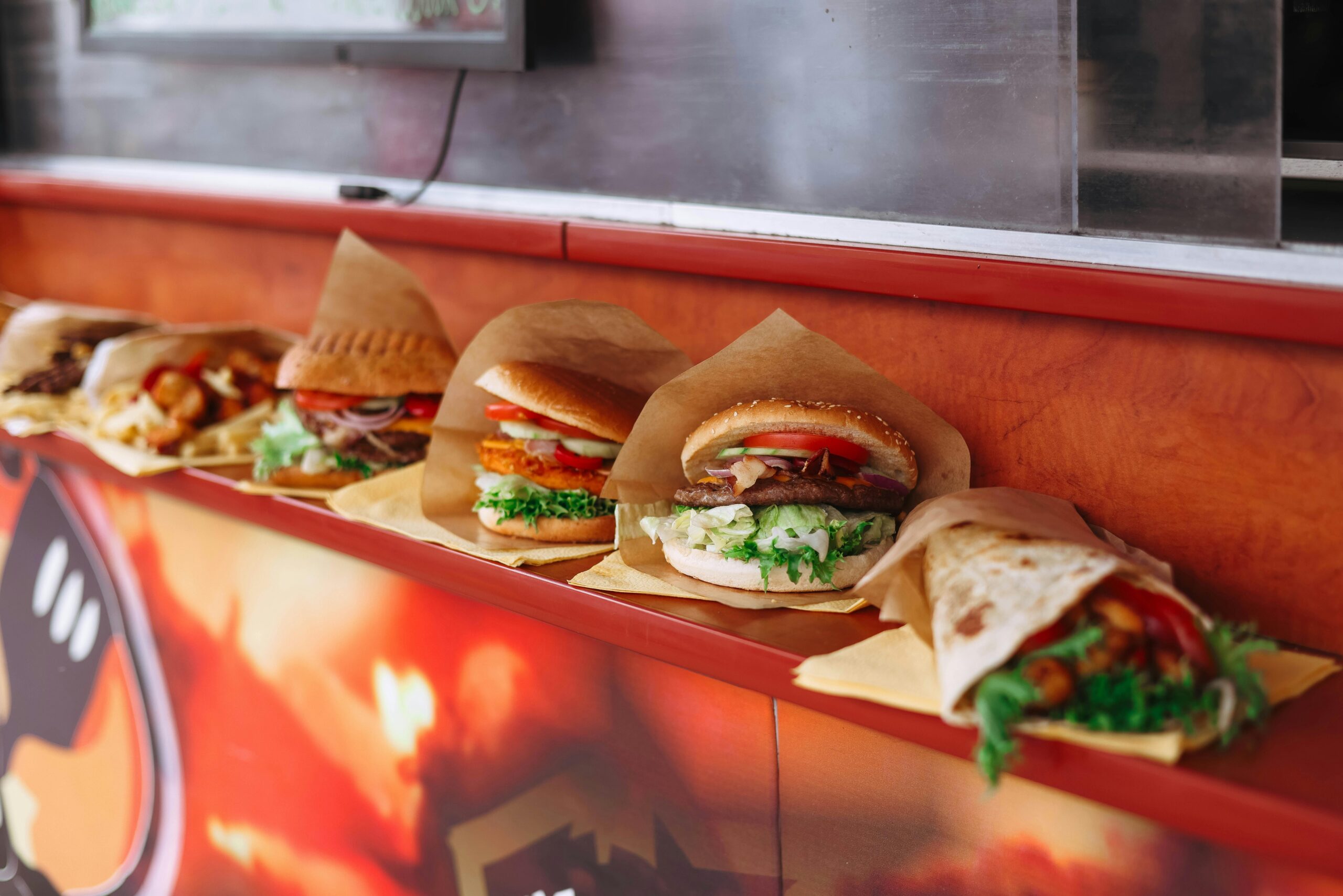
Restaurants are redefining delivery with “hospitality beyond the four walls,” using personal touches like handwritten notes and smart packaging to boost satisfaction. The payoff? A warmer brand experience and repeat business.
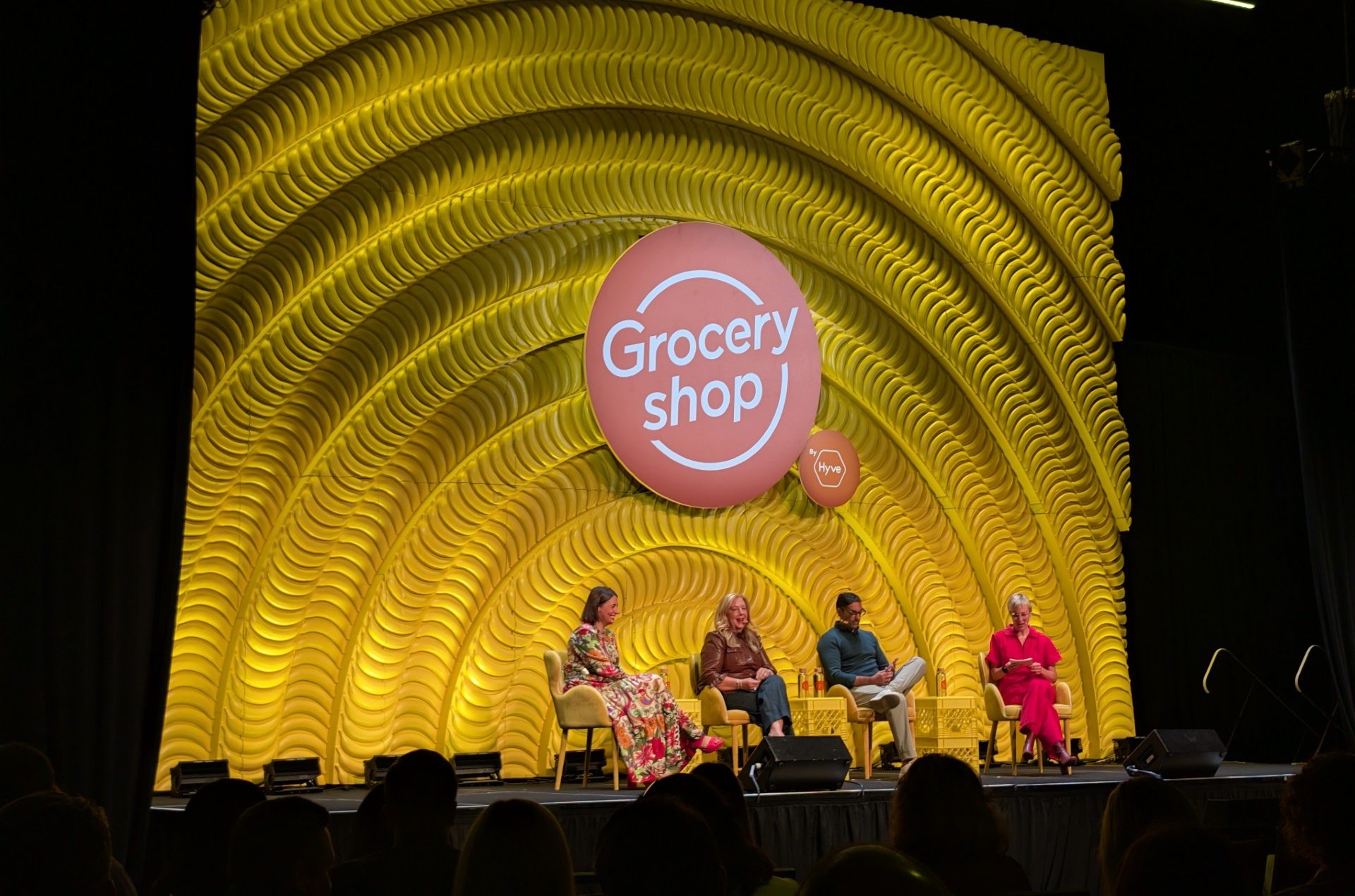
At Groceryshop 2025, leaders tackled topics such as value-driven shoppers, evolving retail media, and AI’s seismic impact on grocery. From TikTok disruption to digital twins, the future of food retail is already knocking.
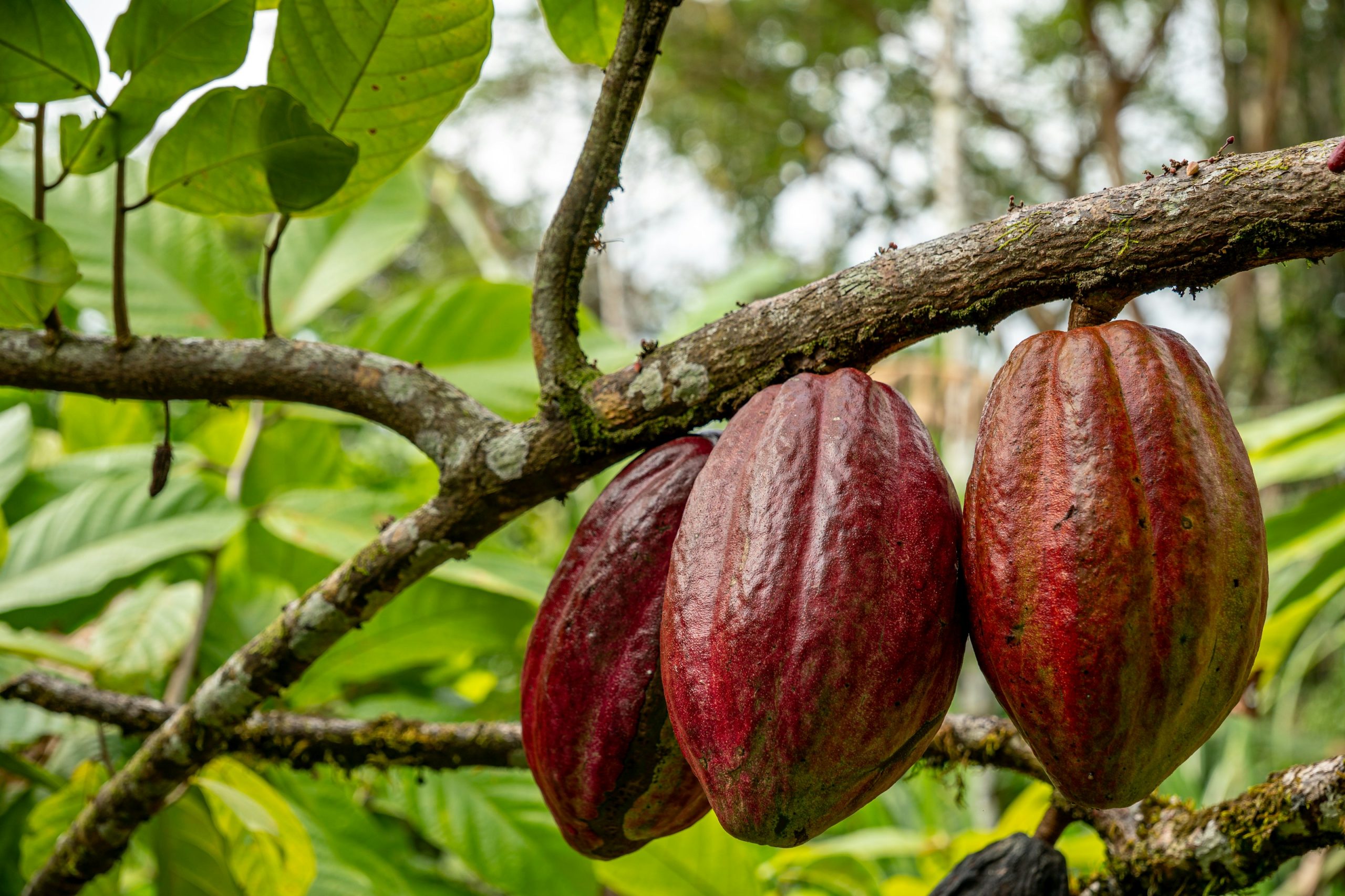
CRISPR is rewriting the rules of agriculture, offering precision DNA edits to boost crop resilience and flavor. Mars and Pairwise are leading the charge, targeting cacao to weather climate and supply chain storms.
AI is revolutionizing food supply chains—from predictive maintenance to drone-powered inventory—boosting efficiency, quality, and resilience. But for many, the challenge isn’t potential; it’s cutting through the hype to find real ROI.
Viral social media trends can often translate to real-time impacts for brands – and TikTok’s algorithmic pull is particularly strong.
In this increasingly digital landscape, it’s become crucial for F&B companies to not only gather data but also to glean insights from it that they can leverage to stay ahead of the curve. Anyone who’s …
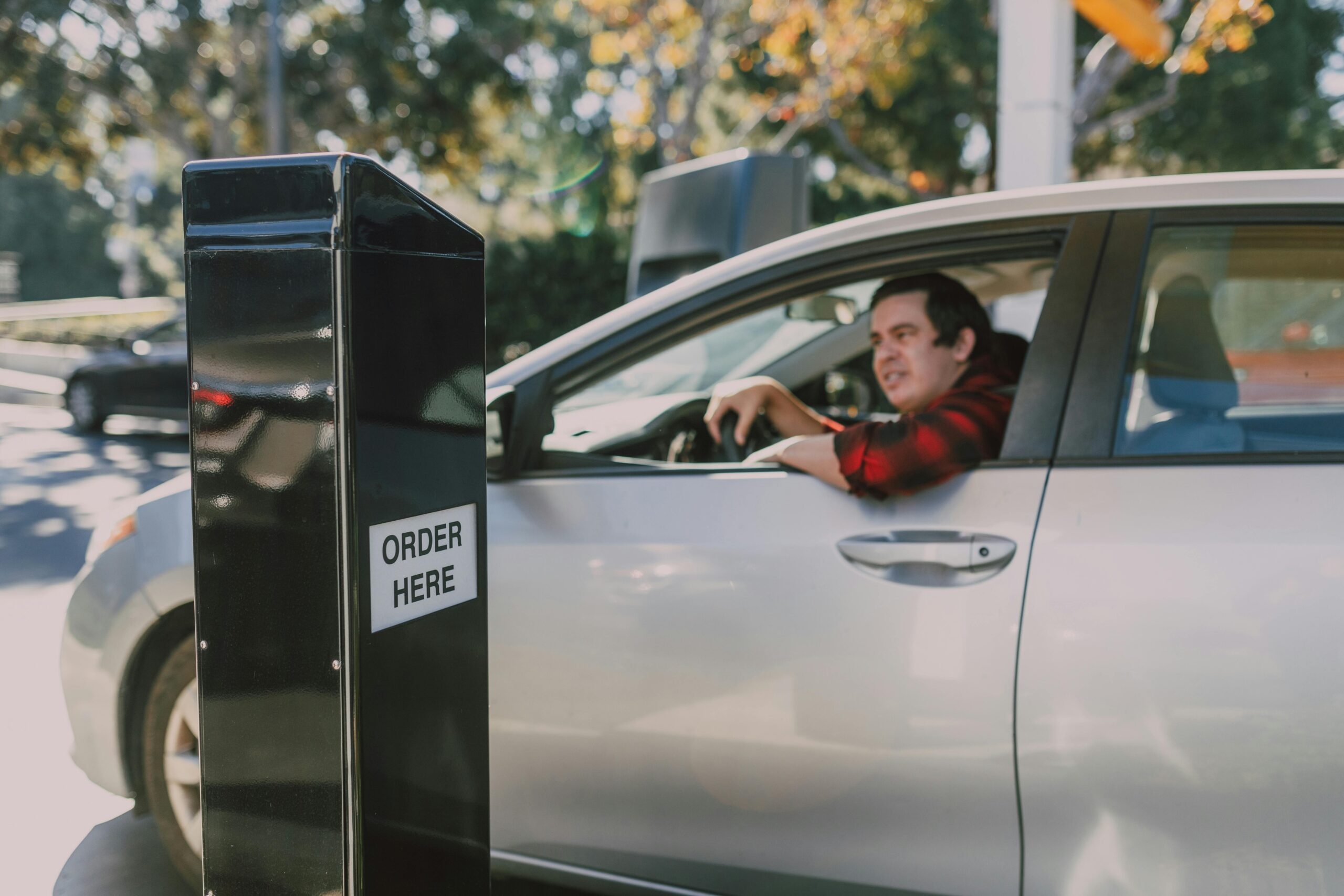
QSRs are revolutionizing the dining experience by integrating AI, mobile ordering, and kiosks, but success depends on balancing efficiency with human connection. Intouch Insight’s 2025 Emerging Experiences study highlights how industry leaders are using innovative tech to streamline operations.
Innovative brands in the alt-protein space are combining multiple technologies to create better products. By integrating methods like precision fermentation and enzymatic cross-linking, these companies are solving major pain points in taste, texture, and affordability.
Despite high awareness, only a small fraction of consumers understand and consistently pay premiums for regenerative agriculture products, highlighting significant psychological and economic barriers. However, with increased crop yields and profits for farmers and the potential for nutrient-rich produce, the industry stands on the brink of transformative growth.
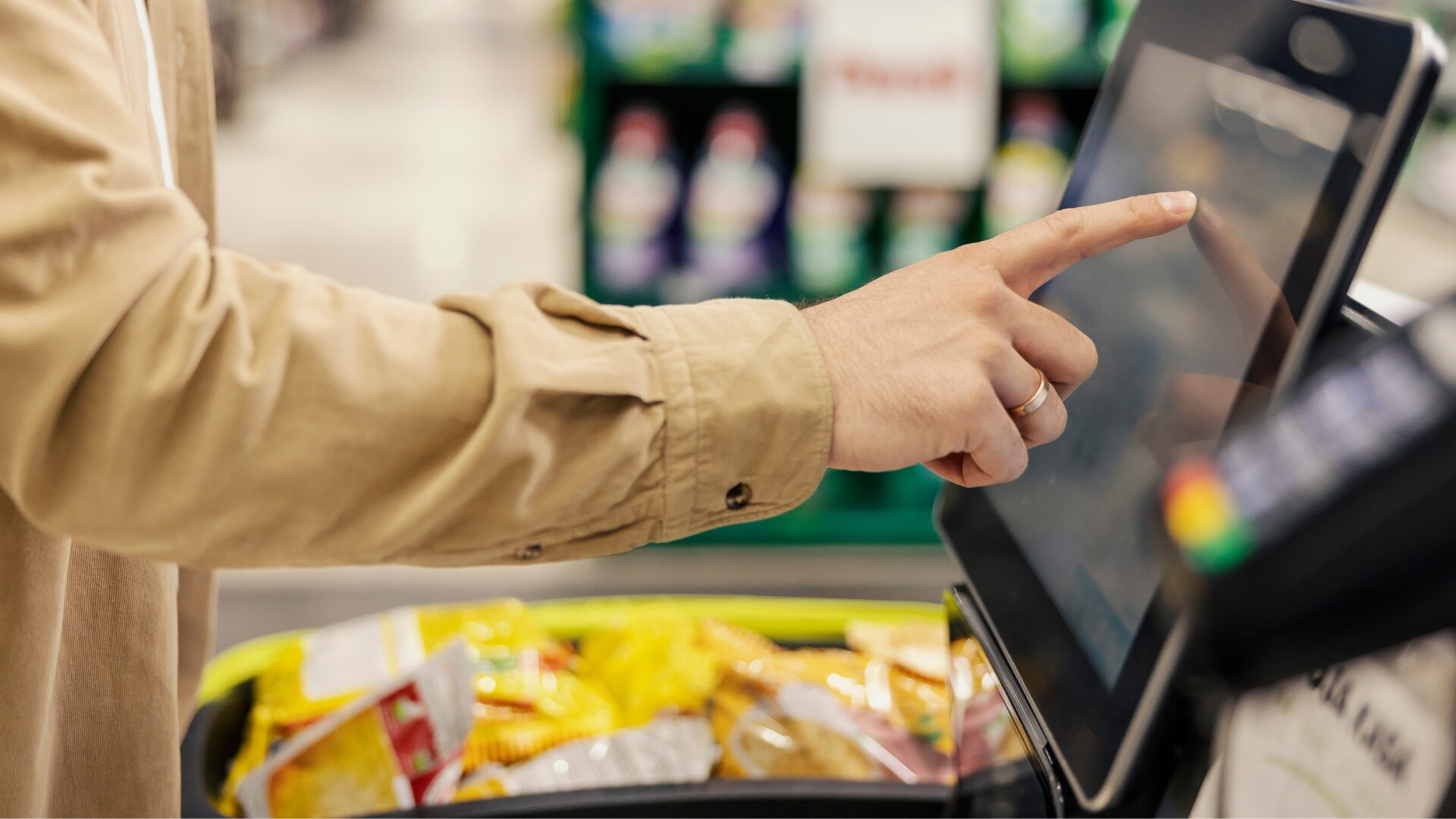
Multiple retailers are re-evaluating self-checkout lanes these days. As a result, the kiosks have become heavily debated among industry analysts. “Shoppers with high velocity who want to get their 10 items or less quickly – …
Last year, the Finnish food-tech company Solar Foods debuted Solein, a novel type of protein requiring only renewable energy, airborne materials, and a small amount of minerals to produce. Since it can be made in any weather and without resources like land or water, Solein is highly sustainable – and equally nutritious.
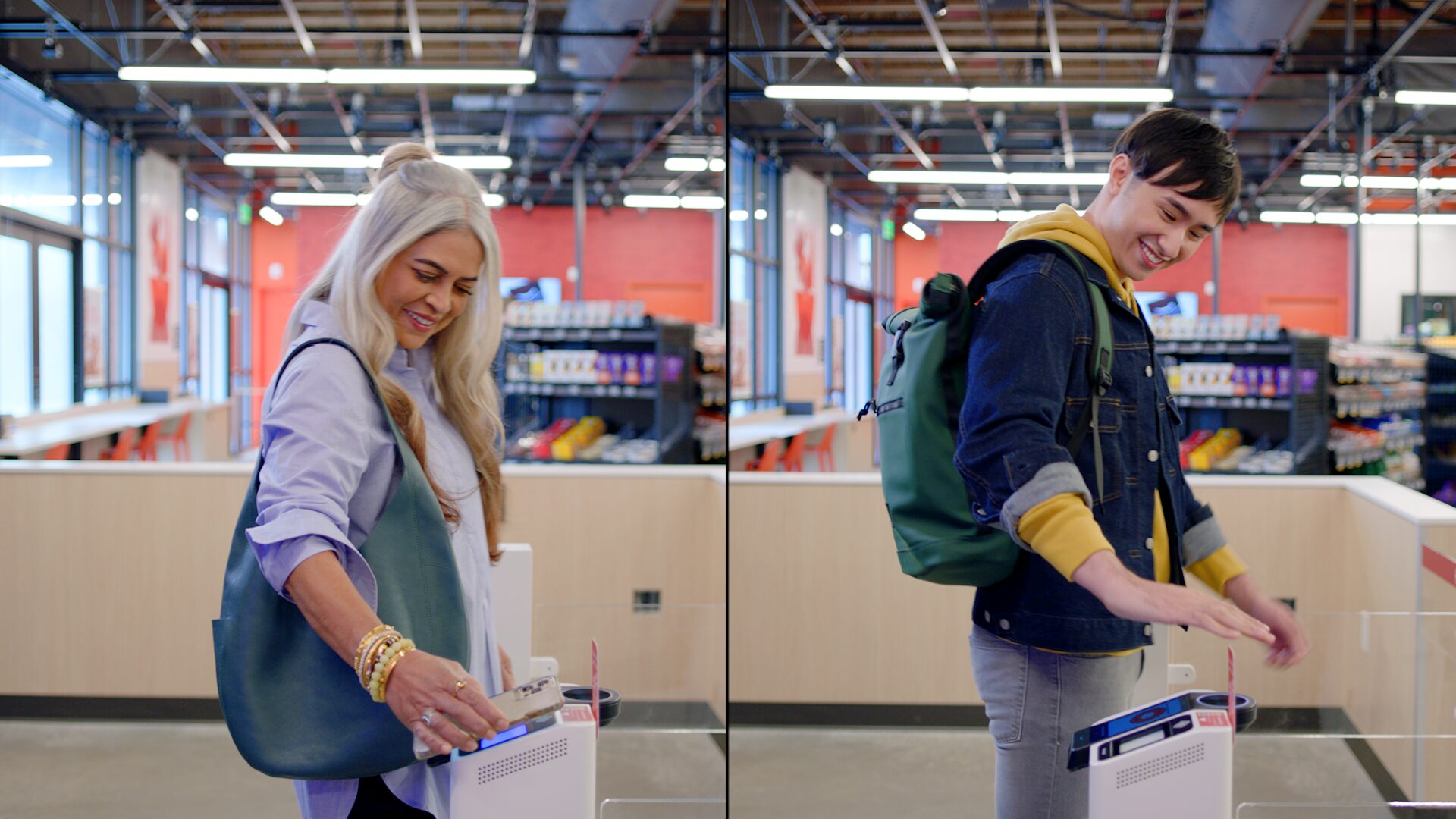
In its quest to revolutionize retail, Amazon Go has faced significant hurdles, from customer confusion to technical difficulties. Amazon’s challenges in brick-and-mortar retail highlight the complexities of adopting cashierless technology.
Pea protein is gaining traction as a sustainable, allergen-free alternative. Due to its improved taste and texture, the ingredient has been showing up in everything from dairy-free yogurt to functional drinks.
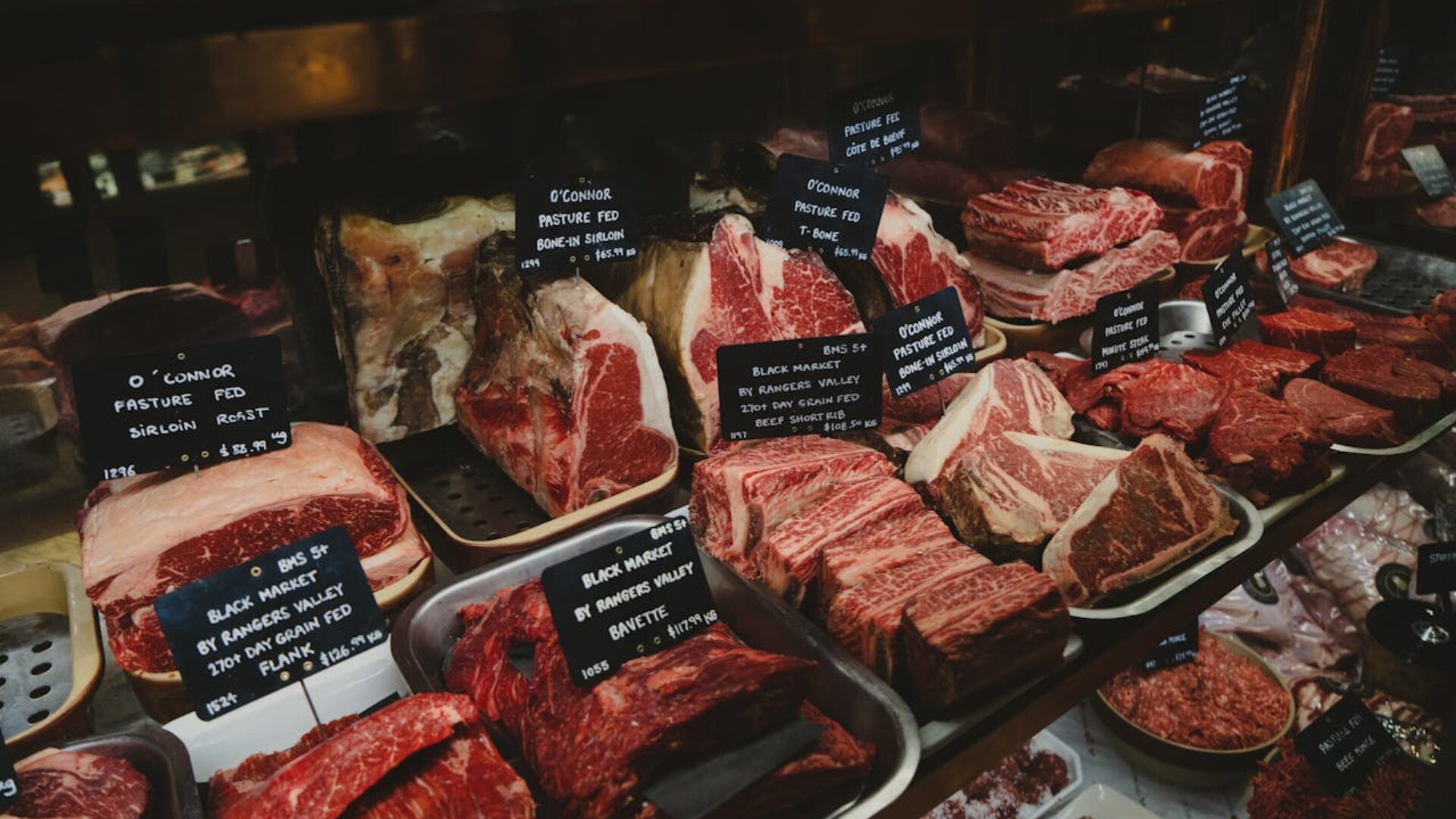
In 2025, the U.S. meat and poultry processing industry is leveraging advanced materials and automation to enhance efficiency across its supply chain. Innovations in blade technology and nanotechnology in packaging are transforming operations.
At the recent Retail’s Big Show event by the NRF, technology took center stage, showing the need for businesses to transform their operations with a digital future in mind. Here’s a look at three themes slated to take over retail in the new year.
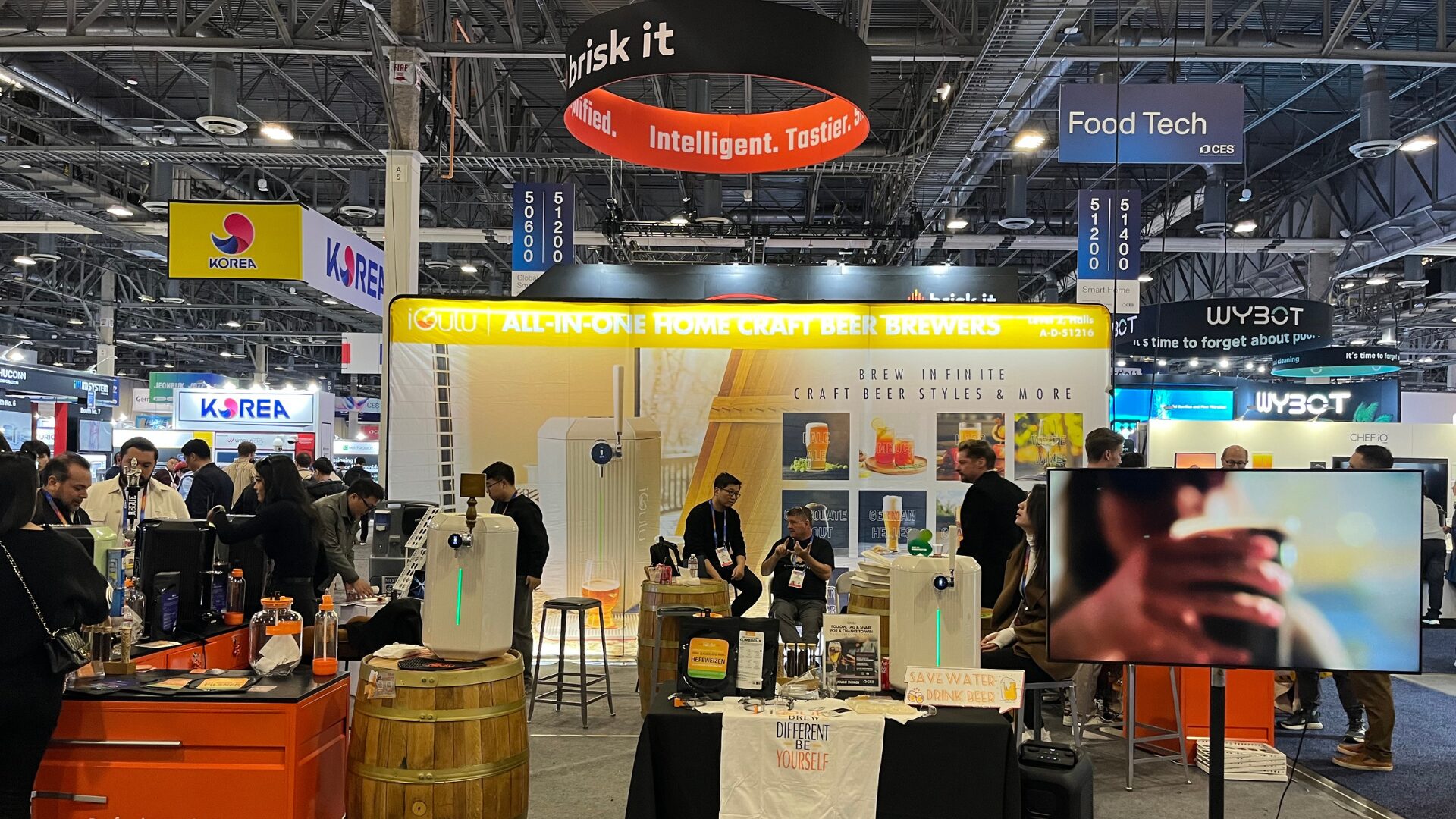
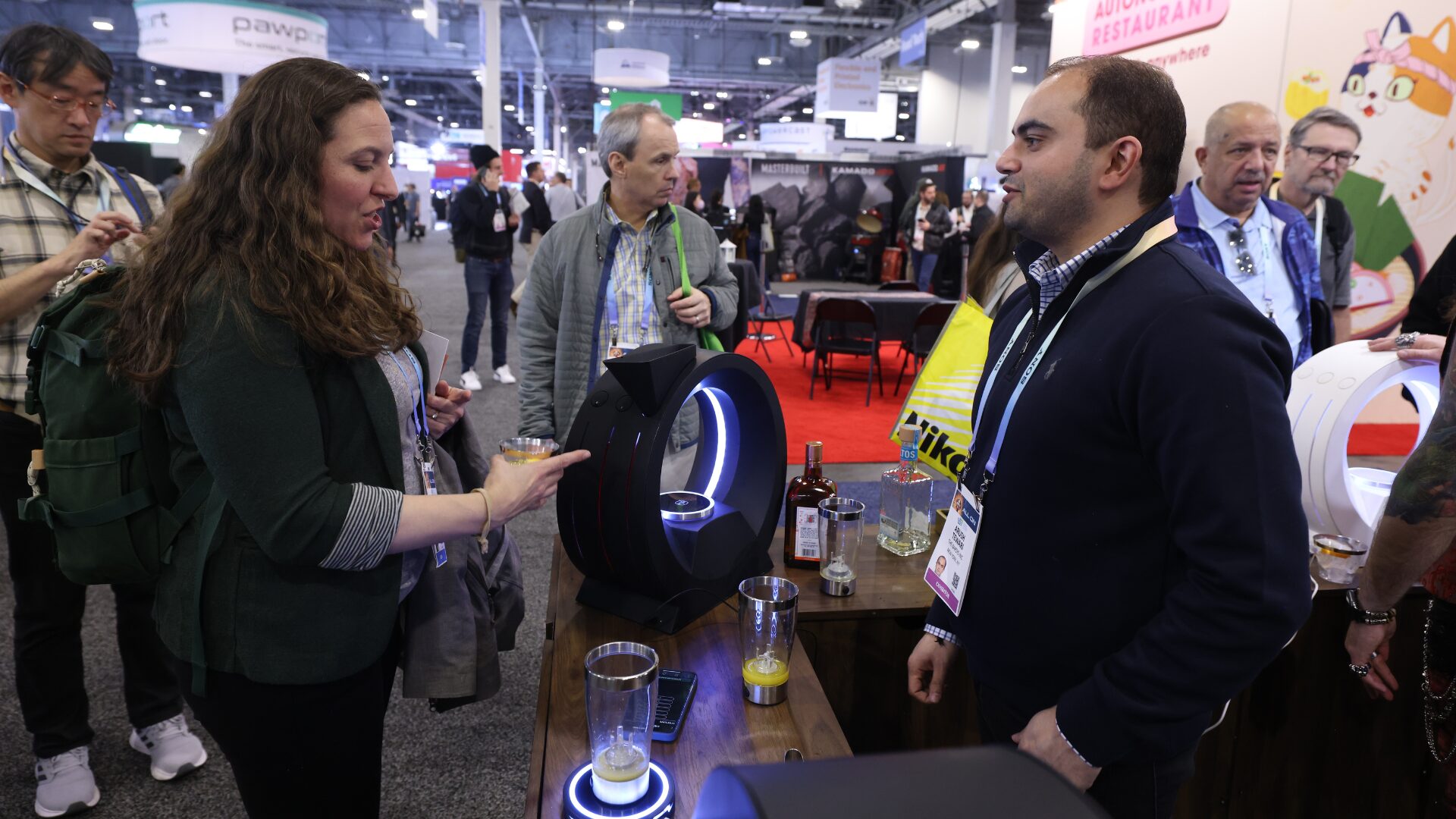
CES 2025 showcased groundbreaking advancements in food, beverage, and AgTech. With 140,000-plus attendees and 4,500 exhibitors, the event highlighted how tech is transforming the way food is prepared.
The CPG category is undergoing a significant transformation, blending AI, retail media networks, and social shopping to create deeply personalized experiences. These innovations are reshaping shopping into a seamless experience for consumers.
CES 2025 promises to spotlight cutting-edge advancements in ag-tech and food tech. Food industry executives attending the event will gain firsthand insight into technologies addressing global challenges like sustainability, automation, and precision agriculture.
The better-for-you shopper has more to spend on groceries every month, attracting grocers and brands to invest in the market. These shoppers are worth an estimated $285 billion each year.
Imagine this scenario: it’s a busy Friday wrapping up the quarter. Your accounting department receives an urgent payment request from a key ingredient supplier. The request comes from the usual contact’s email and references a …
As restaurants compete in an increasingly “phygital” world, blending digital and physical experiences is key to meeting consumer expectations in 2025. Restaurant-tech company Tillster expects curbside pickup to ramp up, too.
Buy-now-pay-later services are surging in popularity, with Adobe projecting $18.5 billion in holiday purchases this year. While retailers benefit from increased sales and lower fees compared to credit cards, experts warn that BNPL poses risks if not carefully regulated.
Coca-Cola’s AI-generated holiday ads sparked backlash for prioritizing spectacle over substance, highlighting a key lesson for food industry players: AI must deliver real-world value to resonate.
Bioengineers have developed a farming method that essentially replaces photosynthesis with a solar-powered chemical reaction, which could enhance sustainability and restore ecosystems.
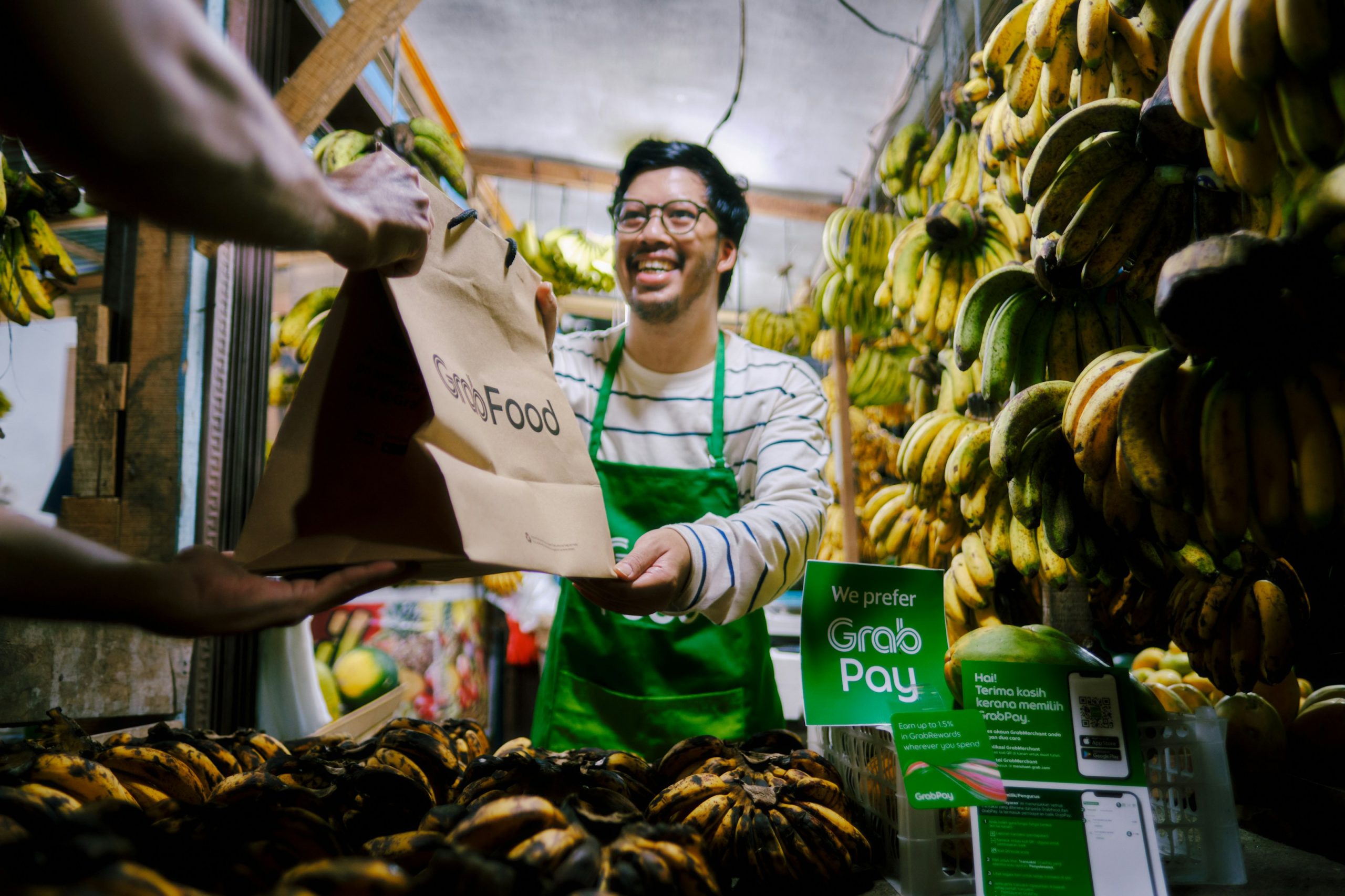
Instacart, DoorDash, and Just Eat Takeaway have all entered the retail media space and are continuing to deliver on unique advertising capabilities for CPGs and retailers.
Amazon’s chief engineer used to have a dog named Rufus who ran up and down the halls fetching tennis balls. That doesn’t seem like a big deal for a multibillion-dollar business. But recently, Amazon brought …
AI is revolutionizing the consumer journey for CPG brands. Yet, while AI enhances predictive insights, concerns about data privacy and the balance between automation and human connection remain key considerations for brands, according to industry insiders.
Rebellyous is set to unveil a production system that would enable the company to produce plant-based meat that competes in price and quality.
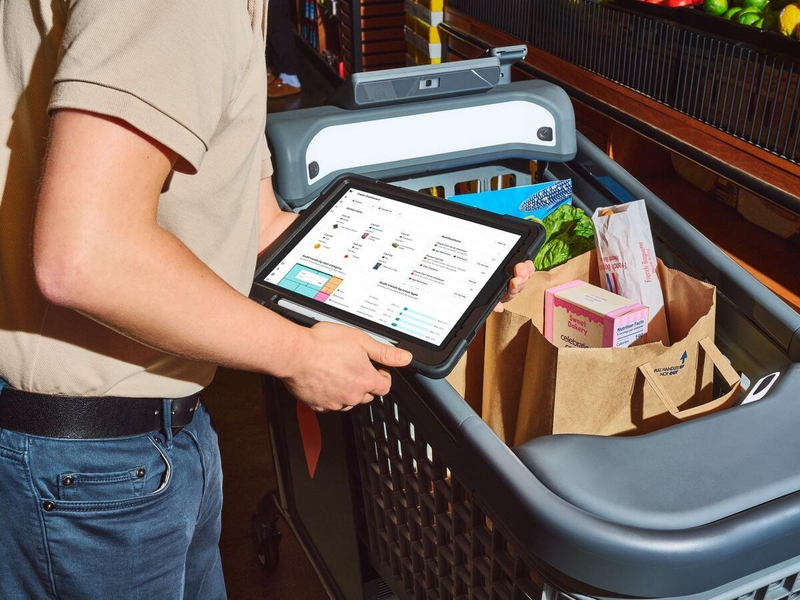
An evolving form of smart carts is helping grocery chains like Kroger, Price Chopper, and Schnucks offer painless and personalized shopping experiences.
The international restaurant-bakery chain recently debuted the cutting-edge AI tool Alain.AI to modernize their recipe database and standardize protocol across 214 locations in 19 countries.
As recent product recalls show, the stakes are high when brands must respond to a recall. Experts share the necessary steps to keep a brand’s reputation intact during a recall.
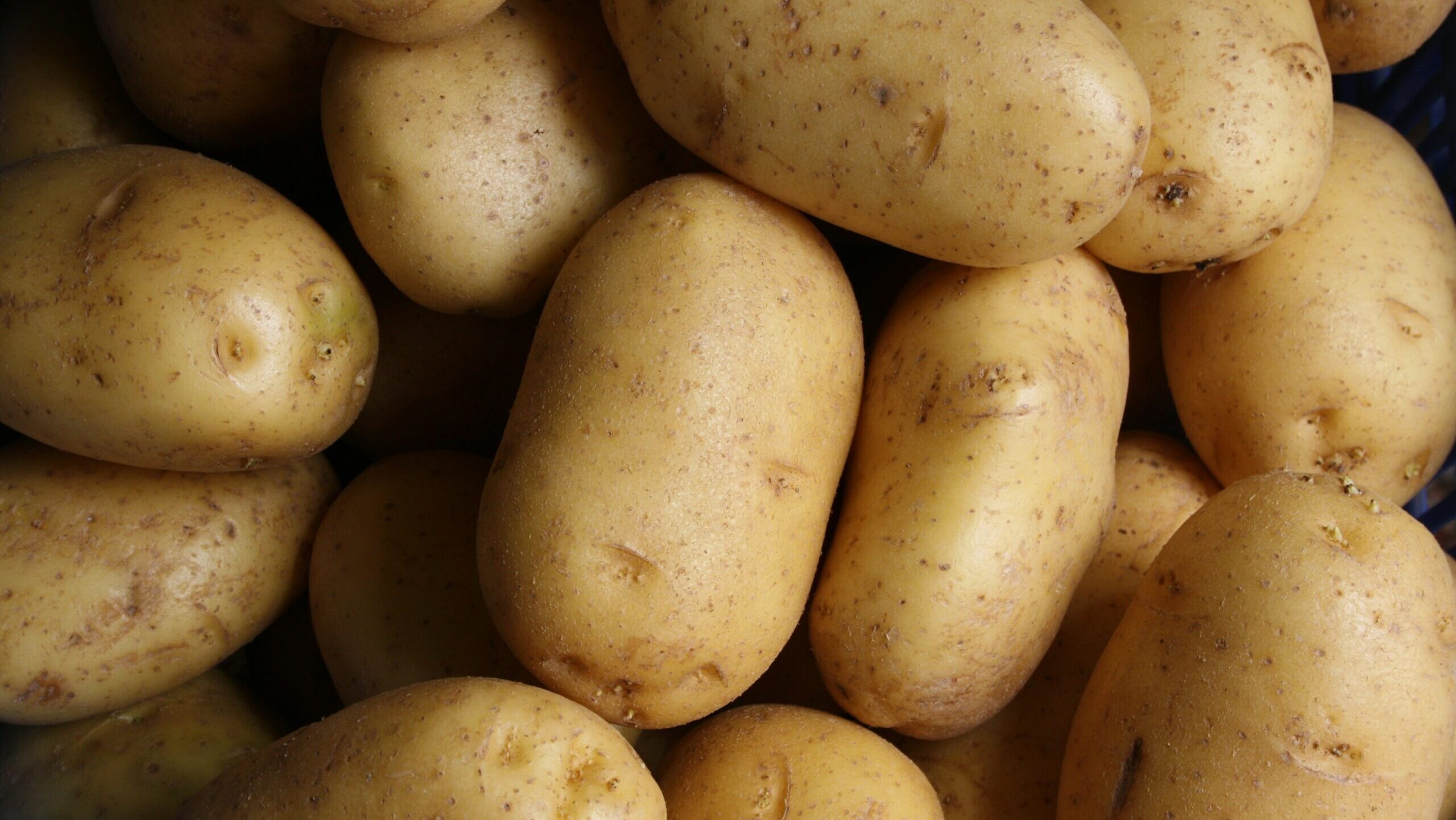
Researchers at Michigan State University have produced a breakthrough that promises better-tasting – and longer-lasting – potatoes.
While restaurant chains like McDonald’s have had notable swings and misses regarding AI, business leaders insist the technology offers invaluable uses to food companies, aiding personalized offers, sales forecasting, and more.
About 77% of shoppers say they’re interested in trying new technology within a grocery store. And major retailers are finally warming to the idea of providing innovations like electronic shelf labels.