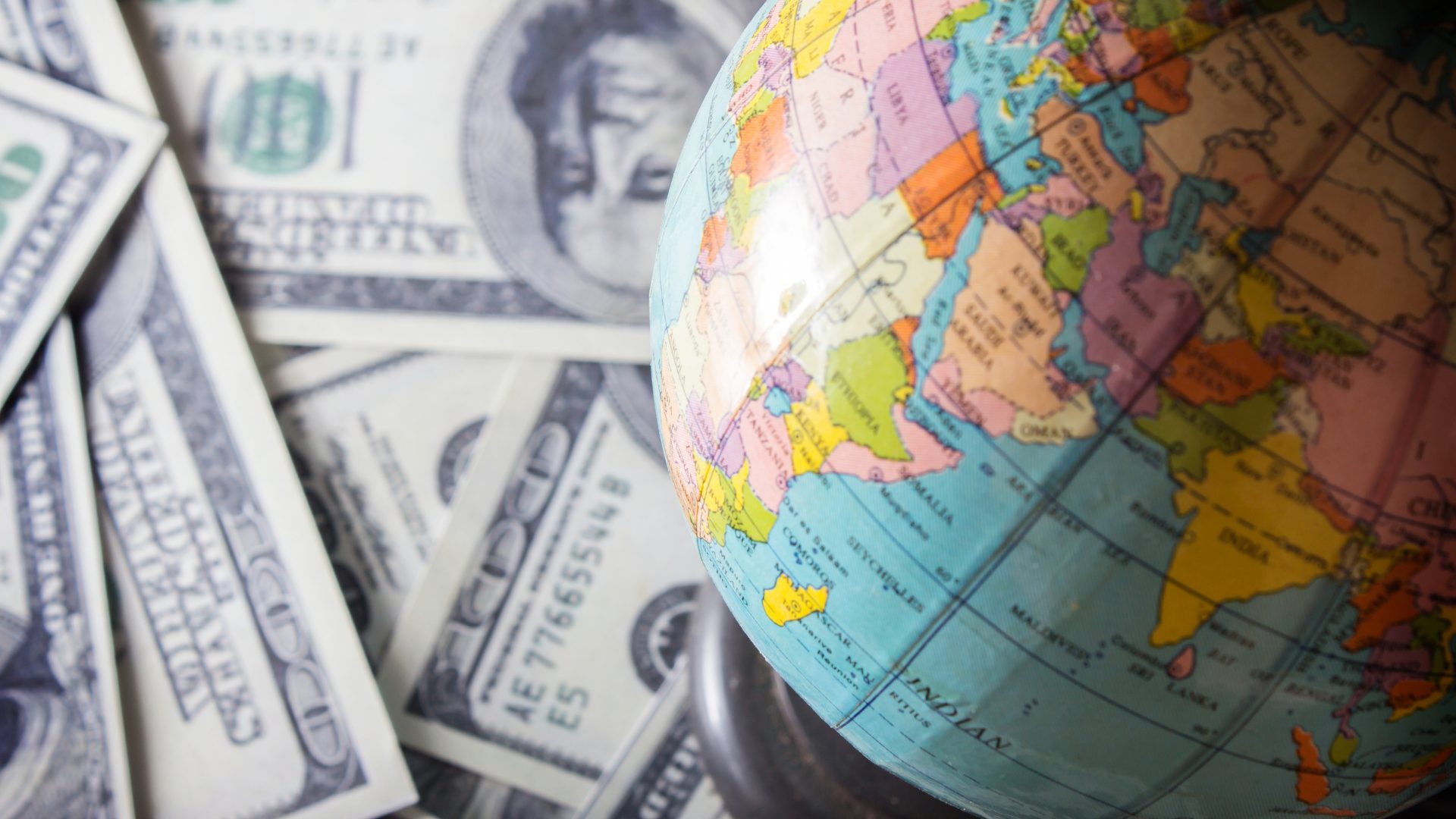
A new report examining the world’s most valuable brands in 2026 included few from the food and beverage industry. The analysis, produced by Tradingpedia, nevertheless revealed more than a few findings of relevance to F&B leaders. The report showed that American brands continue to dominate global brand rankings, with seven of the world’s top 10 most-valuable brands originating in the U.S. Along with the five most valuable brands, the U.S. is also represented by retail giant Walmart in seventh place in the rankings ($141 billion).
Tech firms topped the rankings, but, albeit to a lesser extent, the F&B industry’s biggest players – like Nestlé, Corona, Heineken, and Red Bull – still wield notable cultural influence.
“The brands shaping our everyday lives are not always the ones worth the most money,” said Brian McColl, a Tradingpedia analyst.
“The companies powering the global economy may dominate stock markets, but when people reach for their phones – which increasingly determines the next thing they will spend their money on – it is (soccer) clubs, fashion labels, and lifestyle brands that capture their attention the most,” McColl added, in a statement.
To discover the global brands exerting the most influence on economies and consumers, Tradingpedia examined the latest brand rankings by BrandFinance. The world’s top 5 most valuable brands in 2026 are as follows:
- Apple ($607.6B)
- Microsoft ($565.3B)
- Google ($433.1B)
- Amazon ($369.9B)
- Nvidia ($184.3B)
“Brand value is, above all, financial weight and market performance,” the report stated. “Beyond the revenues, balance sheets, and daily stock fluctuations, however, there is also something else – the market’s way of pricing trust but also expectation.
“Investors pay for how confidently they believe people will choose a brand tomorrow.”
Which are the most valuable brands in each country?
The U.S., of course, is home to all-powerful Apple. But several major countries boast brand goliaths – including more than a few that also reside in the food and beverage industry. Examples of F&B companies that are the most valuable in their home country include:
- Switzerland: Nestlé ($20B USD)
- Mexico: Corona ($13.4B)
- Netherlands: Heineken ($12.9B)
- Austria: Red Bull ($9.7B)
Many of these brands boast serious clout on social media, too. Energy-drink giant Red Bull, for example, is arguably the most socially relevant brand from Austria, with 32.8 million followers on Instagram. Another brand with significant relevance on Instagram is Corona Extra, which has 938,058 followers.
“Instagram has become a kind of cultural scoreboard, revealing what people choose to follow rather than what investors choose to value,” McColl noted. “And that says something about 2026: in a world overloaded with products and information, the brands that win are often the ones that feel less like companies and more like part of our identity.”
The Food Institute Podcast
Peptides, protein, and fiber are the wellness trends shaping the future of food. In this clip from a Food for Thought Leadership episode, Chris Campbell sits down with registered dietitian Marie Molde to discuss how 2026 is lining up to become the “Year of Fiber” and how consumers are rethinking health through a more holistic approach to nutrition.