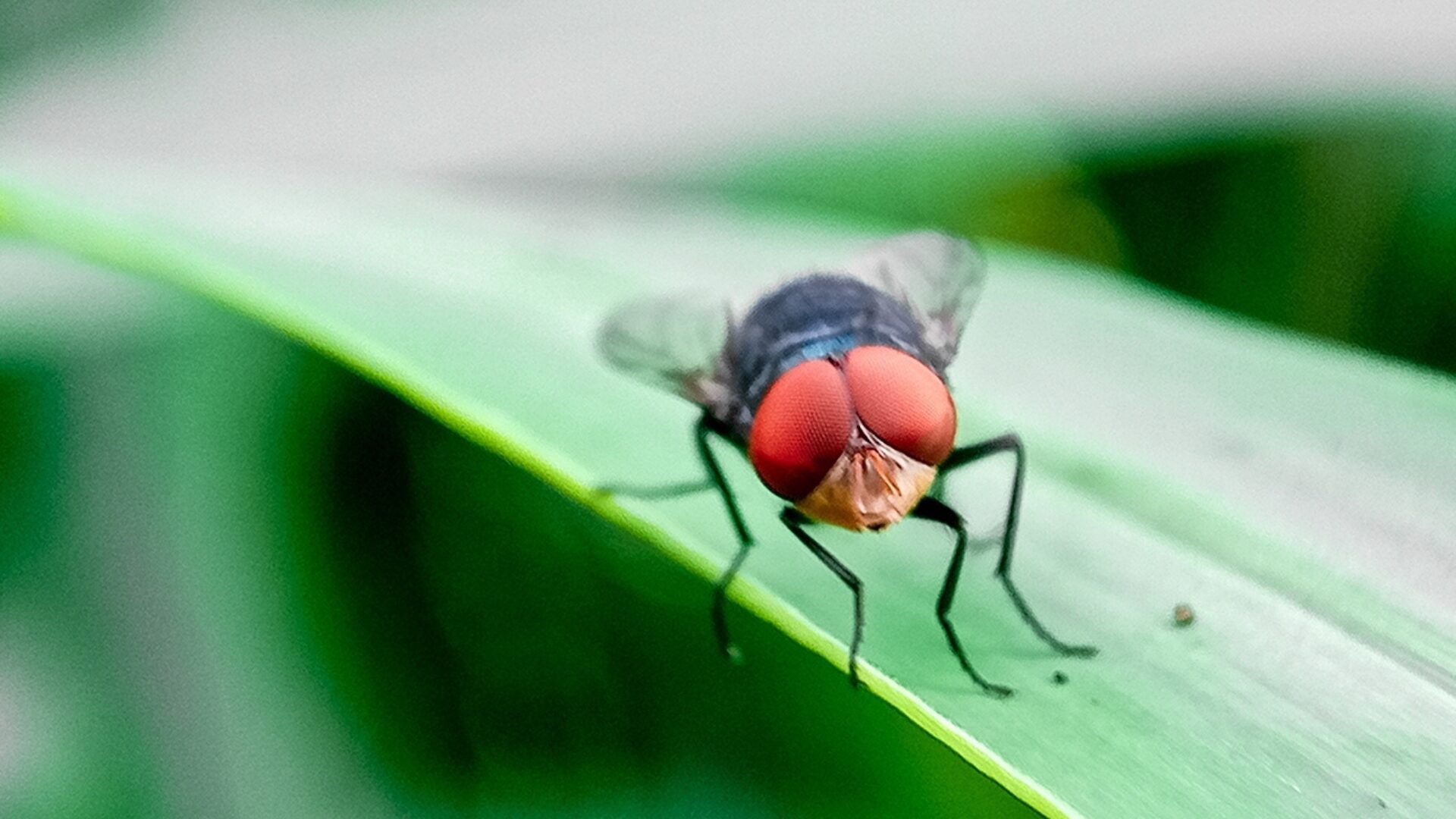
The New World screwworm, the larval stage of a type of blowfly that burrows into flesh through orifices or wounds and destroys an animal from the inside out, appears to be spreading from the initial detected case in Texas to beyond the state’s borders.
Though confirmed cases remain low, the threat to the livestock industry is growing.
“The most important thing livestock producers can do is educate themselves about New World Screwworm from a credible source. [The USDA Animal and Plant Health Inspection Service] has all the information in one place,” Dr. M. Wayne Ayers, technical consulting veterinarian with Elanco Animal Health, told The Food Institute.

The federal government hopes to stem the spread by introducing sterile males to mate with egg-carrying females, which can lay thousands of eggs at a time. Because the pests mate only once, introducing sterile males can prevent the spread.
There’s just once catch: not enough sterile males have been produced so far and a new production facility that will produce as many as 300 million flies a week won’t be ready until November 2027.
The Wildlife Conservation Society said sterile fly production is not the whole answer.
“This isn’t simply a U.S. border problem, a Mexico problem, or a Central American problem. It’s a regional biosecurity failure,” said Dr. Jeremy Radachowsky, regional director for Mesoamerica and the Caribbean.
The spread of NWS has consequences for ranchers, rural economies, wildlife, public health, food security, and taxpayers.
“The same illicit cattle economy destroying forests and Indigenous territories in Mesoamerica is now helping move a dangerous animal-health threat toward North America’s livestock systems and wildlife,” Radachowsky added.
“The technical response must continue. But eradication will fail if the parasite is repeatedly reintroduced through illegal cattle movement. The way to protect livestock, wildlife, rural livelihoods, and taxpayers is to cut off the trafficking routes that allowed this crisis to move so fast and so far.”
Why is the New World screwworm Dangerous?
The last serious U.S. infestation of NWS was wiped out in 1966.
Farm Forward blames the current situation on shortsighted actions by the federal government, like reducing USDA staff members.
The New World screwworm is endemic to parts of South America and has been slowly working its way north from Central America for years. Until President Trump took office in January 2025, the U.S. Agency for International Development monitored, tracked and worked to contain the spread of the screwworm. The dismantling of the agency ended the monitoring program.
Bob Gilbert, staff entomologist at Blue Sky Pest Control, said the federal government is taking the situation seriously. He noted cattle imports from Mexico have been halted and livestock handlers and producers are being educated. Construction of the sterile male production center has been stepped up.
Currently, there are just two large agricultural sterile fly production facilities: one in Panama and the other in Mexico, which can produce a combined 200 million sterile males weekly. The flies are shipped to Moore Air Base in Texas, where they’re distributed.
Until production can be ramped up, producers are advised to keep a close eye on their animals and treat any open wounds promptly.
“The addition of local sterile male facility with ongoing preventative releases would allow us to eliminate the New World screwworm from the United States before it becomes a major issue. Remember, this is a native species to the United States. The decades without this pest are a direct result of control efforts centered around sterile male release. They will do it again,” Gilbert said, noting, however, in the short-term, meat supplies will be tight.