The Trump administration’s latest tariff actions could lower some costs for food producers but leave broader trade-related challenges largely intact. As first reported by Bloomberg, the Trump administration will reduce tariffs on imported farm and construction equipment to 15%, from 25%, effective June 8 through the end of 2027.
The White House framed the move as a cost-saving measure for farmers and industrial operators, with the broader goal of encouraging capital investment at a time when producers are weighing machinery upgrades against higher labor, financing, and input costs.
For agriculture, the reduction matters.
Equipment purchases are among the largest capital expenditures many growers face, and lower import duties could reduce the cost of tractors, harvest equipment, irrigation systems, and other machinery. A lower tariff rate doesn’t, of course, erase years of inflation in equipment, parts, and maintenance, but it could make some deferred investments easier to justify.
What Does the Brazil Tariff Proposal Entail?
Also of note to the F&B industry, the Trump administration proposed a new 25% tariff on Brazilian goods.
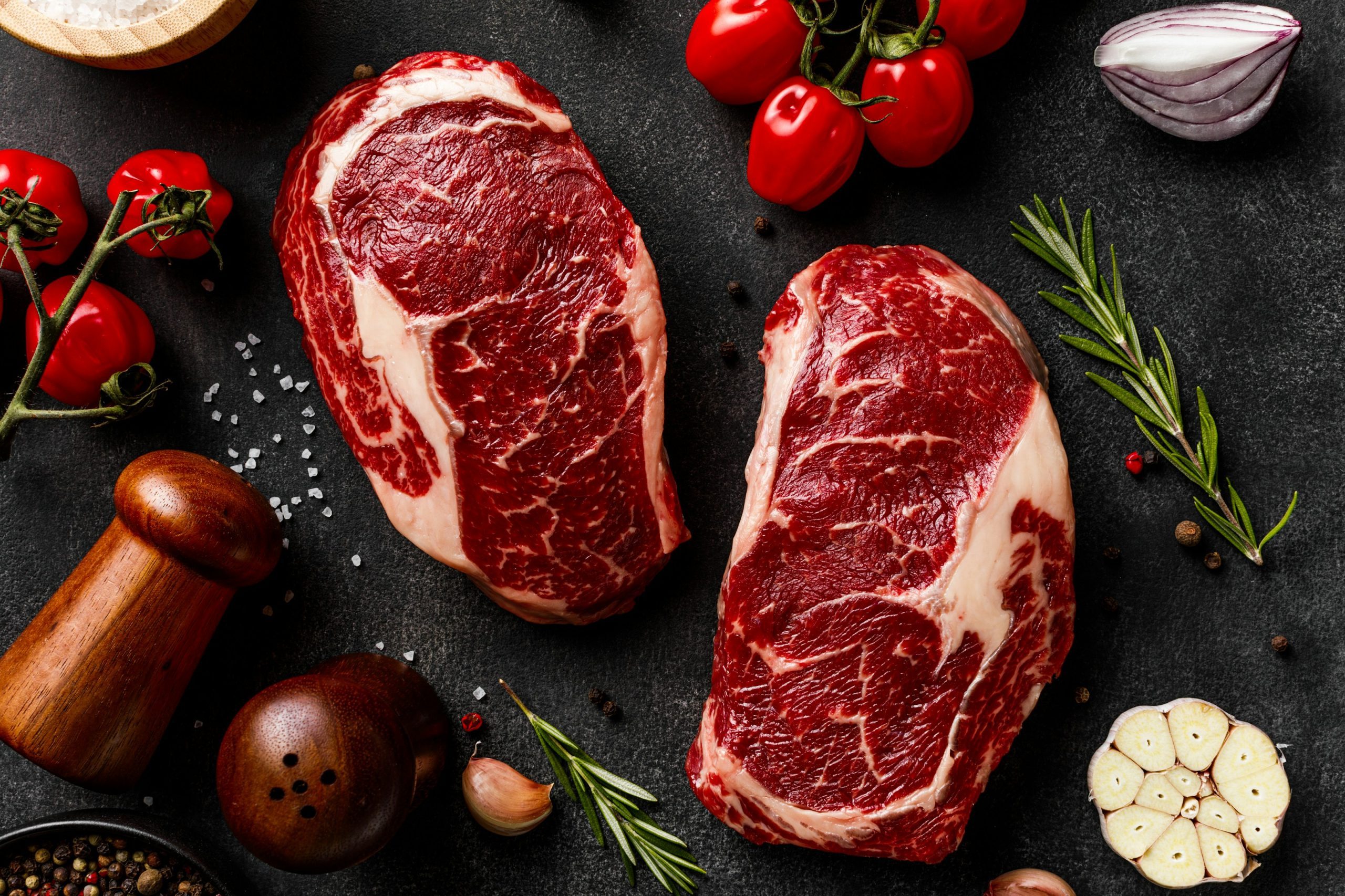
For food importers, however, that headline is less dramatic than it first appears. Major food categories including coffee, beef, and certain fruits are exempt from the proposal, limiting the immediate impact on several of the most important Brazil-linked food supply chains serving U.S. retailers, restaurants, and manufacturers.
The proposal remains subject to a public hearing process and potential negotiations, meaning product coverage could still evolve. While the exemptions reduce the immediate risk of disruption for many food buyers, the proposal serves as another reminder that trade policy remains fluid even when key commodities avoid the latest round of duties.
For food companies, the immediate concern is how changing tariff policies affect purchasing decisions, supplier relationships, and capital spending plans.
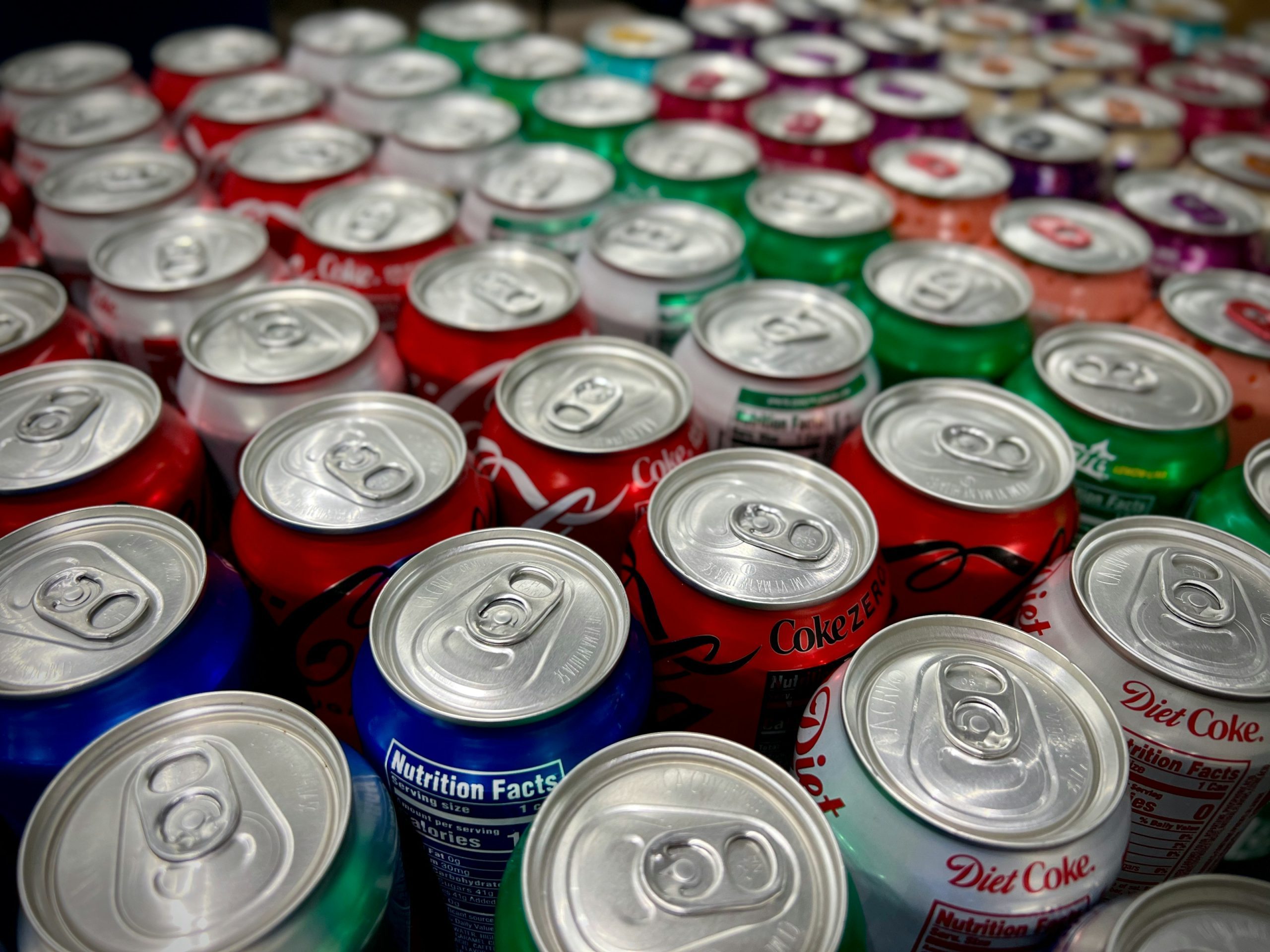
That pressure is especially evident in packaging. Kyle Peacock of Peacock Tariff Consulting, formerly head of trade compliance at Nestlé, has identified packaging as one of the food sector’s most exposed areas. Steel and aluminum tariffs can increase costs for beverage cans, food cans, lids, closures, kegs, and processing equipment.
For a canned soup manufacturer, a sparkling water brand, or a craft brewer, tariff exposure may have less to do with ingredients than with the materials used to package and distribute products. The result can create unintended consequences for domestic food manufacturers.
While tariffs are often designed to support U.S. industry, food companies purchasing domestically manufactured packaging or equipment may still face higher costs if suppliers rely on imported metals or components. Those costs can move through the supply chain and eventually affect production economics, pricing decisions, and capital spending plans.
The reduction in equipment tariffs may provide some relief for ag producers and food processors considering machinery upgrades. But it doesn’t eliminate the planning challenges created by a rapidly changing trade environment.
Stephen Dombroski, director of vertical markets at QAD, has described the situation as a form of “planning chaos,” where shifting tariff policies complicate forecasting, production scheduling, inventory management, and supplier negotiations.
Private‑Label Strength Grows as Tariff Pressures Mount
Many food companies are responding by expanding supplier networks, revising contracts, and reviewing sourcing exposure.
Companies purchasing packaging materials, ingredients, foodservice equipment, or processing machinery are increasingly building contingency plans into procurement decisions.
Naturally, the effects extend well beyond manufacturing plants. Restaurant operators sourcing imported equipment, retailers managing private-label supply chains, and distributors balancing inventory commitments all face greater difficulty forecasting costs months in advance.
When tariff policies change, businesses must quickly determine whether to absorb higher costs, seek alternative suppliers, or pass increases through to customers. Those decisions are becoming more difficult as consumers grow increasingly price conscious.
Marty Bauer of Omnisend has noted continued strength in private-label products and heightened sensitivity to price increases. That leaves branded food manufacturers with less room to offset cost pressures through higher shelf prices, particularly in categories where shoppers can easily switch to lower-cost options.
Domestic suppliers could benefit if customers seek shorter and more predictable supply chains.
Manufacturers with diversified supplier networks, multiple sourcing options, and strong procurement disciplines will likely have an advantage when trade conditions change.
The most vulnerable businesses are those with limited alternatives. Packaging-intensive beverage companies, import-dependent manufacturers, operators relying on single-source suppliers, and businesses making long-term purchasing assumptions based on current tariff structures face greater risk if trade policies shift unexpectedly.
The latest announcements may lower one set of costs and spare several major food imports from another round of duties.
The broader lesson is that food companies can no longer assume trade costs will remain stable over the life of a purchasing contract or capital investment plan.
Whether tariffs ultimately move higher or lower, food industry leaders are increasingly planning for the possibility that trade rules can change before long-term purchasing decisions play out.
The Food Institute Podcast
In this episode of Food for Thought Leadership, Chris Campbell, George Hajjar, and Anna Kinder examine how consumers are adapting to mounting economic pressure, rising gas prices and shifting travel behaviors in 2026. From staycations and micro-vacations to scaled-back road trips and reduced air travel, the FI All-Stars explore how households are reevaluating spending while still searching for meaningful experiences and moments of indulgence.