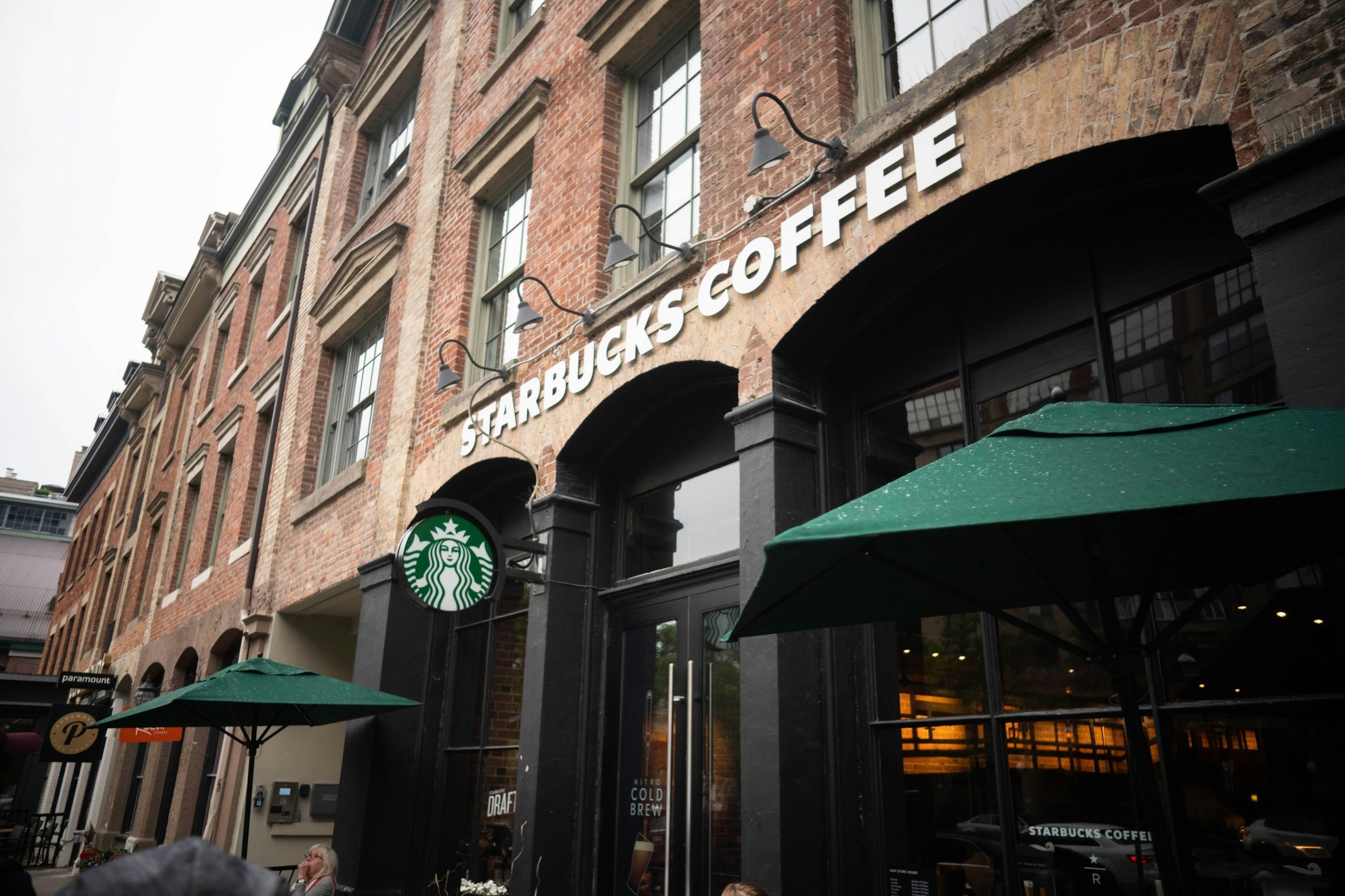
In August 2024, Starbucks announced that it had poached Chipotle CEO Brian Niccol to take the same role at the coffee giant. Investors saw the news as potentially seismic. Starbucks stock jumped 24.5% (yes, 24.5%), adding over $20 billion in market capitalization in a single day.
Chipotle shares, meanwhile, promptly fell 7.5%, with its market value falling nearly $6 billion on the news. Obviously, investors had a huge amount of respect for Niccol’s abilities as a CEO.
But the big jump in Starbucks stock wasn’t just driven by optimism toward what Niccol could do for the business. It was driven, at least in part, by the need for anyone to do something.
Starbucks clearly seemed to have lost its way, and investors had zero confidence in Niccol’s predecessor, Laxman Narasimhan, to make the necessary changes. And though it’s taken some time, investors are starting to see why the CEO change was so important.
In 2026, Starbucks is rolling out targeted refreshes for its coffeehouses and even installing new furniture. But the culture is changing.
Starbucks Rebuilds Service, But Challenges Remain
Niccol didn’t make an immediate impact with Starbucks. In fiscal 2025 (ending September, so essentially Niccol’s first full year), same-store sales globally and in the U.S. were negative. At home, Starbucks saw a 4% decline in traffic, following a 5% fall the year before. But the trend has changed in the first two quarters of this fiscal year.
Second quarter earnings were a blowout: Starbucks crushed analyst expectations, and posted an impressive 6.2% increase in global same-store revenues. In the U.S., the news was even better: traffic jumped 4.4%, with higher tickets driving same-store growth of over 7%.

To hear Niccol tell it, it’s largely basic execution that has driven the rebound. Both after last week’s report and during an Investor Day in late January, the CEO and his fellow executives have talked up essentially a return to the fundamentals.
At the Investor Day, Niccol said that the company had lost its way in service. In response, Starbucks has invested in pay and improved operational planning.
Starbucks also has returned its focus on the in-store experience — something past management unsurprisingly neglected in the post-pandemic era, when health fears and the ‘work from home’ trend shifted traffic to the drive-thru instead of the counter.
That shift threatened Starbucks’ long-time reputation as a “third place” between home and work. Starbucks is rolling out targeted refreshes for its coffeehouses, and even installing new furniture.
Here, too, the culture is changing. Niccol obliquely noted at the event that the company had also instituted a code of conduct for its customers. Early last year, Starbucks reversed an “open door” policy that had been instituted in 2018; customers now must make a purchase to use the restrooms or spend significant time in coffeehouses. The previous policy led to complaints that Starbucks locations too often were occupied by people who presented a potential threat (or at least were seen as presenting a potential threat) both to customers and employees.
Niccol Restores Some Momentum
It seems like – both in the U.S. and abroad – the changes are working. Results in the last two quarters have been solid, and Starbucks recently increased its outlook for the full fiscal year. Same-store sales both globally and domestically are now expected to jump 5%. Profit margins should improve, if slightly.
There’s a sense that Starbucks is going back on offense.
After some Starbucks locations were closed in recent years, net openings in fiscal 2026 are guided to 600-650; another 1,400-plus are expected to arrive in the following two years.
On the whole, then, Starbucks is starting to look like the powerhouse it was before the pandemic. But there are some reasons for concern, as well.
The seemingly strong numbers this year are of course helped by how poor the chain has performed of late. Over three years, global same-store sales should rise about 1% per year on average – below the rate of inflation. U.S. performance in fact looks slightly worse than that.
Operating profit margins are the real concern. In fiscal 2019, operating margins were over 7%. This year, they will be about 10%. Soaring coffee prices (which crushed profits last year; margins fell a full five percentage points) obviously are a factor. But operating profit this year should be down something like 12% from the figure seven years earlier.
Unsurprisingly, declining profits have led to a relatively flat stock price. Even with dividends, Starbucks stock has returned just 28% so far this decade. The Standard & Poor’s 500 is up 139% over the same period.
And so the concern here is that while, operationally and culturally, Niccol may be leading the company, as he himself has put it, “back to Starbucks”, the external environment has changed for good. Competition is far more intense, whether in the U.S. from chains like Dutch Bros or in China from Luckin Coffee and others. Younger drinkers are shifting away from coffee; Starbucks is following those customers, but non-coffee and/or iced drinks erode the company’s long-built edge and reputation in its core category.
Niccol clearly has worked to make Starbucks a better company than it was two years ago. The big fear is whether he can ever make it better than it was a decade ago.
About the author: Vince Martin is an analyst and author whose work has appeared on multiple financial industry websites for more than a decade; he’s currently the lead writer for Wall Street & Main. As of this writing, he has no positions in any companies mentioned.
The Food Institute Podcast
In this episode of Food for Thought Leadership, Chris Campbell, George Hajjar, and Anna Kinder examine how consumers are adapting to mounting economic pressure, rising gas prices and shifting travel behaviors in 2026. From staycations and micro-vacations to scaled-back road trips and reduced air travel, the FI All-Stars explore how households are reevaluating spending while still searching for meaningful experiences and moments of indulgence.