It seems that men are now contending with many of the unrealistic beauty standards women have faced for decades, if not centuries – a phenomenon reflected in a trend dubbed ‘looksmaxxing’ that’s been gaining traction on social media lately.
The Wall Street Journal recently reported that some men – especially the younger and more impressionable ones – have been going to extremes to enhance their physical appearance, engaging in behaviors ranging from disordered eating to ‘bone-smashing,’ a concerning trend involving young men hitting their faces with hammers or other blunt objects to achieve a more chiseled jaw line.
The article drew a distinction between ‘softmaxxing,’ which includes nonsurgical steps like increasing protein intake, lifting weights, or using skin-care products, and ‘hardmaxxing,’ which encompasses riskier methods like bone-smashing or plastic surgery.
This article will primarily focus on softmaxxing due to its relevance to the food and beverage industry – particularly the functional beverage space.

The ‘Beauty From Within’ Movement
In its “Food and Drink Mega-Trends for 2026/27” report, Mintel identified functional drinks that promote ‘beauty from within’ as a mega-trend, asserting that, while many consumers are aware of the relationship between gut and skin health, the market hasn’t caught up.
“The gut-skin axis is real science, and it applies equally regardless of gender, so the clinical case for these products isn’t new. What’s new is the marketing language,” said Kristen Kuminski, RD, CDN, a registered dietitian nutritionist specializing in metabolic health, weight management, and nutrition support for GLP-1 users.
Kuminski added that she’s noticed that men are gravitating toward many of the same products that have been marketed to women for ages, including collagen, electrolytes, and gut-health drinks; however, they’re being repositioned around performance and longevity instead of appearance in marketing.
Several experts that I interviewed echoed this sentiment, including Lily Shapiro, a pharmacist specializing in nutritional dermatology and the founder of ATIKA, a brand that promotes skin longevity through clinical nutrition.
“Men are often more comfortable buying products when the language is performance-based: recovery, hydration, protein, metabolic health, longevity, biomarkers, sleep, inflammation, training output,” Shapiro told FI.
She added that, despite this distinction, men’s deeper motivation for investing in such products often closely resembles the underlying desire that’s driven women’s beauty spending for decades: looking younger and more attractive, as well as feeling more rested and more in control of aging.
“The difference is in the packaging: women are sold beauty; men are sold optimization,” Shapiro explained – a shift that she feels has created real opportunities within the functional beverage segment.
Shapiro believes that the most successful products will be the ones that can meaningfully connect appearance to function and tout benefits like:
- Protein for muscle and body composition
- Hydration for performance and skin
- Antioxidants for oxidative stress
- Collagen peptides for skin structure
Chris Kong, founder and CEO of WEL, a clean hydration brand targeting skin health, believes that hyaluronic acid and ceramides are the most underutilized ingredients in men’s functional beverages, as they’ve mostly been a part of skin-care formulations until recently.
“The opportunity is moving these active ingredients from topical to ingestible. The older men get, the more these ingredients matter: skin loses its ability to retain moisture naturally over time, and the men who are thinking about longevity and aging well are increasingly aware of that,” Kong told FI.
So, do these beverages actually work?
“From a nutrition standpoint, a lot of these beverages are overhyped, relative to what whole food sources can do for skin, recovery, and aging,” Kuminski told FI.
“Collagen peptides have decent evidence behind them. A lot of the other ingredients in premium wellness drinks are riding the trend more than the research,” the dietitian added.
Best Practices for Functional Beverage Brands
For companies hoping to capitalize on the momentum of the ‘beauty from within’ movement, which encompasses all genders, Mintel’s report offered the following tips:
- Move beyond surface-level claims: Design drinks that go beyond “glowing skin” messaging by highlighting functional benefits across beauty, digestion, and overall wellness.
- Target dual-action benefits: Combine skin-supporting ingredients (like collagen or hyaluronic acid) with gut-balancing prebiotics, probiotics, or postbiotics in a single, drinkable format.
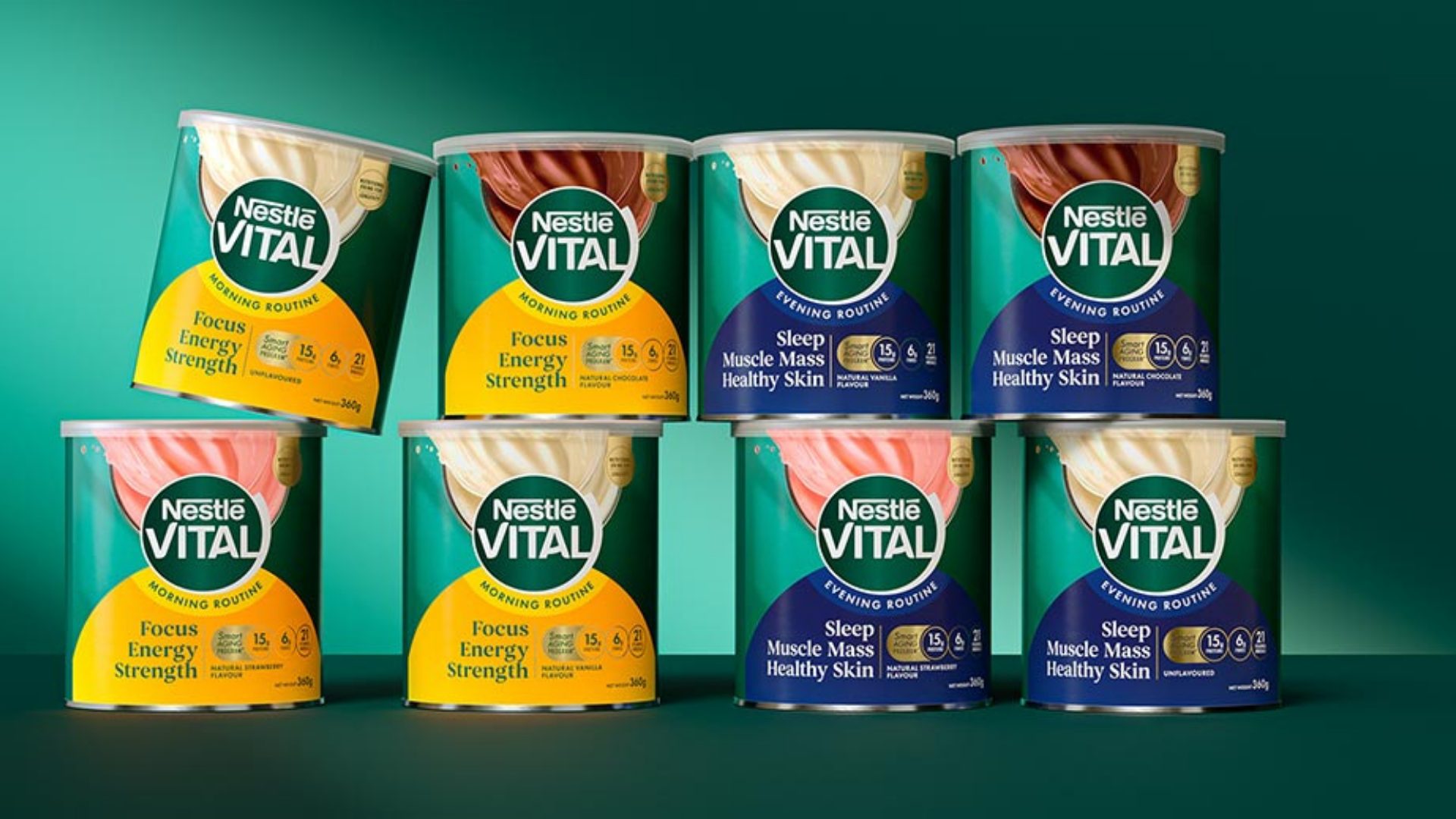
- Support the full gut-skin cycle: Target daily routines (e.g. morning + evening beverages) that optimize digestion, microbiome balance, and skin outcomes.
- Make it convenient: Provide clear guidance on the gut-skin axis, suggest personalized usage based on skin type or wellness goals, and offer in RTD formats to drive consistent use.
- Enable measurable, personalized results: Integrate science-backed ingredients and encourage self-tracking via apps and wearables.
The Food Institute Podcast
At SIAL Canada 2026 in Montreal, Food Institute VP of Content and Insights Chris Campbell sat down with Mathieu Brisson, Global Sales Lead at Prestige Maple, to discuss how the company is transforming maple products for a rapidly evolving global food and beverage market.