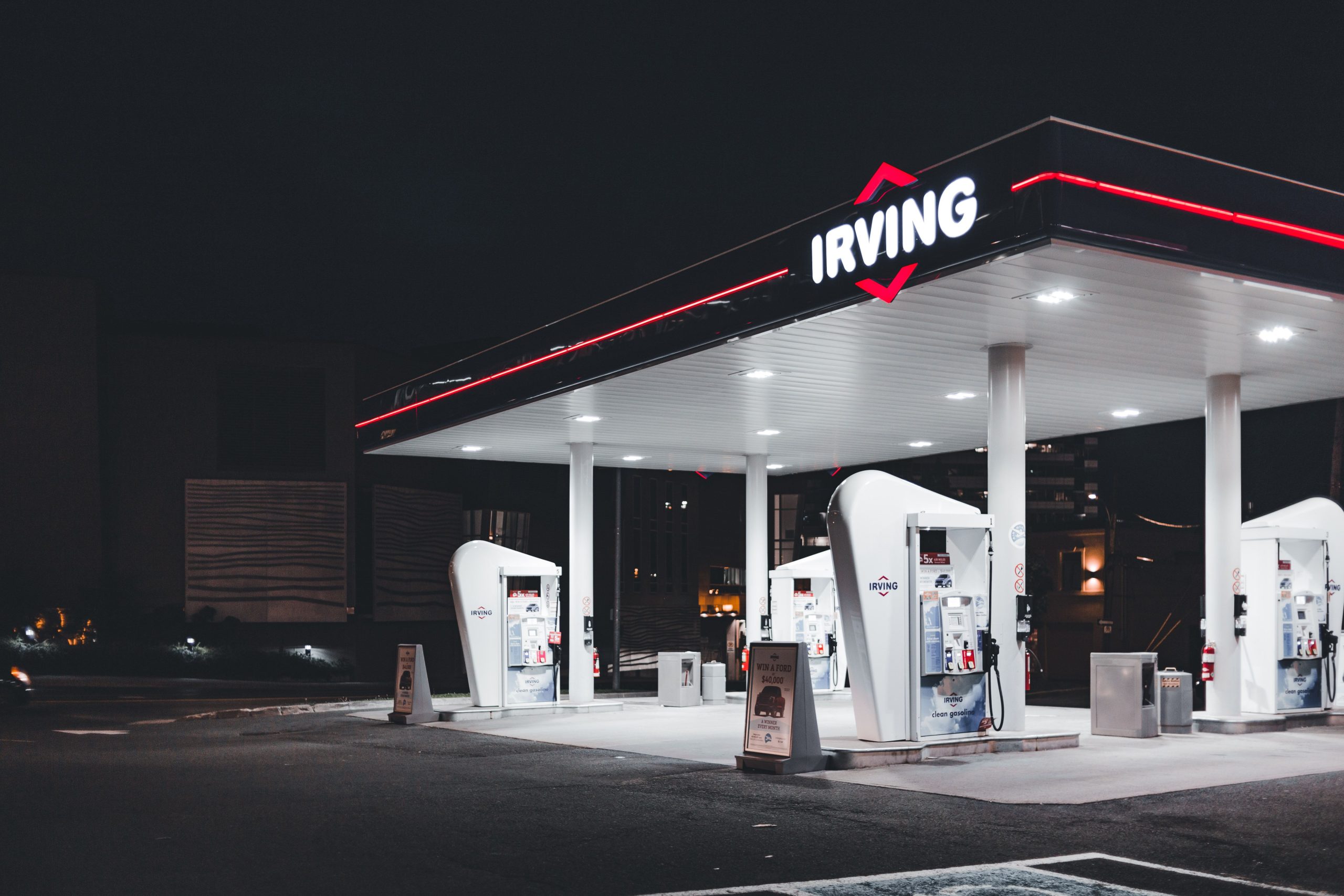
In my neck of the woods, Oklahoma City, many – if not most – of the convenience stores are equipped with drive-thru windows at this point, which isn’t the norm for the majority of my colleagues, who primarily live on the East coast.
I’d imagine this is partially because most OKC residents own motorized vehicles, as it’s one of the largest U.S. cities in terms of land mass and also has one of the worst public transportation systems in the nation.
However, it appears that demand is rising for C-store experiences that don’t require customers to leave their vehicles in every region of the U.S.
In a national survey by Vontier, nearly half (47%) of respondents said they want to be able to purchase snacks, beverages, and everyday essentials directly at the fuel pump or EV charger, marking the rise of what Vontier has dubbed the ‘Amazonification’ of the forecourt, where “every pump is expected to behave like a drive‑thru without the lane, the window, or the wait.”
It’s clear that speed remains non-negotiable, as more than 90% of drivers tend to spend fewer than 10 minutes on site, while 44% spend under five.

Small, Immediate Perks
These consumers also want “small, immediate rewards,” with more than half of survey participants expressing that loyalty programs offering perks like free coffee or snacks are more appealing – a sentiment that’s even stronger among Millennials and Gen Z.
“Overall, convenience stores are removing friction from the transaction for the customer, and technology is definitely the biggest driver,” said Jeff Rubin, SVP of Fuels for Upside.
He noted that pay at the pump was a key innovation because it let customers fuel up without waiting inside, and interestingly, in-store sales actually increased for many operators after launching the service.
“Once customers no longer had to stand in line just to pay for gas, people came inside because they wanted to shop, not because they had to,” Rubin told FI.
Looking ahead, Rubin believes that technology will remain integral in improving the customer experience.
So, which innovations are showing the most promise?
A Frictionless Future, Fueled by Tech
Rubin expects that self-checkout, AI, robotics, and other forms of automation will help shorten transactions even further.
“Unique partnerships that give value to customers and keep them coming into stores while fuel purchasing decreases will be an important innovation, as will the continued evolution of a C-store’s assortment,” added Patrick O’Mara, Director of Solution Principals at RELEX Solutions.
Bill Miller, President and GM of GK Software USA, one of the top POS and loyalty providers for US C-store chains, noted that C-stores are some of the most complex environments in retail due to light staffing, which has made it imperative for them to remove friction wherever possible.
These efforts can include:
- Reducing complexity by deploying a single POS platform that can run all touchpoints in the store, rather than multiple POS systems for different tasks
- Deploying computer vision/AI at the self-checkouts that catch errors before customers walk out the door
- AI-driven pricing that keeps fuel and merchandise competitive in real time
- Agentic tools that give employees quick answers to questions that would have required them to ask a manager or search through a manual to figure out in the past
Miller believes agentic AI is going to be a particularly useful tool in stores where employees “wear many hats.”
“When a new employee can ask a question on their POS or mobile device and get an accurate, quick answer, like troubleshooting the coffee machine, for example, this creates real efficiency and customer service improvements,” Miller told FI.
Computer vision is another area to watch, which Miller says is expanding beyond loss prevention into inventory and operational intelligence.
“Someone is going to figure out additional use cases that nobody has even thought of yet, and that’s going to be really interesting,” he explained.
Kevin Farley, Chief Customer Officer at InStore.ai and a 25+ year convenience retail veteran who’s served as Chairman of the NACS Supplier Board, added that another major opportunity lies in understanding customer demand that doesn’t appear in the POS data.
“Every day, customers ask for products that are out of stock, unavailable, or not carried by the store. That conversational data typically disappears once the interaction ends, even though they represent missed revenue opportunities,” Farley told FI.
“As retailers gain better visibility into these requests, they’ll be able to improve assortment decisions, reduce out-of-stocks, and increase basket size based on what customers are actually asking for, not just what they purchased.”
Food for Thought Leadership
In this episode of Food for Thought Leadership, FI VP of Content and Insights Chris Campbell sits down with FI CEO and Managing Partner Brian Choi to examine the growing disconnect between economic headlines and the reality facing consumers and food businesses. The discussion explores why declining gasoline prices and moderating CPI figures fail to capture persistent food inflation, weakening consumer sentiment, and the financial pressures driving more Americans to rely on debt to purchase groceries.