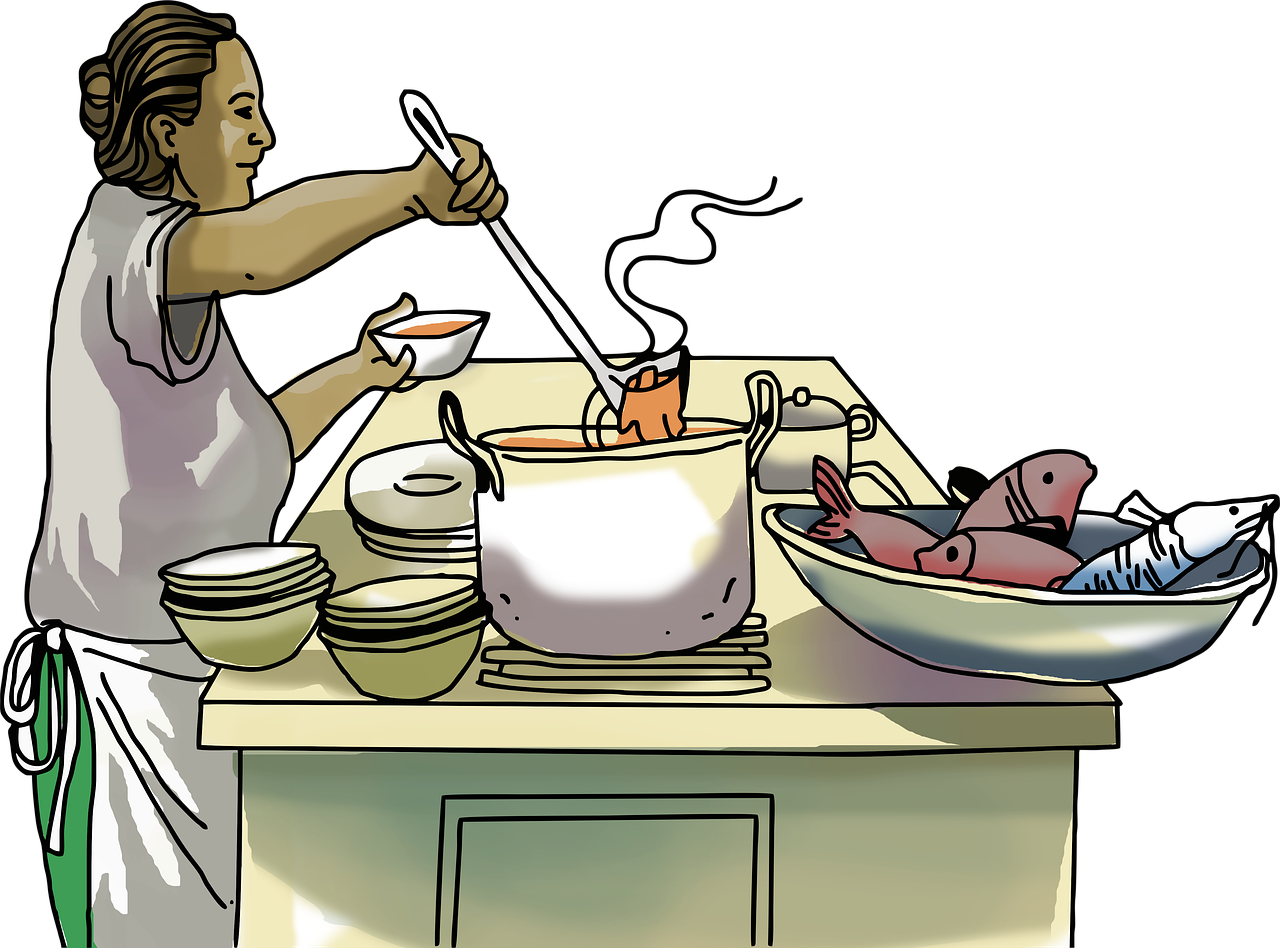
Though “grandmacore” originated as a grandma-inspired internet aesthetic often paired with so-called ‘grandma’ hobbies like pickling or knitting, the trend has officially crossed over into the culinary realm, as reported by The Wall Street Journal.
Yelp identified grandmacore as a 2026 dining trend in January, describing it as a “cozy trend encouraging diners to step out of their fast-paced lives for old-fashioned, slow-cooked family recipes made with simple ingredients” often served on “charmingly mismatched dinnerware in warm settings that remind them of simpler times.”
Beyond the doilies and kitschy antiques, restaurants worldwide are satisfying cravings for grandma-style cooking (aka nonna-stalgia) with comforting dishes like scratch-made strudel and lasagna.

Chef Maricel Gentile, a cookbook author and the owner of Maricel’s Kitchen in East Brunswick, New Jersey, grew up in the Philippines, where her “lola” (or grandmother) taught her to cook.
“Her ways still guide how I cook, teach, and welcome people today,” Gentile gushed.
“Grandmacore feels personal to me because, for many immigrant families, this is not a trend. It is how we have always cooked and cared for one another.”
As an old soul who recently caught herself uttering the phrase, “They just don’t make furniture like they used to,” I’m fully on board with this trend – and brands should be, too, as it has serious staying power, psychologically speaking.
The Role of Emotional Eating
Full-service product development house Rubix Foods contends that the dining trend is deeper than a desire for comfort foods for nostalgia’s sake, with ‘emotional eating’ emerging as another key driver.
The company’s recent Restaurant Motivations study revealed how mood is increasingly driving dining decisions.
Over half of survey respondents reported that the strength of their food cravings often mirrors the strength of feelings like stress or boredom, with one in five believing certain foods or drinks can genuinely improve their mood, and 35% admitting that their orders depend entirely on their moods.
Other eye-opening stats include:
- 49% of diners repeatedly order new menu items if they become comfort foods
- 24% can name a restaurant that reminds them of a specific memory or person
- 23% believe settings can make food and drinks feel more satisfying or enjoyable
Additionally, 32% of participants said they turn to a certain restaurant specifically for comfort, while 23% flock to restaurants that feel nostalgic to them.
Rubix cited Taco Bell as an example of a brand that’s deliberately leaning into emotional eating via its recent L.O.C.O.S. platform, which claims to support “fans in their feels.”
Cravings for Connection
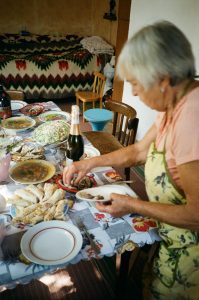
Chef Gentile believes the trend is also being fueled by the desire to connect with others – especially as the world grows increasingly disconnected from AI, social media, and other technological advancements.
“The questions I get asked are always about my history, where I came from, and where my lola came from,” Gentile said, noting that this is particularly true for Gen-Z diners.
And for many customers, the enjoyment is less about discovery and more about familiarity.
“The greatest compliment I receive from any of my guests is that the food reminds them of their parents or grandparents cooking,” Gentile said.
Tips for F&B Brands
For brands hoping to capitalize on the grandmacore dining trend, the experts offered the following tips:
- Start with sauces: Rubix recommends for restaurants and F&B brands to start with lower-stakes strategies like incorporating grandmacore flavors into classic menu items through sauces, condiments, infused butters, and other enhancers, as 44.5% of respondents prefer restaurants that improve familiar favorites over chasing trends.
- Stick with simplicity: Chef Gentile noted that, because her chicken adobo recipe only contains simple ingredients like chicken, vinegar, soy sauce, garlic, black pepper, bay leaves, and thyme, she’s able to explain it to guests in just a couple of words.
- Be respectful and authentic: Gentile feels that grandmacore dining only works when restaurants and brands are dedicated to protecting the dignity of the people and cultures behind the food by crediting cooks, telling stories correctly, keeping recipes honest, and making guests feel welcome.
“For me, the best grandmacore meal does not make you feel like you visited the past. It makes you feel cared for in the present,” Gentile told FI.
Food for Thought Leadership
In this episode of Food for Thought Leadership, FI VP of Content and Insights Chris Campbell sits down with FI CEO and Managing Partner Brian Choi to examine the growing disconnect between economic headlines and the reality facing consumers and food businesses. The discussion explores why declining gasoline prices and moderating CPI figures fail to capture persistent food inflation, weakening consumer sentiment, and the financial pressures driving more Americans to rely on debt to purchase groceries.