Gen Z is a big fan of fun textures and multisensory dining experiences. However, the generation isn’t big on cooking.
In a recent survey commissioned by the Global Shrimp Council, 34% of Gen Z survey participants said they’ll order takeout when they can’t decide what to cook, while 21% are willing to skip that particular meal entirely.
And when they do cook, 64% said they either always or often make the same meals, compared with the national average (52%).
These findings reflect a broader shift toward a ‘modular’ eating style among the generation.

According to the study, 62% want dinner on the table in 20 minutes or less, and almost half (47%) said that protein content influences the meals they choose.
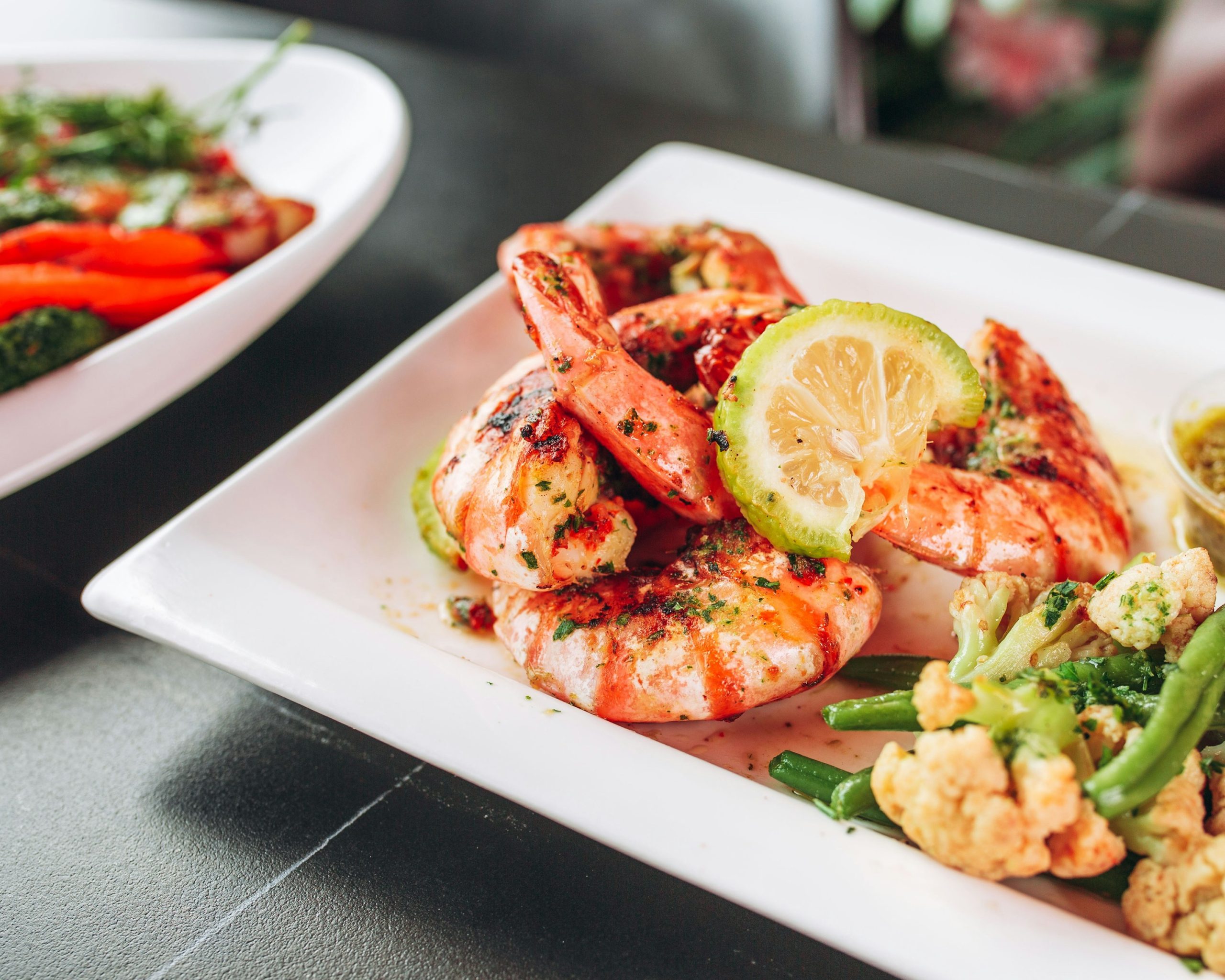
This has in turn increased the appeal of shrimp among Gen Z, with 74% of respondents saying its inclusion in the USDA’s nutrition guidance has positively changed their perception of its health benefits.
Gabriel Luna, co-founder of the Global Shrimp Council, sat down with FI to dig into these findings.
Convenience Meets Protein
Luna believes that one major reason Gen Z is so drawn to shrimp is that it satisfies growing demand for both convenience and protein.
“Shrimp fits perfectly with how younger consumers want to eat today. They’re looking for food that is healthy, delicious, and fast, delivering big protein with low calories, and shrimp delivers on all of that. It cooks in just a few minutes and works across virtually any cuisine,” Luna told FI.
However, there are still opportunities for brands to educate the demographic on preparation methods to help these younger consumers hone their cooking abilities, as Luna feels that a lack of confidence is their biggest barrier.
“A lot of people assume shrimp is expensive, tricky to handle, or easy to overcook, when in reality, it’s one of the simplest proteins you can buy,” Luna explained.
To combat these concerns, he tells people to look at the shape: While a ‘C’ shape means it’s cooked, an ‘O’ indicates overcooking.
“As an industry, our job is to strip away that intimidation through short video clips, foolproof cooking cues, and clear packaging instructions,” Luna told FI.
“If we help a consumer succeed the first time they cook shrimp at home, they’ll realize how easy it is and make it a staple in their routine.”
Luna believes another reason shrimp is ideal for folks building confidence in the kitchen is that it doesn’t require complicated knife skills or long marinades.
“You can sear it with garlic, throw it in tacos, toss it into pasta, or add it to a quick stir fry. These are 10-minute meals. Once a beginner masters one basic skillet technique, they realize they can take that exact same shrimp and adapt it to almost any flavor profile they like,” Luna explained.
Versatility Without Complexity
Given that Gen Z is more likely than the national average to turn to takeout or even skip meals when unsure about what to cook, shrimp’s versatility is another selling point.
“It’s a complete flavor chameleon. You can take the exact same bag of shrimp from your freezer and make three entirely different meals during the week without learning a single new cooking technique,” Luna said.
“Monday it’s tacos, Wednesday it’s a quick stir fry, Friday it’s garlic pasta. All you’re changing is the sauce or seasoning.”
The organization is leveraging these findings to build awareness, share recipes, and provide educational content to meet younger consumers where they are via its “Happy Protein” campaign.
Food for Thought Leadership
Joe Slater, President and CEO of Gleaners Food Bank of Indiana, talks about the changing realities of food insecurity and how food banks are evolving to meet growing demand. Slater explains that today’s food-insecure population increasingly consists of working adults holding one or more jobs, as rising living costs outpace wages and changes to federal assistance programs leave many households with few options.