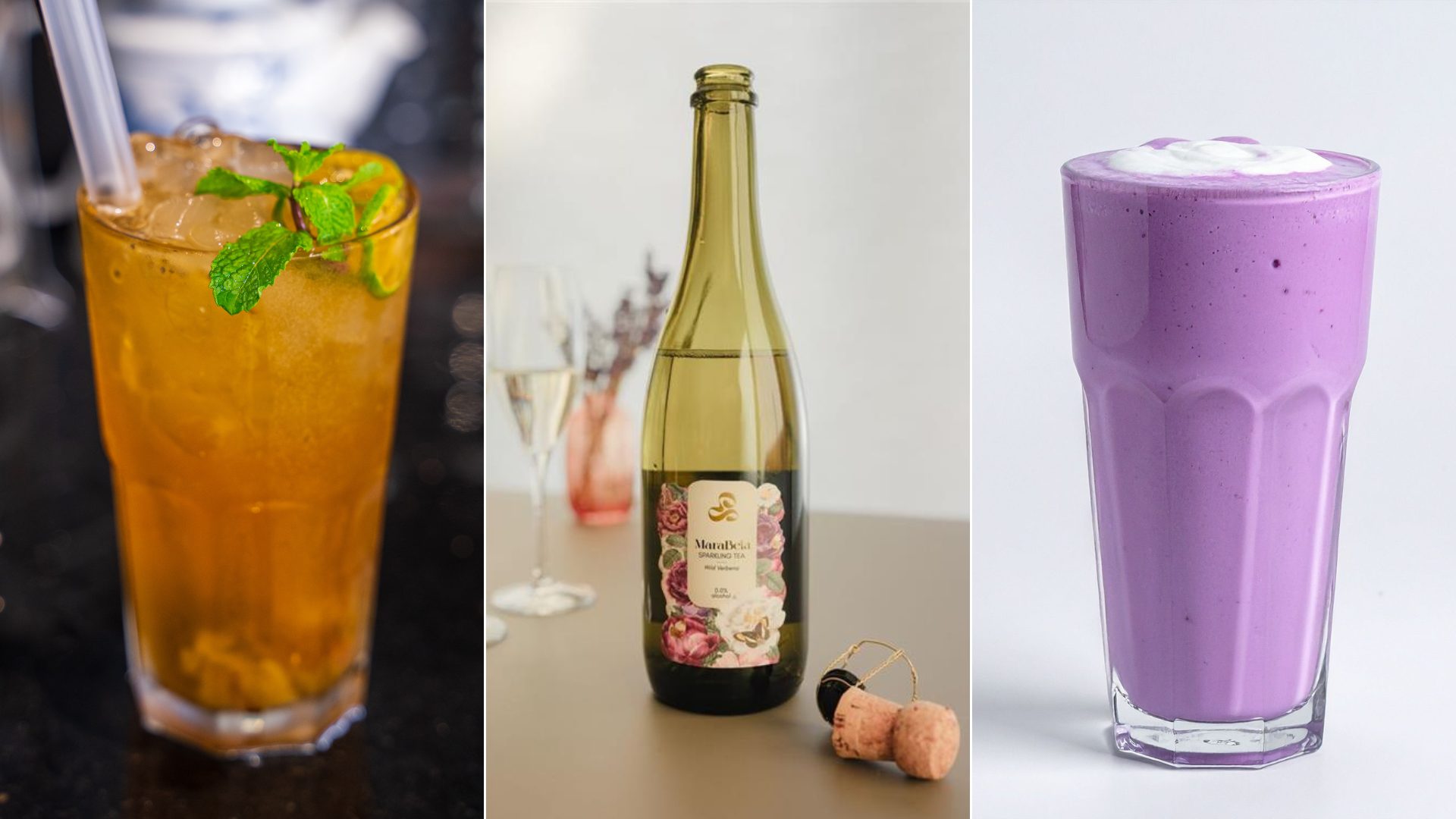
As interest in global flavors continues to grow, root vegetables and exotic citrus fruits – staple ingredients in certain cuisines – have become increasingly popular in the beverage space alongside rising use of technologies like fermentation and force carbonation.
Marty Bauer, e-commerce and retail expert at Omnisend, believes that such trends reflect a broader shift within the beverage market as the line between “health drinks” and “indulgent beverages” continues to blur.

“Modern consumers are much more aware of their calorie and sugar intake, as well as the quality of the ingredients in their drinks,” Bauer explained.
“Hyper-sweet beverages with lots of artificial additives are rapidly losing popularity.”
With this in mind, Bauer said, “it’s easy to see how ingredients such as root vegetables, exotic citrus fruits, and different fermentation techniques can make a beverage stand out.”
Mark Gillilan, CEO and founder of Kyoto Botanicals, noted a similar evolution in non-alcoholic beverages.
“The biggest technological/flavor innovation in the NA space is soluble adaptogenic extraction, allowing menus to finally move beyond substitutes and sugar and into functional bases with umami taste profiles that can match the food,” Gillilan told FI.
Regarding the umami aspect, I explored that particular flavor profile in an article I wrote about rising interest in savory beverage flavors, which also covered earthy profiles… and what’s earthier than a root vegetable?
#1. Root Vegetables
Innova Market Insights identified root vegetables in its Global Beverage Flavor Trends 2026 report, and while the trend pertained to hot drinks specifically, I’ve spotted it in beverages of all temperatures.
Starbucks, for instance, introduced an Iced Ube Coconut Macchiato and Ube Coconut Cream Cold Foam as part of its 2026 spring menu.
While Bauer pointed out that root vegetables aren’t new to the beverage space, they are being used in new contexts.
“Ube and taro are popular bubble tea flavors, and amateur athletes have been adding beets to their pre-workout drinks for years. Now, they’ve also found their way into other beverages,” Bauer told FI.
On the foodservice side, Denver-based Safta debuted a beet-forward cocktail dubbed C’est La Beet this year, while NYC-based Little Big launched one simply called Carrot featuring gin, a white Negroni, carrot juice, and cilantro.
Pittsburgh’s Scratch & Co. also introduced a Radish Spirit cocktail made with aquavit, a Scandinavian distilled spirit, plus watermelon radish, tarragon, sweet vermouth, lemon, and bitters, which is an excellent segue into our next trend.
#2. Exotic Asian Citrus
Innova’s report also touched on rising interest in “exotic” East/Southeast Asian citrus flavors like kumquat, calamansi (alternatively kalamansi), and makrut (aka kaffir) lime.
Bauer believes the popularity of these fruits is long overdue, as lemon, lime, grapefruit, and orange have been overused.
“There are many more fruits with more notes, aromas, and flavors,” he argued.
Recent examples reflecting this trend include Toronto-based Ginny’s Blueberry Lavender Calamansi canned mocktail, as well as two cocktails from NYC-based Double Chicken Please: the Tomajito featuring tomato vine, tomatillo, mint, and makrut lime leaf and the Papaya Salad made with tequila, fish sauce tamarind, kumquat cherry tomato, and coconut.
Yuzu is also emerging in intriguing formats like SummerFall’s Yuzu Bubbles, a sparkling sake made with cold-pressed yuzu juice, and Pari’s Slice of Spice, a lightly carbonated, yuzu-chili-flavored NA beverage.
Speaking of carbonation…
#3. Force Carbonation and Fermentation
The report also noted that fermented beverages are continuing their growth arc, with kombucha leading the pack but alternatives like water kefir emerging to round out the category.
Bauer says fermentation in general has evolved, now serving as a flavor modifier in addition to its role in production.
“Different microorganisms can turn sugars into different-tasting acids. Beverage producers are constantly experimenting with these microorganisms and various carbonation methods that can significantly alter taste and texture,” he explained.
Force carbonation, which involves adding carbon dioxide gas to liquids under pressure to create bubbles rather than natural fermentation, is also on the rise.
MaraBela utilizes this technique to produce its premium sparkling beverage made with organic teas and botanicals. I sampled it recently and can confirm it is delicious as someone who no longer drinks sparkling wine or champagne but still enjoys the ritual of it.
“Up until now, most NA alternatives were more suited for the bar, but the occasion moved from the bar to the dinner table, which is a much harder brief,” said co-founder Jesús Martínez Bujanda.
“A bar drink needs to work for twenty minutes; something that sits on a table has to hold up across three courses without going sweet or thin. Tea is unusually well-suited to it: natural tannin, aromatics, texture. Coming from wine, we knew what we needed the liquid to do at the table. Tea is what let us do it,” Bujanda told FI.
Food for Thought Leadership
Brittany Borer, The Food Institute’s meteorologist turned food reporter, talks about the potential arrival and implications of a Super El Niño. Learn how elevated temperatures, heavier precipitation, flooding, drought conditions, and ongoing water-management challenges in the American West could impact the food industry.