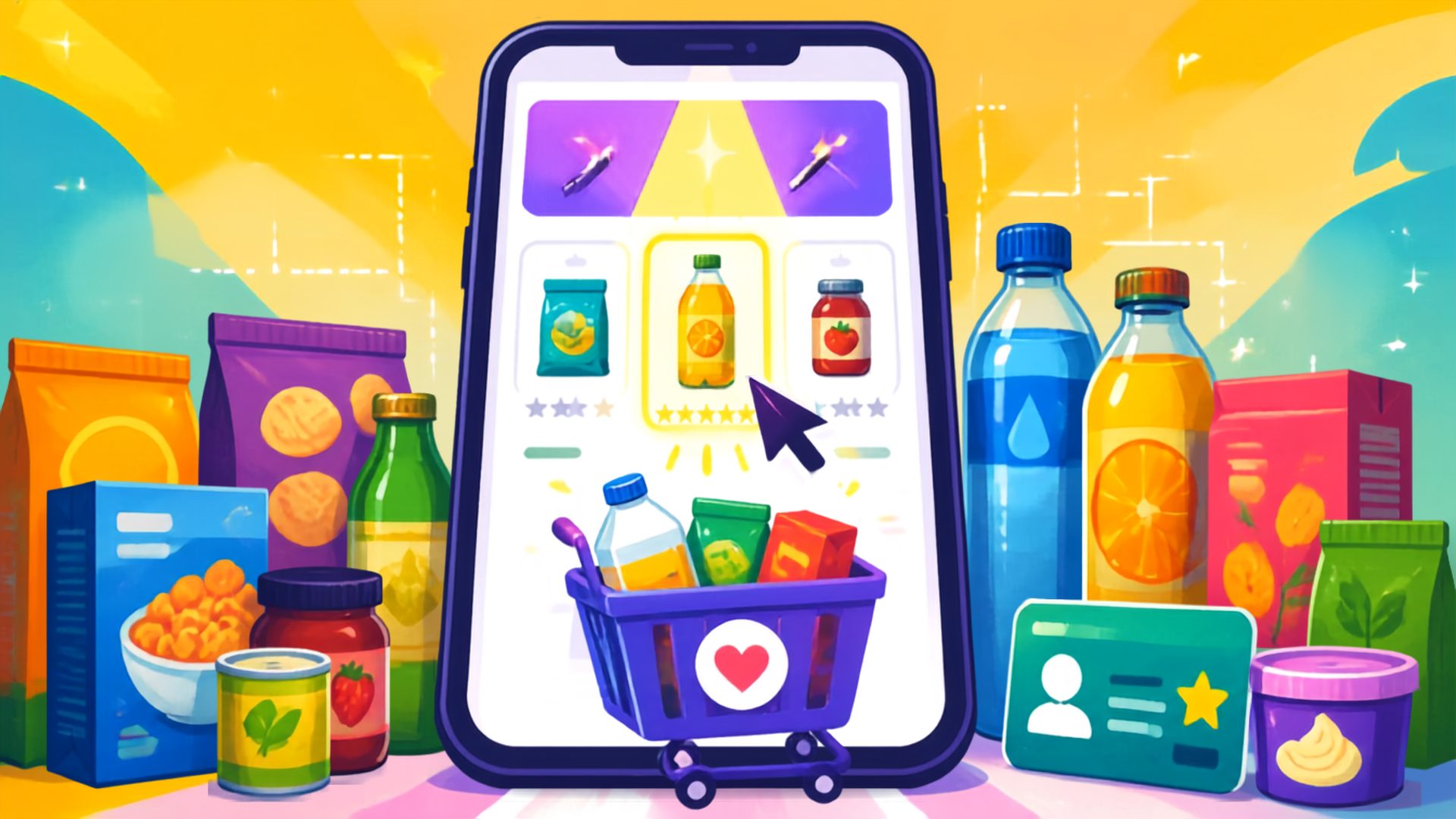
AI search technology is rapidly changing where and how consumers discover and choose products. The catch? Winning a particular product recommendation doesn’t necessarily equate to winning a loyal, long-term customer relationship.
A recent Reuters article highlighted how retailers including Walmart are responding to this tension, attempting to optimize for ChatGPT and Gemini while simultaneously working to ensure that transactions occur on their own sites to enable them to continue collecting browsing and purchasing data.
And in a separate Reuters article, payments firm Adyen described how merchants are becoming increasingly worried that the ability of AI shopping assistants to recommend products, choose sellers, and initiate payments could lessen their level of direct contact with buyers.
These developments demonstrate the growing influence of answer engine optimization (AEO) and generative engine optimization (GEO) on not only website traffic but also commerce and customer-data collection, which F&B industry leaders should not overlook.
What’s the Difference Between AEO and GEO?
In a recent webinar entitled “AEO: It’s Not As Tough as You Think,” two presenters affiliated with AirOps, CMO Christy Roach and Head of Search Marketing Josh Spilker, explored the impact of these AI-driven changes on marketing strategies and performance metrics.
In simple terms, AEO tactics aim to make content easier for answer engines to extract and use in direct responses.
GEO strategy, on the other hand, is a bit broader, as its primary goal is to increase the likelihood that a brand or source will be mentioned, cited, and trusted within conversations between users and large language models like ChatGPT or Claude.
While both of these disciplines overlap heavily, they’re similar in that they reflect a stark departure from traditional search engine optimization (SEO) methodology – especially its laser focus on website ranking.
According to AirOps’ GEO Strategy Playbook, SEO earns a position on a results page, while GEO earns a place inside the answer itself.
So, how might this apply to F&B brands?
One example of a strategy adapting to this shift would be a brand optimizing not just for key phrases like “best protein bar” but also for conversational prompts such as “What high-protein snack has less than five grams of sugar and no artificial sweeteners?”
“Questions are now the new keywords,” Spilker said during his portion of the presentation, recommending for businesses to leverage formats that models can parse quickly, including question-style headers, direct answers, short sentences (8-10 words), lists, and tables.
The New Data Tradeoff
Though discovery is still obviously relevant, the bigger shift may actually take place in the phase that follows.
“We’re moving to a world where somebody could choose to purchase from you without ever hitting your website,” Roach contended during her presentation.
This prospect offers clues as to why the aforementioned retailers are working so hard to protect their checkouts and customer relationships while also welcoming the influx of AI-driven demand.
Ulta Beauty, for example, has partnered with Google to integrate its shopping cart and rewards program into Gemini, though it still prefers its customers to complete purchases on its website.
Meanwhile, OpenAI opted to forgo its Instant Checkout approach in March in favor of a shift toward product discovery paired with merchant/marketplace checkouts.
The experts indicated that the most successful companies will be the ones that simultaneously work to make their products easy for agents to understand while deploying strategies for cultivating owned relationships.
This approach could include:
- Loyalty-account linking where platforms support it
- Post-purchase email or SMS opt-ins
- Subscription enrollment
- QR codes on packaging
Key Takeaways for F&B Brands
To reduce overwhelm, the AirOps execs recommended for companies to kick off their optimization efforts by targeting their highest-value webpages.
The brand’s research revealed that webpages incorporating FAQs, clear headings, lists, and tables appear most frequently in ChatGPT-cited content, with nearly 80% of cited pages including lists or tables.
But websites are only one part of this effort, as AirOps also found that 85% of brand mentions in AI searches happen off-domain, demonstrating the increasing influence of reviews, media coverage, and mentions in forums like Reddit.
“AI agents and LLMs run on trust,” Roach said. “They are more likely to trust what the internet says about you than what you say about yourself.”
The presenters also shared the following tips:
- Refresh important pages regularly.
- Publish information that adds something new.
- Make pricing and comparisons easy to extract.
- Keep brand positioning consistent across channels.
- Track mention rate, citations, sentiment, and prompt-level visibility.
Food for Thought Leadership
Brittany Borer, The Food Institute’s meteorologist turned food reporter, talks about the potential arrival and implications of a Super El Niño. Learn how elevated temperatures, heavier precipitation, flooding, drought conditions, and ongoing water-management challenges in the American West could impact the food industry.