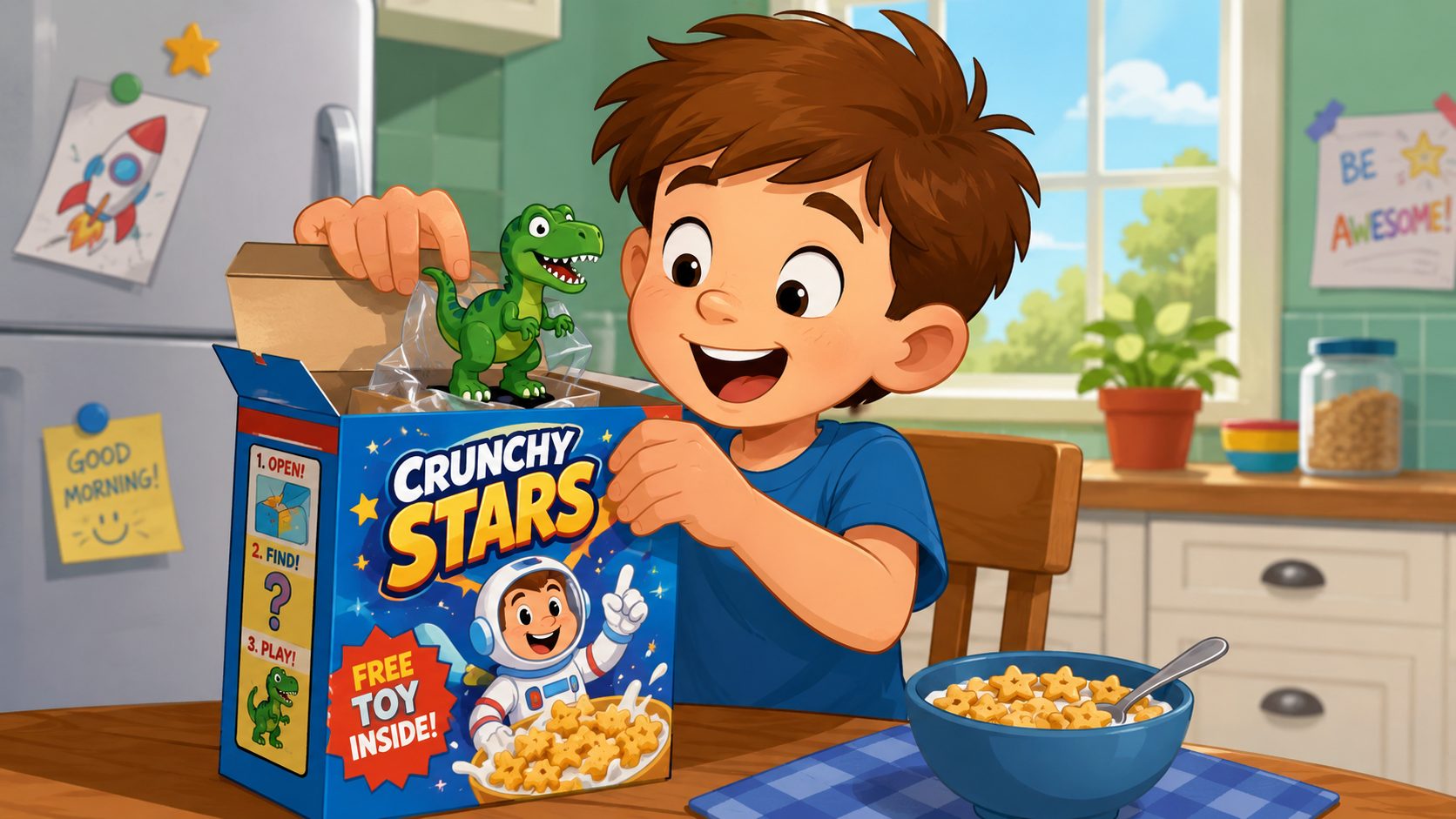
With cereal sales in decline, toys inside the box are making a comeback.
In what could be a response to declining sales, WK Kellogg is putting toys back inside boxes of Frosted Flakes and Fruit Loops, in the form of collectable spoons shaped like Toy Story 5 characters, according to Food Dive.

The move seems to capitalize on childhood nostalgia of the 1980s and ‘90s, but will the move pay off?
Cereal sales have been on the decline for years. General Mills, for example, reported a 2% decrease in net sales at the end of 2025 and operating profit was down 4%, according to Mary Bauer, e-commerce & retail expert at Omnisend.
“We live in an increasingly health-obsessed era, and it would appear that sugary cereals with low nutritional value are losing their appeal. Needless to say, cereal companies are scrambling to adjust,” Bauer told The Food Institute.
Mary Delano, chief marketing officer at Moosylvania, said families are simply choosing other breakfast options that are easier and healthier.
What Happened to Cereal Toys?
Lynn Rosenblum, associate professor of toy design at Otis College of Art and Design in Los Angeles, says that cereal companies are bringing toys back because they know people have fond memories of them.
“Parents today, especially Millennials and Gen X, remember the excitement of finding a prize in the cereal box, and now they have the same opportunity to recreate that experience with their own children,” Rosenblum said. “Kids also love the surprise of discovering something unexpected, whether it’s in a cereal box or a blind-box collectible.
“(Offering toys) is a tried-and-true idea that connects generations and makes an everyday product feel more fun.”
Adding nostalgic toys can be an effective way to boost cereal sales. These days, brands should use every opportunity they can to create meaningful moments that help them connect with their consumers on a personal level, said Dr. Amanda Ledet, senior marketing instructor at Louisiana State University.
The Toy Story: We’ve Seen This Movie Before
If brands offer an everyday item that can be used repeatedly, it becomes a subconscious part of consumers everyday routine – and inspired repeat purchases as a result.
The toys tend to excite kids, while bringing a sense of nostalgia to parents. However, the strategy only works if cereal brands modernize the idea around today’s culture of surprise, collectability and sharing.
“I think (the strategy) will fall flat if they just repeat what they did decades ago,” Delano said. “From a sales perspective, this could create an immediate lift and even encourage families to purchase multiple boxes to complete a collection or find a rare item.”
But, she added, “I don’t think the toys alone will produce long-term growth.”
Experts feel its imperative that cereal brands inspire repeat purchases. For sustained growth, cereal brands must understand and address why consumption has declined, whether that’s nutrition, convenience or just changing breakfast habits, Delano said
“They should also reconsider the role cereal can play in people’s lives,” she said. “Rather than focusing exclusively on breakfast, there may be an opportunity to position cereal as an afternoon snack, late-night treat or maybe even dessert.
“Toys can reignite interest, but lasting results will come from making cereal fit within consumers’ lives again.”
The consensus among industry insiders: adding toys will likely provide cereal brands with a brief boost, but nothing more.
“Nostalgia quickly dissipates. The question is what comes after,” Bauer said. “The future of cereal companies will depend not on toys but on their ability to convince health-conscious parents that their products are a good choice for their children.”
Editor’s Note: The header image for this article was generated via ChatGPT.
Food for Thought Leadership
Joe Slater, President and CEO of Gleaners Food Bank of Indiana, talks about the changing realities of food insecurity and how food banks are evolving to meet growing demand. Slater explains that today’s food-insecure population increasingly consists of working adults holding one or more jobs, as rising living costs outpace wages and changes to federal assistance programs leave many households with few options.