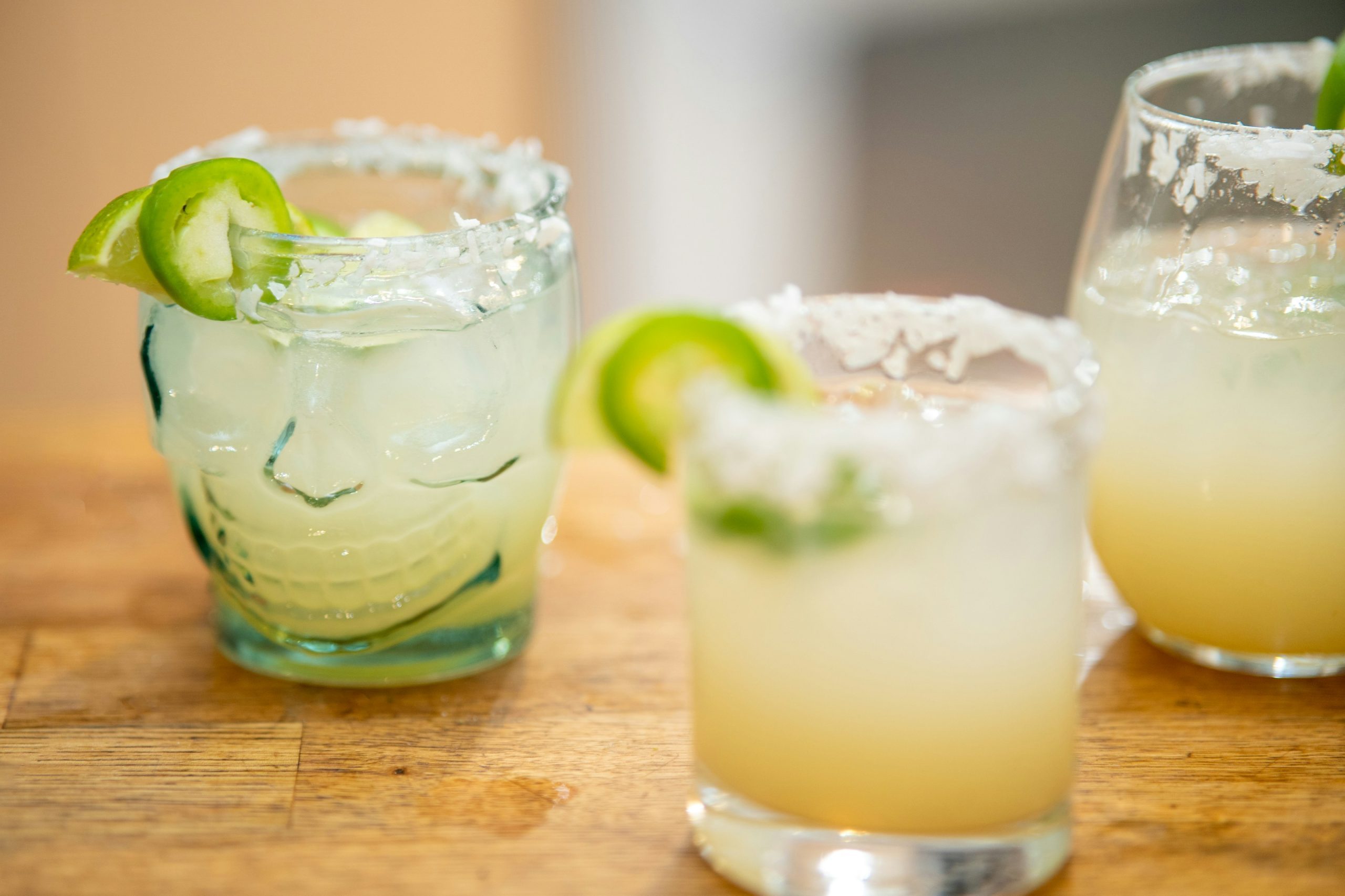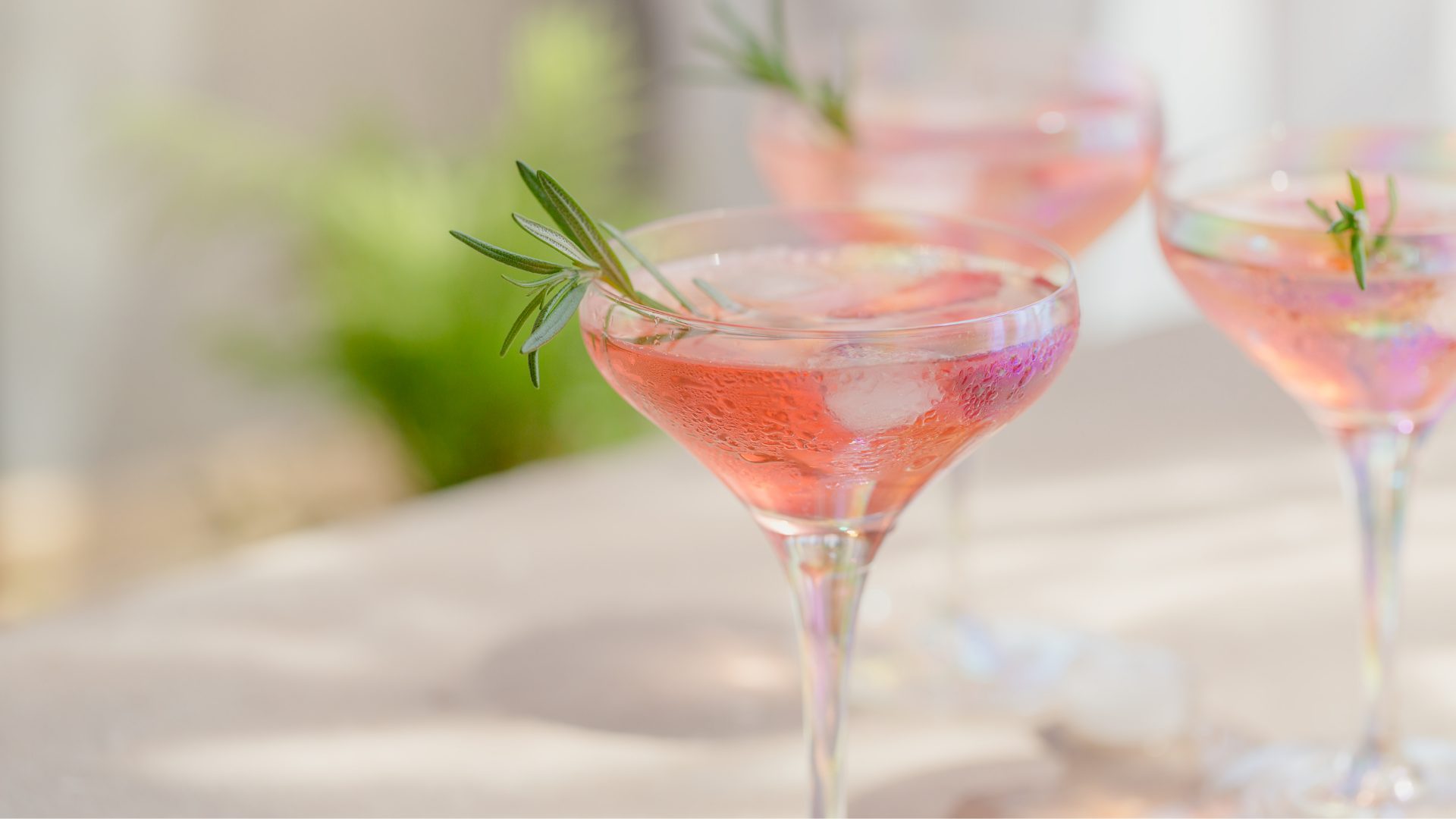
In its “5 Food and Drink Mega Trends for 2026” report, Mintel stated that consumers have begun to view sweet cocktails as “predictable” and “one-note,” while savory flavors are increasingly being seen as more “premium,” “intentional,” and “exciting.”
Per the report, consumers are gravitating toward drinks with notes of smoke, spice, and umami depth because these drinking experiences are more layered, nuanced, and thoughtfully designed – much like a chef-curated dish.
Mark Webster, VP of sales and marketing for flavor manufacturer T. Hasegawa USA, believes this savory = premium perception was heavily inspired by fine dining and craft cocktail culture, where complexity and nuance are king.
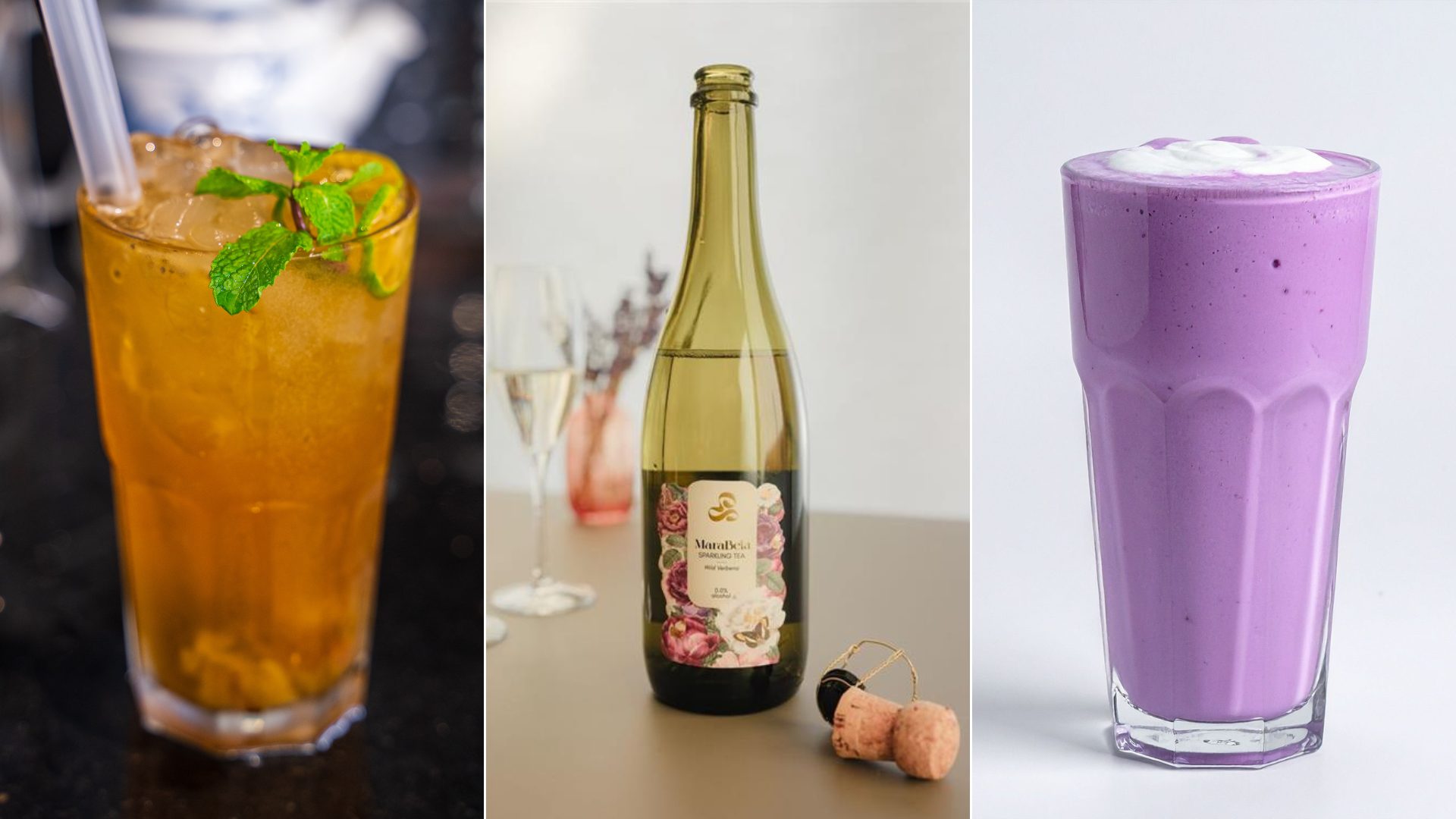
While Mintel’s mega trend specifically pertains to alcoholic drinks, I’ve noticed a similar phenomenon emerging in non-alcoholic beverage categories like coffee, tea, and zero-proof cocktails.
Let’s examine a few of these savory sips.

1. Spicy and Herbal
Mintel says that spicy profiles can balance aromatics with heat and contribute bold, often unexpected sensory elements to beverages, while herbal ingredients infuse drinking experiences with fresh complexity.
Sansho, a spice derived from Japanese prickly ash peppercorns, is a staple in Korean and Japanese cuisines that’s seen a 30% uptick in social media mentions year over year, per Mintel.
While I haven’t tried sansho, I have noticed cardamom, which also saw 17% growth in mentions, popping up on beverage menus more frequently in my area – especially at local coffee shops, which isn’t all that surprising since it’s a component of chai spice blends. However, it appears that cardamom is no longer a supporting actress within the beverage space, now being cast in starring roles like cardamom rose lattes and mandarin cardamom refreshers.
“Herbs and spices are already commonplace in high-end beverages and have expanded into retail offerings, especially to twist profiles and provide surprising experiences,” Webster told FI.
He believes this is a natural progression of another trend: adding “blossom notes” to beverages.
I’m a big fan of floral flavors like lavender and rose, which have been emerging in new contexts like that cardamon rose latte that I mentioned above and have been craving ever since.
“Rose pairs naturally with green tea, sparkling sodas, and lattes, adding both fragrance and color,” said Audrey Santos, sous chef at Maricel’s Kitchen in East Brunswick, New Jersey.
“When used with balance, rose gives desserts and drinks a sense of luxury, like you’re tasting something timeless yet fresh,” Santos told FI.
Per Mintel, social mentions of cocktails containing cracked pepper also increased by 16% YoY.
When I’m not writing FI content, I make homemade ice cream as a side hustle. Last year, I actually incorporated black pepper into my Crimson & Clover flavor, steeping the cream in fresh sage and black peppercorns before straining and swirling it with strawberries roasted in a balsamic glaze.
Though I’ll admit that its ingredient list attracted some weird looks from customers, the flavor ended up being a huge hit!
2. Smoky and Charred
Smoke-forward flavors and preparation techniques, such as peated malts, charred oak, and Mizunara barrel aging, have been carving out their place on drink menus, too.
The flavor experts at T. Hasegawa USA also identified smoke as an emerging trend, which Webster says works especially well when combined with certain fruits, adding “aroma, complexity, and a premium twist” to beverages.
Webster highlighted smoked blood orange, smoked dark sweet cherry, and charred pineapple as three shining examples. Years ago, a friend actually asked me to whip up a grilled pineapple milkshake for his birthday, so I can confirm that it’s a stellar combination!
Per Mintel, consumer interest in cocktails infused with smoke flavoring has grown 3% YoY, with social media conversations involving smoke-forward flavors like ancho chili and Mizunara oak increasing by 12% and 15%, respectively.
3. Umami and Tangy
Salty, briny flavors are also gaining traction – especially on cocktail and mocktail menus – and while dirty martinis are old news at this point, these flavors are being used in new ways.
Consumer interest in drinks that contain olive brine has risen 18%, according to Mintel, while discussions about beverages infused with either sea salt or balsamic vinegar also increased by 14% during the period.
Shrubs are a great example of the role vinegar can play in mixed drinks of many kinds. Equal parts tart and sweet, these syrups are made with fruit, sugar, and vinegar – supplying acidity and brightness to beverages.
Webster says that shrubs can also be used to “give the impression of alcohol notes in mocktails, as well as adding notes that go missing due to a lack of alcohol.”
Black garlic is another tangy flavor that’s been showing up in surprising applications lately, including drinks and desserts.
The ingredient is naturally fermented, increasing its functional appeal for consumers looking to improve their gut health, and this property also gives it a more mellow flavor than that of its raw counterpart.
Sunny Khamkar, CEO and co-founder of MenuData, says he’s noticed a rise in citrusy cocktails and mocktails infused with black garlic syrups, as well as lattes infused with the ingredient, which is a unique way to add “molasses-like richness to milk-based drinks.”
The Food Institute Podcast
In this episode of Food for Thought Leadership, Food Institute Chief Content Officer Kelly Beaton steps in as guest host to interview Fransmart CEO Dan Rowe on the evolving restaurant labor market. Rowe challenges operators to view labor not as a cost to minimize but as a strategic investment, noting that the most successful brands are those that “staff for the sales they want” and prioritize retention, engagement, and culture amid ongoing workforce constraints.