Restaurant operators are continuing to navigate a difficult consumer landscape as inflation, higher gas prices, and weaker consumer sentiment pressure discretionary spending. According to National Restaurant Association executive Chad Moutray, the current state of the consumer is “complex,” with many households becoming increasingly selective about where and how often they spend money. Few restaurants are thriving, though celebration-driven chains are holding their own.
For the overall foodservice industry, the warning signs are difficult to ignore.
Consumer sentiment has dropped below even pandemic-era readings, while 35% of consumers now say they spend more than they take in every month. Two-thirds of consumers report struggling to make ends meet, and four in 10 consumers reduced restaurant visits in 2025.
Restaurant traffic softness has remained a challenge across much of the industry, particularly during weekdays.
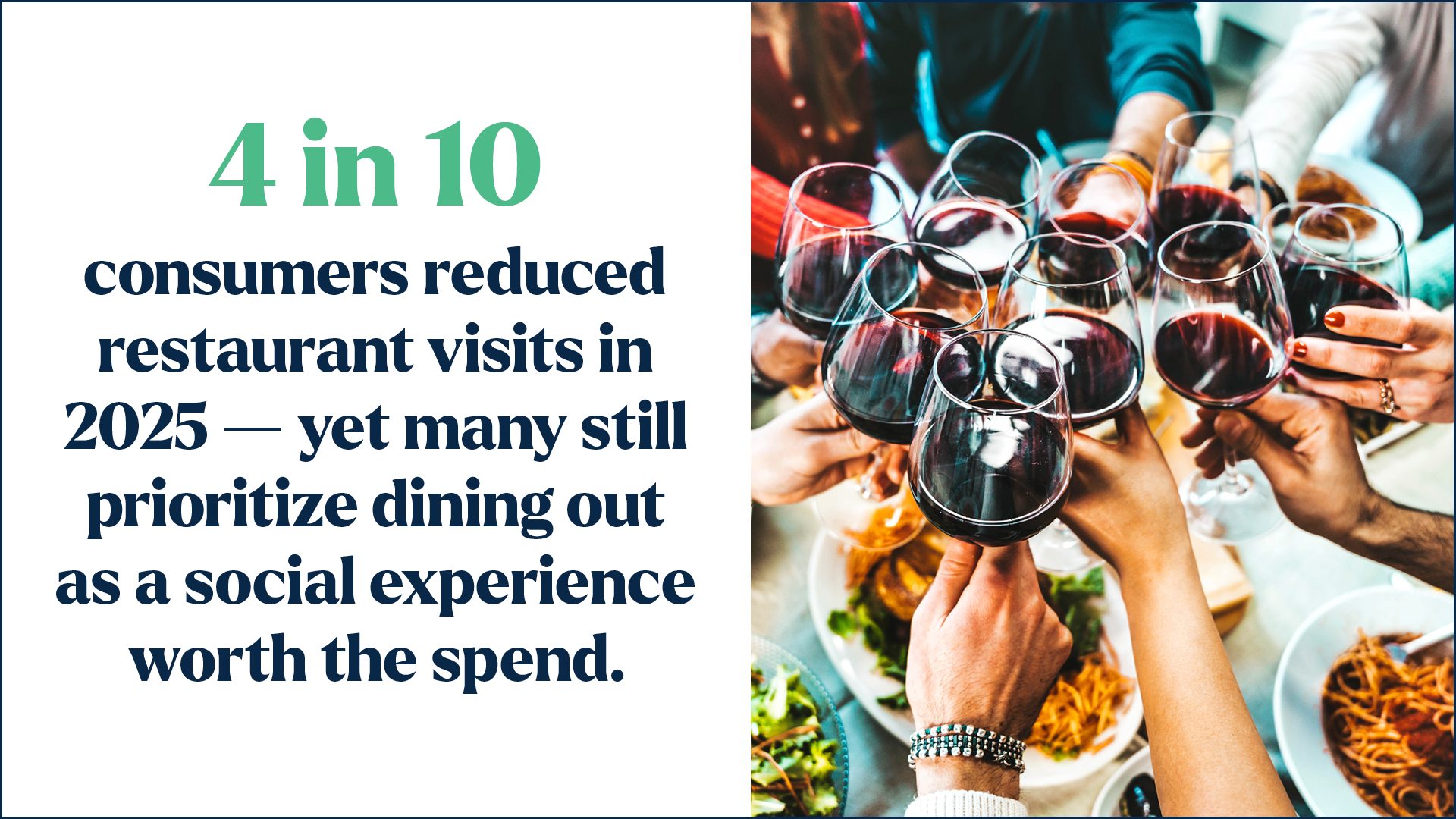
Still, restaurants are displaying resilience because dining out remains one of the few discretionary experiences many people are reluctant to fully cut back on. Moutray noted that consumers may delay larger purchases or skip vacations, but many still prioritize restaurants as an accessible social outlet. He also estimated that persistently high gas prices would have only a modest impact on the industry overall, underscoring the sector’s relative resilience compared to other discretionary categories.
“People get tired of cooking, they want to try something new,” Moutray said during a session at the National Restaurant Association Show, as noted by Restaurant Business. “That’s giving the restaurant sector a little resilience.”
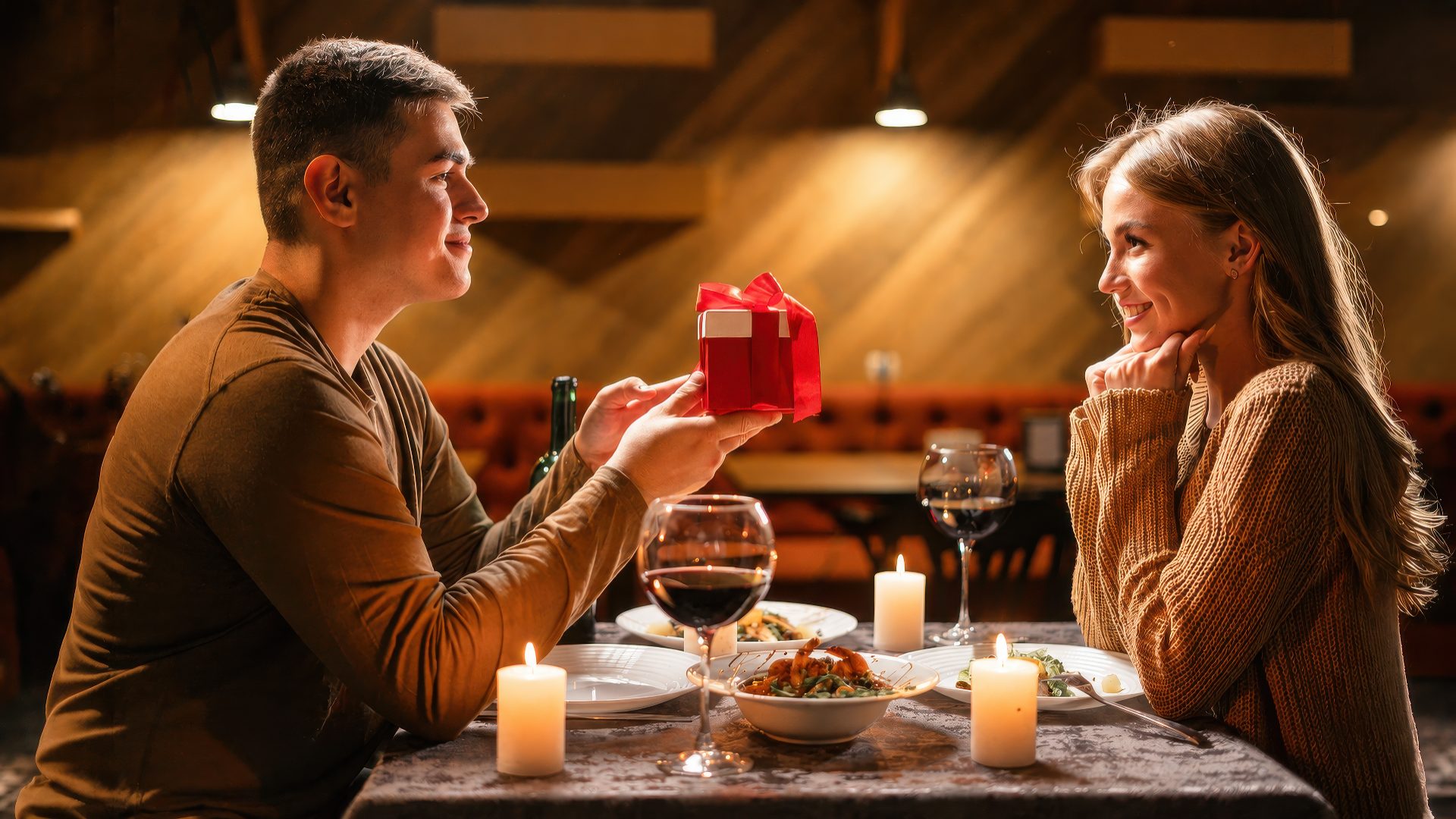
That resilience appears to be especially strong among concepts tied to celebrations and occasion-based dining. Both Fogo de Chão and DineAmic Hospitality reported record Valentine’s Day and Mother’s Day sales this year, despite broader consumer caution.
Experiences in High Demand
Fogo de Chão chief marketing officer Michael Breed said the brand’s “celebration forward” positioning has helped insulate it from some economic pressure because it allows the concept to appeal to a broad range of guests and dining occasions. Group dinners and special-event traffic have continued performing relatively well even as diners become more intentional about spending.
At the same time, Breed acknowledged some softness in midweek and midsized-party traffic, prompting the company to place greater emphasis on what he described as “price optionality.” Rather than leaning heavily on discounting, Fogo has focused on creating what Breed called “experience for the price point.”
Its “Best of Brazil” promotion offers a lower-priced entry point through a curated selection of fire-roasted cuts, seasonal Market Table offerings, and sides. The strategy gives more price-conscious guests access to the brand while also encouraging higher-income diners to add another occasion visit.
“When consumers are under pressure, their expectations are only going up and our job in the hospitality business is to exceed those expectations,” Breed told Restaurant Business. “That requires innovation and investment back into the consumer experience.”
Strengthening Weekday Traffic
Chicago-based DineAmic Hospitality has taken a similar approach toward maintaining traffic, particularly on weekdays. Chief operating officer Stephen Stoll said the company has exceeded expectations this year, helped largely by strong celebration and weekend business.
To strengthen weekday traffic, DineAmic expanded happy-hour offerings and simplified its messaging around affordability, including promotions such as most cocktails and appetizers priced at $8. Operators across the industry are facing a similar challenge: keeping traffic steady without relying too heavily on discounting.
Diners may be cutting back on frequency, but many are still making room for occasions that feel social, celebratory, or worth leaving home for.
That shift toward experience-led spending is also appearing across hospitality more broadly, as consumers increasingly prioritize milestone-driven occasions over traditional luxury purchases. Nico Jacquart, CEO and co-founder of Secret Food Tours, said travelers are increasingly building birthday trips and group celebrations around food and wine experiences rather than simply the destination itself.
“The château gets the Instagram post. The champagne cellar visit is what they remember a year later,” Jacquart said, describing strong demand for champagne-focused birthday trips, winery visits, and private chef experiences across France.
Jacquart also suggested the trend reflects changing milestone spending habits among millennials. “The 40th is the event they will not skip,” he said, noting that many consumers who downsized weddings are now prioritizing large experiential celebrations instead.
For operators, that increasingly means balancing affordability with the kind of dining occasions people still prioritize rather than competing on price alone. Brands like Fogo de Chão and DineAmic Hospitality are finding that even in a pressured economy, consumers still show up for occasions that feel worth the spend.