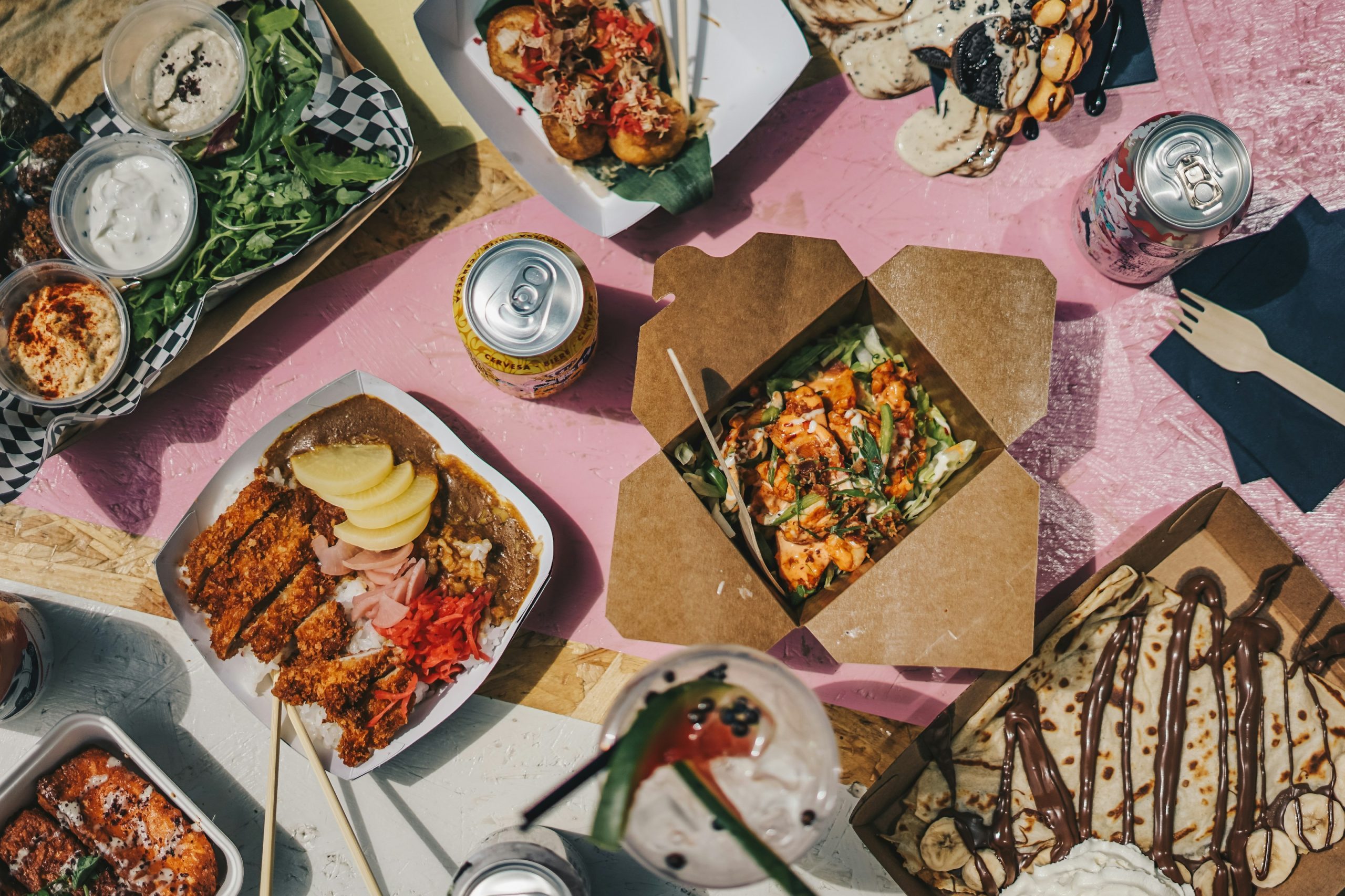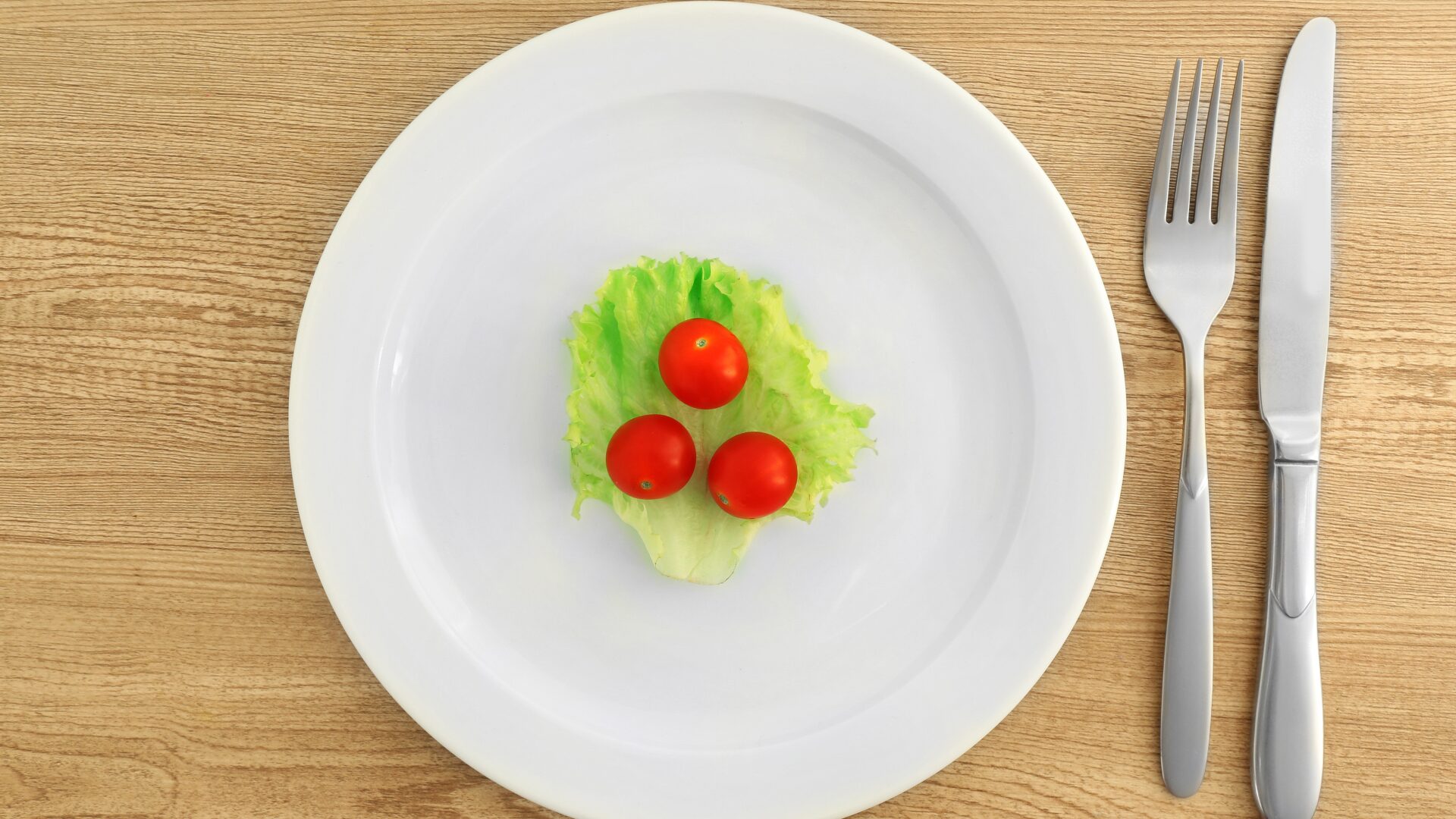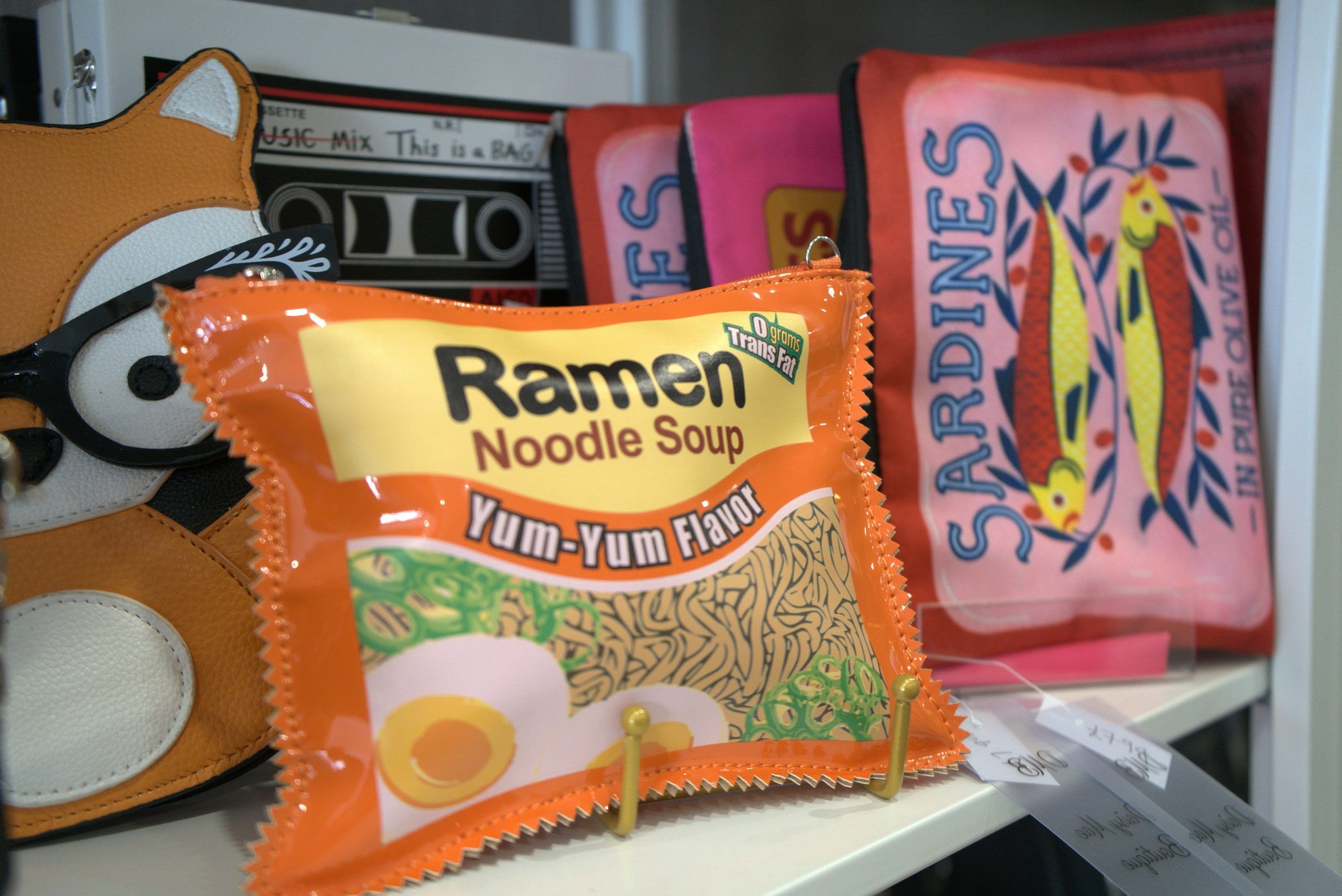
A new trend has entered the chat: modular eating. Though it’s a bit like grazing or ‘snackification,’ which involves eating more snacks or smaller meals throughout the day over three larger meals, it more closely resembles the ‘girl dinner’ trend popularized on TikTok, which refers to a lighter meal like a mini charcuterie board or snack plate.
However, the term ‘modular eating’ describes a behavioral shift that’s less about portion size and more about adaptability, in addition to convenience.
“What we’re really seeing is consumers believing that combining snacks is a satisfying meal,” Abigail Evans, senior insights manager for retail and strategy at Hormel Food, told Bakery & Snacks.
Evans says these consumers are looking for reliable bases and proteins that they can keep in the fridge or freezer and pair with other items – whether that’s microwaveable ramen, leftover takeout noodles, a salad kit, or whatever else they have on hand.
This modular, customizable approach may not seem like a big deal, but experts say that it’s a shift manufacturers should not ignore, as it is blurring the lines between traditional categories.
The Rise of the ‘Contemporary Meal Helper’
Minh Tsai, the founder of tofu brand Hodo, says he’s noticed that demand has been rising for what he calls “contemporary meal helpers for Gen Z,” AKA ready-to-eat, seasoned proteins with a long shelf life.

“This option for consumers is expanding across categories, from meats to plant-based proteins,” Tsai told FI.
He noted that quality is another top priority for Gen Z in addition to convenience, with many seeking out “meal-ready” proteins made with ingredients that are organic, minimally processed, and ethically sourced.
Tsai also highlighted the generation’s appreciation for items with “interesting, satisfying textures” that still hold up in the air fryer or microwave, as Gen Z tends to rely on heating methods that are more “hands-off” in nature.
So, what other factors are fueling this modular eating trend?
In addition to growing demand for convenience products that support increasingly busy lifestyles, experts also cited rises in both hybrid work and solo dining as potential drivers.
And given who we’re talking about here, social media has obviously played a role as well.
Eating ‘Outside the Rules’
Nicole van Zanten, co-president and chief growth officer at ICUC, a Dentsu-owned social media and online community management agency, drew parallels between Gen Z’s modular eating style and social media consumption habits. 
“Gen Z has been conditioned to scroll through short, discrete, and highly personalized content rather than watching a full show. This tendency is translating into their food habits, leading them to graze on small, stackable food moments instead of sitting down for a full meal,” van Zanten told FI.
She believes that social media has essentially become the “permission structure for eating outside the rules,” pointing to TikTok trends like the cottage cheese bowl and the aforementioned girl dinner as examples of this phenomenon.
“Gen Z finds new food and recipe ideas through an algorithm that serves them content relevant to their mood, their identity, and current moment. That means a product can go from unknown to pantry staple without ever being on a featured aisle end cap. Brands that aren’t building for social discoverability are effectively invisible to this demographic,” van Zanten explained.
She also feels that there is a huge missed opportunity in user-generated content related to food assembly.
“Brands invest heavily in recipe content, but recipes have a beginning, middle, and end. What resonates with a modular eater is pairing content: ‘what I add this to,’ ‘three things I ate this with this week.’ That’s the content format that matches how they actually eat throughout the day, and very few brands are producing it intentionally.”
The Food Institute Podcast
At SIAL Canada 2026 in Montreal, Food Institute VP of Content and Insights Chris Campbell sat down with Mathieu Brisson, Global Sales Lead at Prestige Maple, to discuss how the company is transforming maple products for a rapidly evolving global food and beverage market.