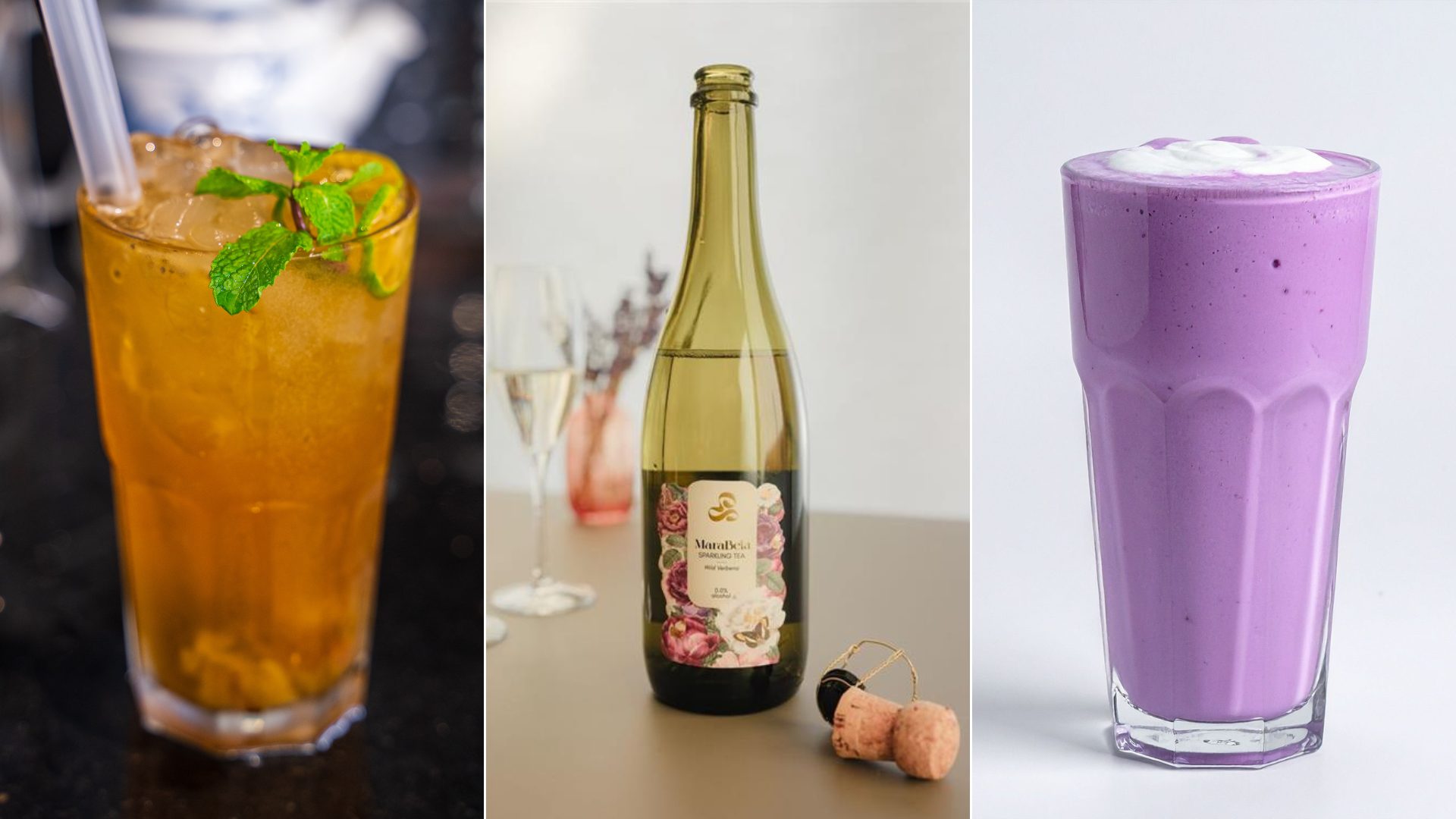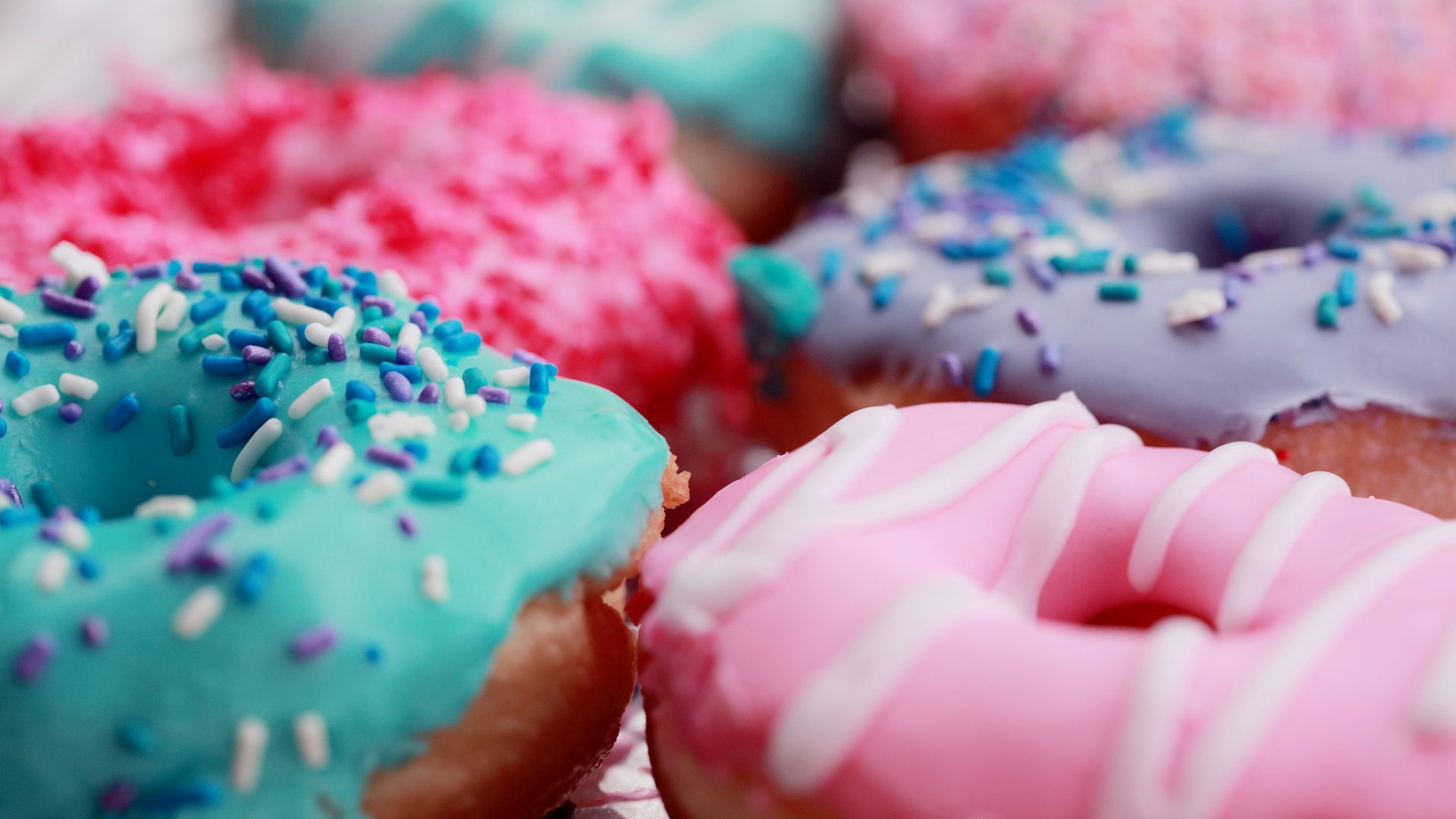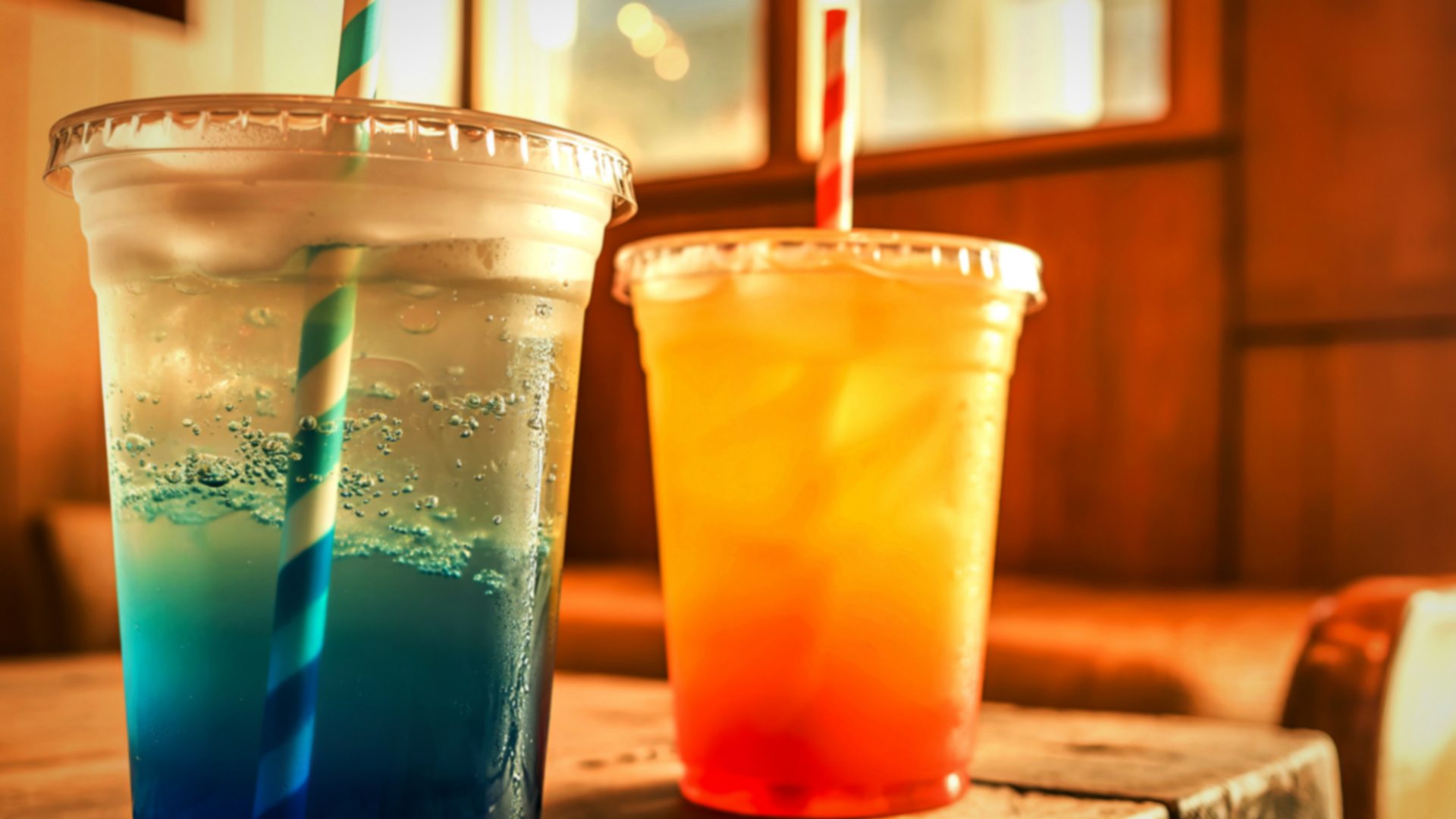
Panera’s Frescas. Taco Bell’s Refrescas. Whataburger’s Whatafreshers.
If it seems like every QSR chain and their dog are coming out with refreshers, that’s because they are. Well, maybe not their dog, although Starbucks does offer an off-menu puppuccino, which is essentially a tiny cup of whipped cream.
Refreshers, on the other hand, are typically fruity but not creamy.
Starbucks actually led the charge, introducing Starbucks Refreshers in 2012.
And though these fruit-forward iced beverages are huge today, they weren’t an immediate hit back then, according to Dana Pellicano, SVP of global menu experience for the chain.
Like many buzzwords, “innovation” has lost much of its meaning over time, but true innovation inherently involves a willingness to try new things, take risks, and potentially fail – and even the prospect of failure can ruffle more than a few feathers.
“You have to have the deep belief that you are in the right moment and then, frankly, you have to have the intestinal fortitude to stick with it,” said Pellicano.
Fourteen years later, it’s safe to say refreshers have gone mainstream.
Dunkin’ recently unveiled a summer menu featuring several refreshers in flavors ranging from Black Cherry to Strawberry Dragonfruit Limeade.
And McDonald’s just added several refreshers to its permanent beverage menu, including flavors like Strawberry Watermelon and Mango Pineapple.
Though Starbucks is credited with commercializing the refresher, Claire Conaghan, a trendologist for Datassential, told CNN that the Arnold Palmer was the original refresher.
“It’s got caffeine from the iced tea and then it mixes with the lemonade, which is a refreshing fruit component,” Conaghan explained.
Speaking of caffeine…

Energy Refreshers
Lately, many refreshers are being infused with various forms of caffeine – including energy drinks like Celsius. Bojangles, a regional chain that’s undergoing a nationwide expansion, has an exclusive partnership with the energy drink, which is owned by PepsiCo.
“Great food will always be at the heart of the Bojangles experience, but beverages are becoming an increasingly important part of what guests look for, especially younger consumers,” said Chef Michael Krimmer, Sr. Director of Menu and Culinary Innovation.
“Flavor is where Bojangles wins. It’s been at the core of everything we do since 1977, and the new Celsius® Southern Sunrise is no exception. Our relationship with PepsiCo gave us the opportunity to bring that same bold, differentiated flavor to the energy category in a way that could only come from Bojangles,” Krimmer told FI.
Even Panera is dipping its toe back in the energy refresher waters a few years after being embroiled in multiple lawsuits tied to its highly caffeinated Charged Lemonades, which reportedly led to two deaths.
The new additions include two caffeine-free Frescas and two caffeinated Energy Refreshers that are clearly labeled as such – a major point of contention with the Charged Lemonades, which contained up to 390 milligrams of caffeine. In contrast, the new energy refreshers offer a modest 42-44 milligrams, according to USA Today.
Why Now?
Beverages have evolved from an afterthought into a core driver of menu strategy, brand differentiation, and revenue growth – and they’re especially popular with younger demographics like Gen Z and Millennials.
“Refreshers offer menu diversity without complexity. They’re a way for restaurants to expand beyond coffee or traditional beverages without requiring entirely new infrastructure,” said Betsy Frost, CEO of Q Mixers.
Jayson Fabre, Director of Marketing for World Wrapps, a fast-casual chain with six locations across California, added that they’re a great way to increase check average while also adding variety and freshness to the menu.
Their strikingly colorful appearance has also increased their appeal for young consumers, who are often looking for ways to stand out on social media.
The Future of Refreshers
So, where is the trend headed?
“We see it continuing to move toward simple, clean, and refreshing ingredients. Less artificial, more real and better-for-you,” Fabre told FI, citing Sweetgreen as an example of a national chain that’s pushing the category in a “healthier, more ingredient-focused direction.”
Sanwar Mal Khokhar, a mixologist and beverage program leader at Sanjh Restaurant and Bar, predicts the category will move beyond fruit and caffeine to offer more functional perks and experiential elements.
“I think we will start seeing drinks that combine energy with hydration and electrolytes, maybe some functional ingredients but still tasting like something you actually want to drink, not like a supplement,” he told FI.
As for emerging flavor trends, Frost has noticed growing interest in flavors that feel “elevated or nostalgic,” highlighting stone fruits, botanicals like ginger, and citrus fruits like yuzu and passionfruit as examples.
Khokhar says most chains are still “playing it safe” with flavors but hopes to see more innovation in this regard.
“If the brands can add more botanicals and slight spice or may be savory flavors, it can make significant difference right now everything is only sweet and sour forward,” he told FI.
The Food Institute Podcast
This episode features Julie Chapon, CEO and co-founder of Yuka, the fast-growing app that helps consumers better understand the health impact of food and cosmetic products. Chapon shares the origin story of Yuka, which began as a personal mission to decode confusing food labels and has since expanded into a global platform with over 80 million users.