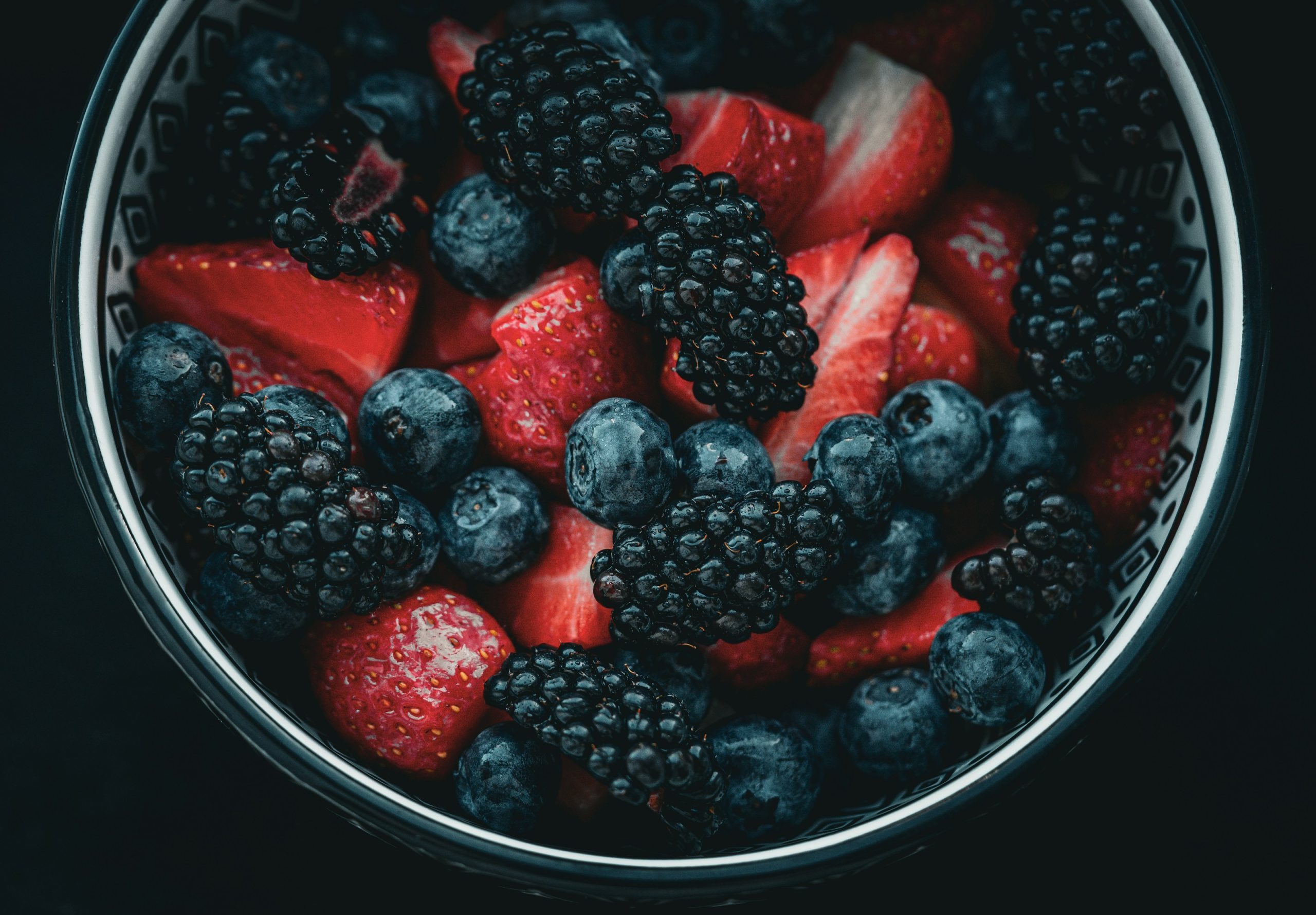
Berries are having a moment. As restaurants prepare for another season of innovation, operators are leaning into tried-and-true spring and summer berries to add a dependable foundation for menu additions.
The health halo that surrounds these offerings makes them an easy choice for menu incorporation, as consumers perceive these flavors to be associated with a healthier option. Moreover, they provide vivid colors that turn eating occasions into multi-sensorial experiences.
McDonald’s latest Derpy McFlurry, developed as a limited-time offering for K Pop Demon Hunters fans, incorporates a wild-berry sauce and popping boba pearls that resemble blueberries. The visual components contribute to the treat’s success.
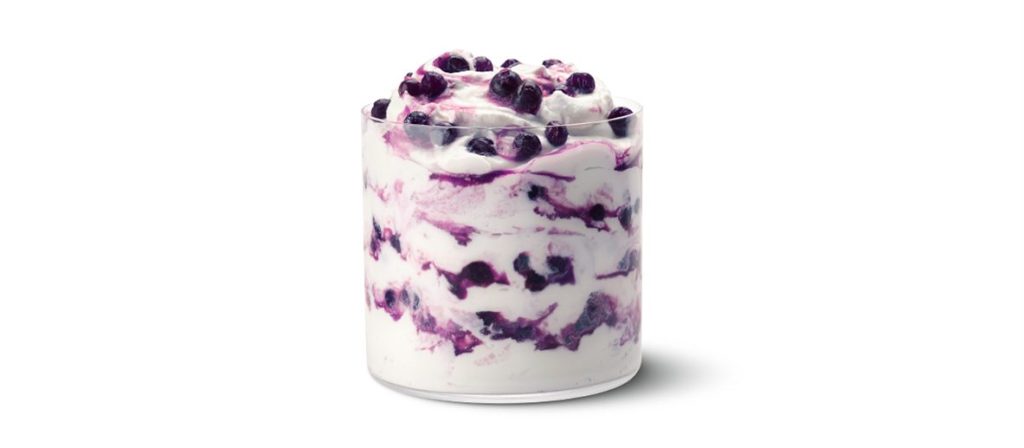
Source: McDonald’s
Beyond health and color, berries are already a go-to treat for many American snackers, with 53% of consumers eating berries at least weekly, per a Driscoll report. When it comes to sweet cravings strawberries were the most satisfying (70%), followed by blueberries (48%), raspberries (31%), and blackberries (28%).
Moreover, Gen Z reported a positive association between fruits and fun or celebratory moments, a component that operators channel into their menu modifications.
As we head into the peak growing season for these iconic berries, let’s take a look at some of the recent foodservice innovations.

Strawberries
Strawberries remain the category leader, appearing on roughly 30.6% of menus, per MenuData. A kitchen staple, recent innovations are playing with the limits of strawberry’s sweet and savory applications.
Cava, for example, recently debuted a Salmon + Strawberry Sesame Bowl coinciding with the launch of glazed salmon as a protein choice. The addition leverages a strawberry sesame dressing to bring a dose of color and sweetness.
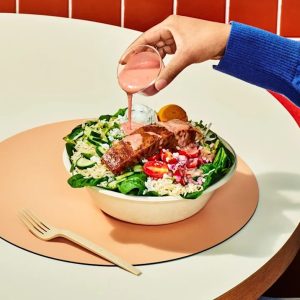
Source: Cava
Among the fastest growing categories includes strawberry jam, a childhood staple undergoing a renaissance through nostalgia plays. Social media mentions are currently up 37%, translating into a 2.4% menu growth quarter-over-quarter.
Strawberry Babka Brioche, which boasts a baked strawberry jam directly into the bread, is a clear application of this trend.
On the beverage front, Starbucks recently debuted Mango Strawberry refreshers, a caffeinated portfolio of fruit-forward drinks. Many of these additions incorporate real pieces of strawberry as well.
Blueberries
A less utilized staple, blueberries currently appear on just over 10% of menus. Recent moves, however, are changing that.
Regional coffee chain The Human Bean paved the way for blueberry beverage enhancements with its latest Match Berry beverage, combining a traditional matcha latte with blueberry flavor.
Chief marketing officer Janie Page noted that its recent menu debut prioritizes looks and taste.
Chain Parlor Doughnuts also leaned into the antioxidant-rich berry with its latest Blueberry Cheesecake donut and Lemonade Blueberry Refresher. Like the previous chain, Parlor also developed a Blueberry Matcha, signaling its potential to overtake Strawberry Matcha’s popularity.
When FI last covered these matcha trends, analysis found that Strawberry Matcha search growth was nearly double that of Blueberry Matcha. As more brands play into the latter flavor profile, the scales will likely begin to tip.
Blackberries
Blackberries are known for their intensity, both in color and flavor, with a profile that tends to bring out tangy, bitter notes. This is why they have achieved premium status in alcoholic cocktails.
In fact, Jack Daniel’s Tennessee Blackberry is currently trending on Google Trends, with 300% growth in the last 90 days – a feat considering it hit the market last August.
Mainstream QSRs are picking up on this shift, too. Recently, Dunkin’ debuted three blackberry beverage innovations in its Dunkin’ Zero portfolio: Blackberry Tangerine, Glamberry (Blackberry Tangerine + Juicy Peach), and Blushpop (Blackberry Tangerine + Tropical Mango). Like Starbucks’ refreshers, these offerings provide fruit-forward caffeine, however, without added sugar.
As an ingredient, the blackberry’s penetration is more nascent, sitting at only 4%; however, it’s growing across foodservice, up 1.7% quarter-over-quarter, impressive considering its more niche appeal. The fruit is most often found in beverages, and is accompanied by other berries, such as raspberry or blueberry, according to MenuData.
Interestingly, the ingredient is most prevalent in fine-dining establishments, likely because of its complex flavor portfolio, and is beginning to filter down into casual dining and QSRs for certain applications.
FI analysis indicates more blackberry-infused offerings will hit the market in the coming months.
The Food Institute Podcast
In this episode of Food for Thought Leadership, Food Institute Chief Content Officer Kelly Beaton steps in as guest host to interview Fransmart CEO Dan Rowe on the evolving restaurant labor market. Rowe challenges operators to view labor not as a cost to minimize but as a strategic investment, noting that the most successful brands are those that “staff for the sales they want” and prioritize retention, engagement, and culture amid ongoing workforce constraints.