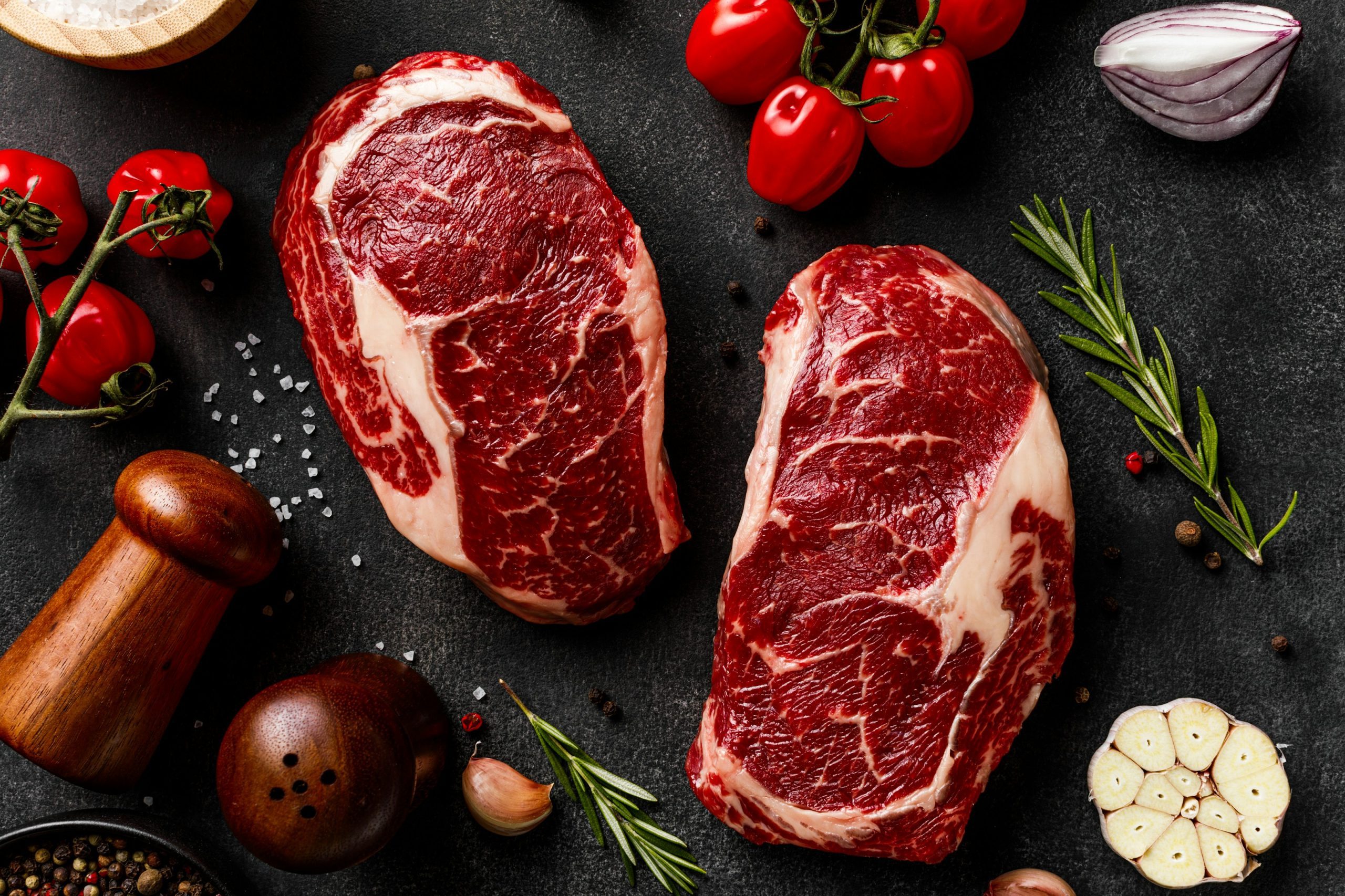
With beef prices at record highs, ranchers are worried consumers will be seeking alternatives, but industry experts tell The Food Institute it’s highly unlikely beef fans will abandon their steaks.
“When it comes to beef, I don’t think ranchers have anything to worry about when it comes to customers rebelling,” said Golan Haiem, founder at Destination Wagyu. “Being in the industry for years, I would compare this to gas versus electric cars: Someone who loves a gas engine is not going to switch to electric – no matter what factors come into play.”
For the Memorial Day weekend, government figures put ground beef prices at $6.90 a pound and sirloin up $2.50 from last year to $14.50 a pound.
Craig Bieber, a rancher from Leola, South Dakota, and president of the South Dakota Cattlemen’s Association, told Dakota News Now that years of drought and a reduced cattle supply – the herd is the smallest in 75 years, at 86.2 million head, down 9% from pre-pandemic levels – are behind the price increases, as demand continues to rise.
Even with all those factors, beef fans rarely budge when it comes to their favorite entrees.
Ultimately, “there are no good alternatives to steak,” said Bryan Quoc Le, CEO of Mendocino Food Consulting.
Eggs May Become Cost‑Effective Protein Play
Pete & Gerry’s CEO Tom Flocco told FI that rather than eschew beef altogether because of price, consumers are more likely to diversify their protein choices, turning to eggs, chicken, seafood and dairy.

“You can feed a family of four with a dozen of our eggs, but you can’t with 8 ounces of steak,” Flocco said.
“For consumers looking for clean, sustainable, and cost-effective protein, eggs are hard to beat and egg-centered dishes such as shakshuka, frittatas, and other non-breakfast recipes can become mainstays for dinner once or twice a week.
Consumption is expected to reach 273.7 eggs per capita this year, according to Statista.
For meat, USDA statistics show chicken is the most popular source of protein, with the average American eating 102 pounds annually, followed by beef at 67 pounds and pork at 50 pounds. Turkey is way behind at 13 pounds.
Quoc Le said the soaring price of beef likely will send some – but not an overwhelming majority of – consumers to ground turkey, tofu, and seitan.
Bieber said the only way to bring prices down in the near future is to turn to imports.
“Right now, [consumers] are moving around to more reasonably priced cuts and trying to figure out how to make those a great eating experience,” he said.
“It’s a concern, and there will be a certain amount of beef that we need to import because the reality is, we eat a lot of hamburger in this country, and we don’t have enough lean trim.”
The Food Institute Podcast
At SIAL Canada 2026 in Montreal, Food Institute VP of Content and Insights Chris Campbell sat down with Mathieu Brisson, Global Sales Lead at Prestige Maple, to discuss how the company is transforming maple products for a rapidly evolving global food and beverage market.