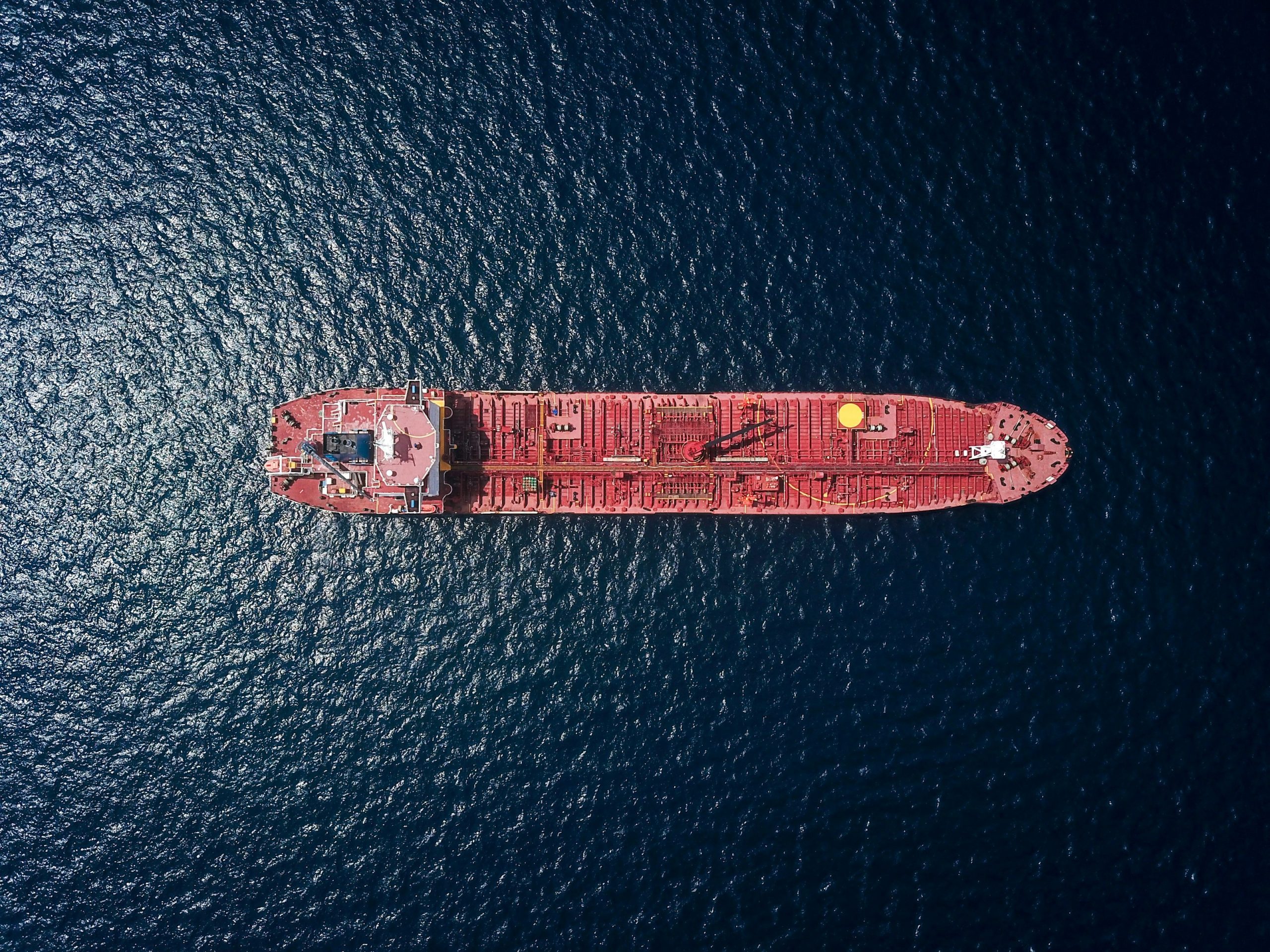
For years, the Strait of Hormuz has been viewed primarily as an energy chokepoint. A narrow maritime corridor through which roughly a fifth of the world’s oil consumption passes each day. But a recent warning from the Food and Agriculture Organization, reported by ReliefWeb, suggests the real risk may be far broader than another oil price spike. The FAO warned that increasing instability around Hormuz could trigger a “systemic agrifood shock” capable of destabilizing global food markets within six to 12 months.
That distinction matters. Oil shocks are disruptive. Agrifood shocks are socially destabilizing.
Modern food systems are no longer insulated from energy markets; they’re deeply entangled with them. The global food economy runs not only on farmland and rainfall, but on fertilizer production, petrochemicals, refrigeration, container shipping, diesel-powered logistics networks, and globally optimized supply chains designed for efficiency rather than resilience.
A disruption in one narrow shipping corridor can cascade far beyond fuel markets and into grocery aisles, restaurant margins, and household food budgets worldwide.
The Strait of Hormuz sits at the center of that vulnerability.
Hormuz Threat Puts Global Crop Inputs on Edge
Beyond crude oil and LNG shipments, Gulf producers are major exporters of ammonia, urea, sulfur, and other fertilizer inputs that underpin agricultural production globally. Nitrogen fertilizer production is especially vulnerable because ammonia manufacturing depends heavily on natural gas inputs tied to Gulf energy markets. Many import-dependent agricultural markets rely heavily on these fertilizer systems, meaning even temporary disruptions in ammonia or urea exports could ripple into planting decisions for crops ranging from corn and soybeans to rice and sugar.
The FAO warned that if maritime disruptions intensify, fertilizer availability and affordability could deteriorate quickly, creating delayed pressure across planting cycles and harvest yields.
Food crises rarely begin with empty shelves. They begin months earlier, when fertilizer applications are reduced, planting decisions change, transport costs rise, and processors quietly absorb higher input prices.
By the time consumers notice sustained inflation in protein, grains, produce, or packaged foods, the underlying agricultural damage has often already occurred.
The food industry learned this lesson during the Russia-Ukraine war, when fertilizer prices surged and many growers cut nutrient application rates to preserve cash flow. The consequences were uneven but significant: tighter crop economics, volatile yields, elevated feed costs, and prolonged food inflation across multiple categories.
A Hormuz disruption threatens a similar dynamic, but through an even broader systems lens because it simultaneously pressures energy, shipping, and fertilizer markets at once.
The risk is not merely higher commodity prices. It is synchronized cost inflation across nearly every layer of the food value chain.

Freight and Fuel Strains Could Reshape Food Economics
For food manufacturers, energy-intensive production categories could become especially exposed. Processed foods, of course, rely heavily on packaging materials, refrigeration, industrial heat, transportation, and globally sourced ingredients. Rising fuel and freight costs would squeeze already fragile operating margins, particularly for companies still navigating post-inflation consumer fatigue.
Restaurant operators, meanwhile, would likely feel the pressure from multiple directions simultaneously: higher protein and produce costs, elevated utility bills, increased delivery expenses, and softer consumer spending as households absorb broader inflationary pressure. The industry has already spent several years attempting to balance pricing power against consumer resistance. Another major cost shock could further widen the divide between large chains with procurement leverage and smaller independents operating with limited financial flexibility.
Retailers may face a similarly uncomfortable balancing act. Grocers spent much of the past three years rebuilding consumer trust around value after pandemic-era inflation. A renewed wave of food cost volatility would arrive at a moment when many shoppers are already displaying increasingly cautious spending behavior, trading between channels, reducing basket sizes, prioritizing promotions, and selectively cutting discretionary purchases.
Protein markets may be especially vulnerable because they absorb pressure from multiple directions simultaneously.
Higher fertilizer costs raise feed prices, while elevated fuel and refrigeration expenses increase processing and distribution costs. Poultry and dairy operators, in particular, could face renewed margin pressure if input inflation accelerates faster than consumer pricing power.
The broader concern, however, is structural.
Systemic Risks Expose Fragility in Global Food Chains
Over the past two decades, global food systems have become extraordinarily efficient but increasingly concentrated. Production regions specialized. Supply chains stretched across continents. Companies optimized inventories. Redundancies were removed. “Just-in-time” became a defining operating philosophy across manufacturing and retail.
That model works exceptionally well during periods of geopolitical stability. It becomes far more fragile during systemic disruption.
The FAO’s use of the term “systemic” is important because it reflects interdependence rather than isolated shortages.
The issue isn’t simply whether ships can pass through Hormuz. It’s whether energy markets, fertilizer flows, insurance costs, freight networks, agricultural inputs, and trade policies begin reinforcing one another negatively at the same time.
For large food manufacturers and retailers, the bigger challenge may not be short-term shortages but procurement unpredictability. Sudden swings in fertilizer, freight, and energy costs make long-term pricing, sourcing, and inventory planning significantly more difficult, particularly in low-margin food categories where operators have limited room to absorb volatility.
The agency also urged governments to avoid export restrictions and support alternative land and maritime trade routes. Such measures may sound procedural, but they’re economically critical.
During periods of food stress, export controls often amplify panic, reduce global availability, and accelerate price spikes, particularly for import-dependent nations.
Resilience Costs Climb
Companies, meanwhile, are likely to revisit contingency planning that became commonplace during the pandemic but gradually faded as supply chains normalized. That could include diversified ingredient sourcing, regional supplier expansion, increased inventory buffers for key inputs, longer-term freight contracts, and greater investment in domestic or nearshore production capabilities.
Shipping disruptions in Hormuz could also increase insurance premiums and rerouting costs for cargo operators, adding another layer of pressure to already fragile global freight networks.
None of these adjustments are inexpensive. But many food companies are increasingly forced to weigh the cost of resilience against the cost of repeated disruption.
For an industry built around efficiency, the emerging reality is uncomfortable: resilience is becoming more expensive, but instability is becoming even more costly.
The next food crisis, if it comes, may not begin with drought or crop disease. It may begin with a shipping bottleneck thousands of miles away and spread quietly through fertilizer markets, freight systems, and supply contracts long before consumers fully recognize what’s happening.
The Food Institute Podcast
At SIAL Canada 2026 in Montreal, Food Institute VP of Content and Insights Chris Campbell sat down with Mathieu Brisson, Global Sales Lead at Prestige Maple, to discuss how the company is transforming maple products for a rapidly evolving global food and beverage market.