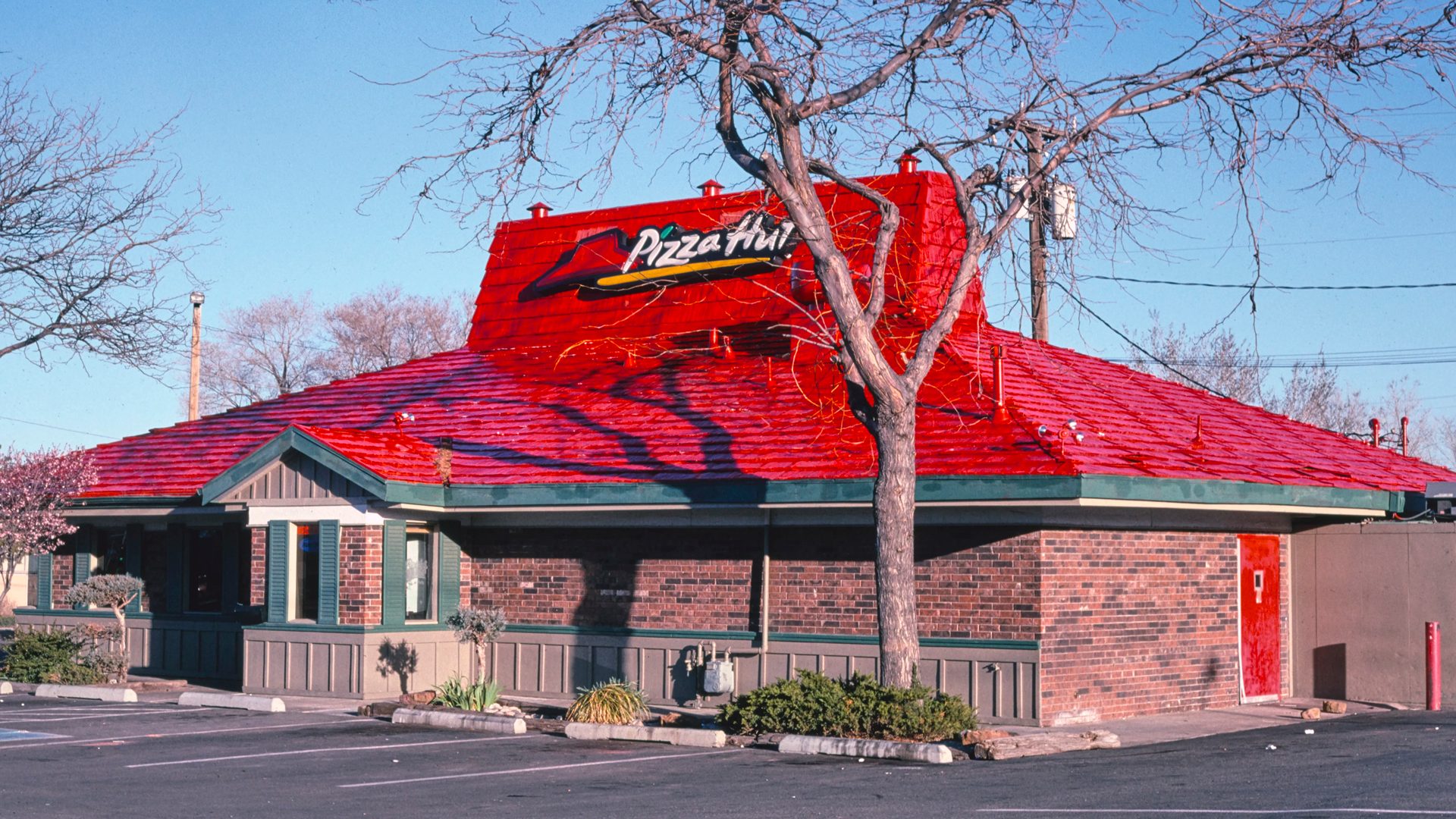
Oh, to be young again – or younger in Pizza Hut’s case. The venerable pizza chain is returning to its 1980s-‘90s décor to tap into nostalgia and consumers’ longing for the good ol’ days.
Pizza Hut has been working on the transformation since 2019 and has converted 144 of its nearly 20,000 locations worldwide. The company traces its roots to 1958 Wichita, Kansas, and the Carney brothers, who borrowed $600 from their mother to go into business and began franchising the operation the following year.
The brand, which is now owned by YUM! Brands, closed 250 outlets in the last year and has turned to nostalgia to pump up sales.
“What’s old becomes new again. Nostalgia is the new cool because consumers are craving experiences that make them feel good, familiar, and connected,” Tenyse Williams, digital marketing adjunct instructor specialist at the University of Central Florida and founder and CEO of Verified Consulting, told The Food Institute.
“For millennials, Pizza Hut’s ‘80s and ‘90s aesthetic unlocks real childhood memories of family dinners, arcade games and community gatherings.”
For Gen Z, the nostalgia-focused initiative offers access to an era they didn’t fully experience but romanticize because it feels more authentic, social, and less technology-driven, Williams added.
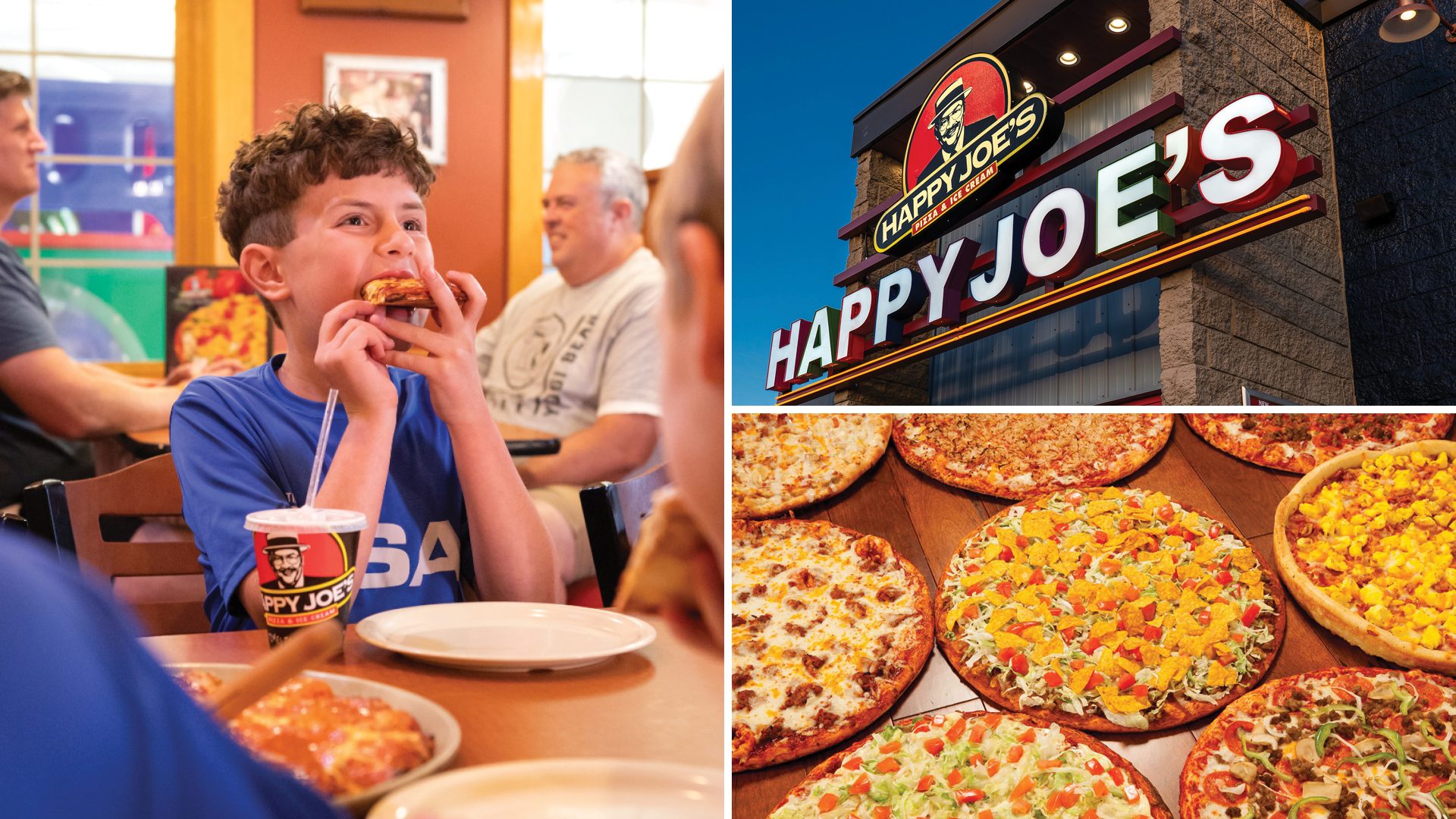
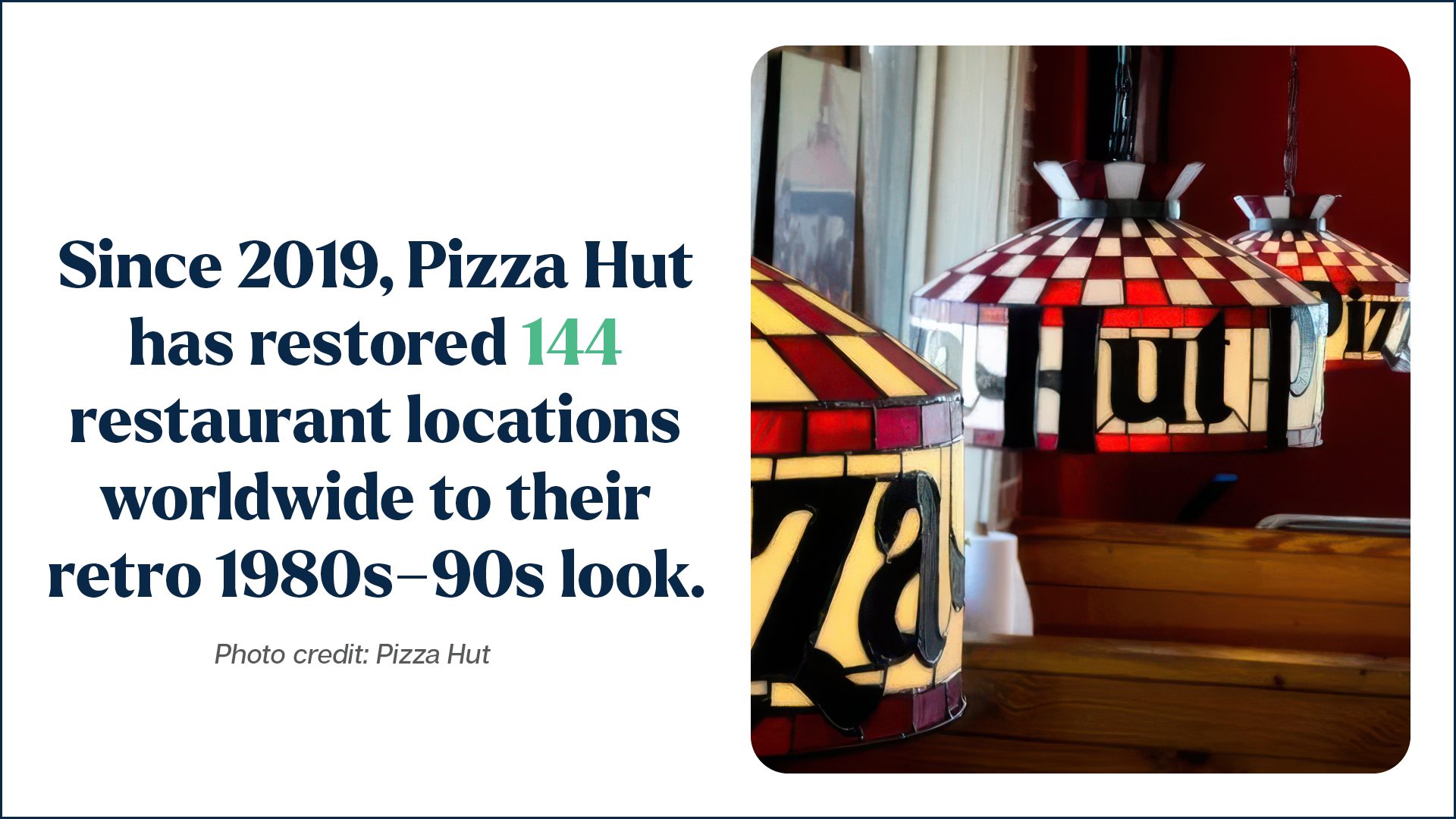
In an interview with People magazine, Tim Sparks, the president of Daland Corp., said he’s converting more than 80 stores of his company’s 94 restaurants, complete with red roofs, Tiffany-style lamps and red-checked tablecloths.
“People come from two and three hours away [to see it], and I’m not making that up,” Sparks told People.

“Decor gets people through the door once. Community brings them back every week,” said Joycelyn David, CEO of multicultural marketing agency AV Communications. “What I wish Pizza Hut would do instead of focusing on decor [is] focus on the menu.
“Food is the most powerful entry point to connect through culture – it’s where memory, identity and community converge in a single bite. The smartest thing Pizza Hut could do isn’t just restore the décor. The ask: Whose food culture and memory can Pizza Hut honor next?”
Though Pizza Hut generally outranks the likes of Domino’s and Little Caesar’s in national chain taste tests, category competition is fierce.
“If Pizza Hut is going to see returns, they’re going to have to focus on delivering a consistent product,” said Rachel Morgan, restaurant tech consultant at Back of House.
“Consumers are more discerning today than they were in the ‘80-‘90s, so one bad experience is the difference between a promo flop and a brand turnaround,” Morgan told FI.
Arthur Bovino – who has written three cookbooks, including one devoted to pizza – said it’s great to see brands figure out what customers used to love about them.
“Whether it will stick around or be abandoned really depends on the company’s commitment to doing it well. That would mean quality food, great service, and a clean dining room – not just ones with the lamps, salad bar, and classic red cups. And, of course, the BookIt! [incentive program],” Bovino said.
“If so, it could maybe regain the cultural relevance it had in the 1980s in ‘Spaceballs’ just in time for Pizza the Hut to return with Mel Brooks’ upcoming 2027 sequel.”