

FI Fast Break audio news: Oct. 22, 2025
The latest FI Fast Break news podcast touches on how the ongoing government shutdown is expected to take a toll on restaurant chains.
The latest FI Fast Break news podcast touches on how the ongoing government shutdown is expected to take a toll on restaurant chains.
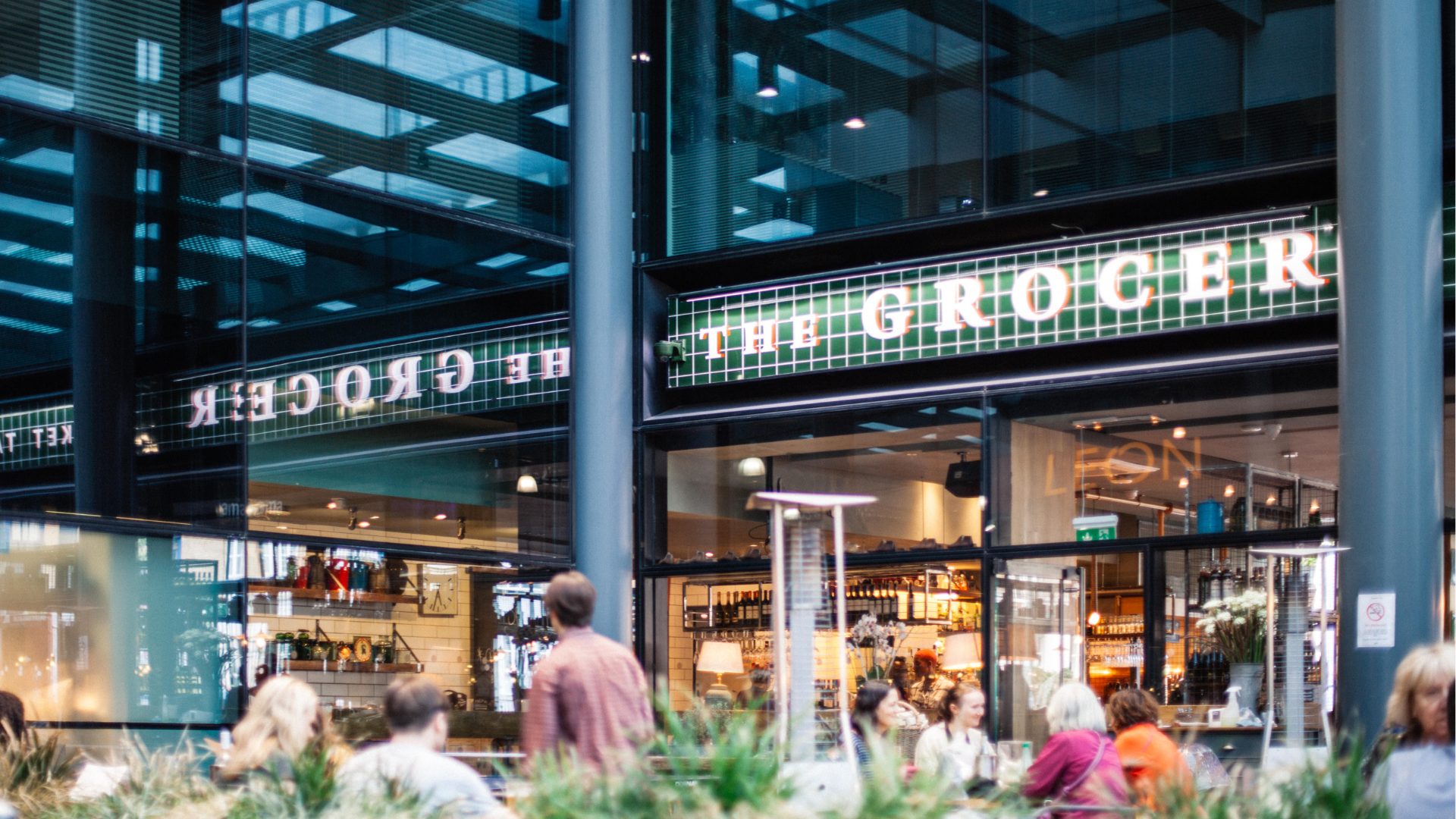
Despite fierce competition and inflationary headwinds, regional grocers like Village and Weis are quietly holding their ground. Tight-lipped but resilient, they may be poised for a tech-fueled rebound if they can endure a bit longer.
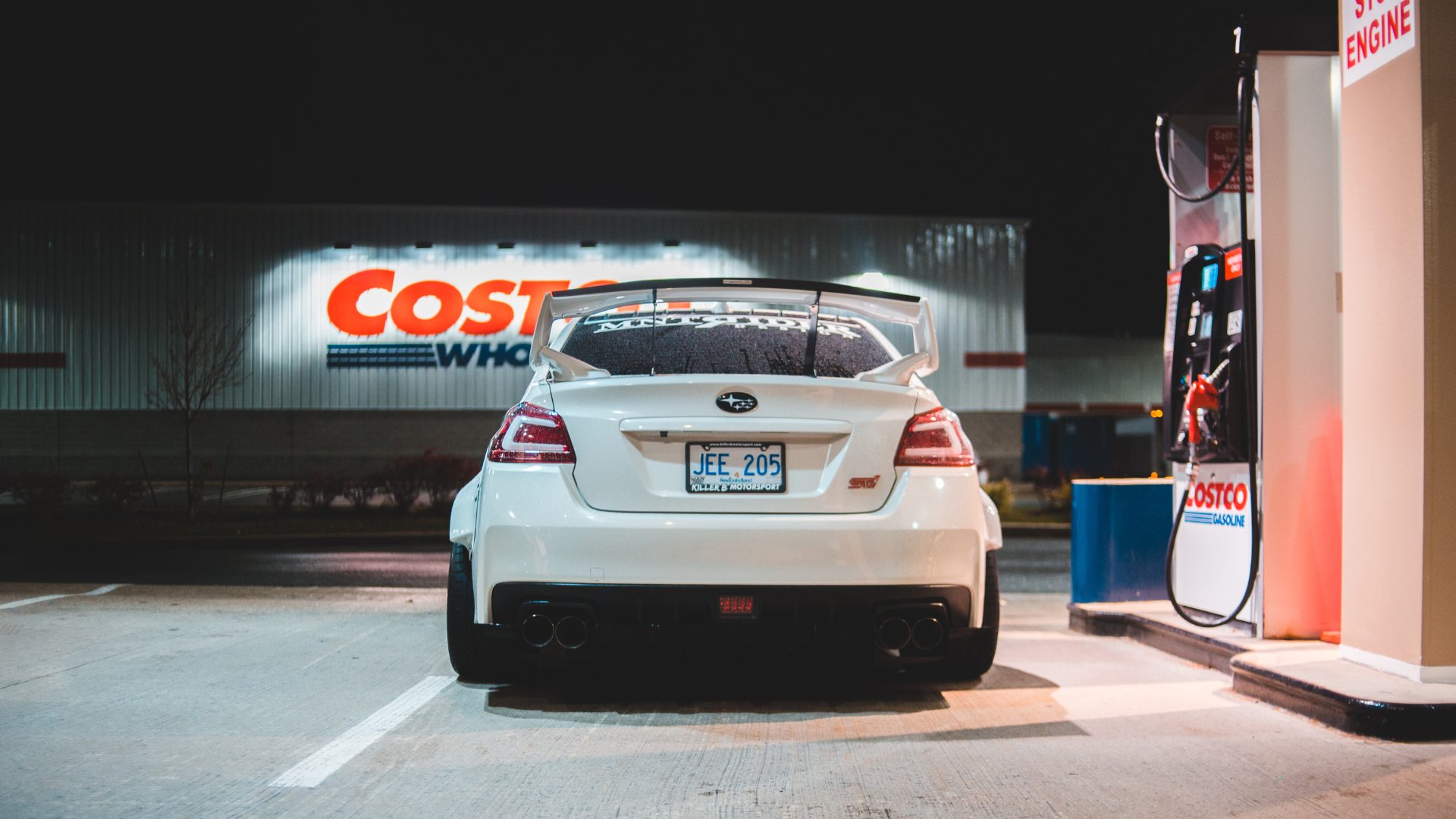
Costco has emerged as a clear winner of today’s difficult macroeconomic environment, enjoying 7.3% same-store sales growth over the year. The club store’s aggressive strategy to expand to 20 more markets indicate it will only get bigger.
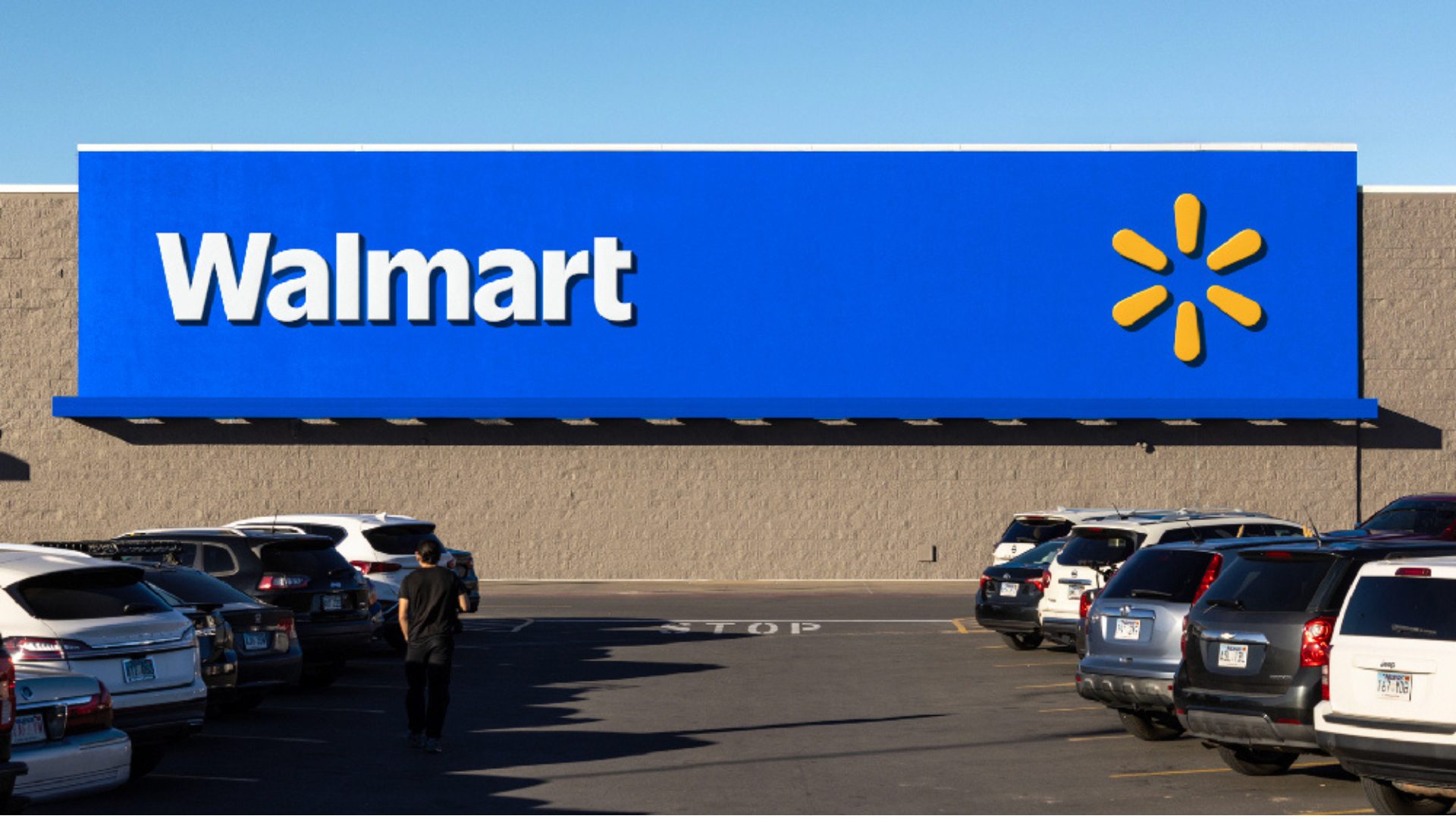
Walmart’s Q2 sales crushed expectations, but tariffs and health costs trimmed profits. Grocery and fresh categories surged, signaling strong share gains, even as the retailer braces for a murky, margin-pinched second half.
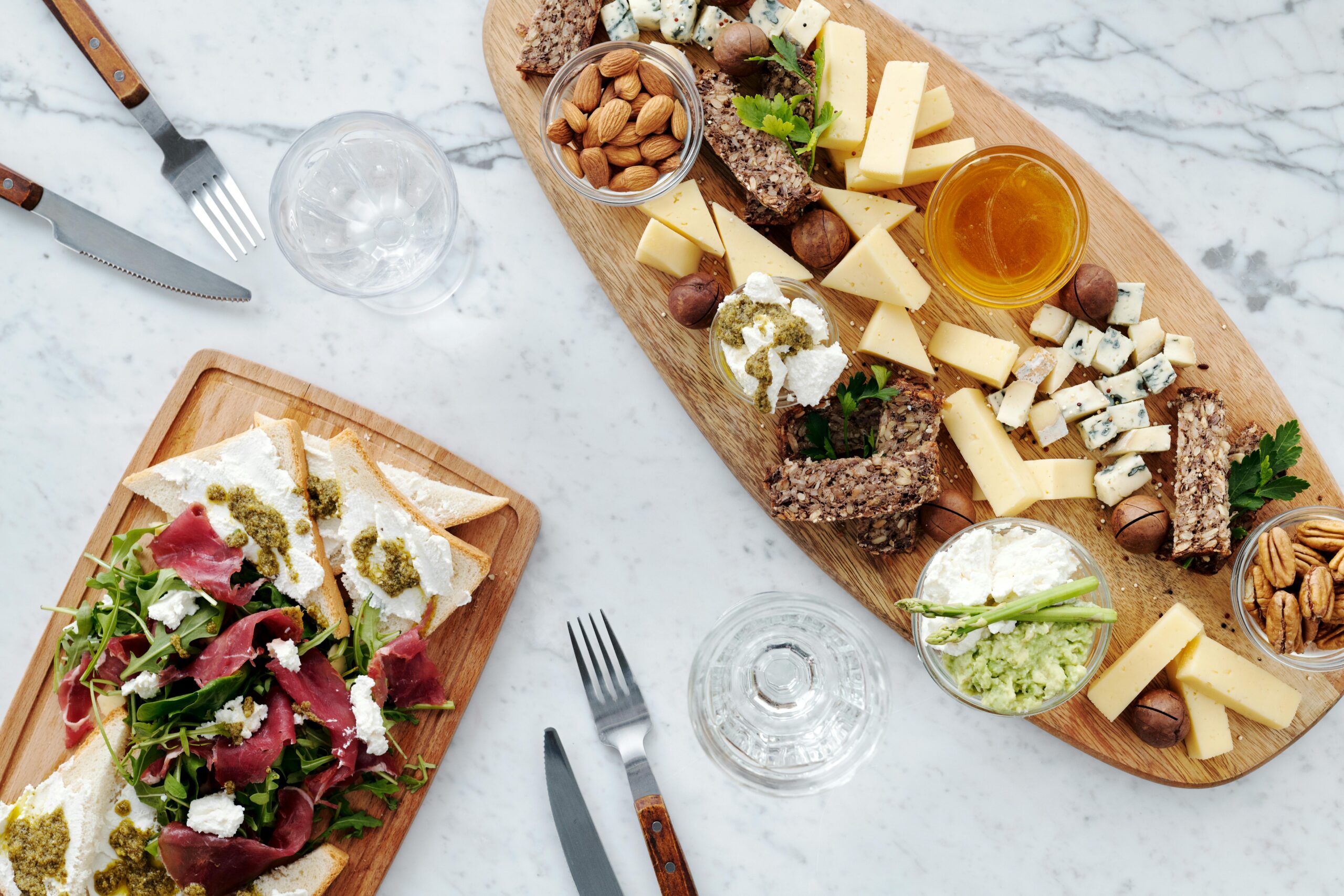
Recently, the F&B industry has seen an uptick in hybrid plant-based products, which blend standard meat and dairy with meatless and dairy-free versions. But will consumers embrace them?
Following its earnings call last Tuesday, Albertsons stock finished the week up about 2.5% – but the stock took a winding road to get there. Shares originally fell nearly 8% on Tuesday, the day after the company’s fiscal fourth quarter release, before bouncing back over the next two trading sessions.
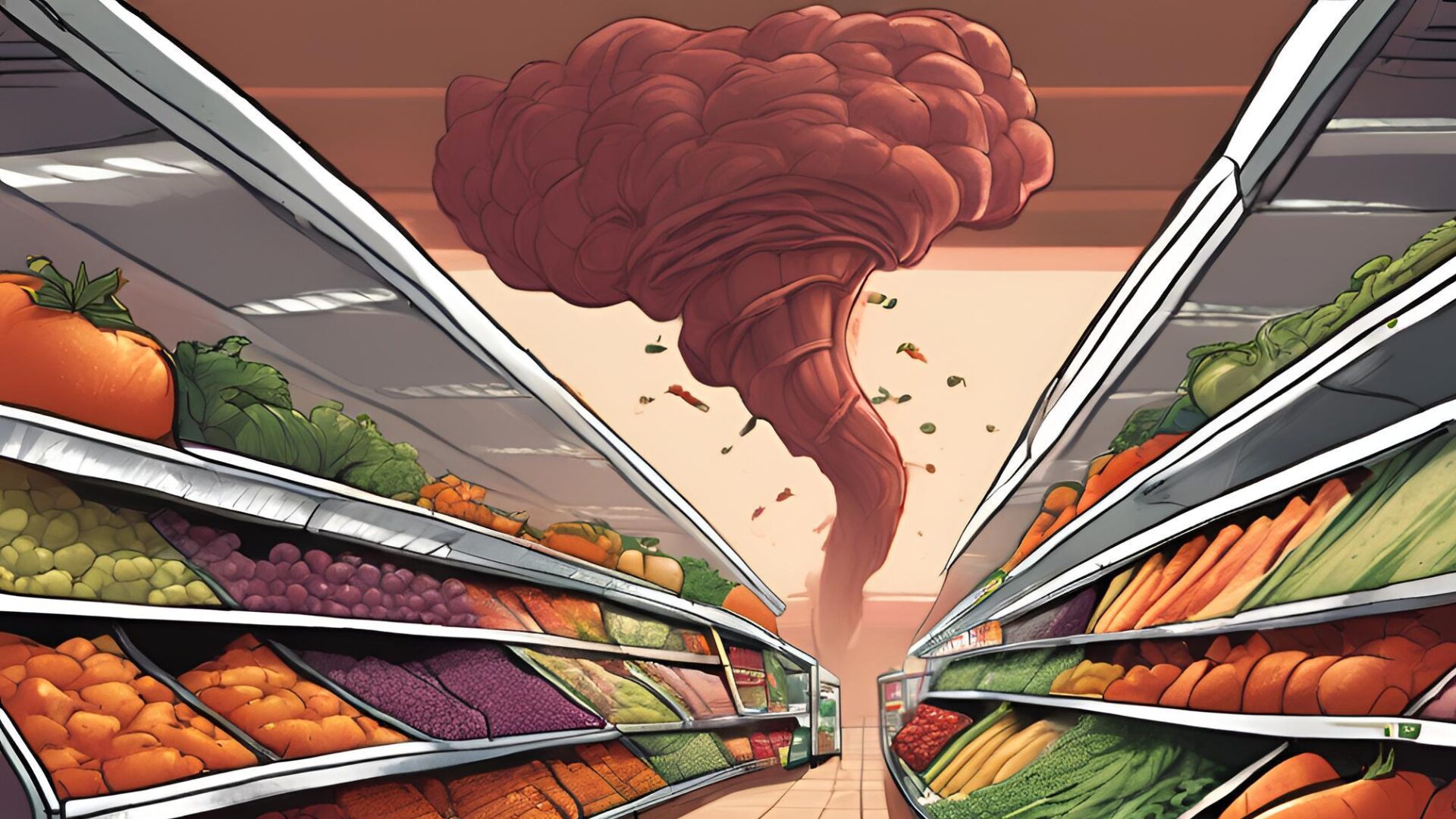
The proposed tariffs by the Trump administration on Mexico and Canada are expected to significantly increase fresh produce costs in the U.S.
The latest FI Fast Break news podcast touches on Starbucks’ revamped drink menu for 2025, featuring new beverages like a Cortado.
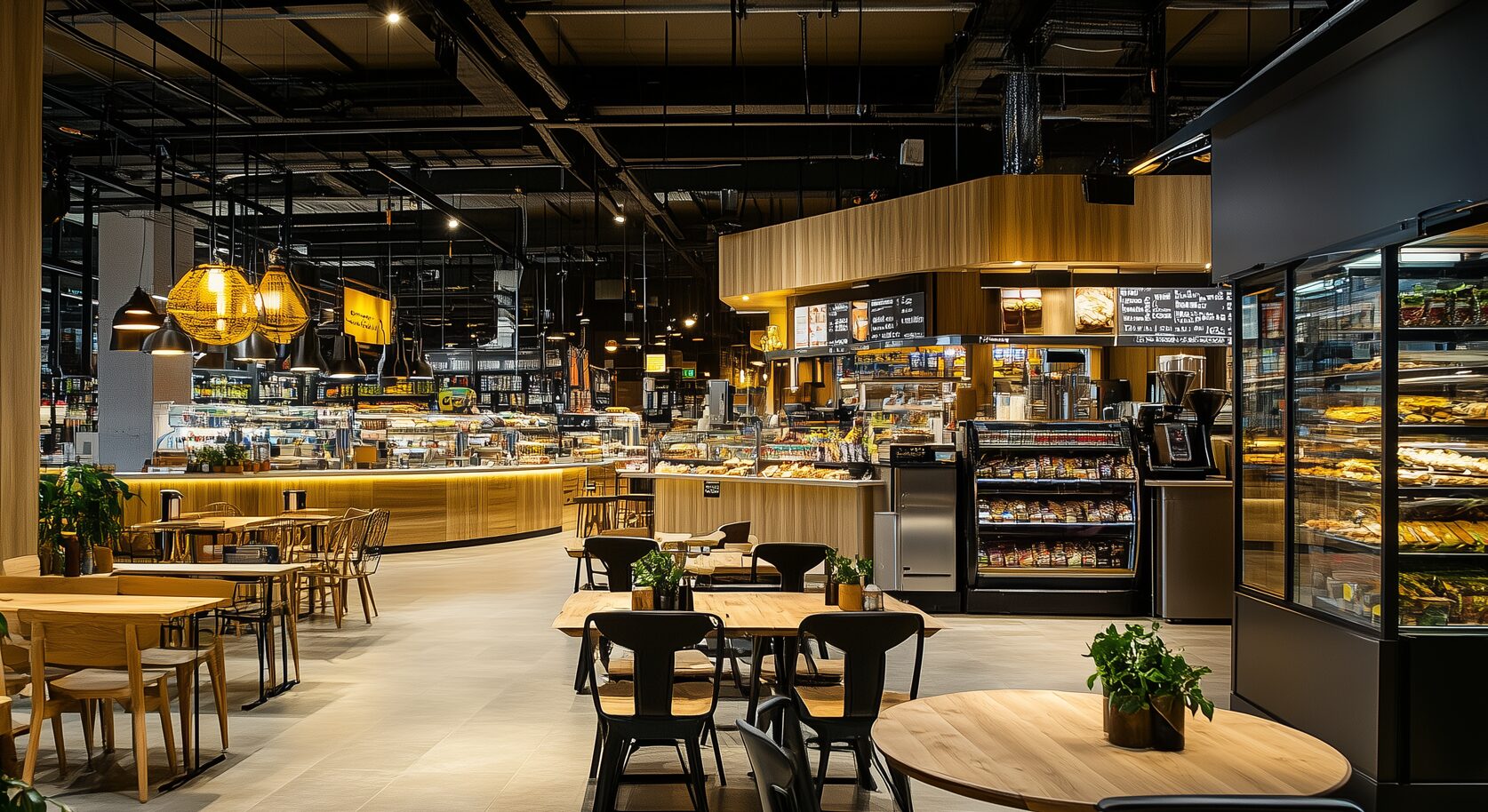
Retailers are navigating a complex landscape right now marked by regulatory scrutiny, rising shrinkage, and financially stretched consumers. These pressures are forcing retailers to adapt quickly, according to Supermarket Guru Phil Lempert.
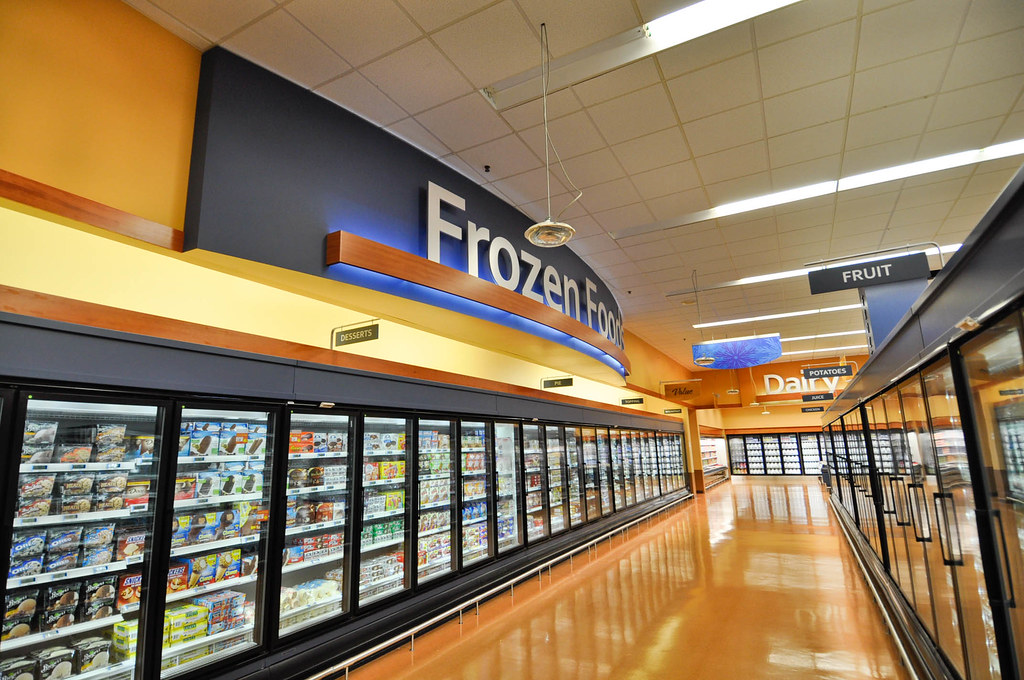
As consumers continue to stockpile frozen foods, retail operators are leveraging private labels to tap into that demand. Which frozen products are experiencing the most store brand sales growth? FI investigates.
Everything is cyclical. There’s a pendulum at play for any brand investing heavily in the private-label game – as more house brands populate shelves with similar names and cheaper prices than their national brand counterparts, public perception of the parent company may swing along with the pendulum; in other words, some consumers may begin to question what they’re compromising when their carts are full of private-label goods instead of the national brands they may have been buying last week, last quarter, or last year. So swings the pendulum as a blade of commerce.
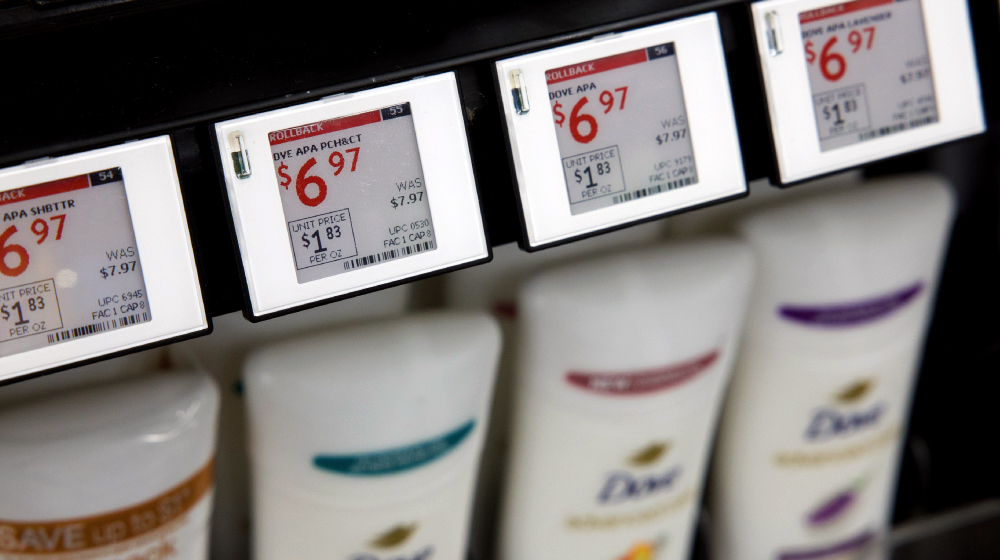
“The digital element presents an expanded shopper/marketer revenue stream for the company,” Zakowicz said.
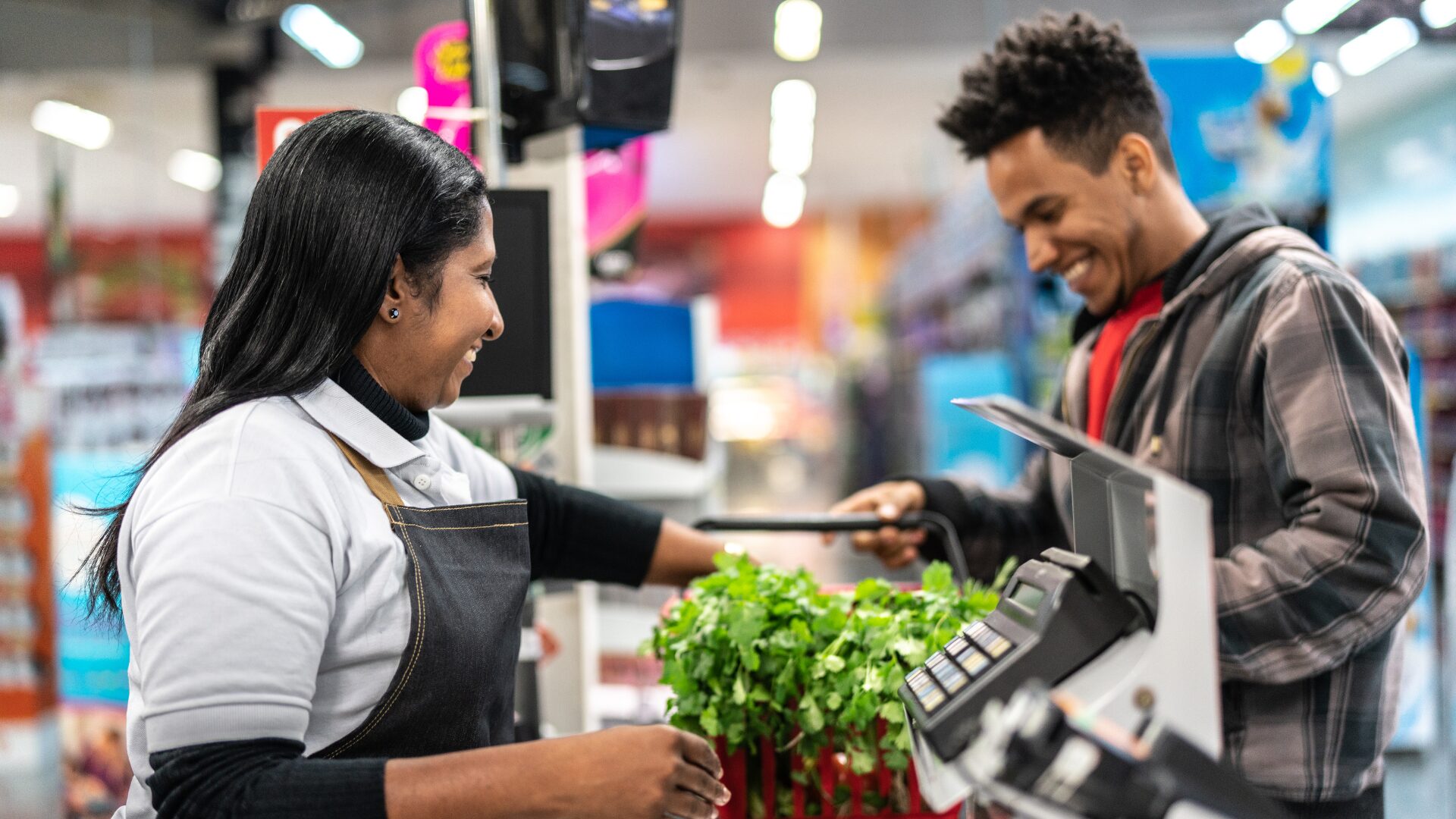
Today’s retail workers are most eager to be equipped with tools that help them tackle inefficient tasks, particularly when interacting with customers.

Shopper experience in the physical store is often what truly differentiates the independent grocer from brick-and-mortar chain stores and online e-commerce competitors like Amazon. The right mix of products, priced right, offered in the right place, and services delivered by welcoming staff in a pleasant environment are essential to building sales and customer loyalty.
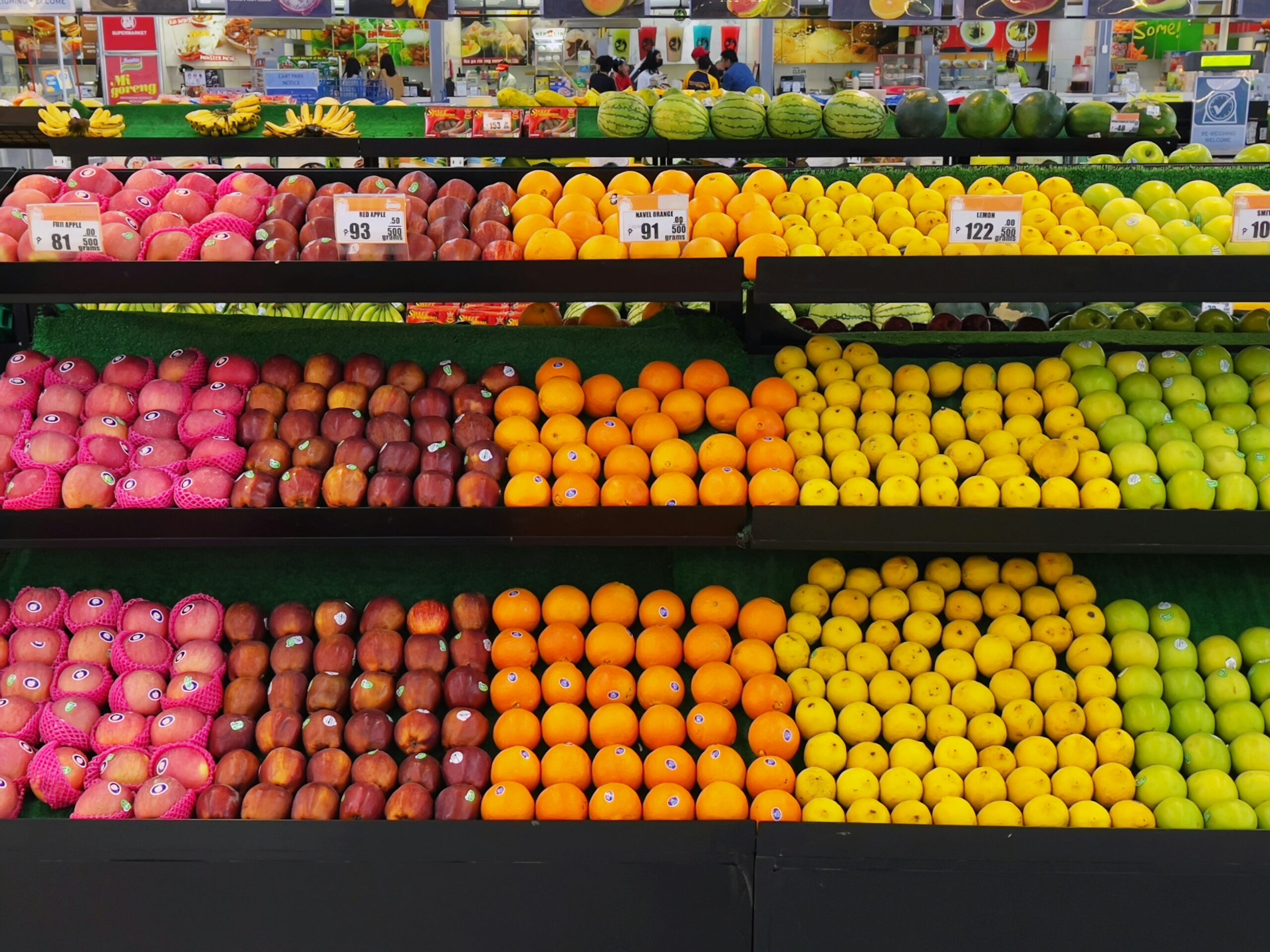
Many consumers feel they can’t win on cost alone – they also need an experience, or at least a decent reason to visit a brick-and-mortar store.

As more work is being published (and more health-focused products manufactured) to improve health and happiness, we may be entering an era in which the average human life can not only be improved, but extended. Are store managers ready for what that means?
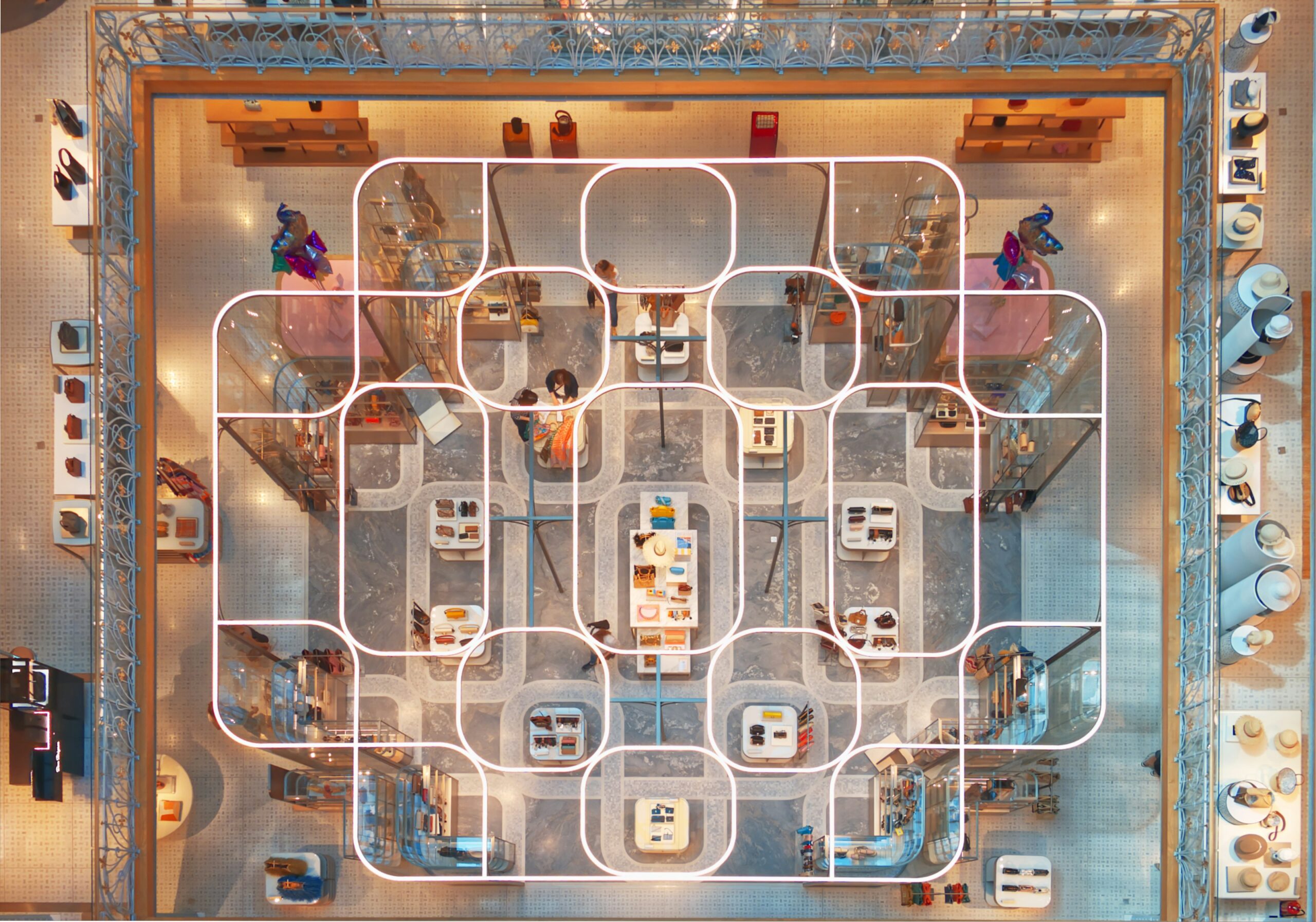
In a few short years, retail will be a totally immersive and data-driven experience highlighted by personalized AI recommendations for health and home, smart carts to increase efficiency (and solve the traveling salesman’s dilemma in-store), and much more.

So prevalent and all-consuming is the cultural agency of the Costco Kirkland Signature All-Beef Hot Dog that it’s propelling a crypto “memecoin” on the Solana crypto exchange. That is a real sentence. “Hot dogs are in control,” writes one commentator on TikTok. “The buns stay on,” adds @Jan crypto trader in the same thread amid a rising swell of crypto brokers.
“Customers will step into a retail environment where every interaction is personalized, guided by AI algorithms that efficiently navigate shoppers through aisles and offer tailored product suggestions in real time,” fostering brand loyalty and elevating the consumer experience to “unprecedented satisfaction levels.”
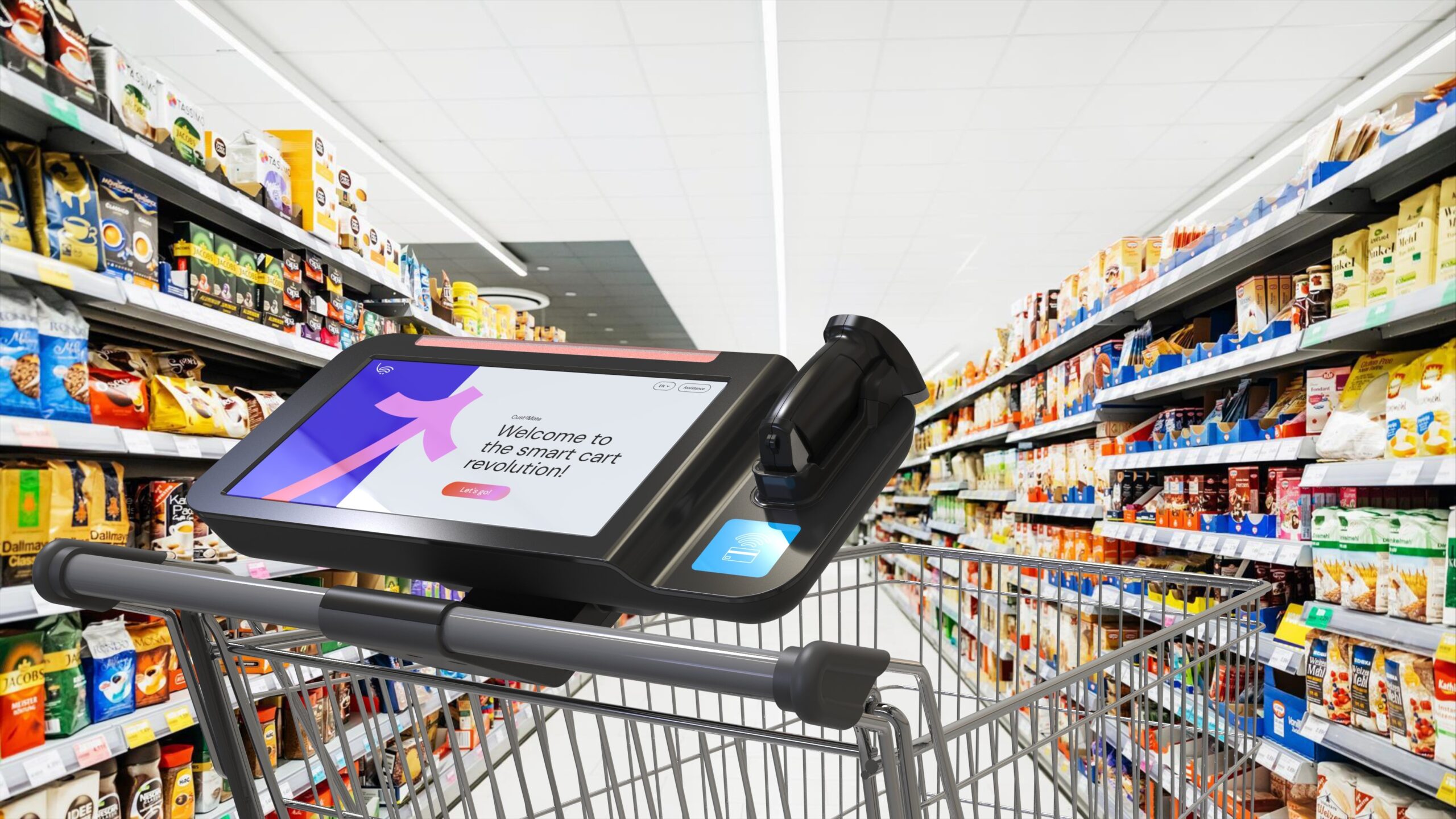
To further understand how inventory and supply chain will change, Jarvis said the end of data silos must be achieved “to create a holistic understanding of each shopper, their interactions, and the stream of information being shared with them.

“By 2030, visiting a Target, Walmart, or Costco won’t just be about shopping,” said Diana Zheng, head of marketing at Stallion Express, a leading e-commerce shipping company from Canada, “It will be an experience. An immersive experience. A personalized experience, even a social experience.”
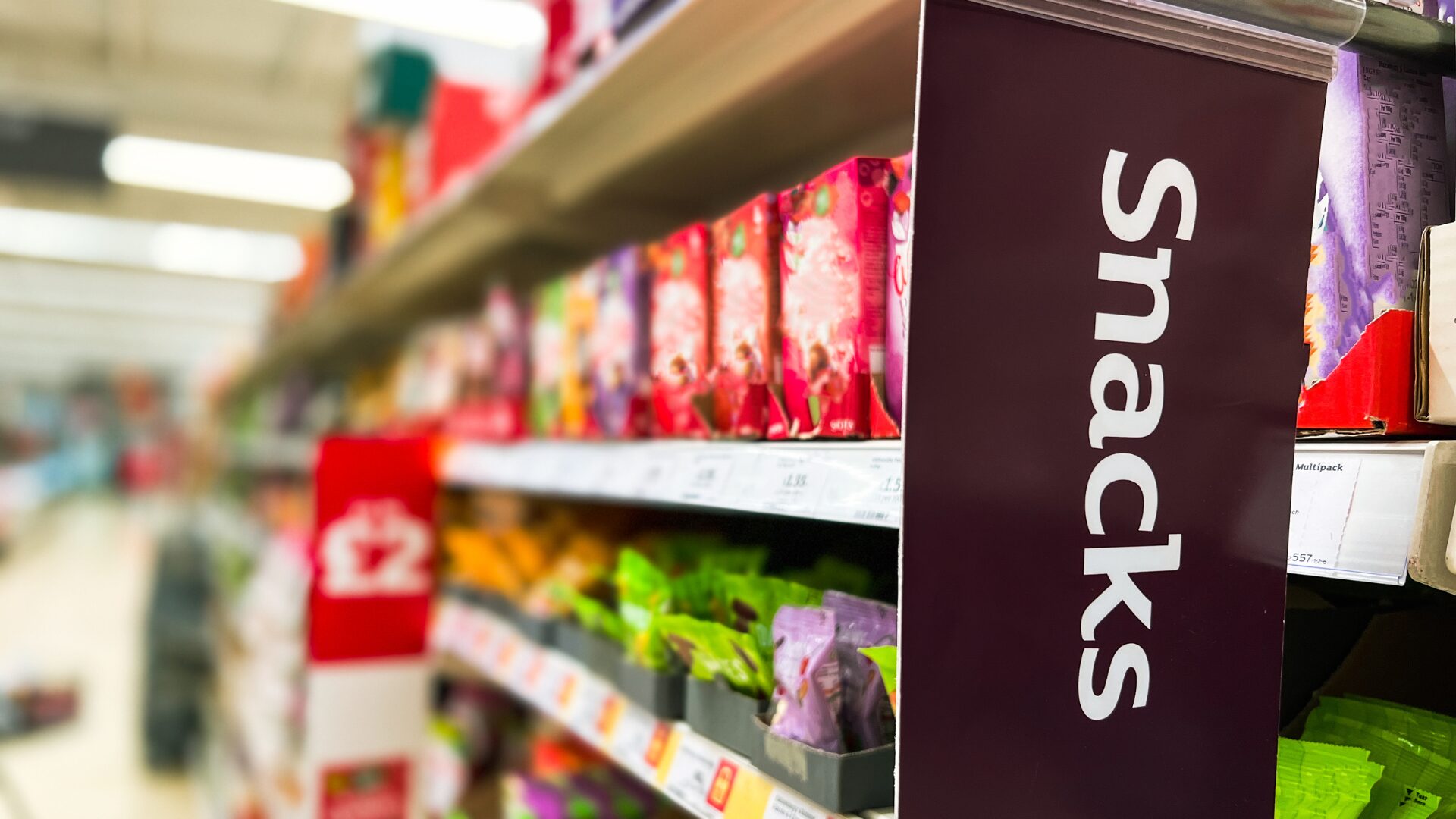
Despite some titans of the pantry and cookie jar winning in their categories (Keebler’s Chips Deluxe Fudgy in the Cookie category; Dr. Pepper Strawberries & Cream in Soft Drink), better-for-you offerings not only abounded but won several snacking categories.

The least expensive products will start at just $1.99 and range from apparel to supplements, vitamins to technology, and more. Many of the offerings will be exclusive to Target and complement its dedicated online wellness destination that features ideas, meal inspiration, and more.

The J.D. Power 2023 Pharmacy Study finds consumers prefer Sam’s Club to Costco when it comes to brick-and-mortar mass merchandiser pharmacies, and H-E-B to Wegmans and Publix when it comes to supermarket pharmacies. “As pharmacies …

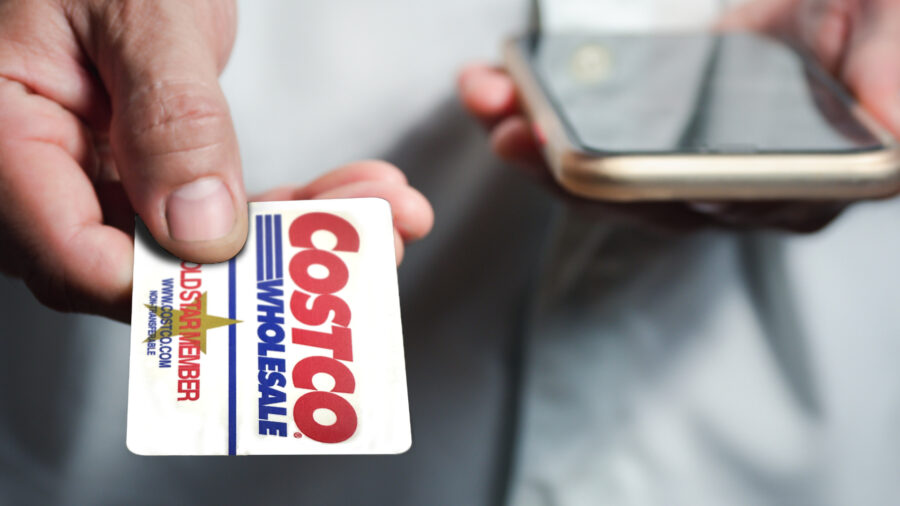
It’s unusual for a retailer to make it more difficult for consumers to shop at its stores. But membership fees are the key to Costco’s business. In fiscal 2022 (ending August 28), membership fees accounted for 54% of the company’s operating profit; the figure has risen to 58% in the first three quarters of fiscal 2023.
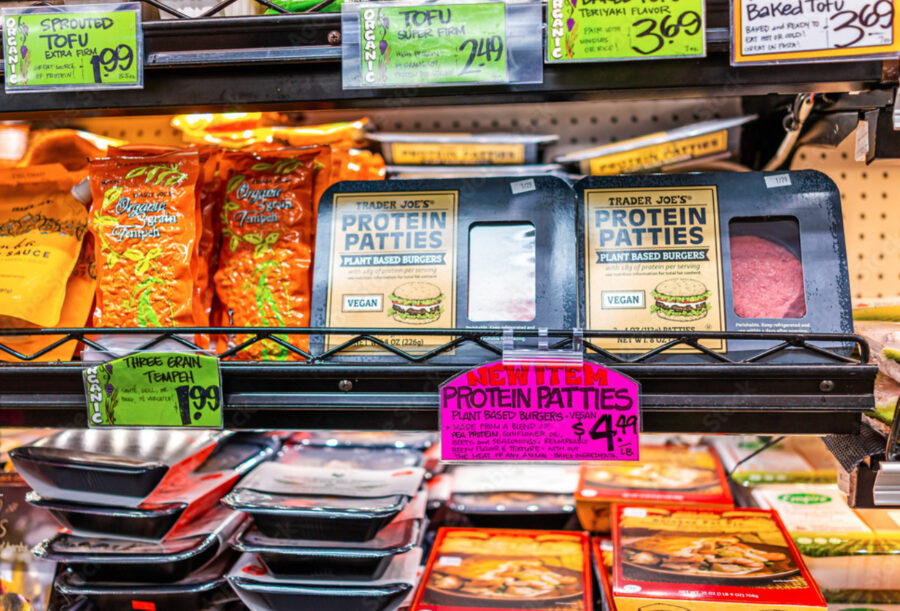
Private label has become a major category for retailers: 59% of executives say they will continue to prioritize private label, while 21% say their private label efforts will be accelerated, according to a survey by …
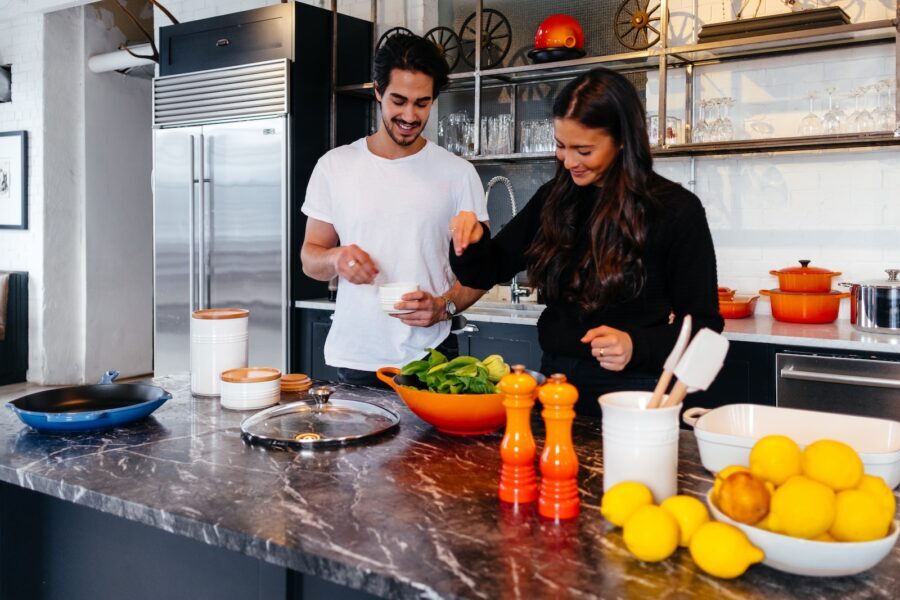
Grocers looking to stand out can tap into two trends: the demand for healthy foods and growing interest in cooking at home.
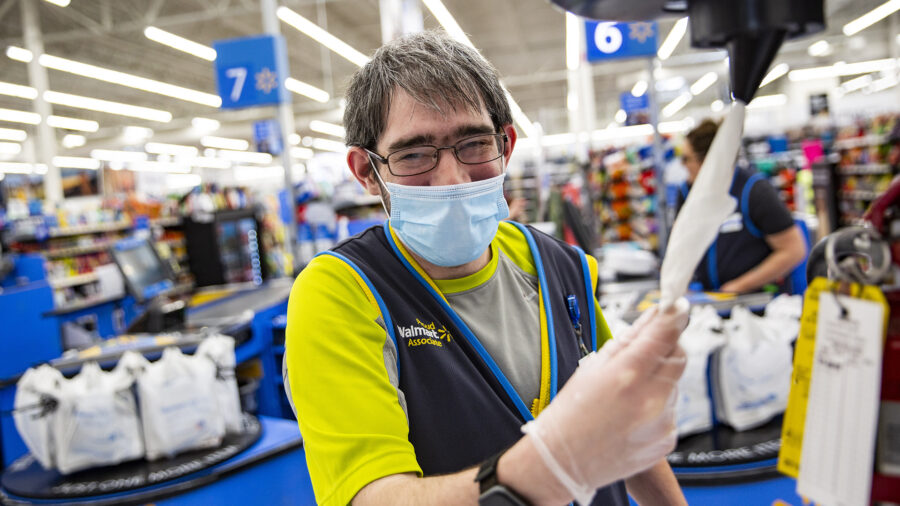
Now that Walmart has joined Target and Costco by raising their minimum pay to about double the federal rate of $7.25 an hour, fast-food outlets may have to consider boosting their minimum to $20 to …
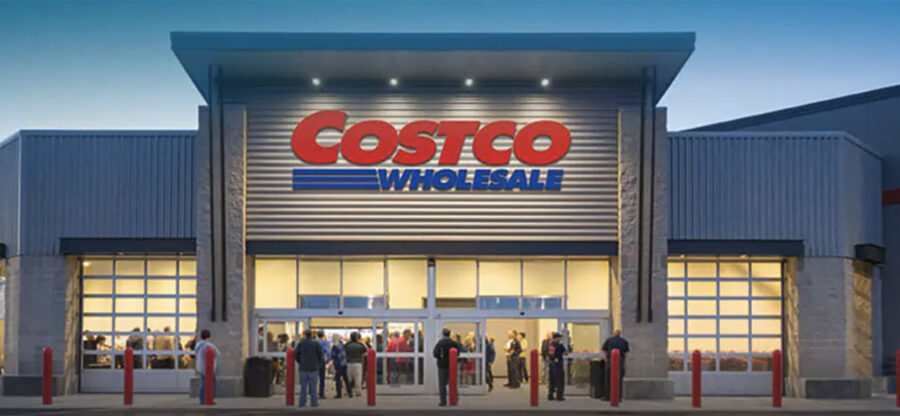
Costco CFO Richard Galanti reveals the formula for Costco’s lofty customer service score: keeping members happy, especially during inflation.

Recent food recalls illustrate a “disturbing” lack of food safety culture, according to Dr. Vanessa Coffman. One in six Americans fall ill from foodborne illness annually these days. Making matters worse, the public is often …

Who doesn’t love a bargain? Consumers likely will be in luck this summer as retailers, whose inventories have swollen largely due to the pandemic and shifts in buying behaviors, try to rationalize their stocks amid …
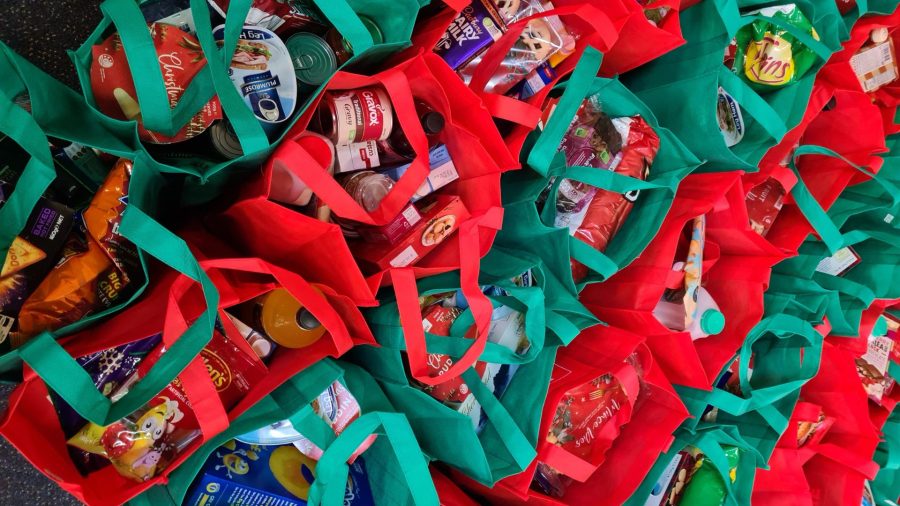
Nearly two years into the COVID-19 pandemic, consumers are still buying in bulk. Following over 20 years of steady but slow sales growth, sales at bulk retailers Costco, Sam’s Club and BJ’s Wholesale Club, rose 26.6% …
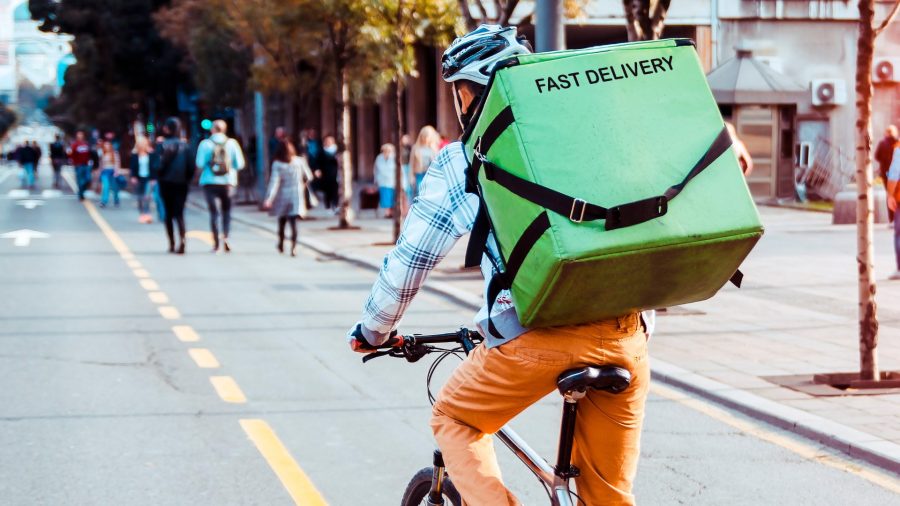
In a recent Barclays conference call, a team of analysts discussed the success of gig delivery and how it could become a compelling offering for retailers. Here’s a look at the key takeaways from the …
A detour to the grocery store on the way home from work used to be just part of the daily grind, but all that has changed, and Amazon’s entry into the grocery business is moving …
On a recent earnings call, Kroger CFO Gary Millerchip said the retailer will be “passing along higher cost to the customer where it makes sense to do so.” The CFO acknowledged the company’s facing pressures …