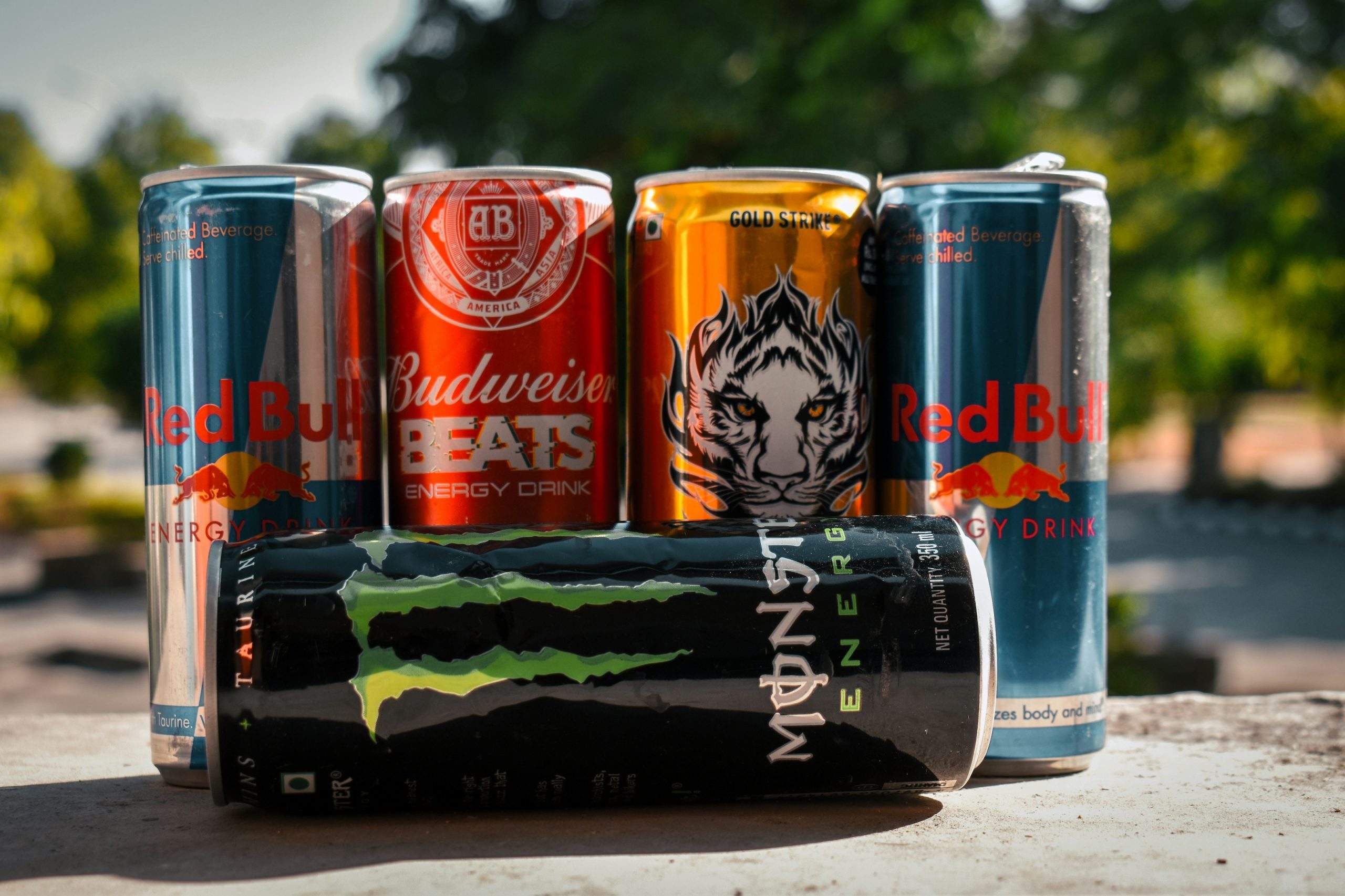
Did you know a single can of Reign, Bang, or G Fuel contains roughly 300 milligrams of caffeine – nearly three-quarters of the recommended daily limit for adults?
For those who also drink coffee, tea, soda, pre-workout, or other caffeinated beverages throughout the day, things can add up quickly.
This is part of the reason the FDA has identified caffeine-content labeling as a 2026 priority.
Although F&B manufacturers are required to list caffeine when it’s a standalone ingredient, they’re not required to disclose the actual milligrams per serving, and this discrepancy has been creating confusion among consumers – especially as they become more savvy about health and wellness.
Inconsistency Abounds 
“From my perspective, caffeine labeling is pretty inconsistent, and part of that is because, unlike alcoholic beverages, FDA doesn’t pre-approve labels for most non-alcoholic beverages before they go to market,” said Ashley Hanke, partner at Malkin Law P.A. and a lawyer specializing in beverage industry regulatory compliance.
Many brands voluntarily list the caffeine content of their beverages already, as it’s often a selling point within the popular energy-drink segment.
However, several of the experts I interviewed believe that this type of voluntary disclosure isn’t enough.
“Clearer and consistent labeling will allow consumers to better understand how much caffeine they are consuming through food and beverage products,” said Kezia Joy, a registered dietitian nutritionist and medical adviser at Welzo.
“Therefore, labeling is essential in helping consumers make educated decisions about which food and/or beverages best fit their personal health needs and levels of sensitivity,” Joy told FI.
Beyond the Beverage Aisle
The issue becomes even more complex in foodservice contexts, as coffee chains, convenience stores, and restaurants often sell drinks that vary in size, bean type, preparation method, or customization that may contain more caffeine than expected.
Daryl Finn, head of marketing at Blend 2 Vend, a U.K. company that installs and maintains bean-to-cup coffee machines for hundreds of businesses, says that made-to-order is where disclosure gets especially hard.

“Two ‘flat whites’ from the same machine can carry very different caffeine loads depending on the dose programmed, bean, and shot count,” he explained, noting that modern equipment is already able to track dose information.
Though this has made caffeine estimates more feasible, key challenges remain in standardizing recipes across locations.
Functional Positioning
Many brands leverage functional claims like clean energy, improved focus, or other wellness perks to set their beverages apart; however, when caffeine is responsible for the effect, experts recommend clearly stating the amount.
“Caffeine works best when it’s controlled, and control starts with transparency,” said Abel Santa, founder of FRISS, a caffeine pouch brand.
“That is why FRISS states its dose on every can and is third-party tested and anti-doping certified,” he explained.
Hanke says it’s crucial for brands to consider the broader marketing impression that they’re creating in addition to the individual claims on labels.
For instance, if a brand leads customers to believe a product’s functional perks come from proprietary ingredients when caffeine is the actual culprit, it could create a disconnect that poses regulatory and/or litigation risks down the line.
Advice for Brands
Experts advise F&B brands to start reviewing their labels, websites, and marketing materials – before they’re forced to.
“Companies shouldn’t wait for the FDA to issue new guidance before taking a closer look at their products,” Hanke told FI.
Although upfront caffeine disclosure isn’t a requirement just yet, the FDA review suggests a change could be coming – and the brands that get ahead of it could dodge a costly compliance burden.
Food for Thought Leadership
In this episode of Food for Thought Leadership, FI VP of Content and Insights Chris Campbell sits down with FI CEO and Managing Partner Brian Choi to examine the growing disconnect between economic headlines and the reality facing consumers and food businesses. The discussion explores why declining gasoline prices and moderating CPI figures fail to capture persistent food inflation, weakening consumer sentiment, and the financial pressures driving more Americans to rely on debt to purchase groceries.