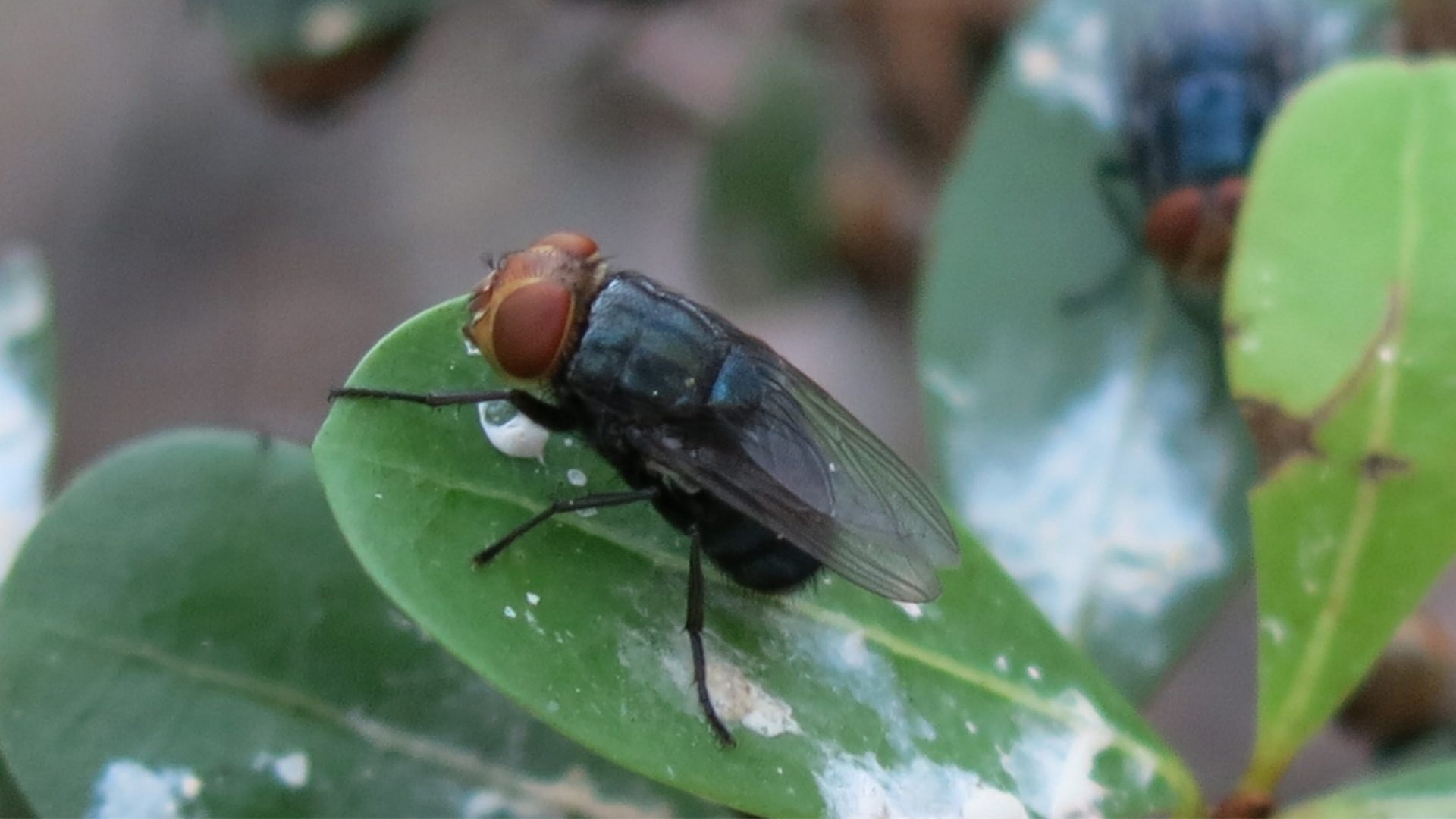
USDA researchers were readying a test of NovoFly, a genetically engineered insect designed to prevent the New World screwworm from devastating the U.S. livestock industry.
At least forty-two cases have been detected in Texas and New Mexico since June, and experts are racing to prevent the incidents from spreading further. Funds used for monitoring screwworms were cut last year as DOGE attempted to reduce federal spending.

Bob Gilbert, a board-certified entomologist and staff entomologist at Blue Sky Pest Control, said he fears the U.S. response is inadequate.
“The right tools are being used: quarantines and movement controls, epidemiological tracing, surveillance, testing and trapping, producer outreach, and sterile insect releases. Those are the tools that eradicated screwworm from the U.S. in 1966 and helped eliminate the Florida Keys outbreak in 2017,” Gilbert said.
“The concern is not whether the tools work; the concern is whether they can be deployed fast enough and at sufficient scale before wild populations become established.”
USDA Races to Stop Screwworm Spread
The U.S. Environmental Protection Agency proposed registering NovoFly earlier this summer, putting on track to become the first genetically modified insect to receive government clearance.
The screwworm is endemic in parts of South America but in recent years has moved into Central America and Mexico. As temperatures climb, conditions become more favorable to the screwworm’s spread and seasonal survival.
“The long-term implications are serious. This is an animal-health, animal-welfare, trade, and food-supply-chain issue,” Gilbert said.
However, he added that the USDA doesn’t consider this situation a food-safety issue.
It is estimated losses could reach into the billions of dollars. Reuters reported the USDA has plans to see whether NovoFly can survive outside laboratory conditions. The test, which still needs the approval of the Panamanian government, involves keeping the flies in mesh cages as they are exposed to Panama’s weather conditions.
Alex Arp, a USDA research geneticist working in Panama, told Reuters the next phase of the test would involve releasing the flies in 50,000-insect batches at a ranch near the facility to determine how long they will survive.
What Makes the Screwworm Dangerous?
“An established screwworm population would mean more animal suffering, calf losses, treatment costs, labor costs, movement restrictions, trade disruption, and pressure on an already tight cattle market,” Gilbert said.
The Panama facility currently produces 100 million sterile flies a week to fight the flesh-eating insects, whose larvae burrow into open wounds and can kill an animal. Radiation is used to sterilize the flies.
If the field tests are successful, production may be moved to a new facility in Texas that’s expected to open in late 2027 to prevent possible brood collapse at the Panama facility should errors in optimal diet and conditions be made.
In addition to the sterile fly program, USDA has deployed traps that use an attractant. So far, however, no flies have been trapped.
Image Source: USDA APHIS
Food for Thought Leadership
Joe Slater, President and CEO of Gleaners Food Bank of Indiana, talks about the changing realities of food insecurity and how food banks are evolving to meet growing demand. Slater explains that today’s food-insecure population increasingly consists of working adults holding one or more jobs, as rising living costs outpace wages and changes to federal assistance programs leave many households with few options.