New technologies are sweeping through the food and beverage industry, prompting the closure of legacy production facilities and displacing workers, experts told The Food Institute.
In recent weeks, Tyson, General Mills, and MGP Ingredients have announced at least temporary plant closures.
“This has been building over the last five or so years and it will certainly continue and might even escalate,” said Stephen Dombroski, director of consumer markets at QAD.
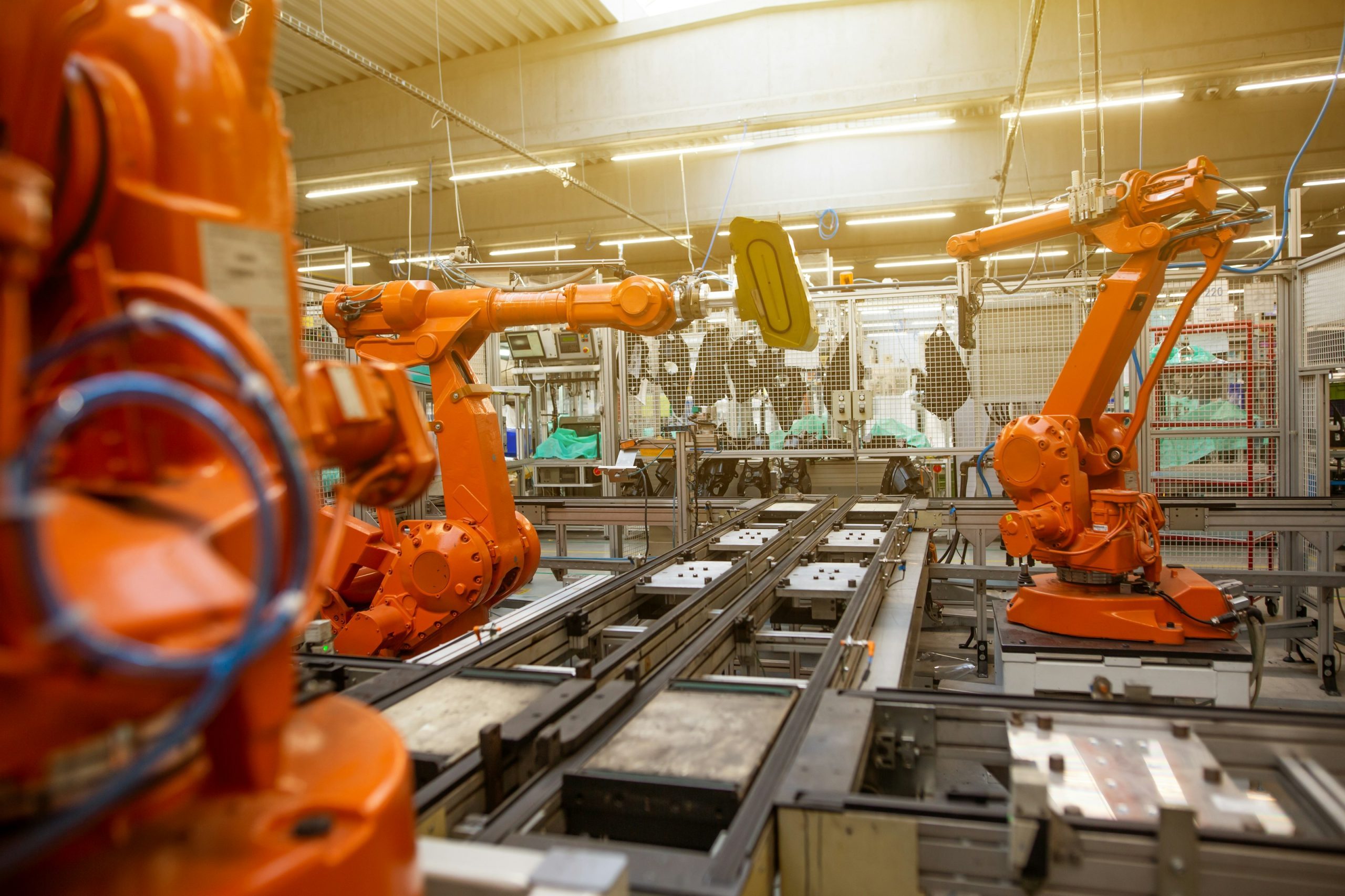
“These plant closures are not random events or slight aberrations. The multi-national and regional brands are shutting down older plants because high overhead and centralized production cannot keep up with speed, cost pressure, limited workforce and changing demand.”

Just Food reported Tyson planned to close its prepared foods plant in Rome, Georgia, which operated under a single-customer model.
“Recent changes made continued operations at the site no longer viable,” Tyson told Just Food, calling the decision “difficult.”
Earlier, Tyson announced the closure of a beef processing plant in Lexington, Nebraska, in what it called a “right-sizing” move, and the conversion of its Amarillo, Texas, beef facility to a single shift. The decisions followed disappointing 2025 results.
General Mills announced the closure of its pizza crust manufacturing facility in St. Charles County, Missouri, along with two pet-food production plants in Joplin.
MGP Ingredients said it would idle temporarily distilling operations at its Limestone Branch Distillery in Lebanon, Kentucky and Lux Row Distillers in Bardstown, Kentucky, to draw down inventory.
At the same time, InnovAsian Cuisine Enterprises Inc., a subsidiary of Nichirei Foods Inc., said it would build a state-of-the-art frozen food manufacturing plant in Jonesboro, Arkansas, KARK.com reported. And WSPA.com reported Signature Foods USA planned a premium refrigerated prepared foods facility in Anderson County, South Carolina.
James O’Brien, director of property and project services at TMX Transform, said the actions are part of a general supply chain reset.
“Rising labor costs and the need for purpose-built, technology-enabled environments are driving a shift toward fewer, more specialized facilities while market volatility in vacancy and development signals a transition – not a slowdown,” O’Brien told FI.
As changes in regulation and compliance (specifically food traceability) necessitate a connected warehouse environment producers and distributors will need to be able to react quickly, he added. Older facilities may not be able to respond without massive infrastructure overhauls.
Future constraints on power availability and workforce access are also likely to play a role.
There’s also a move toward contract manufacturing, shifting production closer to consumers and high-demand areas.
“Private labels are growing, which is putting pressure on the big brands. This is the start of a bigger reset. The manufacturers who are leaner, faster, and more flexible will win the market,” Dombroski said.
The Food Institute Podcast
In this episode of Food for Thought Leadership, Food Institute Chief Content Officer Kelly Beaton steps in as guest host to interview Fransmart CEO Dan Rowe on the evolving restaurant labor market. Rowe challenges operators to view labor not as a cost to minimize but as a strategic investment, noting that the most successful brands are those that “staff for the sales they want” and prioritize retention, engagement, and culture amid ongoing workforce constraints.