Fiber remains red hot. Protein continues to trend. And gut health is top of mind for many consumers. But the hottest topic of conversation this summer, according to Keychain CEO Oisin Hanrahan, will be GLP-1 weight-loss drugs.
As if Ozempic, Wegovy, and Zepbound weren’t already ubiquitous in America, Amazon is now offering a GLP-1 pill, called Foundayo. Suddenly, bathing-suit season just got a lot less intimidating.
“We’re going to see more impact from GLP-1s than we’re seeing already,” Hanrahan told The Food Institute. “There’s going to be this kind of pervasive GLP-1 shift.
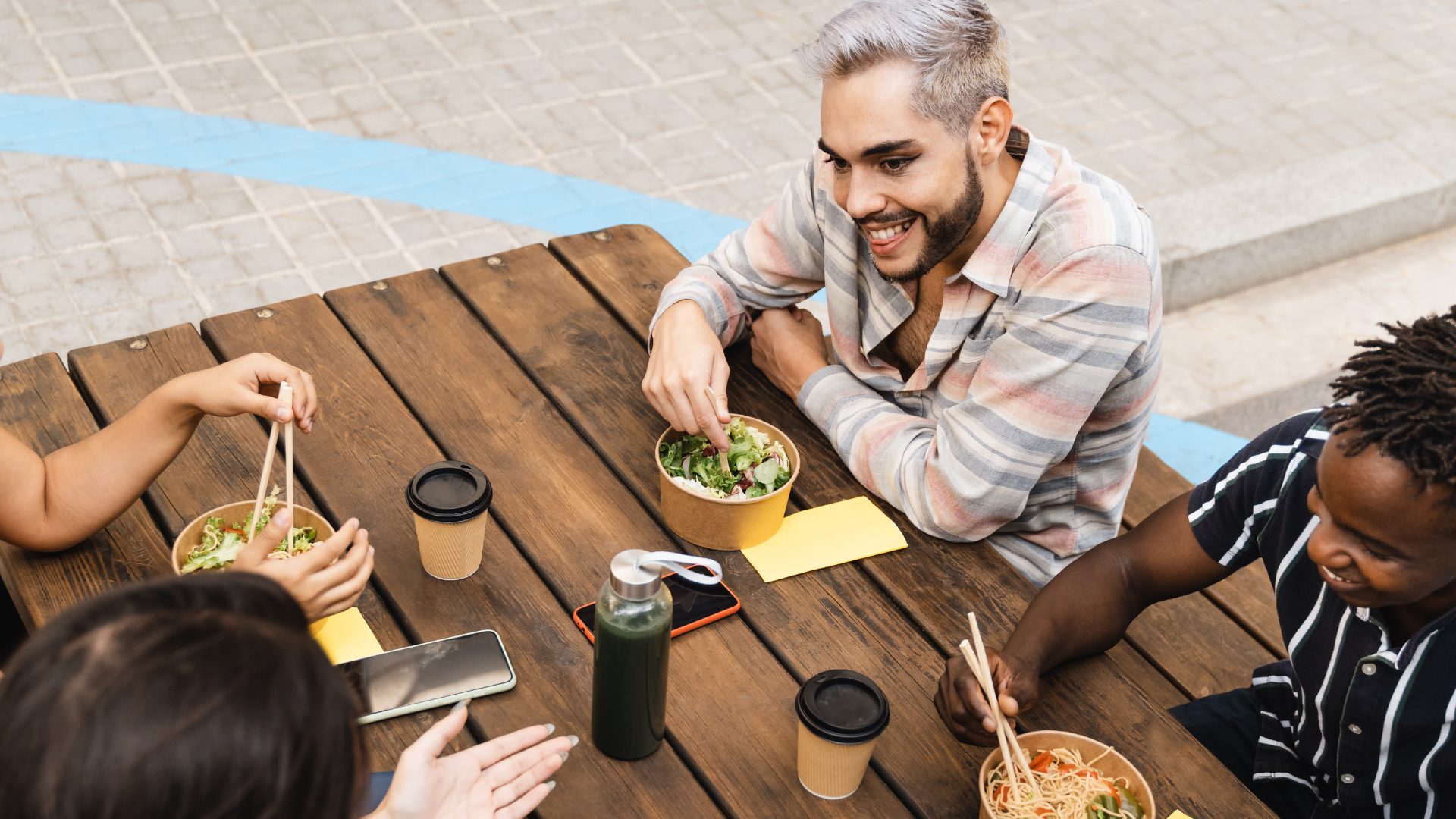
“Summer is the perfect time to be more GLP-1 friendly, if you will, as people shift away from rice, beans, and pasta and shift more into ‘salad mode.’”
As the CEO of a CPG manufacturing platform that works with major brands like General Mills, 7-Eleven, and Whole Foods, Hanrahan has his finger on the pulse of the F&B industry. Based on his conversations with industry leaders, here’s what Hanrahan sees as additional trends to watch in the summer of 2026:
AI Becomes Entrenched in Everyday Business
Hanrahan is rather bullish – and, admittedly, slightly biased – when it comes to artificial intelligence. After all, Keychain, which raised $30 million in a funding round late last year, is an AI-powered platform.
Still, most technology experts agree: AI is creating previously unfathomable efficiencies in the business world.
“AI is a superpower,” Hanrahan said, “for negotiating with your suppliers and getting them to fill in all the paperwork that needs to be done.”
“That constant manual work that needs to happen to monitor your suppliers? In 2026, 90 percent of that work can be done with AI,” the CEO said.

Pack Formats Evolve
F&B companies continue to strive for more environmentally friendly packaging featuring less plastic. Smaller, individual packages have also become more prominent, especially for snack products.
“The pack format is kind of a story of two cities” right now,” Hanrahan noted. “We’re still moving toward individual packs, but there’s also this environmental [focus] that’s going on that’s meaningful.
“There are certain brands and certain manufacturers that are looking more and more at whether there’s plastic leaking into the food from packaging. People are asking whether certain pack formats are more susceptible to putting microplastics in food.”
Low‑Ingredient Innovation Heats Up
Consider the most successful, growing brands on store shelves these days. Many of them – such as MadeGood, for example, with its cookies and granola bars – have relatively low ingredient counts.
Brands are focused like never before on providing nutritious, healthier-for-you products.
Not long ago, Hanrahan said, “we had this wave of crazy flavors, where everything was spiced or infused. We’re seeing a shift back toward more natural, simple flavors. You see it in the summer categories, whether it’s grab-and-go salted snacks, or chips, or salted items; we’re seeing more and more of those having lower ingredients, fewer preservatives, a shorter shelf life, and being more natural.”
Even confectionery brands are leaning into better-for-you items.
“With sweet treats, whether it’s chocolates or candy, we’re starting to see a disrupter come up which is cleaner with a shorter shelf life,” Hanrahan said. “I think those products are highly disruptable.”