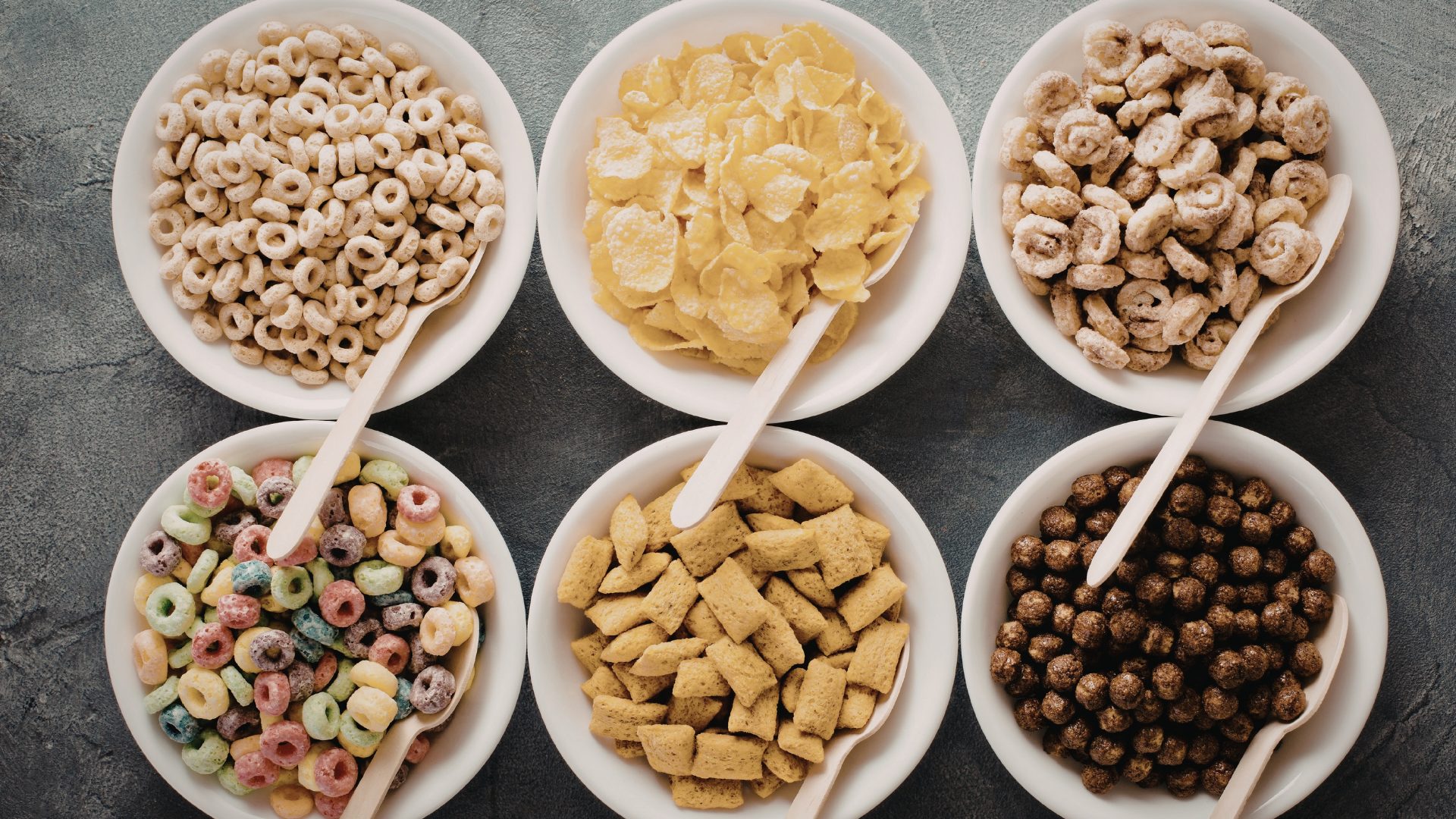
The cereal aisle is losing its grip on the American breakfast.
Disillusioned by saccharine children’s cereals, consumers are shifting their breakfast food dollars. Meanwhile, legacy leaders are pivoting to maintain margin.
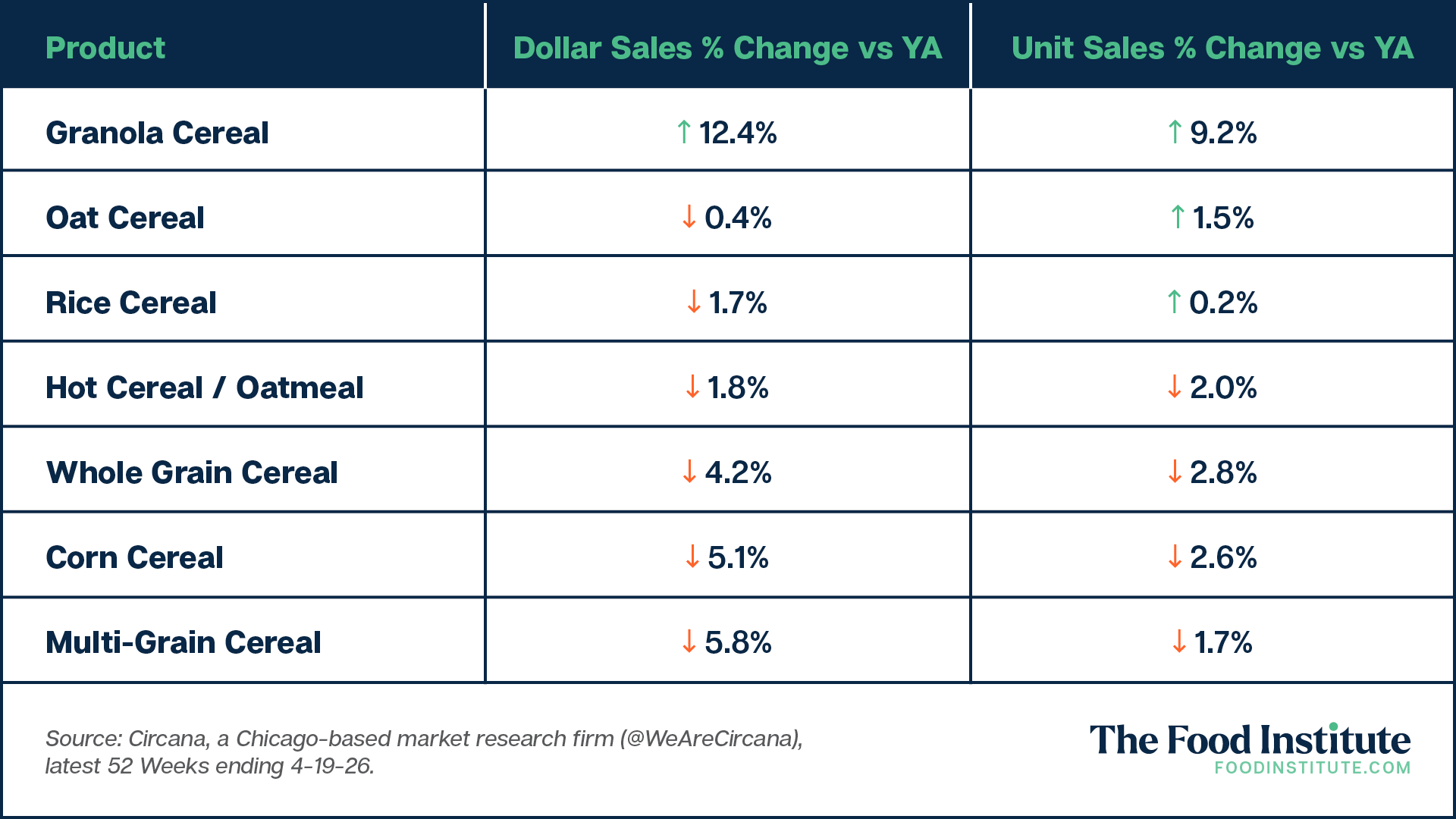
Cereal dollar sales fell 1.1% in the 52 weeks ended April 19, according to data from Circana. Meanwhile, unit sales are down only 0.2%, suggesting that manufacturers and retail leaders have relied on promotional and price-reduction strategies to stave off further declines.
Lior Lewensztain, CEO of plant-based snack company That’s It, attributes category contraction to health-conscious shoppers.
“Consumers are becoming more ingredient-savvy, largely because of social media. Nutrition guidance is shifting toward more nutrient-dense, minimally processed foods,” Lewensztain told FI.
As artificial dyes and ultra-processed ingredients continue to face regulatory and consumer scrutiny, legacy brands that built businesses on eye-catching, processed, indulgent offerings are challenged to bridge the gap between health and cultural relevance.
“Cereal does not need to disappear. It needs to grow up, and it’s long overdue.”
He noted that cereal used to win based on convenience, nostalgia, and brand loyalty. Now, the model has shifted. Consumers today want healthier offerings and those that support an on-the-go lifestyle.

As a result, granola-based cereals have become a bright spot in the category, up 12.4% from last year despite overall contraction in the cereal and breakfast aisle.
Legacy leaders such as General Mills and WK Kellogg pledged to remove artificial dyes from their cereal products by the end of next year, marking an industry shift that addresses modern food ingredient concerns. These brands still believe in these children-oriented offerings; however, they opt to modify the value proposition to secure growth.
Then, there’s the fact that Gen Z killed cereal.
Not only are these shoppers more likely to skip breakfast altogether, but when they do dine, they prefer eggs, fruit, toast, or pancakes. A YouGov report found that only 26% of Gen Z consumers normally eat cold cereal for breakfast, compared to 34% for Millennials, and 36% for Gen X.
“Generationally, Gen Z just never picked up the cereal habit at the same rate as the cohorts before them,” Shawn Schlosser, CEO of food-tech firm Food Truck Club, told FI.
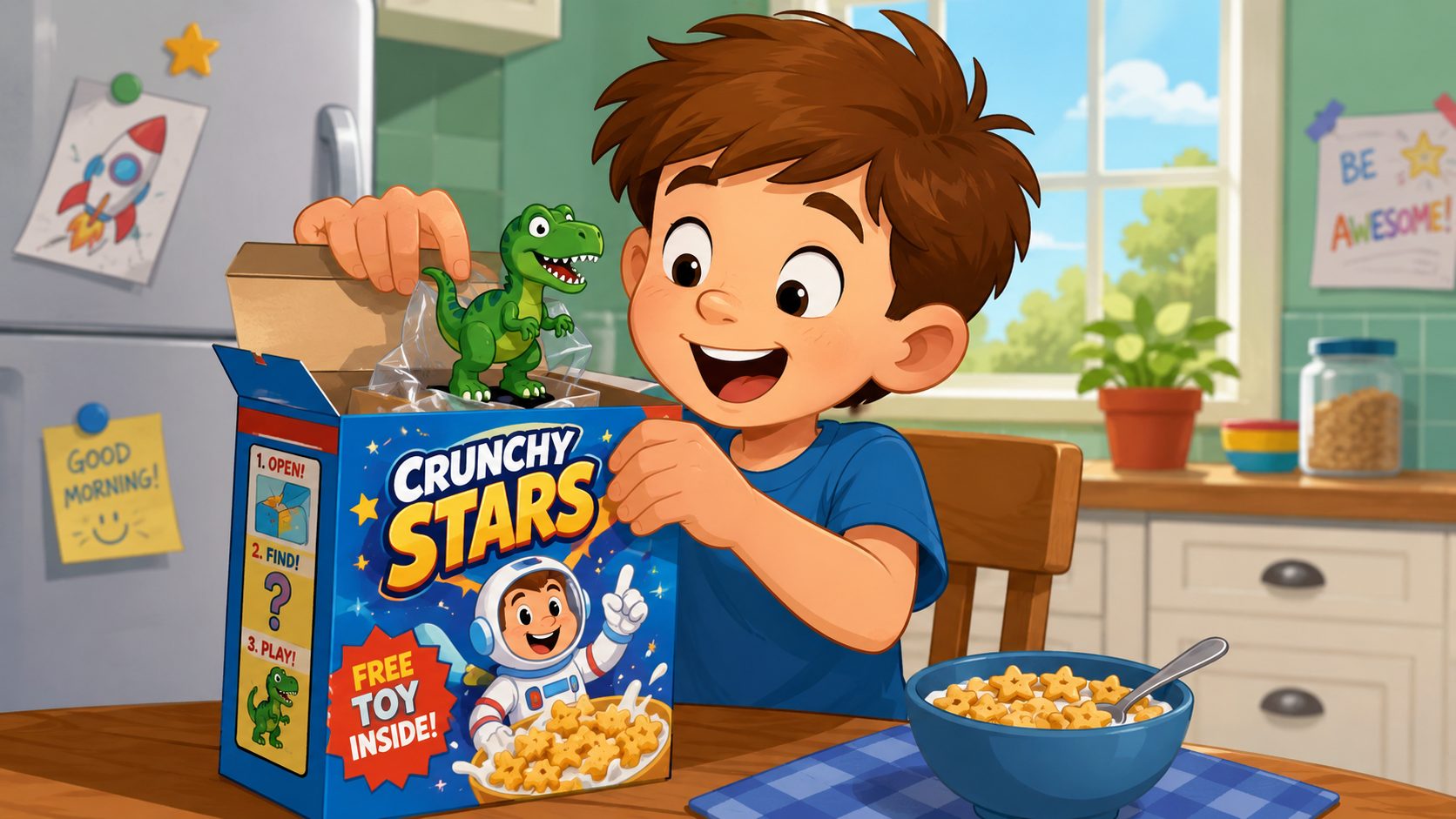
While not giving up on the generation completely, legacy brands are beginning to shift their focus to the more promising Gen Alpha cohort. Kellogg’s recently reintroduced toys to its cereal boxes after a hiatus of over a decade.
The offerings promote Pixar’s “Toy Story 5” and are designed to engage with nostalgic Millennial shoppers who desire sharing the experience with their Gen Alpha children, explained Laura Newman, WK Kellogg Co. VP of brand marketing. Using this familiar tactic, the brand hopes to spark a new generation of breakfast eaters. At the same time, clearer ingredient labels may make it easier for parents to choose the best brand for their kids.
The Food Institute Podcast
This episode features Julie Chapon, CEO and co-founder of Yuka, the fast-growing app that helps consumers better understand the health impact of food and cosmetic products. Chapon shares the origin story of Yuka, which began as a personal mission to decode confusing food labels and has since expanded into a global platform with over 80 million users.