Biofilms rarely make headlines on their own. But the contamination, spoilage, and recalls that they contribute to are part of the roughly $75 billion the U.S. loses to foodborne illness every year, according to USDA estimates.
Now, food producers are turning to digital twins to identify risks earlier – before they escalate.
So, what is a digital twin exactly?
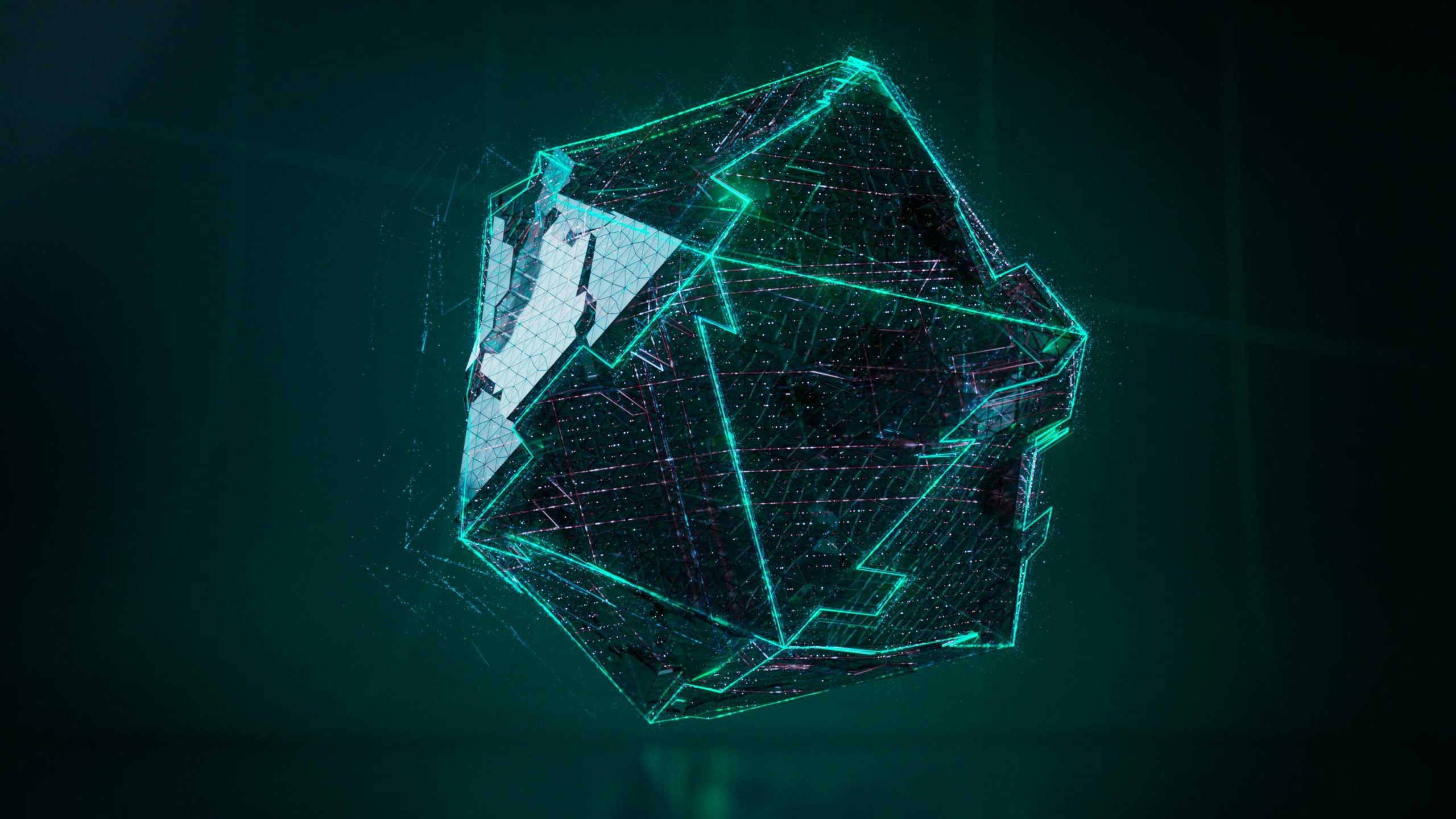
A digital twin is a virtual replica of a real-world system – whether that’s a fish farm, a processing line, or an entire facility – that’s fed by real-time data.
These models not only reflect what’s already happening but can also simulate what’s most likely going to happen next.
“Digital twins are turning foresight into actions because they allow you test, monitor, and predict what is happening in a real system before a problem turns costly,” said Daniel Burrus, an AI futurist, business strategist, and founder of Burrus Research.
Ready for a fun fact?
The first digital twin, although it wasn’t called that at the time, was developed by NASA in the 1960s as a means of modeling the Apollo missions – and simulators were used to evaluate the failure of Apollo 13’s oxygen tanks.
Now, let’s take a look at the use of digital twins within the modern food and agriculture industries.
Food Safety: From Reactive to Predictive
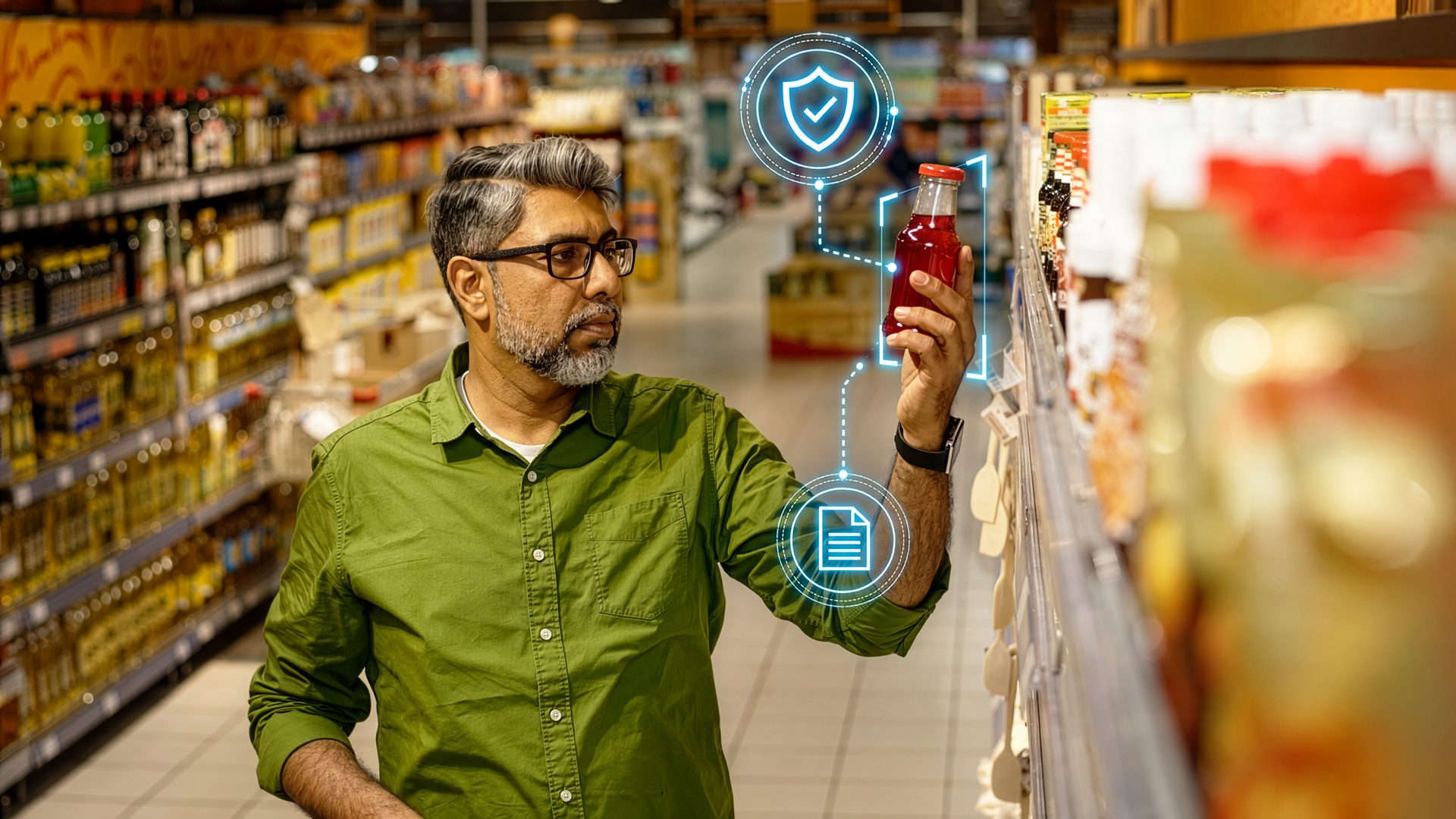
Traditionally, food safety systems have been quite reactive in nature, often sticking to the following formula: test, detect, respond.
However, the rise of digital twins, especially when combined with artificial intelligence and continuous sensor data, are helping the industry shift toward prediction.
In seafood production, for instance, sensors are used to continuously monitor variables like water quality, temperature, and other conditions that influence microbial growth.
When integrated into a digital twin, this data can be used to help identify environments where biofilms and harmful bacteria are more likely to develop.
“Instead of waiting for bacterial growth to become visible, companies can anticipate the growth and spot the conditions that make it more likely and intervene before it becomes an issue,” Burrus told The Food Institute.
And early intervention is especially important in aquatic food systems, where moisture-rich environments make biofilm formation both common and difficult to eliminate.

Aquaculture
Aquaculture represents one of the clearest use cases for digital twins.
By continuously collecting data on water chemistry, feeding patterns, fish growth, and animal health, a digital twin can mirror a fish farm in real time.
And when paired with AI, the system can begin to optimize operations by adjusting feeding schedules, reducing waste, and flagging early signs of stress or disease.
“The value is better decision-making based on what is happening in real-time and anticipating what is likely to happen next,” Burrus told FI.
Given that many producers are already operating on thin margins, these incremental improvements can make a huge difference – both in terms of cost savings and reduced risk.
Food Processing
The benefits of digital twins extend beyond farms and into processing facilities, where downtime and safety risks are tied to significant financial consequences.
Digital twins allow processors to simulate changes to systems like pasteurization, drying, fermentation, or sanitation without interrupting production.
This makes it possible to test adjustments, identify inefficiencies, and detect anomalies before they actually impact output.
“A processor can use a digital twin to detect potential anomalies, improve their throughput, protect their product quality, and reduce the potential of costly safety risks,” Burrus noted.
And within an industry with little margin for error, that level of visibility can go a long way in improving efficiency and resilience.
Connecting Data Streams
Another thing that makes digital twins particularly powerful is their ability to unify multiple data streams into one dynamic model.
Advances in sensor technology, imaging systems, and genomic tools are paving the way for more detailed insights into microbial behavior, including the traits that allow certain bacteria to persist despite cleaning efforts.
When integrated, these inputs can support facility-specific digital twins that not only monitor conditions but also recommend targeted interventions.
This means that operators can move from asking “What went wrong?” to “What is likely to go wrong next – and how can I prevent that from happening?”
Insight Meets Action
Ultimately, the value of digital twins comes down to timing.
By the time contamination is detected, the costs are often already locked in, whether in product loss, recalls, or reputational damage.
A continuously updated digital model offers a different path: earlier detection, more targeted interventions, and better-informed decisions.
“With a digital twin, you can run scenarios, pre-solve problems, and make smarter decisions faster,” Burrus told FI.
As food systems grow more and more complex – and the cost of failure rises – tools that enable this kind of foresight may become the norm, not the exception.
The Food Institute Podcast
In this episode of Food for Thought Leadership, Food Institute Chief Content Officer Kelly Beaton steps in as guest host to interview Fransmart CEO Dan Rowe on the evolving restaurant labor market. Rowe challenges operators to view labor not as a cost to minimize but as a strategic investment, noting that the most successful brands are those that “staff for the sales they want” and prioritize retention, engagement, and culture amid ongoing workforce constraints.