Seemingly every week, there’s a new beverage brand hitting shelves. Sleek packaging, unconventional fonts, and a steady stream of product placements from TikTok influencers. Almost all of it is aimed at Gen Z and Millennials. But what if brands are overlooking the most powerful shoppers in the store? Currently, that shopper is Gen X.
Born between 1965 and 1980, Gen Xers are roughly 46 to 61 today and number 1.4 billion worldwide. Although they make up just 17% of the global population, their influence far outweighs their size.
At the peak of their earning and spending years, Gen Xers have led global consumer spending since 2021. Spending $15.2 trillion in 2025 alone, middle-aged consumers’ annual spend is forecast to peak around $23 trillion by 2035.
Women Control the Cart, and Convenience Earns Their Loyalty
Across age demographics, women make the majority of economic decisions for their households, influencing 70 to 80% of all consumer spending.
Within Gen X, that influence is more profound. As the “sandwich generation”, these women juggle supporting their Gen Z and Millennial children while caring for their aging Boomer parents, and that dual role sits at the center of how they spend.
According to NielsenIQ and World Data Lab, the key purchasing drivers for high-income Gen Xers are reliability, functionality, product value (not just price), health, efficiency, convenience, and authenticity.
Gen X has the highest brand loyalty rates of any generation, particularly in F&B categories.
At the heart of it, Gen X women remain loyal to the brands that make their lives easier.
As Drinking Declines, Gen X and Baby Boomers Still Sip
A 2025 Gallup report found that just 54% of U.S. adults say they drink alcohol, the lowest share in the survey’s nearly 90-year history, with the sharpest decline among younger consumers (Gen Z and younger Millennials) – 50%.
While that drop reflects a broader shift in how Americans view alcohol, alongside a growing interest in wellness, older generations are holding on to their drinking habit.
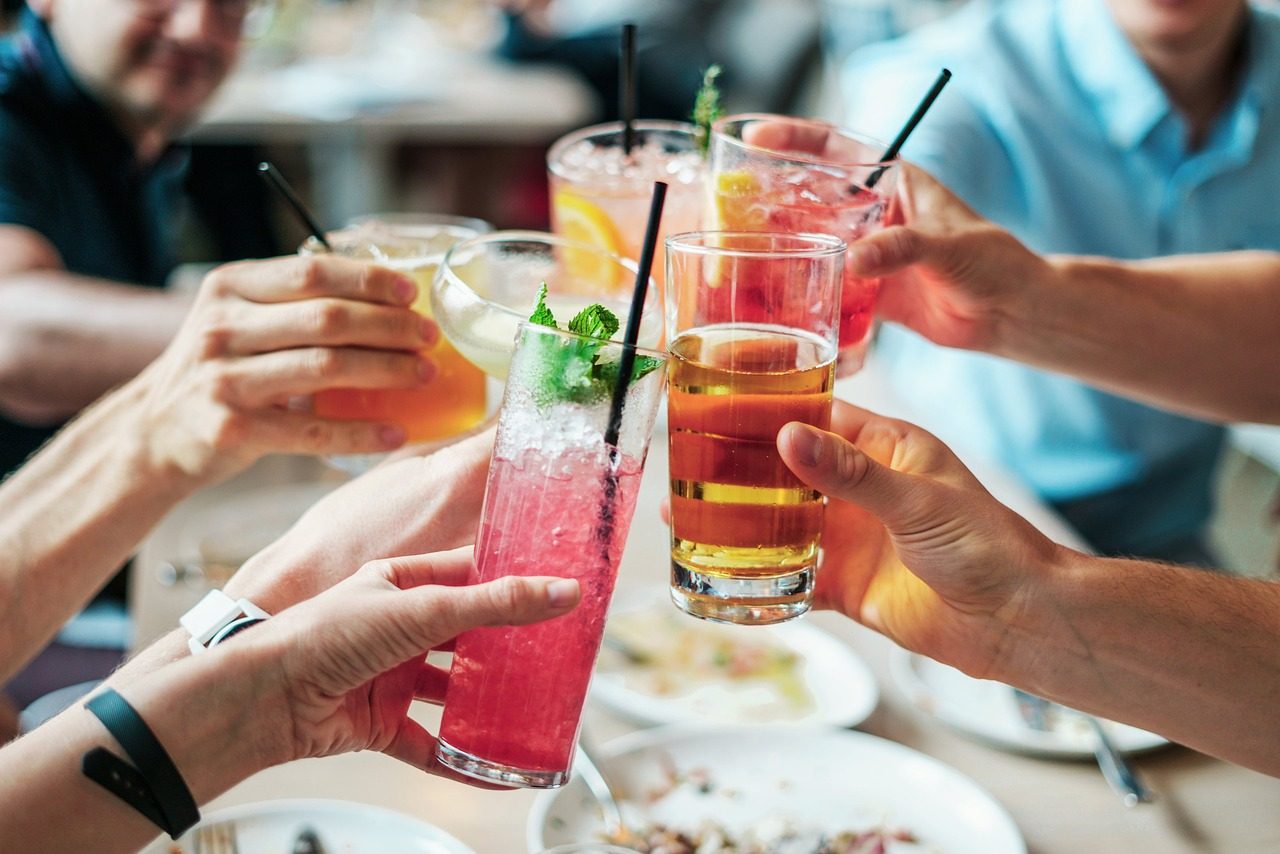
Data from the World Economic Forum shows that Gen X continues to invest in “quality-of-life” categories even on limited discretionary budgets. They account for 26% of global alcohol spending, across beer ($278 billion), wine ($238 billion), and spirits ($176 billion).
“Gen X and Boomers tend to host people, entertain at home, buy higher-end products, and purchase goods based on experiences.” said Demitri Pallis, CEO of Demitri’s Bloody Mary Seasonings.
Product availability and taste matter more to older consumers, while interest in specific flavors of beer, wine, and RTD brands fades with age.
For older cohorts like Gen X and Boomers, that signals a clear preference: they’re less driven by novelty and willing to pay more for a brand they trust to deliver.
Gen X and Boomers Are Online – Just Not Where You’re Looking
While some beverage brands are recognizing Gen X’s spending power, they may still be reaching both groups in the wrong places.
“I think the narrative around Gen Z and Millennials being the ideal target demo on social media across all channels is pushed so heavily that brands forget to do their actual ideal customer persona research per platform,” said Ashley Rector, founder of Quimby Digital.
The data backs that up. According to Sprout’s Q2 2025 Pulse Survey, Gen X’s top social networks are Facebook (84%), YouTube (68%), and Instagram (57%). Baby Boomers gravitate to Facebook (88%), YouTube (47%), and Instagram (39%).
Compare that to where the marketing energy usually goes: Gen Z lives on YouTube (91%), Instagram (86%), and TikTok (79%), while Millennials favor YouTube (90%), Facebook (89%), and Instagram (81%).
Marketing budgets heavily allocated towards TikTok could be leaving profits on the table.
Emily Wolf, executive creative director of STONE Strategy & Design, said: “Many brands today are optimized to earn attention. They’re built to generate conversation, social engagement, and cultural visibility.
“Those things matter, but visibility is not the same thing as household penetration, and conversation is not the same thing as conversion.”
Mary Delano, CMO at Moosylvania, had a slightly different take on marketing.
“Inclusive marketing doesn’t mean creating separate brands for different age groups. It means building one brand platform that can flex across generations,” Delano said.
“Younger consumers may respond to creators and cultural moments, while Gen X and Boomers often value trust, quality, utility and authenticity,” the marketing expert added. “The message can stay consistent even if the channels and creative executions change.”
Value Isn’t Just Price. Invest in the Story.
In an economy in which consumers are more price-conscious than ever, winning brand loyalty doesn’t always mean lowering prices.
For alcohol brands especially, a Deloitte Consumer Report discovered that what consumers value beyond price is taste (79%), product availability (61%), flavors (50%), and convenience (48%).
The brands with the broadest reach understand the power of storytelling and know how to communicate their value clearly. But that only works when the product is genuinely good to begin with.
“When that value exchange is net positive, brands create trust, relevance, and resonance that transcend demographics,” Wolf told The Food Institute.
Over the next decade, the brands that survive will be the ones that capitalize on the two generations holding the most spending power. To capture them, brands won’t chase trends; they’ll invest in storytelling that speaks to the most powerful shoppers in the room, and meet those customers where they are, both in real life and online.
Food for Thought Leadership
Food retail is undergoing a fundamental transformation, and few people have a better vantage point than the SupermarketGuru Phil Lempert. In this episode of Food for Thought Leadership, Lempert joins FI’s Chris Campbell to discuss the forces reshaping grocery, from inflation and private label growth to changing consumer expectations around health, wellness, and transparency.