Circana’s recent “Snack Unwrap” webinar revealed how GLP-1 weight-loss drugs, protein demand, and TikTok Shop are influencing snack innovation.
The online event examined 2026 trends in the snacking industry and how companies are responding. The webinar was organized around four key themes: function, value, experience, and discovery.
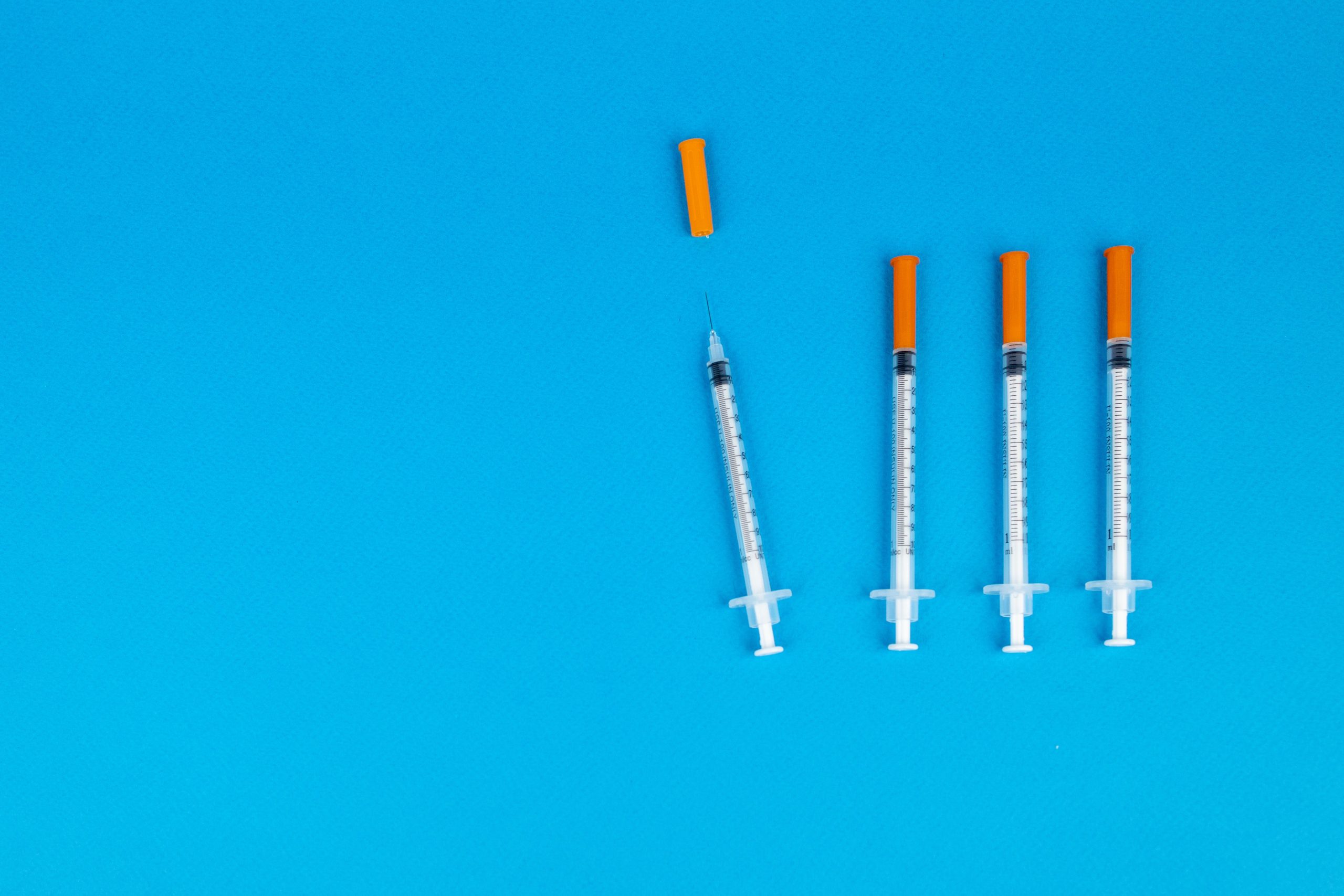
One of the event’s key topics was how GLP-1 medications are changing what people eat and drink. GLP-1 users aren’t giving up snacks; they’re simply choosing different types of food.

Circana said 54% of GLP-1 users in Europe and Australia are eating smaller portions, 53% are choosing more nutrient-dense foods and drinks, and 62% are paying more attention to their diets. Because of that, the following items are becoming increasingly popular:
- Fresh fruit
- Yogurt
- Protein bars
- Jerky
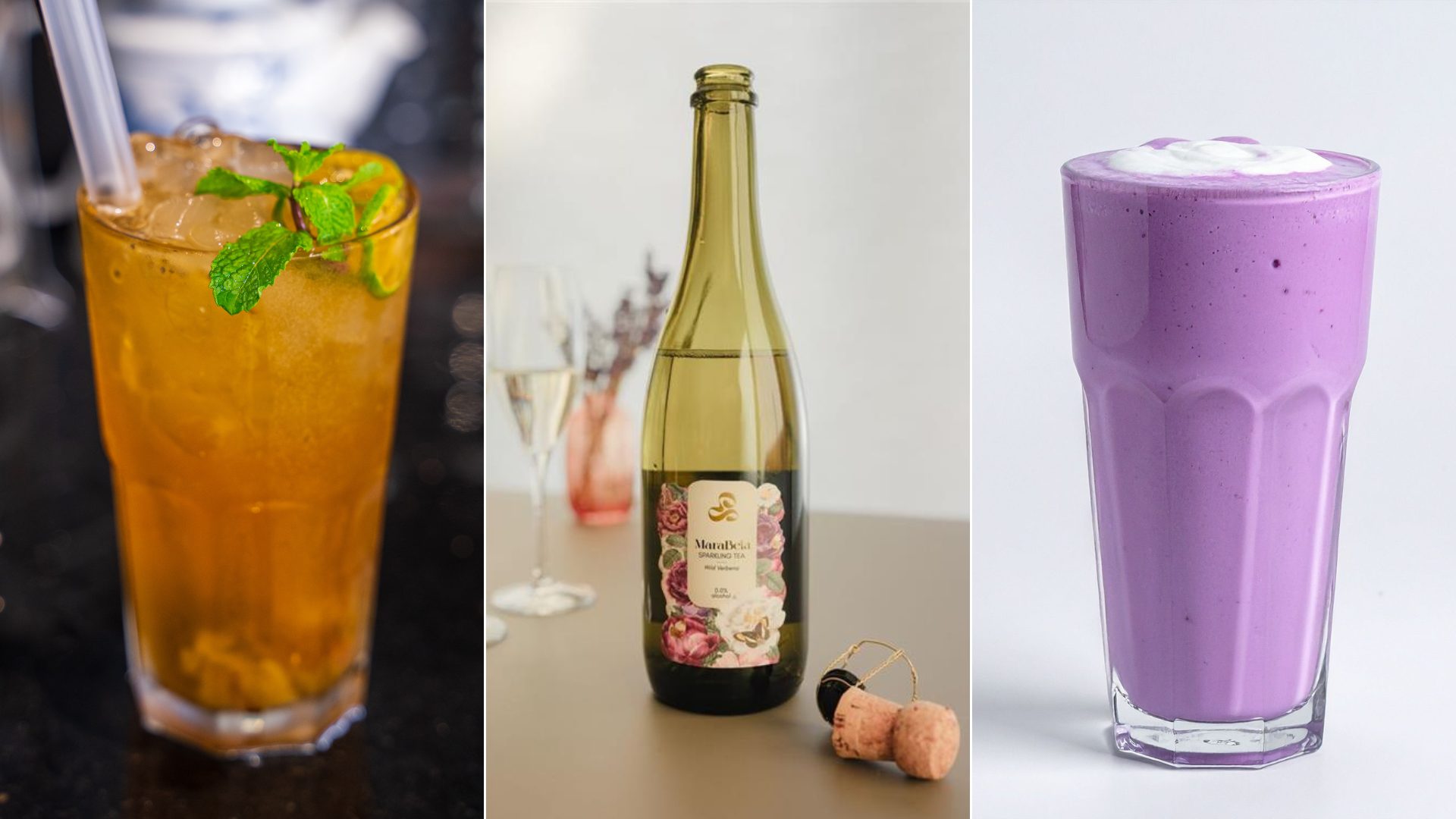
- Hydration drinks
- Probiotic drinks
Alcohol, processed meats, and more indulgent snacks are showing up less frequently in shopping baskets. Circana also said many of these habits continue after people stop using GLP-1 medications, suggesting that some of these changes may stick for the foreseeable future.
How Much Protein Should I Consume?
Protein is on consumers’ minds in 2026. It’s now appearing in snack bars, dairy products, beverages, children’s snacks, and meal replacements.
Companies are combining protein with benefits such as hydration, fiber, gut health, satiety, and lower sugar, reflecting growing demand for snacks that deliver multiple functional benefits rather than a single nutritional claim.
The Pursuit of Value Accelerates
The webinar also touched on how consumers define value during this extended period of inflation.
Circana found 66% of Americans now buy private-label products if money is tight, up nine percentage points since 2021.
Premium products continue to sell well when they clearly explain why they cost more, whether through unique ingredients, clean labels, distinctive flavors, sustainability, or cultural relevance. Consumers aren’t simply looking for the lowest price; they’re deciding whether a product is worth the cost.
The ‘Fourth Meal’ and Flavor Innovation
Another evolving F&B trend: snacks are being used more as meal replacements. Circana said snacks are becoming a “fourth meal.” This is leading to more products designed for specific occasions, such as breakfast on the go, post-workout recovery, afternoon energy, or quick meal substitutes.
Companies are now designing products based on when and why people eat, rather than relying on traditional categories.
Flavor innovation remains imperative for brands’ growth. Global flavors like hot honey, matcha, pistachio, ube, pickle, and sweet-and-spicy mixes are becoming more popular. For example, products inspired by the Dubai chocolate trend show that social media, nostalgia, and global food culture are affecting new product launches.
Many successful products combine familiar flavors with something new, which sparks intrigue.
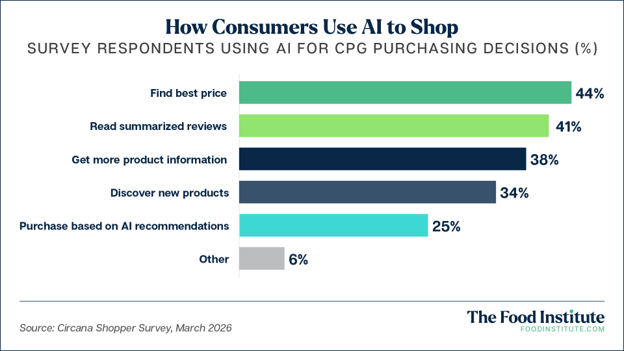
Finally, Circana’s webinar examined how consumers discover new products and the role of digital platforms. Word-of-mouth is still the main way people discover products, but more shoppers are using social media, retailer websites, TikTok Shop, and AI search tools.
Food for Thought Leadership
In this episode of Food for Thought Leadership, FI VP of Content and Insights Chris Campbell sits down with FI CEO and Managing Partner Brian Choi to examine the growing disconnect between economic headlines and the reality facing consumers and food businesses. The discussion explores why declining gasoline prices and moderating CPI figures fail to capture persistent food inflation, weakening consumer sentiment, and the financial pressures driving more Americans to rely on debt to purchase groceries.