“High cholesterol” isn’t something anyone wants to hear when they’re at the doctor, but many people are clueless when it comes to proactively preventing this issue.
With health and wellness garnering headlines in 2026, The Food Institute decided to reach out to medical experts to learn which foods can help manage cholesterol.
Here are three highly recommended foods for keeping cholesterol in check, as well as a few honorable mention items:

Beans 
Beans – including lentils, chickpeas, black beans, and kidney beans – are Dr. Colin Zhu’s pick. The board-certified family physician and lifestyle medicine physician says beans are one of the most evidence-based foods for supporting heart health because they’re rich in soluble fiber, which binds to cholesterol and bile acids in the digestive tract and helps remove them from the body.
“Research has consistently shown that increasing soluble fiber intake can lower LDL (‘bad’) cholesterol,” Zhu told FI. “And, a large 2023 meta-analysis of 181 randomized controlled trials confirmed significant improvements in LDL cholesterol and other cardiovascular risk markers with higher soluble fiber intake.”
Beyond fiber, beans are naturally low in saturated fat and provide plant-based protein, making them an excellent replacement for higher-fat animal proteins. That swap alone can further support healthier cholesterol levels and reduce cardiovascular risk, Zhu explained.
The physician added that beans are a favorite recommendation because they’re affordable, versatile, satisfying, and easy to add to soups, salads, grain bowls, tacos, or pasta dishes.
Small, consistent changes like incorporating beans into meals several times a week can have a meaningful impact on long-term heart health, experts said.
Dr. Shernell Surratt-Gary, DO, also picked beans as her top choice for keeping cholesterol in line. The clinical advisor of Aura Wellness said beans are helpful because they’re very rich in soluble fiber, which can lower LDL cholesterol. She noted that beans highlight plant-based protein, which can be used as an alternative for products that contain copious amounts of saturated fats.
“This combination of fiber and plant-based protein make beans a great option for supporting your cardiovascular system and overall health and wellbeing,” Surrat-Gary said. “Adding just a couple of portions per week into your diet, combined with regular physical activity and other good eating habits, can help you improve your overall cardiovascular health.”
Oats 
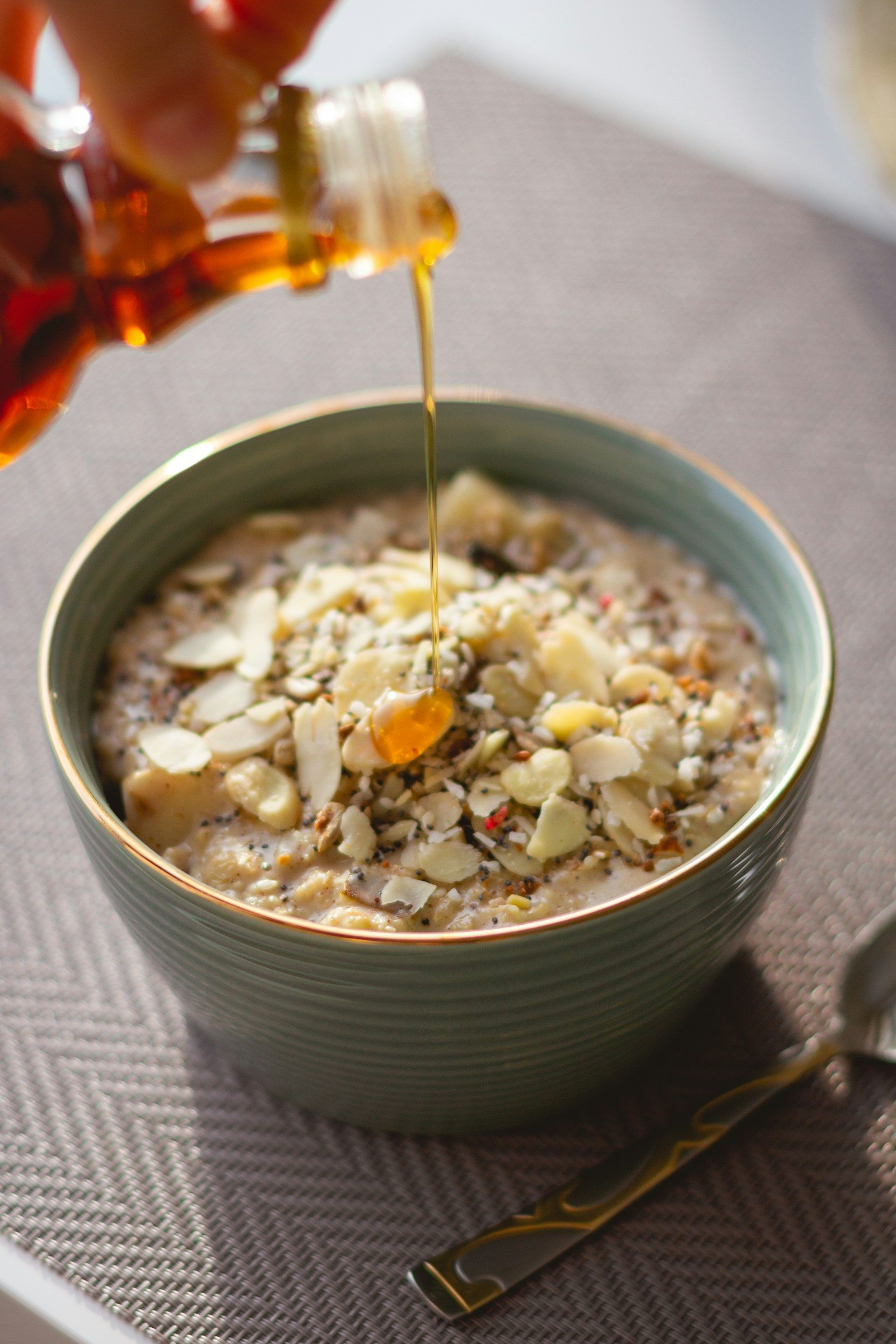
Dr. Arash Bereliani, MD, FACC – a board-certified cardiologist, clinical associate professor at UCLA’s David Geffen School of Medicine, and Medical Director of the Beverly Hills Institute for Cardiology and Preventive Medicine – said oats are rich in soluble (viscous) fiber, which binds cholesterol in the digestive tract and helps carry it out of the body, lowering LDL cholesterol.
The doctor said he’s seen patients whose LDL wouldn’t budge until they added oats at breakfast and then saw LDL drop around 20 points within a few months.
“Oats are also an easy, sustainable daily habit, which is what makes them stick,” Bereliani explained.
Seafood
Oily fish, such as salmon, sardines and tuna, are rich in a type of fat called “polar lipids,” according to an article by The Independent. These lipids are able to reach the bloodstream more quickly compared to other types of fat, which helps reduce inflammation and prevent the aggregation of platelets more effectively, according to the article.
Rima Kleiner, MS, RDN, and the voice behind the seafood and nutrition platform Dish on Fish, adds that seafood is packed with essential omega-3 fatty acids, particularly DHA and EPA.
“These fatty acids help to lower inflammation that causes arterial plaque, which increases risk of heart disease and stroke. Omega-3s also help improve triglyceride levels, which can ultimately help to lower total cholesterol levels and salmon is particularly high in these beneficial omega-3s,” Kleiner noted.
Zhu made it clear that there’s no “magic food” for improving cholesterol, and the greatest benefit comes from an overall dietary pattern rich in whole, minimally processed plant foods.
With that said, here are a handful of additional items that can help manage cholesterol:
- Fruits
- Vegetables
- Olive Oil
- Fermented Dairy
- Red Wine
The Food Institute Podcast
2026 may be the year of the GLP-1, but what are the risks to consumers who take this class of drugs? Suzy Badaracco, president of Culinary Tides Inc., explains the health risks associated with GLP-1 usage, and how the food industry can best serve this category of consumers.