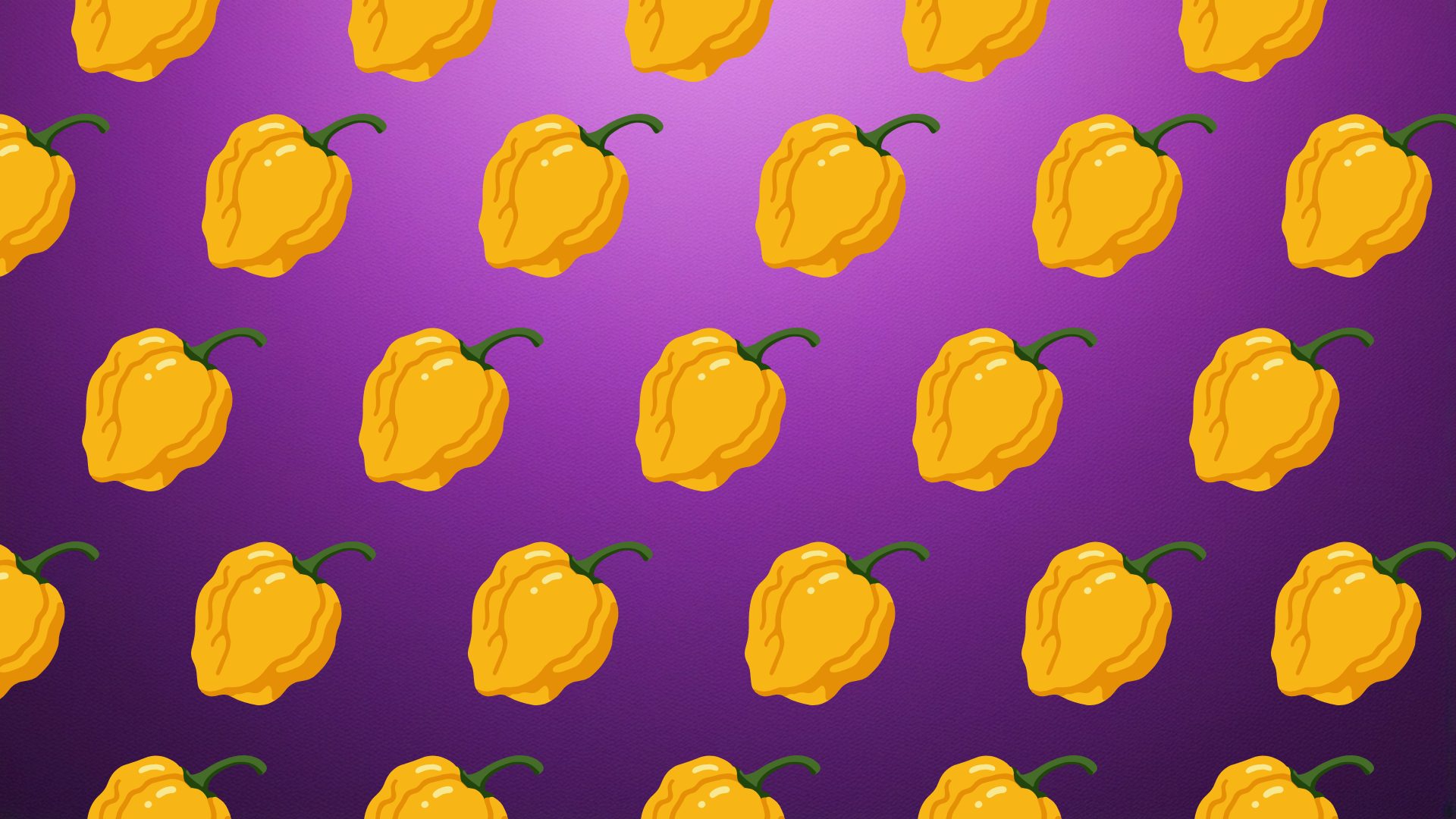
A shortage of Scotch bonnet peppers is putting pressure on Caribbean hot sauce and condiment makers, particularly Jamaican processors that rely on the pepper for jerk seasonings, marinades, and traditional hot sauces.
SupplyChainBrain reported that Scotch bonnet supplies have tightened as a combination of extreme weather, disease, and pest pressure reduces the availability of the peppers used in many Caribbean food products. The supply crunch is threatening to constrain production while pushing costs higher for manufacturers that depend on the ingredient.

What are Scotch bonnet peppers?
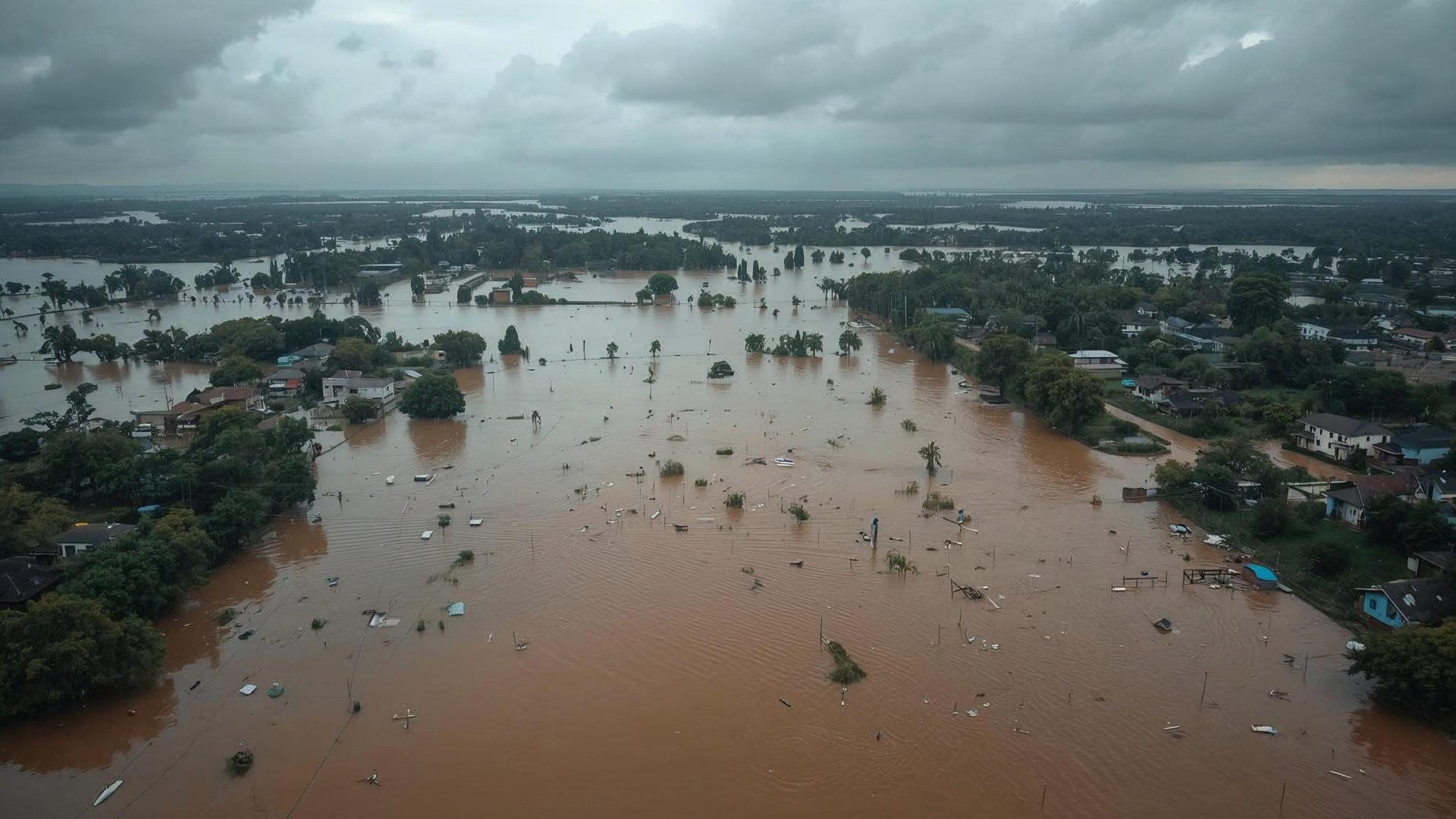
Scotch bonnet peppers have long been a cornerstone of Caribbean cuisine and food manufacturing, but they are also notoriously difficult to grow. The peppers are susceptible to heavy rainfall, viruses, and other crop pressures. A series of hurricanes in Jamaica, one of the region’s key Scotch bonnet producing areas, has further strained supplies, leaving processors competing for fewer available peppers.
For manufacturers, substitution isn’t a simple solution. Some growers have reported success using high-yielding hybrid red chili peppers that are more resistant to disease, according to supplychainbrain.com. However, many producers argue that alternative varieties don’t deliver the same fruit-forward flavor, aroma, and heat profile that define Scotch bonnet-based hot sauces and jerk products. For brands built around traditional Caribbean recipes, changing pepper varieties can alter product characteristics and affect consumer expectations.
“For most hot sauce manufacturers, a recipe is tradition,” said Brady Hause, of Trinity Logistics. “Replacing a Scotch bonnet with a different pepper can create a risk of losing the authentic flavor profile customers expect.”
The shortage comes as Jamaica’s agricultural sector continues to recover from major storm damage.
Agriculture Minister Floyd Green said the World Bank estimated Hurricane Melissa caused approximately J$60 billion in agricultural losses. In response, the government has launched recovery efforts aimed at rebuilding production.
According to Jamaica Information Service reporting, the Rural Agricultural Development Authority had J$40 million worth of seeds available for distribution and planned to procure an additional J$50 million in planting material. The recovery program includes Scotch bonnet pepper seeds and seedlings and targets 1,000 hectares of vegetable and fruit production in less-affected parishes.
Separately, supplychainbrain.com reported that the Jamaican government has supplied Scotch bonnet seeds to approximately 650 growers as part of efforts to restore production and improve pepper availability.
A key Jamaican crop
Government crop data from Jamaica indicate that the supply base remains under pressure. Jamaica’s area reaped for hot peppers declined from 1,429 hectares in 2022 to 1,252 hectares by 2025, according to the Ministry of Agriculture, Fisheries and Mining, suggesting a smaller harvested crop available to processors.
For food manufacturers, the implications are clear. Tighter supplies can increase procurement costs, complicate production planning, and make sourcing more difficult for companies that depend on authentic Scotch bonnet peppers.
The situation also illustrates the risks associated with geographically concentrated specialty crops, where weather disruptions, disease outbreaks, and pest pressure can quickly ripple through food supply chains.
The Food Institute Podcast
In this episode of Food for Thought Leadership, Chris Campbell, George Hajjar, and Anna Kinder examine how consumers are adapting to mounting economic pressure, rising gas prices and shifting travel behaviors in 2026. From staycations and micro-vacations to scaled-back road trips and reduced air travel, the FI All-Stars explore how households are reevaluating spending while still searching for meaningful experiences and moments of indulgence.