“Consumer behavior has shifted toward greater scrutiny of value rather than a decline in demand for dining out,” Erica Conte, brand director of The Food Group, told FI in a recent report evaluating the state of foodservice in today’s market.
That shift is increasingly benefiting grocers and convenience stores when it comes to food-away-from-home spending. Although there will always be a place for the dining-out experience, the margin is being threatened by a cheaper, more convenient alternative – the prepared foods sections of grocery stores.
In the past few years, grocers and convenience stores have found a compelling side stream: offering ready-to-eat meals or simple heat-and-eat solutions to appeal to modern, busy shoppers.
“Prepared food spending has increased meaningfully across our network,” Luke Henry, founder of POS grocery solutions company IT Retail, told FI.
He explained that the service is seeing more lunch-driven traffic, with consumers frequenting in-store delis for a prepared lunch rather than a grocery trip. The evening, however, is still reserved for traditional grocery trips.
“There’s some crossover: Someone might grab a drink or a few items on their lunch visit, but the prepared food trip and the grocery trip are still largely distinct occasions,” he said.
Circana data corroborates these findings: Grocers’ deli sections grew 2.8% in dollar sales and 1.8% in unit sales in the 52 weeks ending April 19.

Prepared foods outperformed the broader deli category, experiencing a 3.6% boost to dollar sales and a 3.1% lift in unit sales volumes. This “all-day” approach is also evident in the 4.2% dollar sales bump to the morning bakery perimeter aisle over the period. These sections are growing faster than total store sales, acting as true revenue generators.
Colin Houchins, director of retail sales at Tosca, agrees with Henry’s observations that the grocery trip is more often complemented by prepared foods purchases, further contending that it could be replacing other food-away-from-home activity.
“Many shoppers are consolidating trips and picking up ready-to-eat prepared foods at the grocery store while doing their normal shopping, skipping out on traditional restaurant visits,” Houchins told FI.
This is consistent with what UNFI president of fresh, Ron Selders, told FI at the start of the year in a story about produce being grocers’ 2026 winning strategy.
Selders noted how a fresh-first approach will cater to consumer interest in better-for-you foods and beverages.
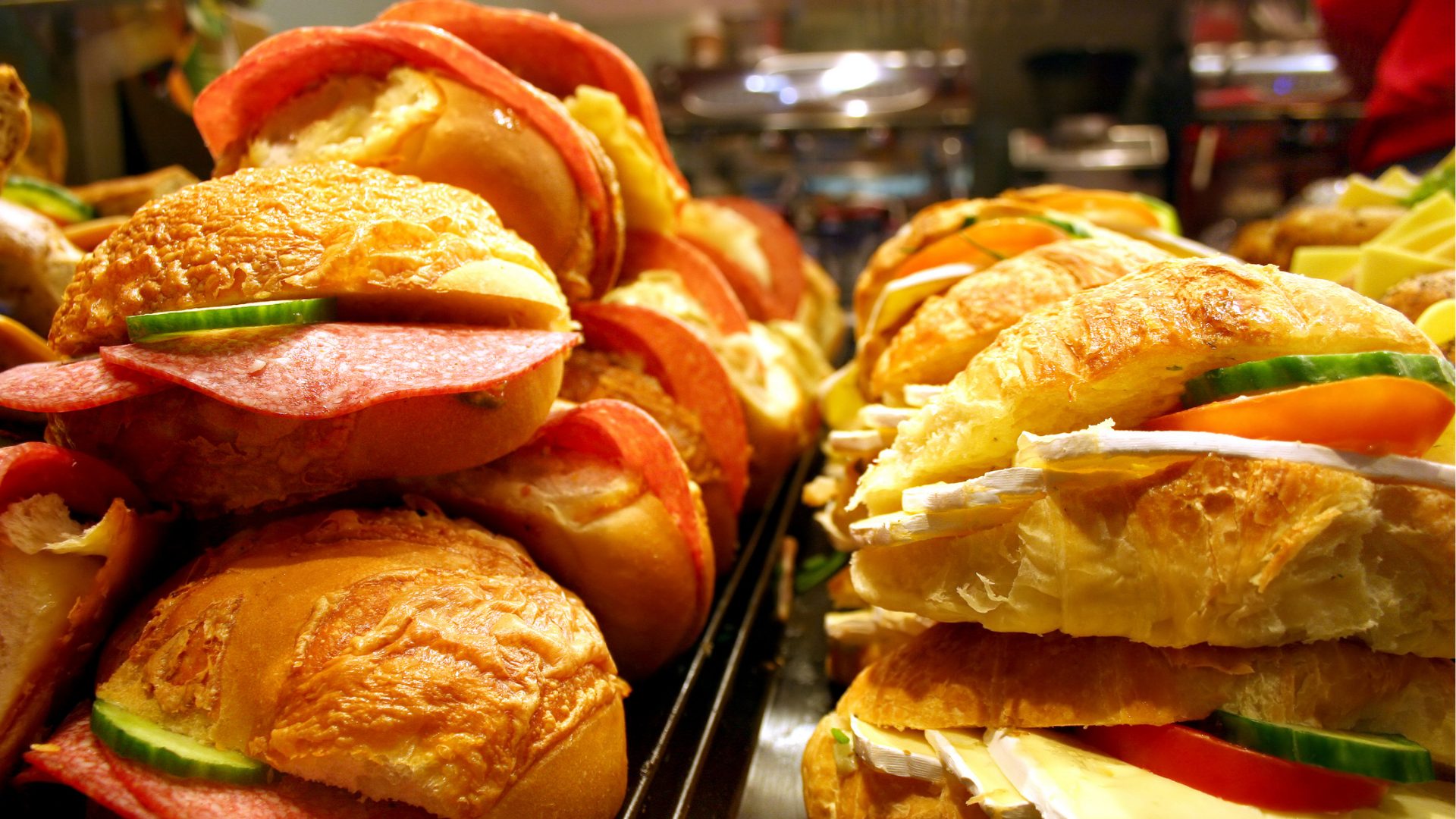
GLP-1 drugs, the MAHA movement, and a long-term interest in personal health and wellness have contributed to the growth of fresh and prepared foods. Fresh-cut fruits and vegetables, simple sandwiches, and prepared salads are some clear examples that cater to these emerging needs.
Families today are interested in budget-friendly inspiration and convenient meal solutions, motivating purchases of frictionless alternatives to traditional cooking or dining out. These offerings can be a middle ground for convenience, as they are simpler than cooking in but less impulsive than ordering takeout, making them a compelling offering.
To learn more about the increasingly complex foodservice market, become an FI member for access to The Foodservice Battle and all our monthly reports. Members may access the report here.
The Food Institute Podcast
At SIAL Canada 2026 in Montreal, Food Institute VP of Content and Insights Chris Campbell sat down with Mathieu Brisson, Global Sales Lead at Prestige Maple, to discuss how the company is transforming maple products for a rapidly evolving global food and beverage market.