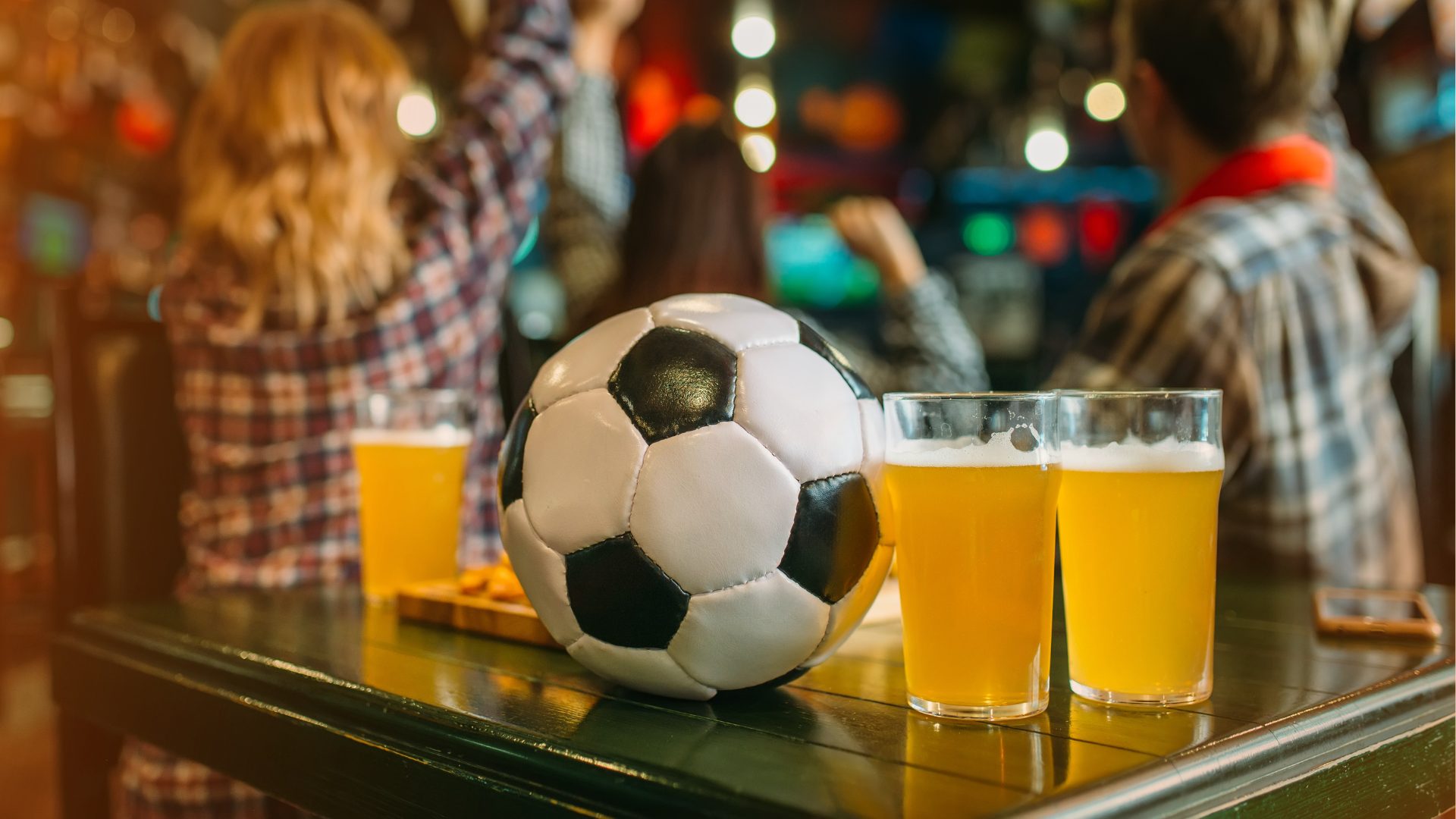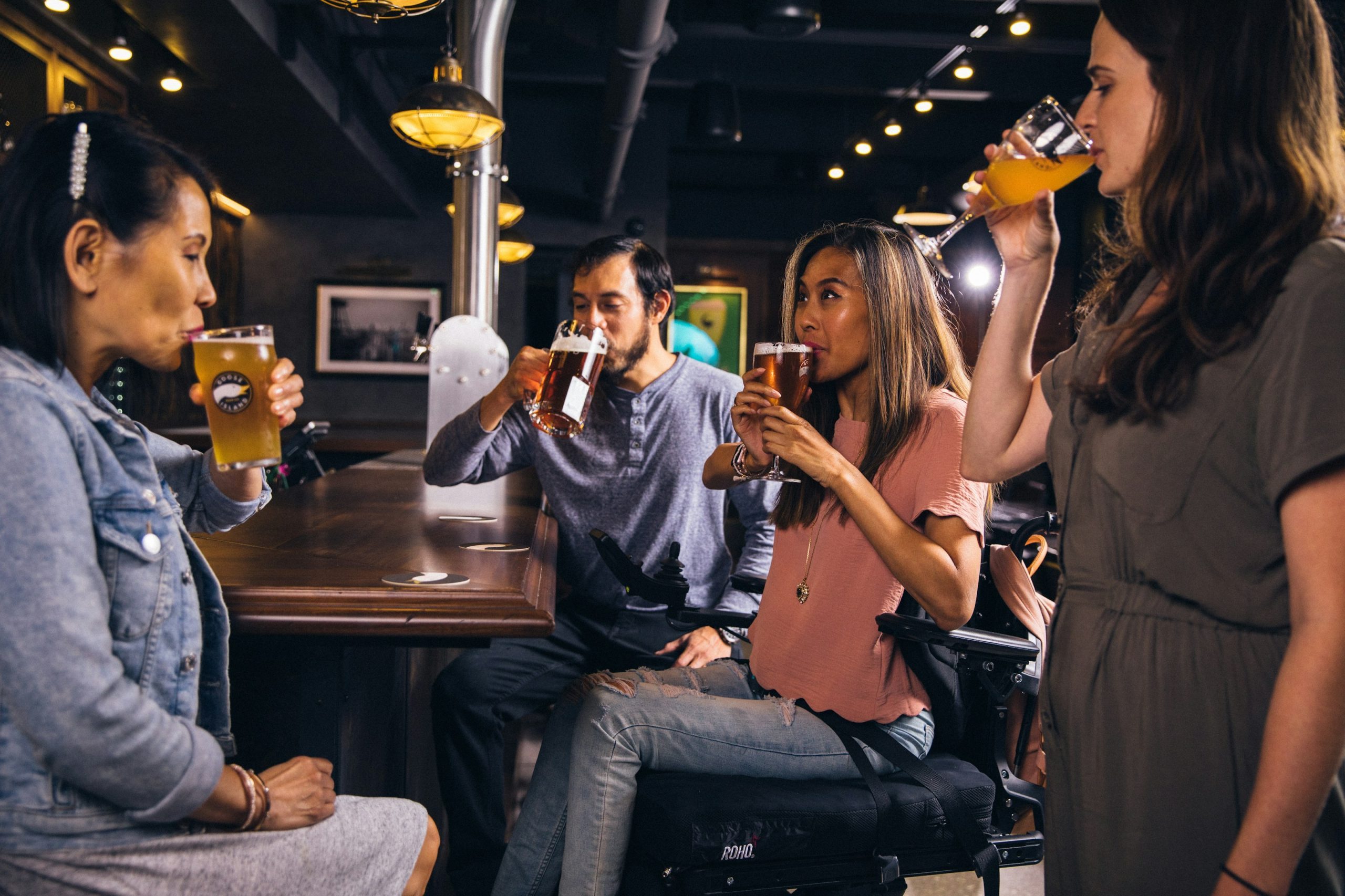
With a nearly 2% rise in the median price of beer recently, more consumers are pausing before paying for a pint. Toast recently released a report that noted the cost of beer across the U.S. and found the median price is $6.52.
Not surprisingly, the most expensive city to buy a beer in is New York, at an average price of $9.16, and the most expensive states are New York, Hawaii, and California.
The most affordable city to buy a beer in is San Antonio, and the places with the highest cost growth are New Mexico, at 4.8%, and Philadelphia at 3.3%, per the report.
Let’s dive in and find out why it’s so pricey to purchase beer these days, and what restaurants and bars can do to offset the high price point.
Sanwar Mal Khokhar, the mixologist and beverage program leader at Sanjh Restaurant & Bar in Dallas, told The Food Institute that one of the most common reasons for pricier pints is the cost of raw materials. Another factor in the rising cost of beer is the higher cost of packaging.
Additionally, oil prices continue to rise, impacting distribution. On top of that, costs for labor and marketing are increasing.
Ella Parlor, independent beverage alcohol expert at EP Consulting, feels the mistake many establishments make is by running discounts or trying to out-promote the problem, rather than giving customers a reason to stay for another round. Trivia, live music or sports can help make people spend more time at an establishment and therefore spend more money.
Ultimately, it comes down to understanding margins and consumer behavior. Experts note that, in establishments where happy hour pricing is permitted, businesses can offer extended happy hours for higher-margin products, such as draft beer.
For those operating in states where happy hours aren’t permitted, consider offering daily drink specials, such as margarita Tuesdays, that would be attractive to the local market.
“Often, patrons may enjoy one or two of these drinks before switching to something else, such as wine,” said Greg Zakowicz, ecommerce and retail advisor to Omnisend. “Knowing the local market and its preferences can help owners design promotions that will both protect margins and increase sales outside of promotional items.”
Operators can also work to create high-margin daily appetizer specials that pair well with the drink special or audience seeking a little price relief.
“Knowing how food sales can account for any difference in drink margins is essential for establishments looking to provide good value without sacrificing margins,” Zakowicz said.
The Food Institute Podcast
This episode features Julie Chapon, CEO and co-founder of Yuka, the fast-growing app that helps consumers better understand the health impact of food and cosmetic products. Chapon shares the origin story of Yuka, which began as a personal mission to decode confusing food labels and has since expanded into a global platform with over 80 million users.