

The Future of Food Delivery: Are Uber, DoorDash, and Instacart Destined to Win the Delivery War?
For now, third-party delivery companies are operating full speed ahead. But how much are consumers willing to pay for convenience?
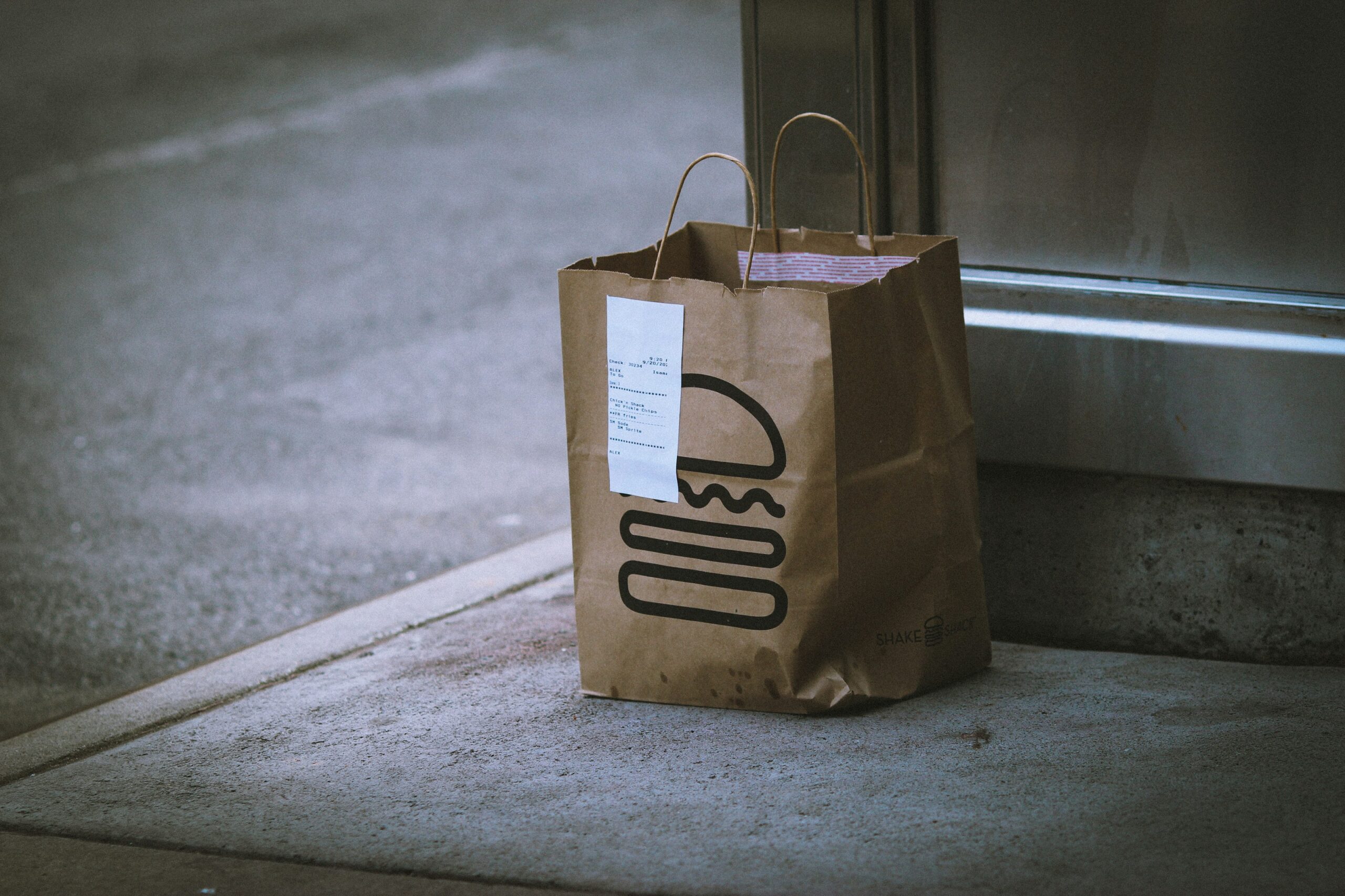
For now, third-party delivery companies are operating full speed ahead. But how much are consumers willing to pay for convenience?
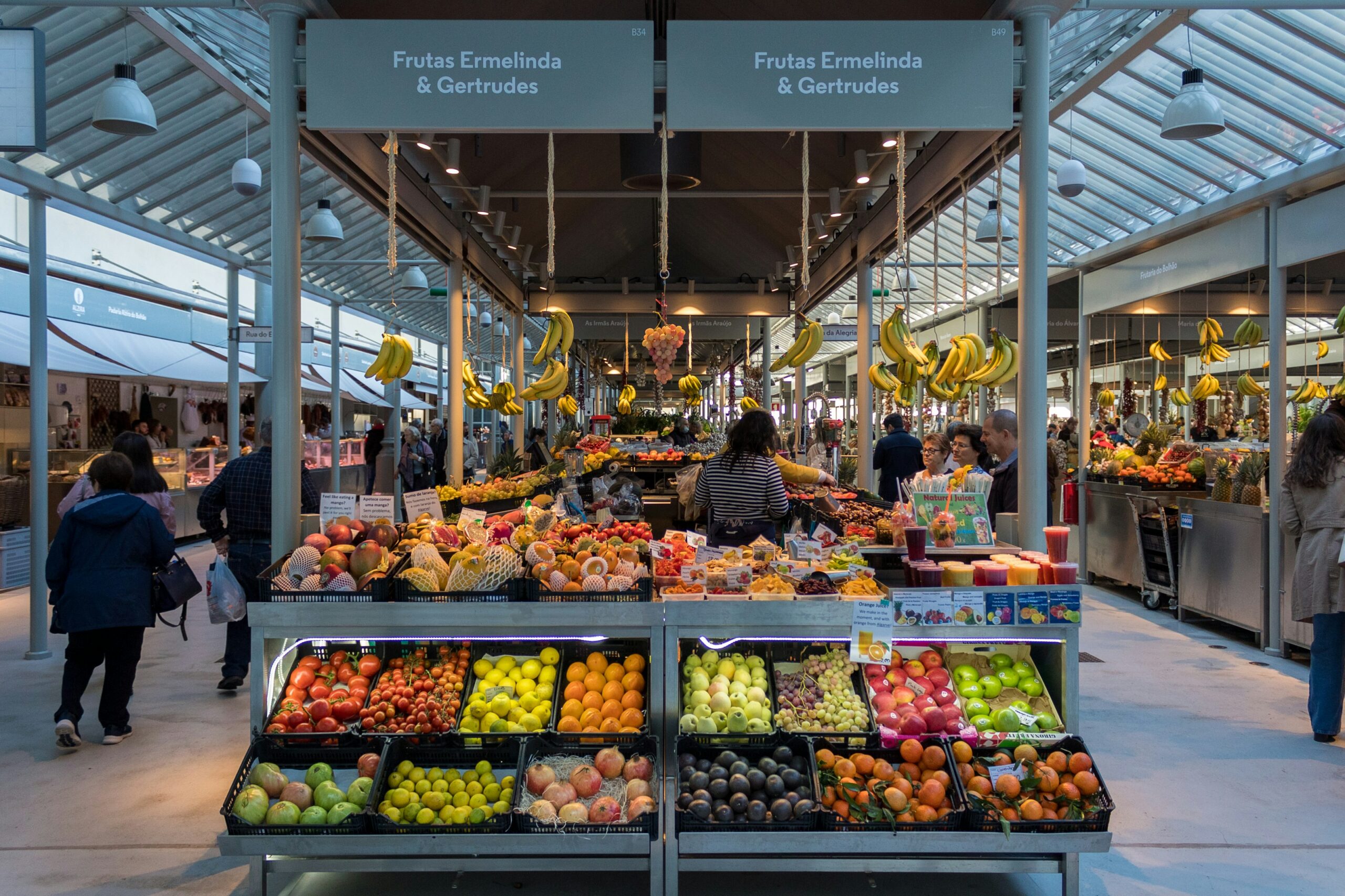
Consumers in the U.S. and Canada say that they are willing to pay more for products that practice eco-friendly sustainability and ethics in their development, packaging, and sale of products, particularly around animal cruelty and ocean pollution.
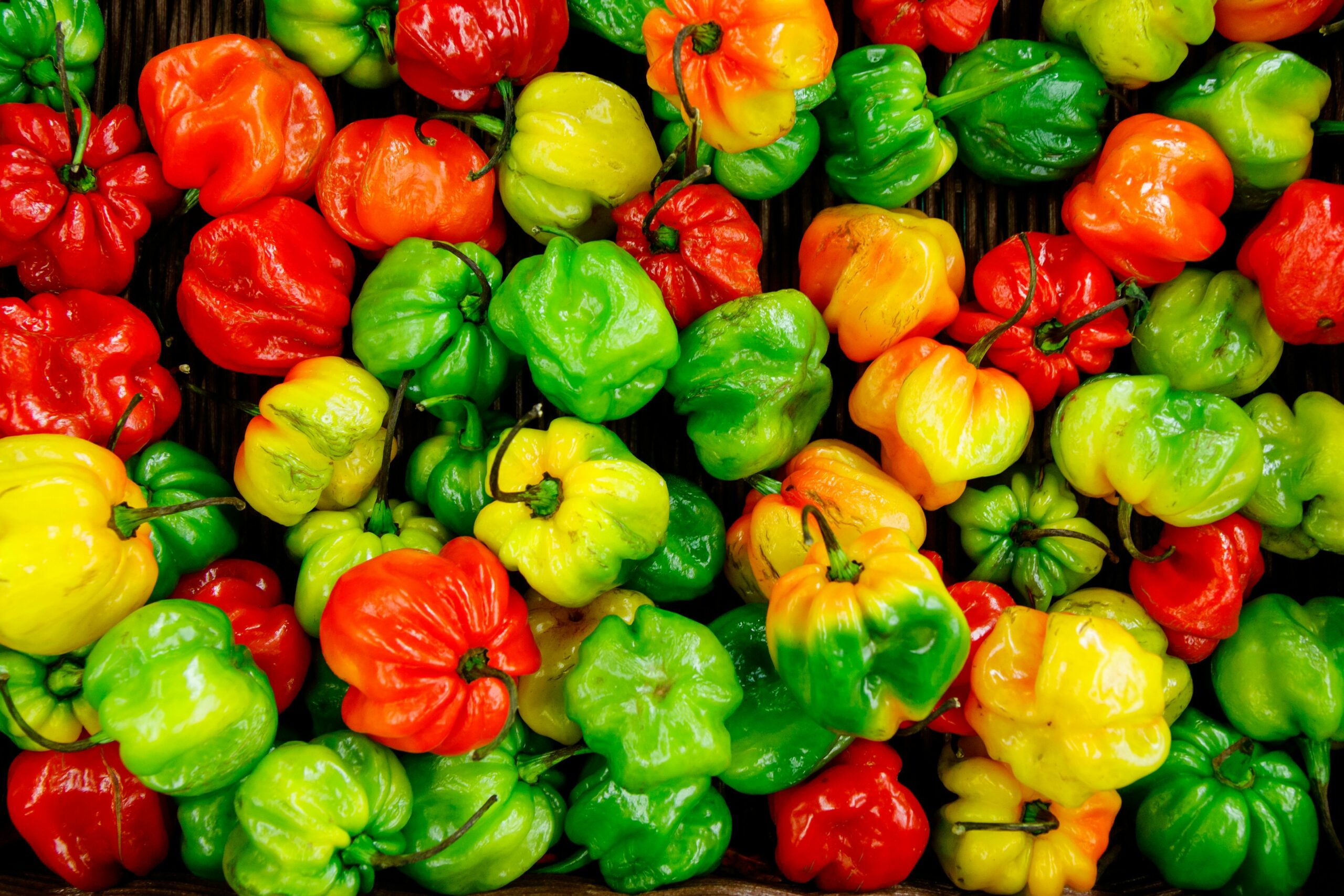
Asian cuisines like Thai, Korean, and Chinese have long used swicy foods as an enticing way to attract new and long-time patrons, and many mainstream and fusion restaurants are combining classic American fare with these staple flavors from across the world.
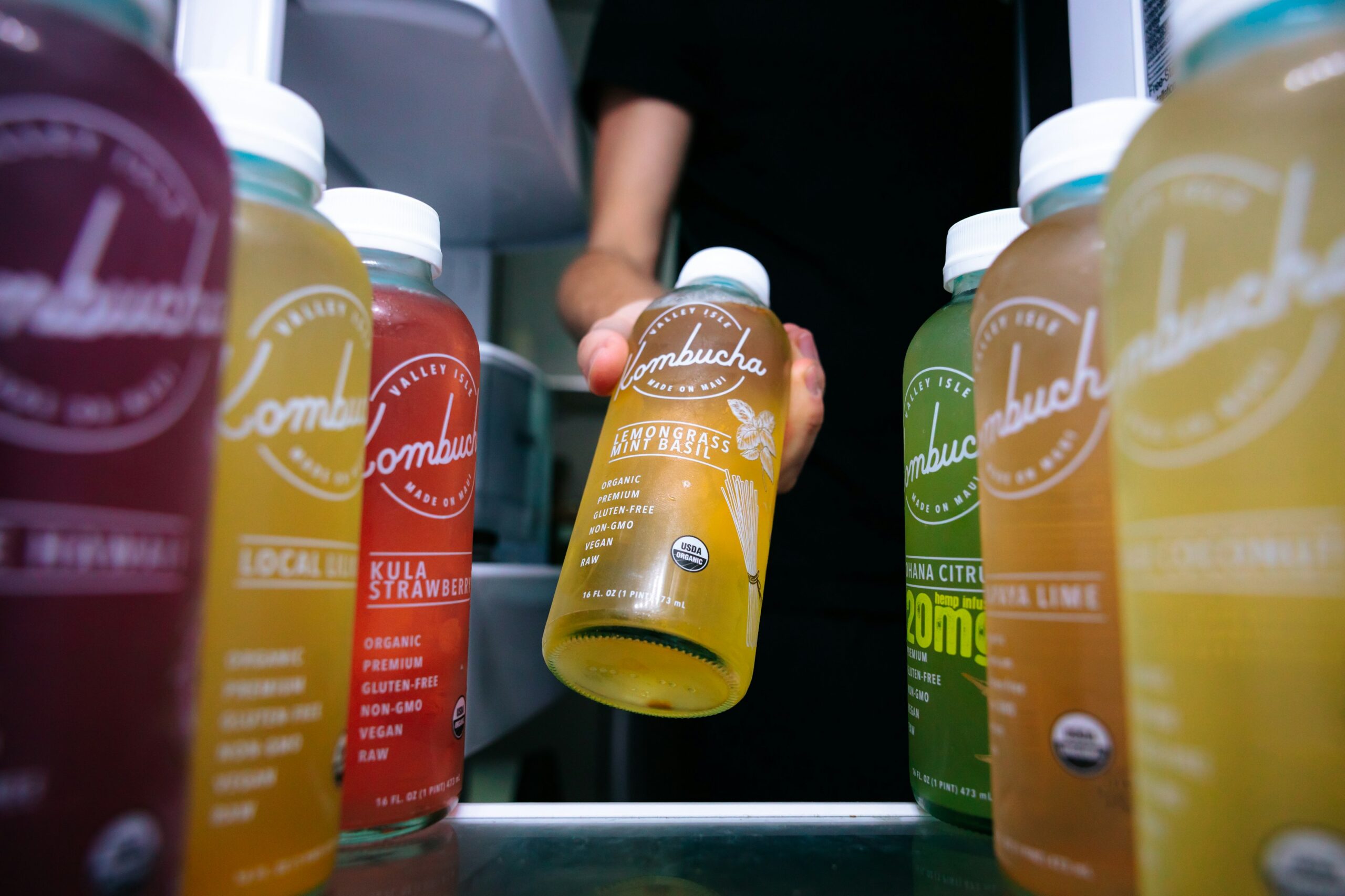
The origins of kombucha are shrouded in legend, and the drink’s murky beginnings remained in relative obscurity—at least to western palates—until its rediscovery in the 20th century in something of a cultural phenomenon.

“Was it the six-pack of wine called ‘Mommy’s Little Helper?’ Or ‘Mommy’s Time Out’ wine? Was it the funny phrase, ‘The most expensive part of having kids is all the wine you have to drink?’ The clothes and other goodies branded with, ‘Who is moderation?’ or ‘This is how you adult?’ Our society thinks it’s funny when women drink heavily,” Pengov said.

As more work is being published (and more health-focused products manufactured) to improve health and happiness, we may be entering an era in which the average human life can not only be improved, but extended. Are store managers ready for what that means?
For the first time in the report’s history, the top six brands – all of them – are store brands, from retailers like Walmart, Amazon, and Target.

A regular feature in shopping carts from coast to coast, the humble banana has long been a reliable source of nutrition, convenience, and affordability. Yet beneath its cheerful exterior lies a complex tale of botanical intrigue, economic uncertainty, and environmental peril.
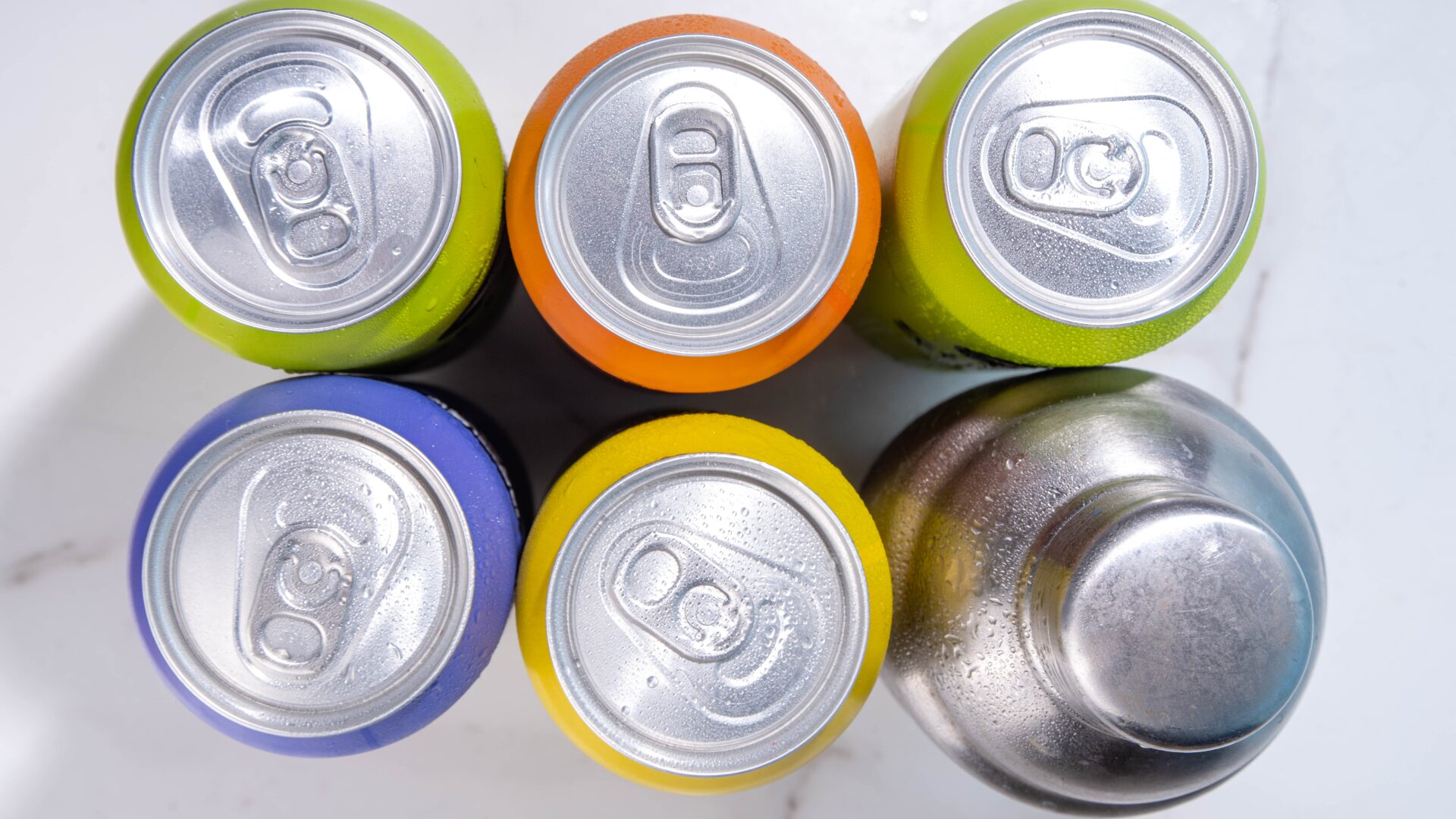
Some of the takeaways from the Circana report indicate that inflation has generally gone pretty easy on the beverage category, prompting marketing teams to “promote their relative price stability and find ways to demonstrate value, recognizing that ‘value’ doesn’t always mean lower price,” and that premium categories continue to outperform more value-based brand propositions.
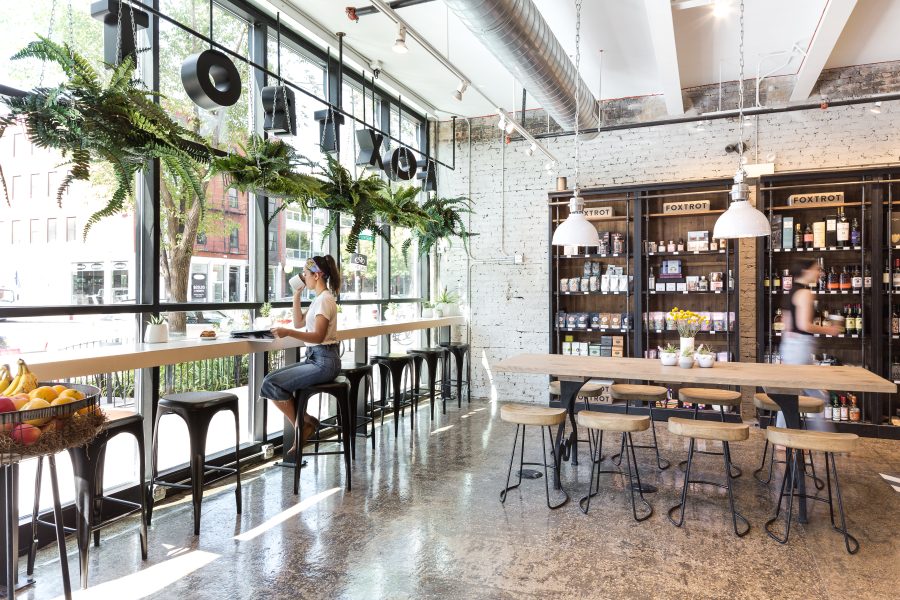
Foxtrot and Dom’s Kitchen & Market have closed their doors effective immediately. The closure will affect 33 Foxtrot locations and 2 Dom’s locations across Chicago, Austin, Dallas and D.C. areas.
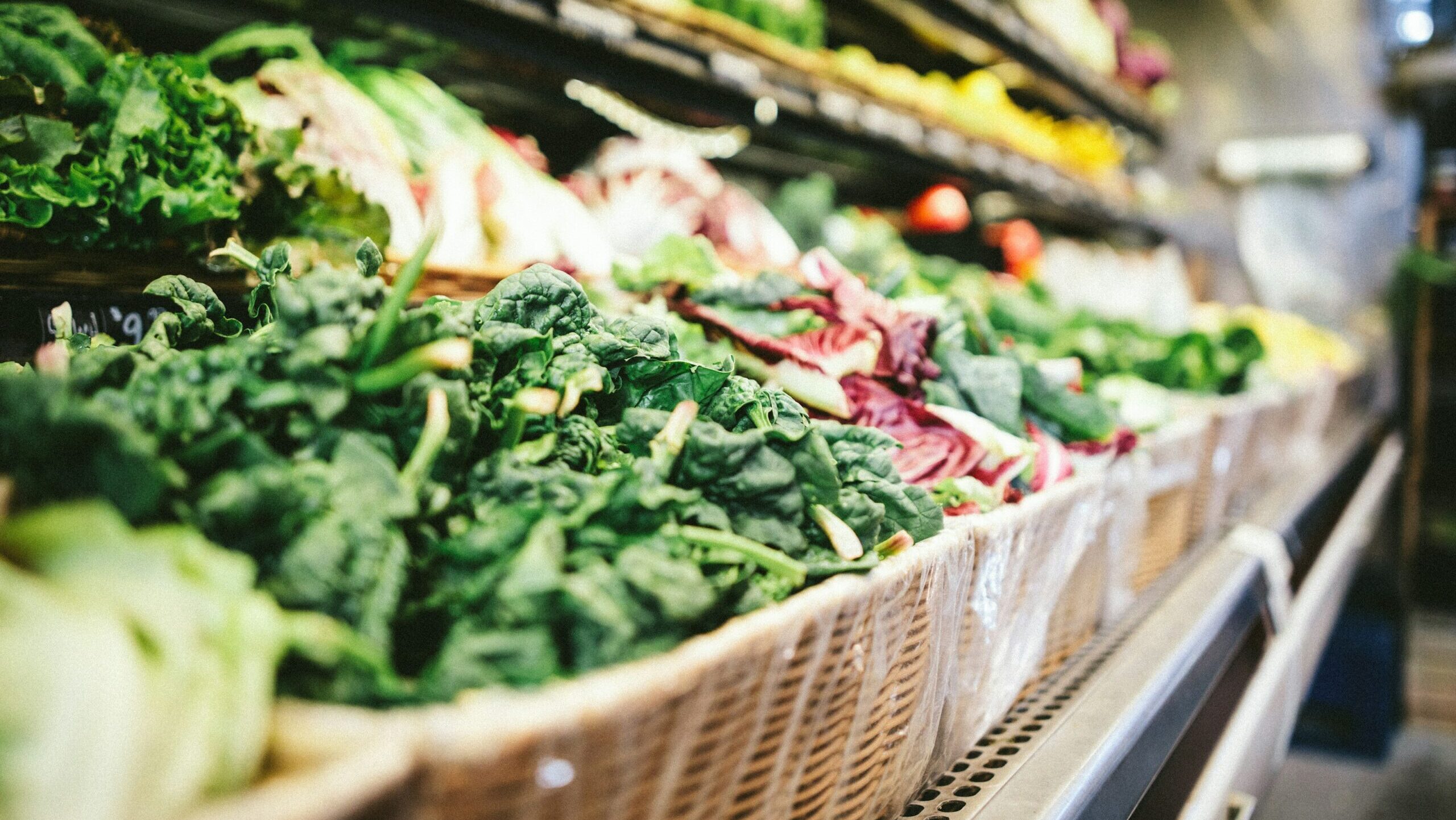
Branded produce companies are dressing up their fruits and veggies to woo online shoppers, tout attributes, and leverage storytelling.
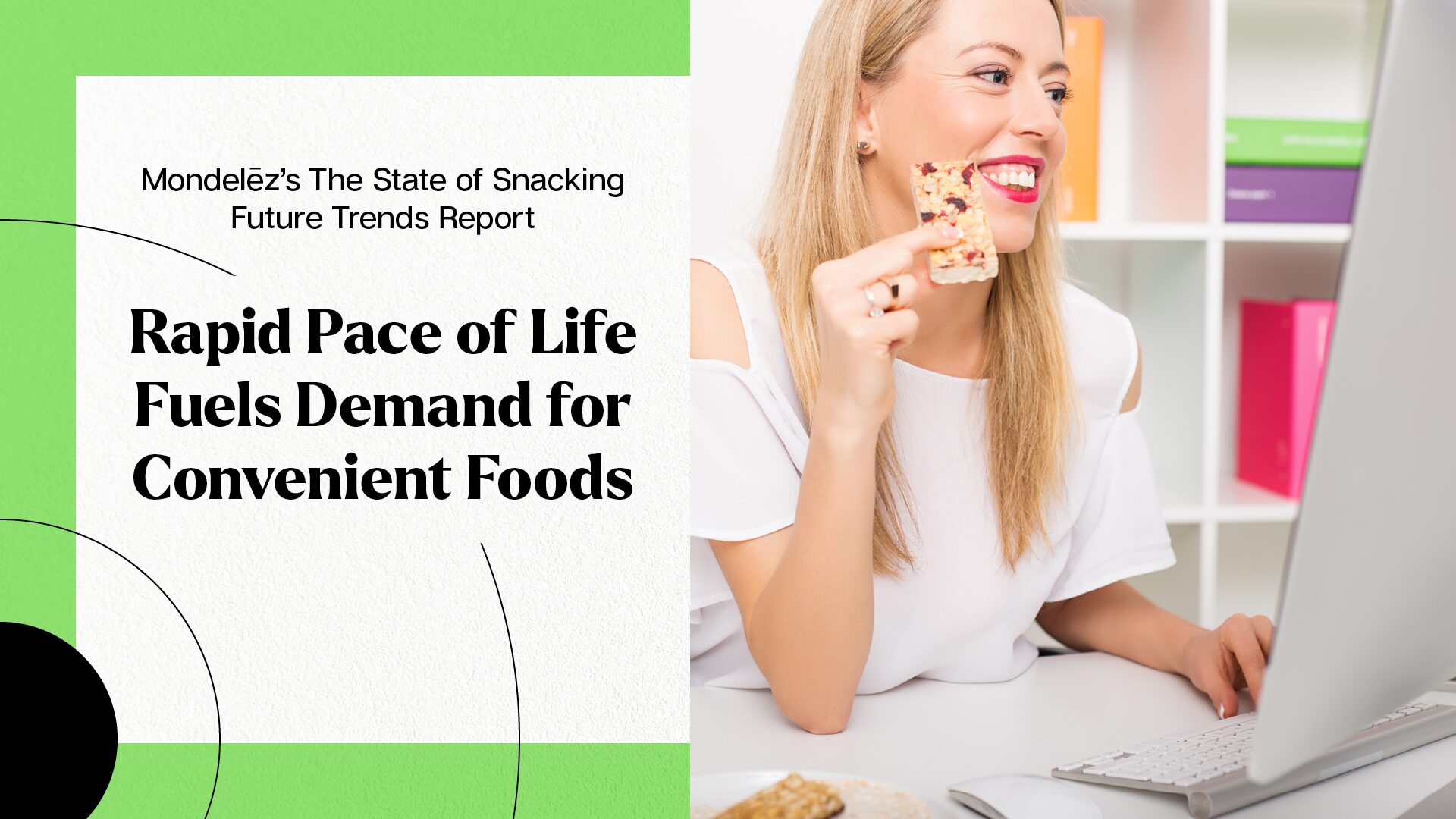
Today’s consumers seek snacks that not only satisfy but also nourish, blending convenience with balanced nutrition and illustrated by the emergence of breakfast bars and protein snack boxes.
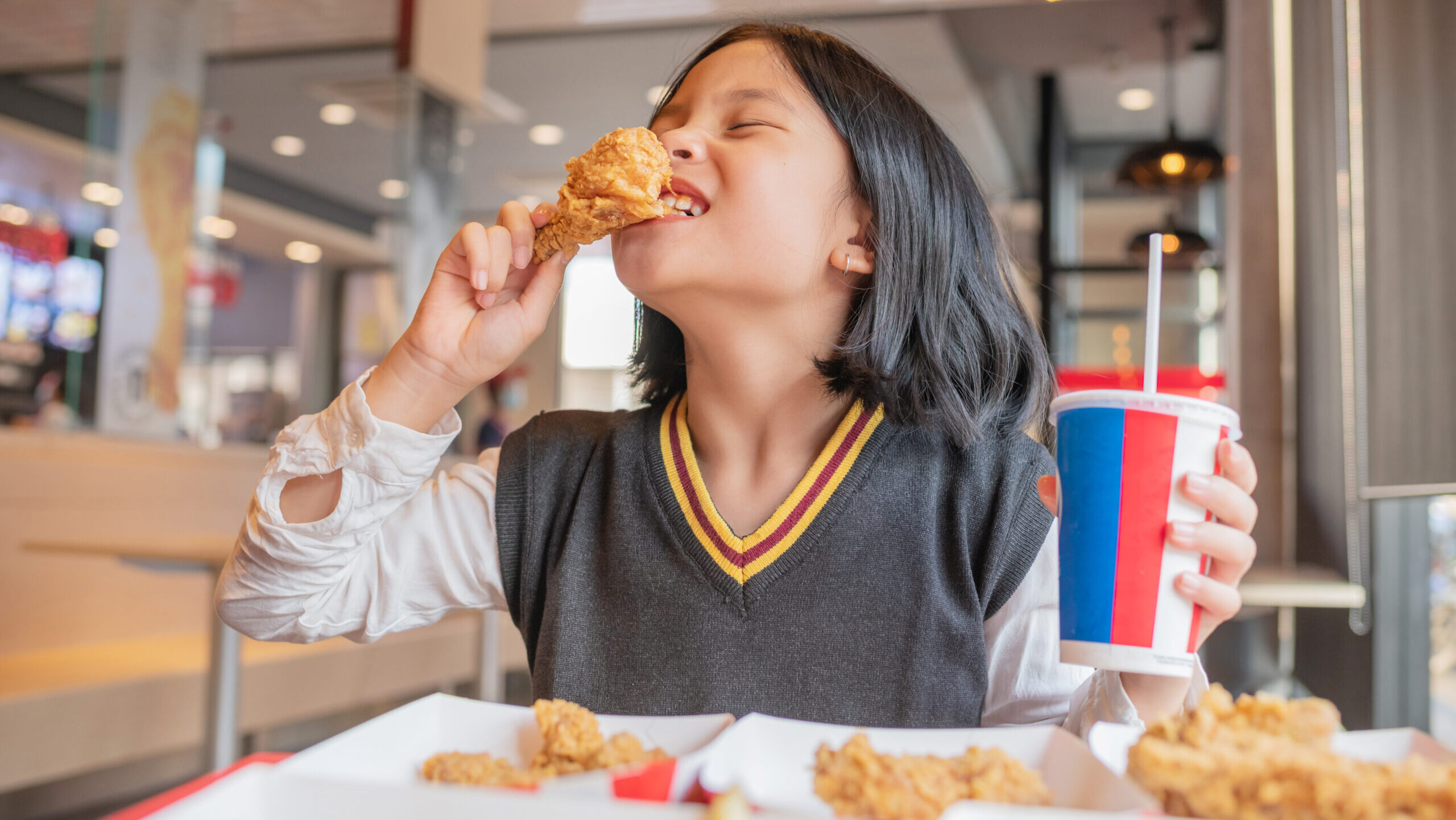
Yelp has released its first-ever list of the 50 fastest-growing brands in the U.S. Restaurant chains dominate the top ten, half of which are “challenger brands” – businesses that are not market leaders but aim to compete by disrupting their industries.
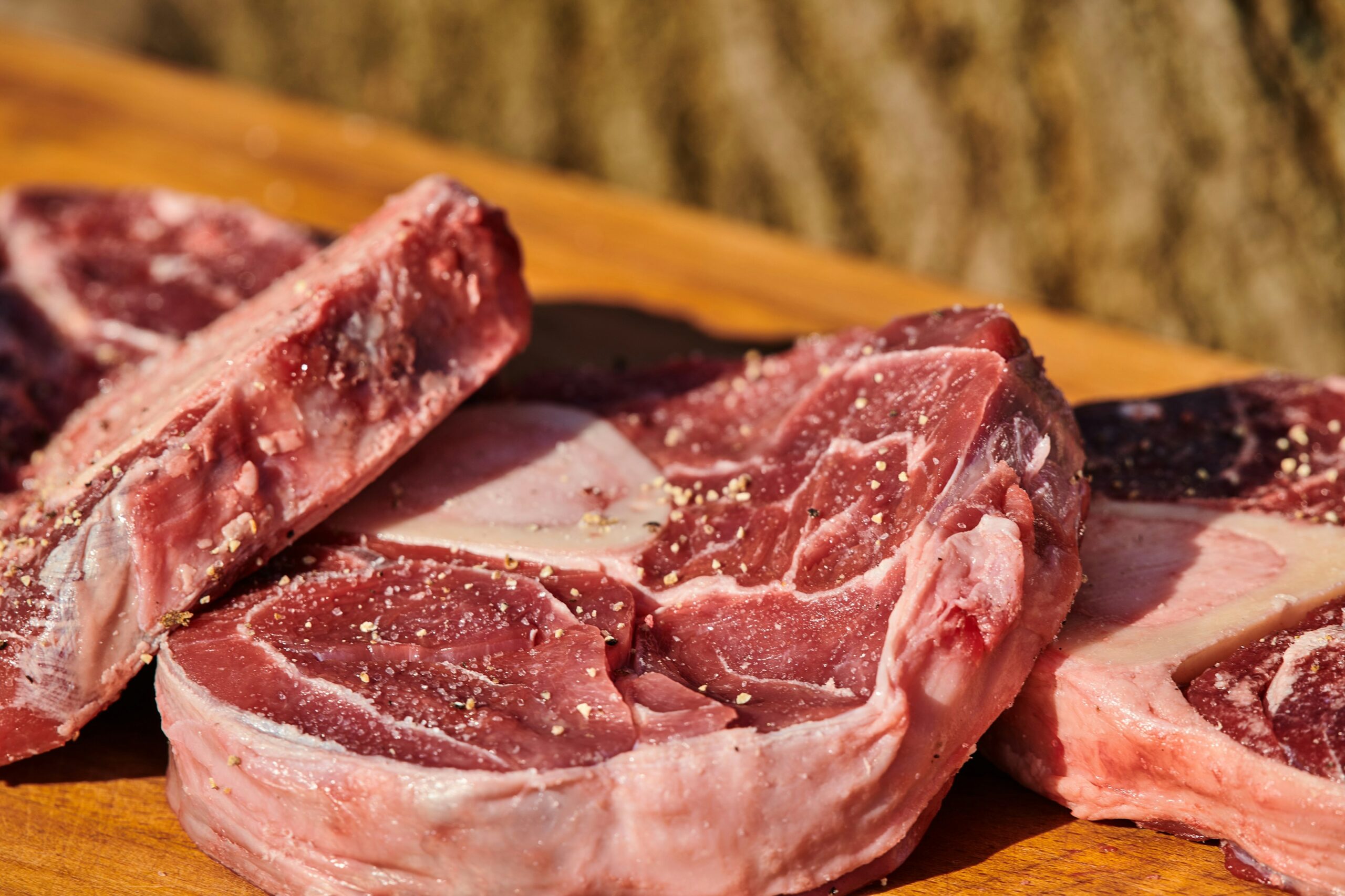
“A lot of people see beef as a premium meat and associate it with things like prosperity and masculinity. Beef is also incredibly rich in fat and protein, so our bodies are primed to crave it,” Rall said, noting federal subsidies, restaurant menus, and advertising all reinforce beef’s place “in our grocery stores and on our table.”
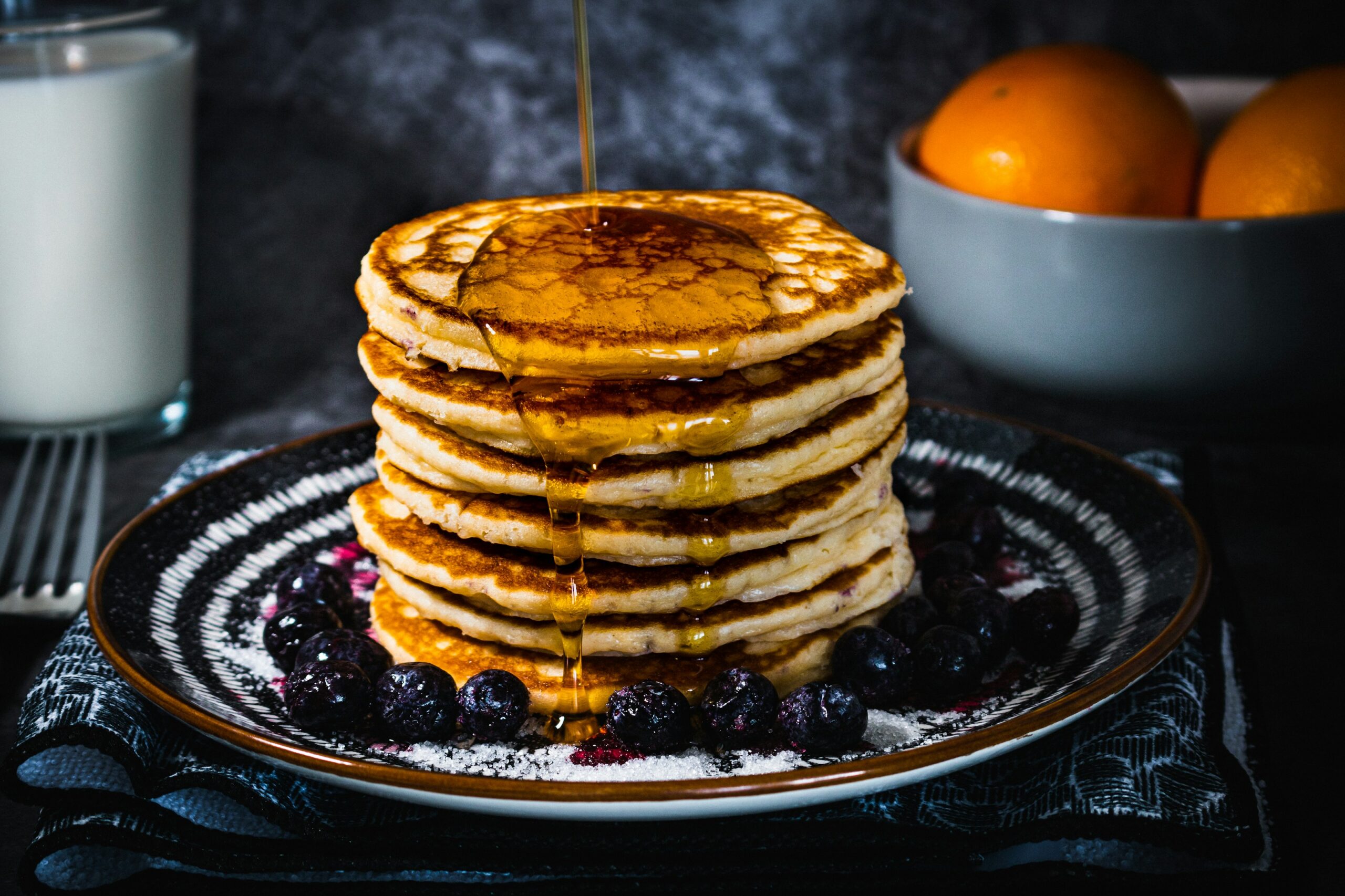
Through its unique product offerings and strategic influencer partnerships, Kodiak Cakes has differentiated itself and created a strong brand persona that resonates deeply with modern consumers.

The future of marketing was examined by executives during this week’s Possible Conference. A key takeaway: shoppable content.
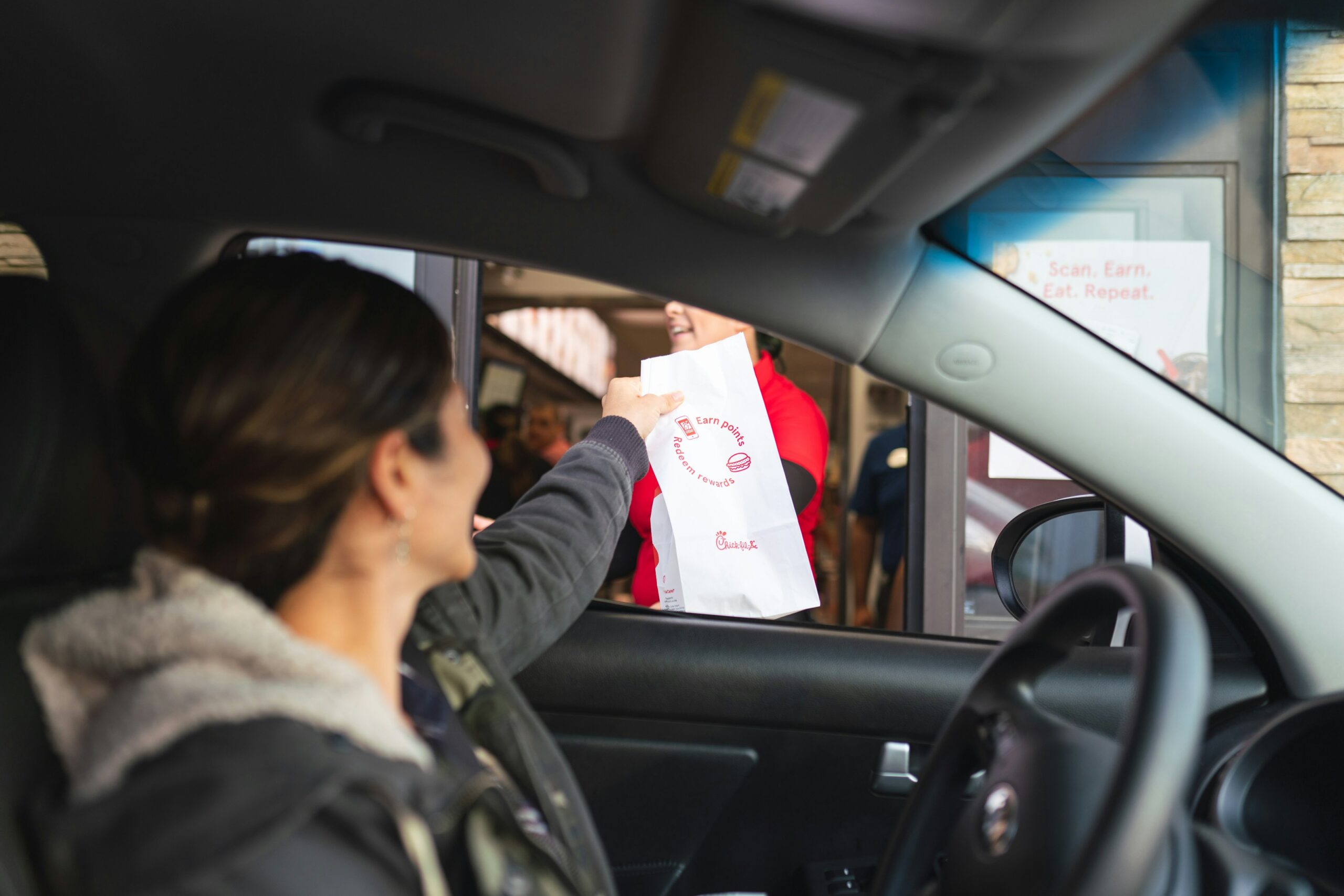
Among CPG energy drink brands, Celsius over-indexes with teens, with 17% citing it as their favorite energy drink brand (vs. ~12% market share) while Monster and Red Bull under-index. Among snack brands, Campbell’s Goldfish are still most preferred. Teens report highest intentions to eat more or the same amount of Mondelez’s Clif Bar and Hershey’s products.

The future of checkout technology, consumer perception and adoption, and operator success is a tricky set of balls to keep in the air all at once.
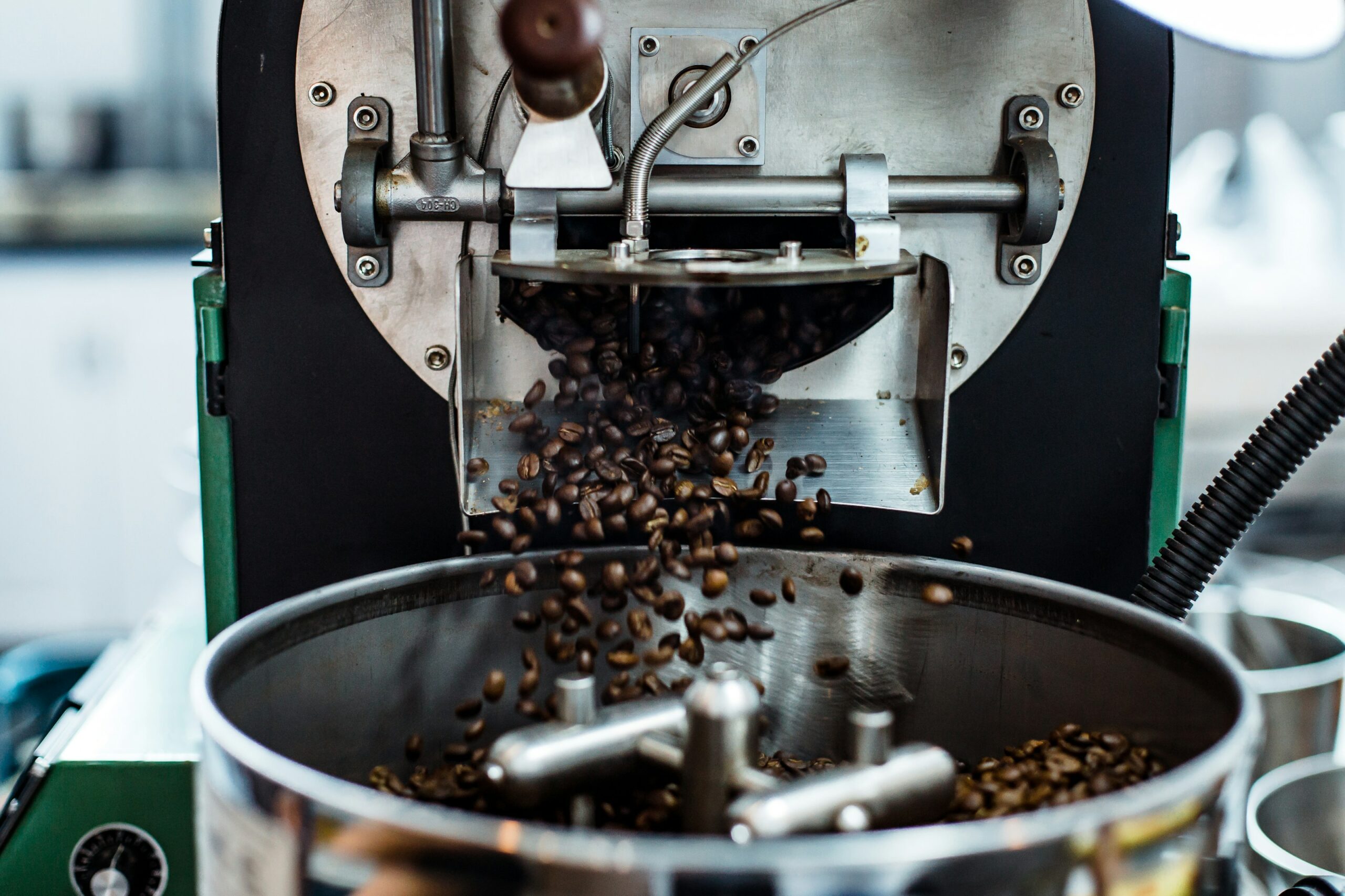
While the rest of us were getting our morning jolt from a decent cuppa, decaf drinkers quietly (and deliciously) infiltrated the greater consumer market. Skyquest Technology recently predicted that the decaf coffee market will continue to grow to a $28.86 billion industry by the end of the decade.
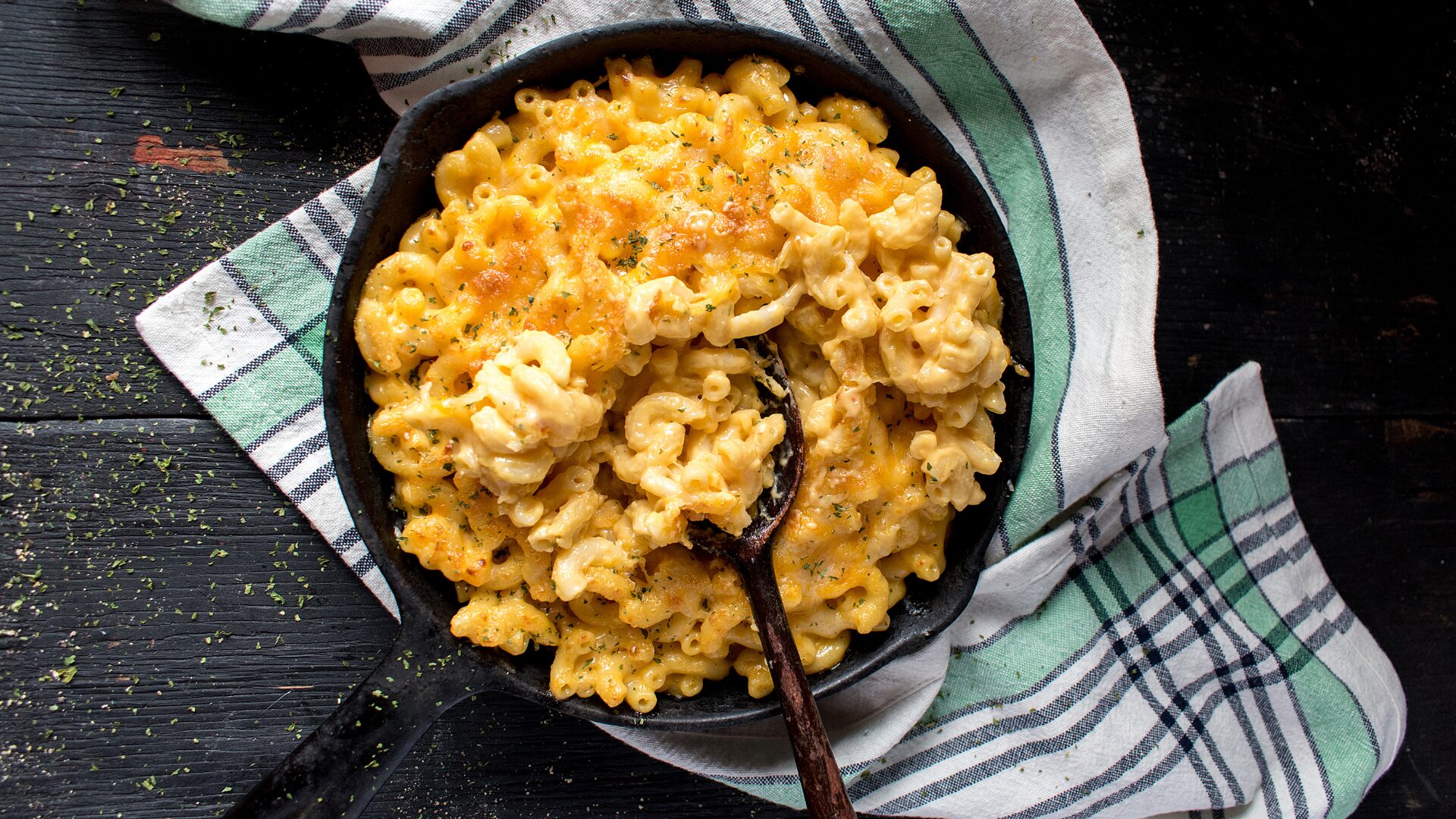
CPG producers are veganizing macaroni and cheese by removing dairy ingredients, adding gluten-free pasta and, in some cases, boosting the nutritional value of the popular comfort food.
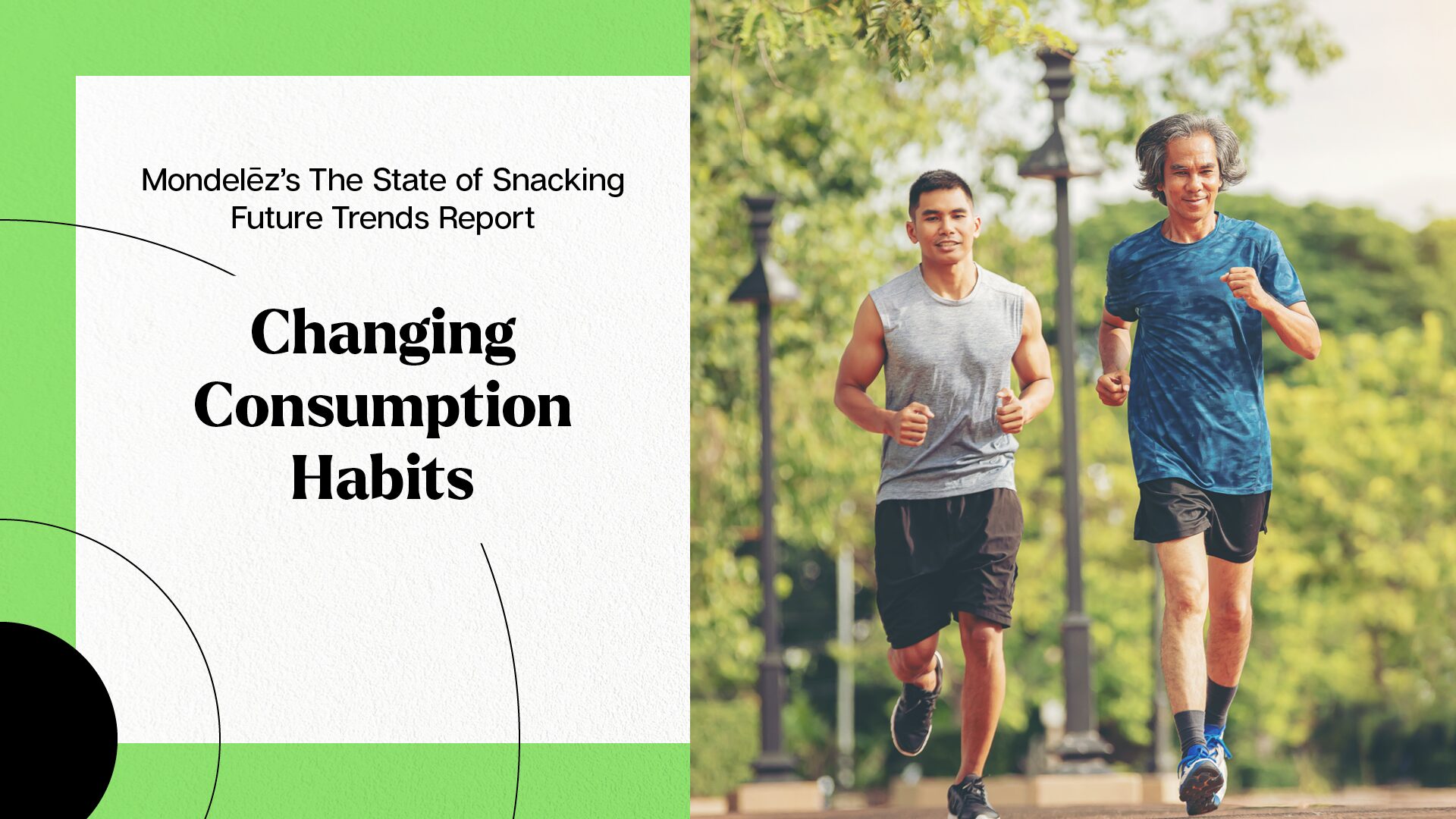
Other noteworthy shifts include the emergence of Gen Z and Gen Alpha as influential consumer groups. These young consumers are influencing market trends such as the push for labeling transparency and ethical production.
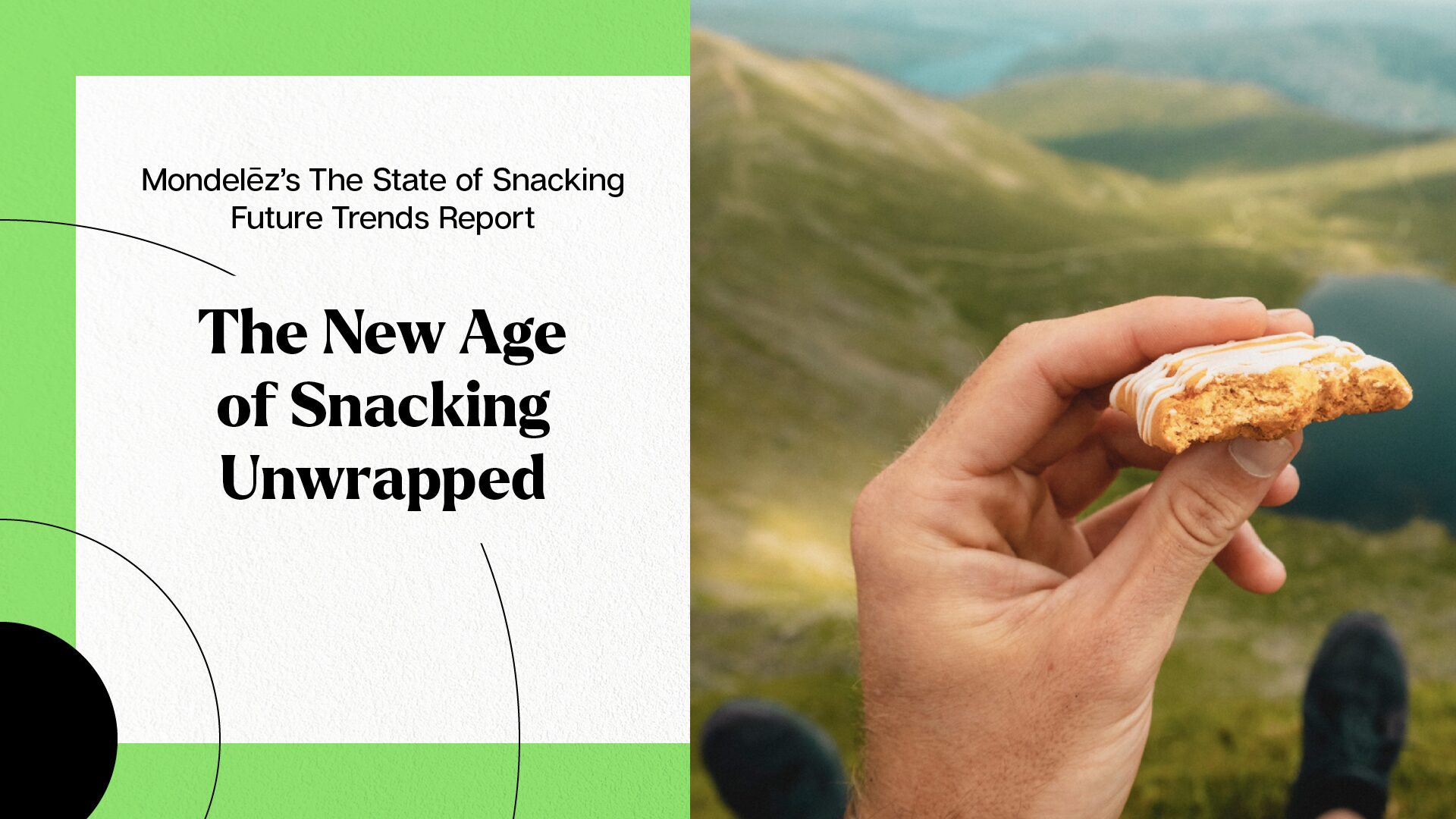
For starters, the global demographic landscape is undergoing a noteworthy transformation, with “second lifers” – those embarking on new chapters post-retirement – emerging as a powerful group of consumers. By 2050, the over-60 demographic is expected to double. This shift is pushing the market towards balanced nutrition.
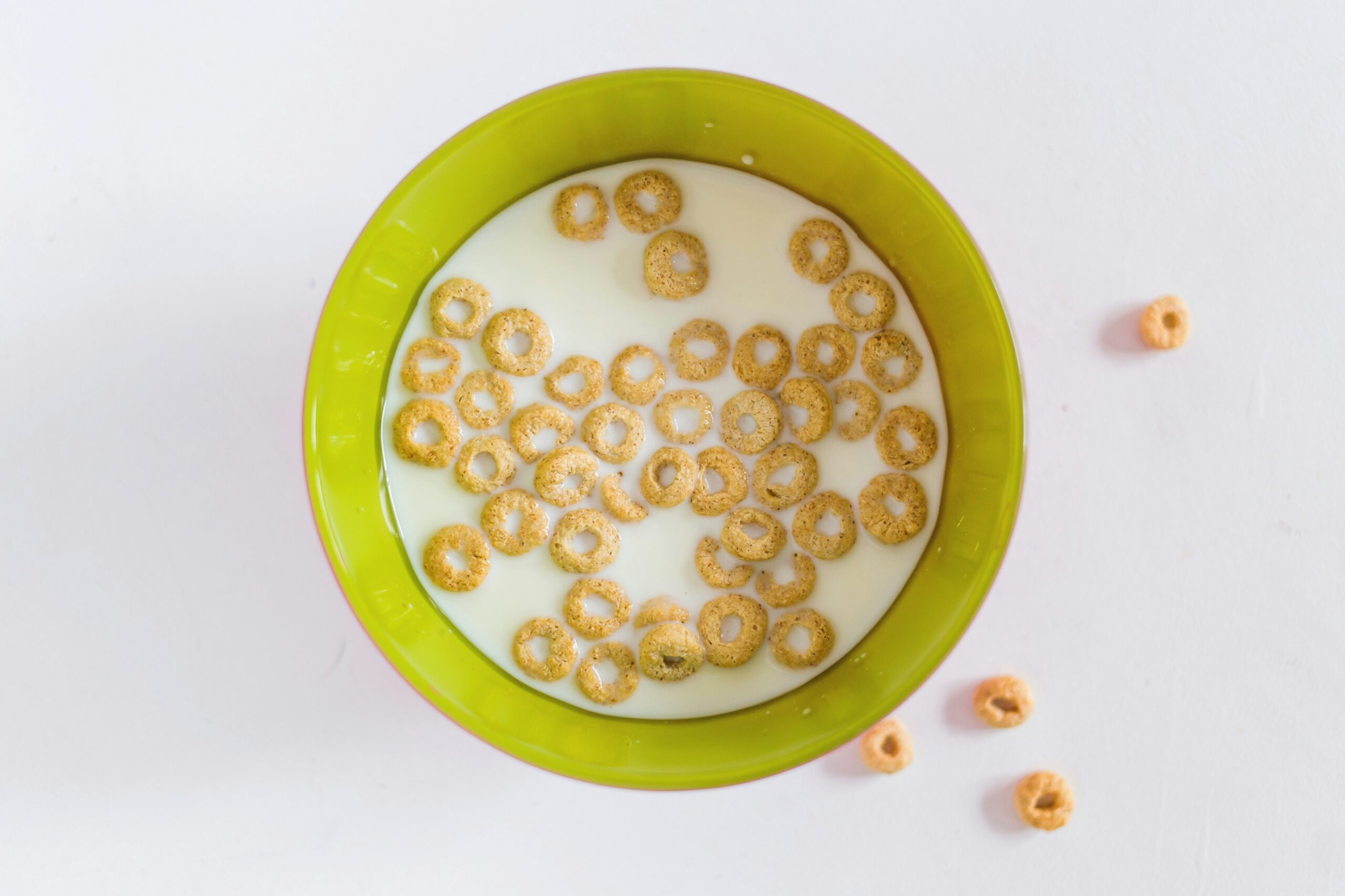
Magic Spoon cereal is twice as expensive as most other name brands. Many regard its flavor as questionable and its better-for-you status isn’t as rock solid as consumers would like to believe.
Co-Branding is a powerful tool to pique consumer interest, from Oreo and Breyers Ice Cream, to Mike’s Hot Honey and Lou Malnati’s pizza,


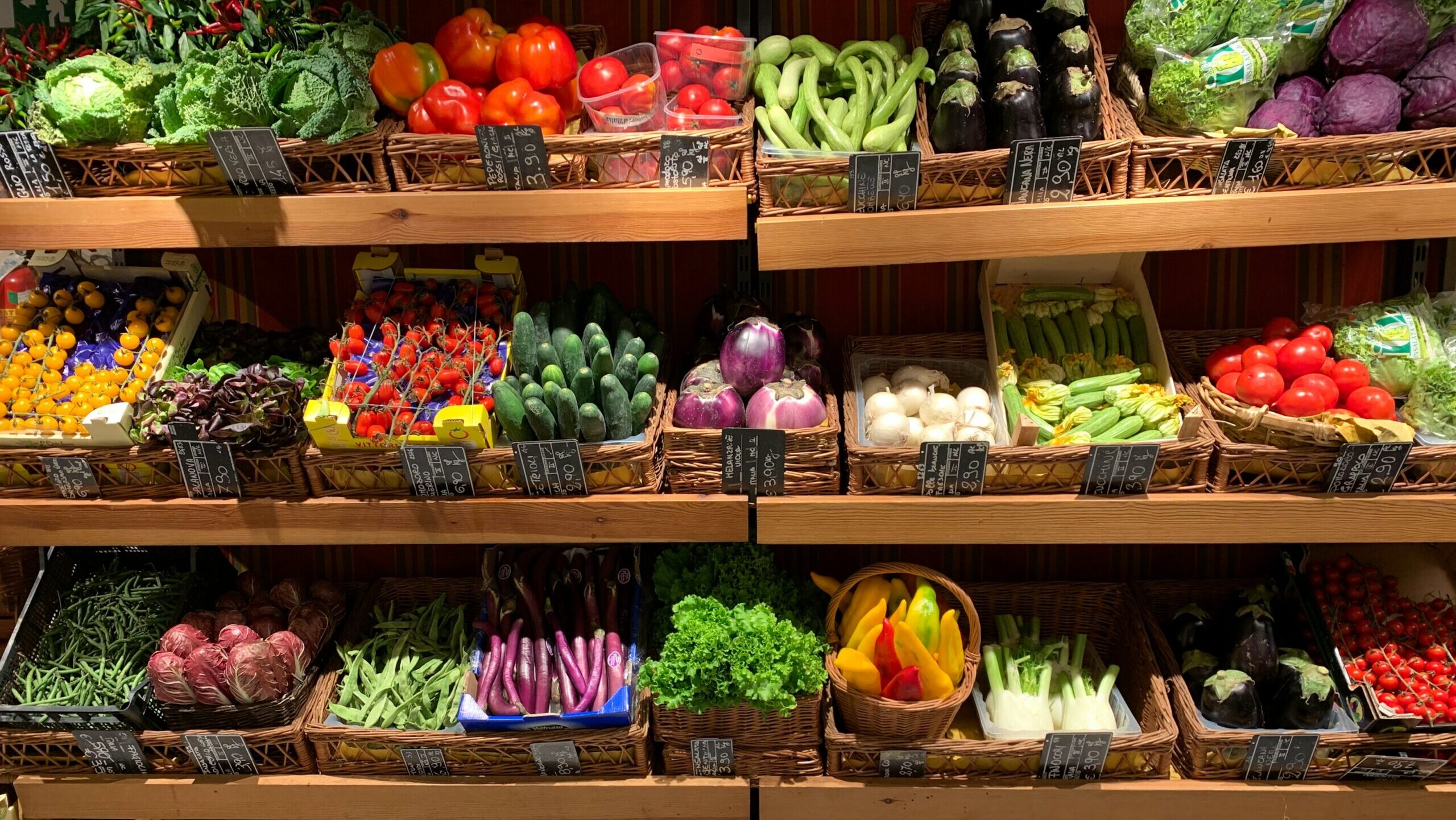
Across the US, inflation-weary consumers continue to push back on years of price hikes, cooking from home or simply buying less to save more.
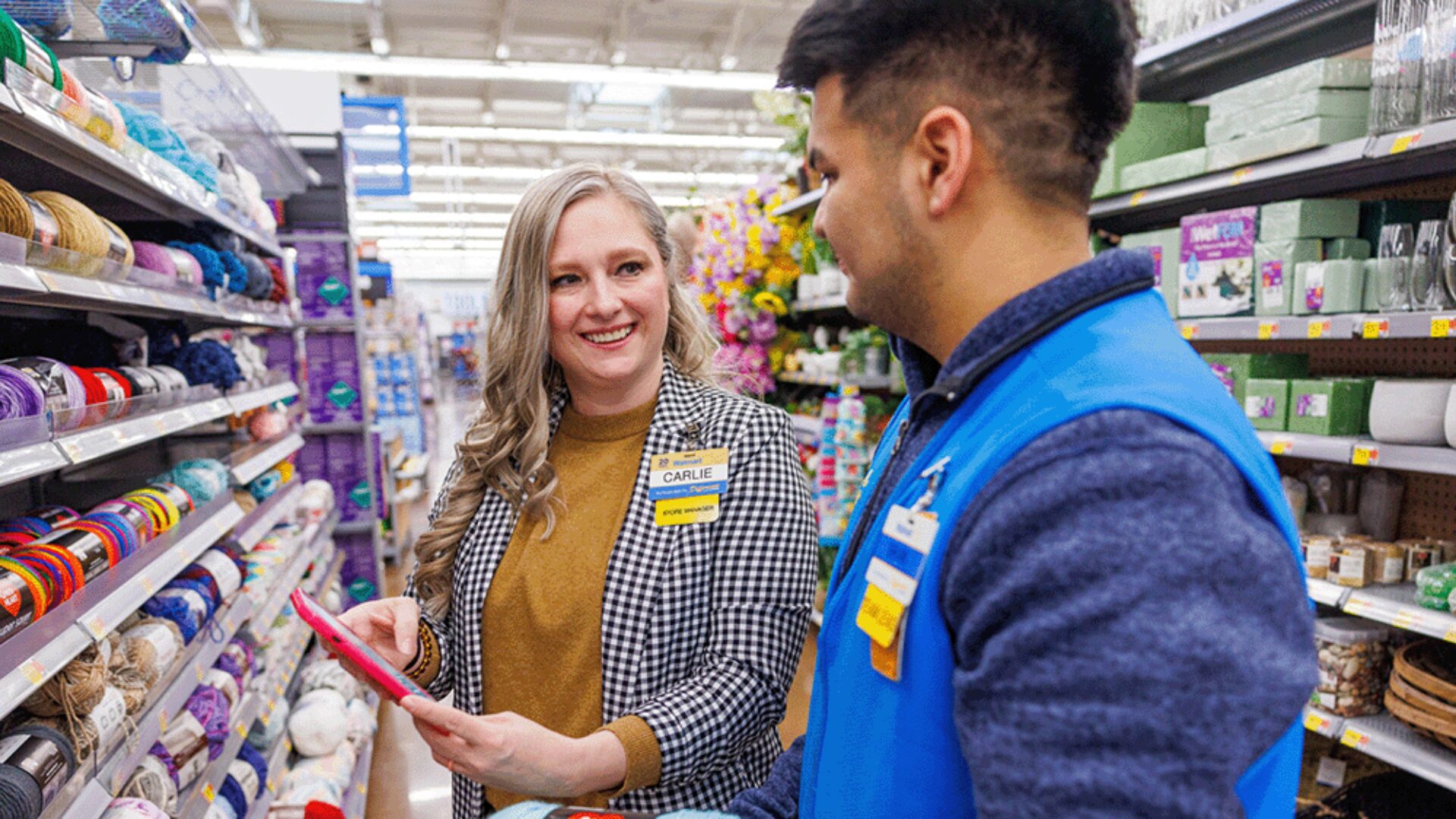
Can compassion be taught? That’s the question Walmart hopes to answer with a recent initiative for its store managers.
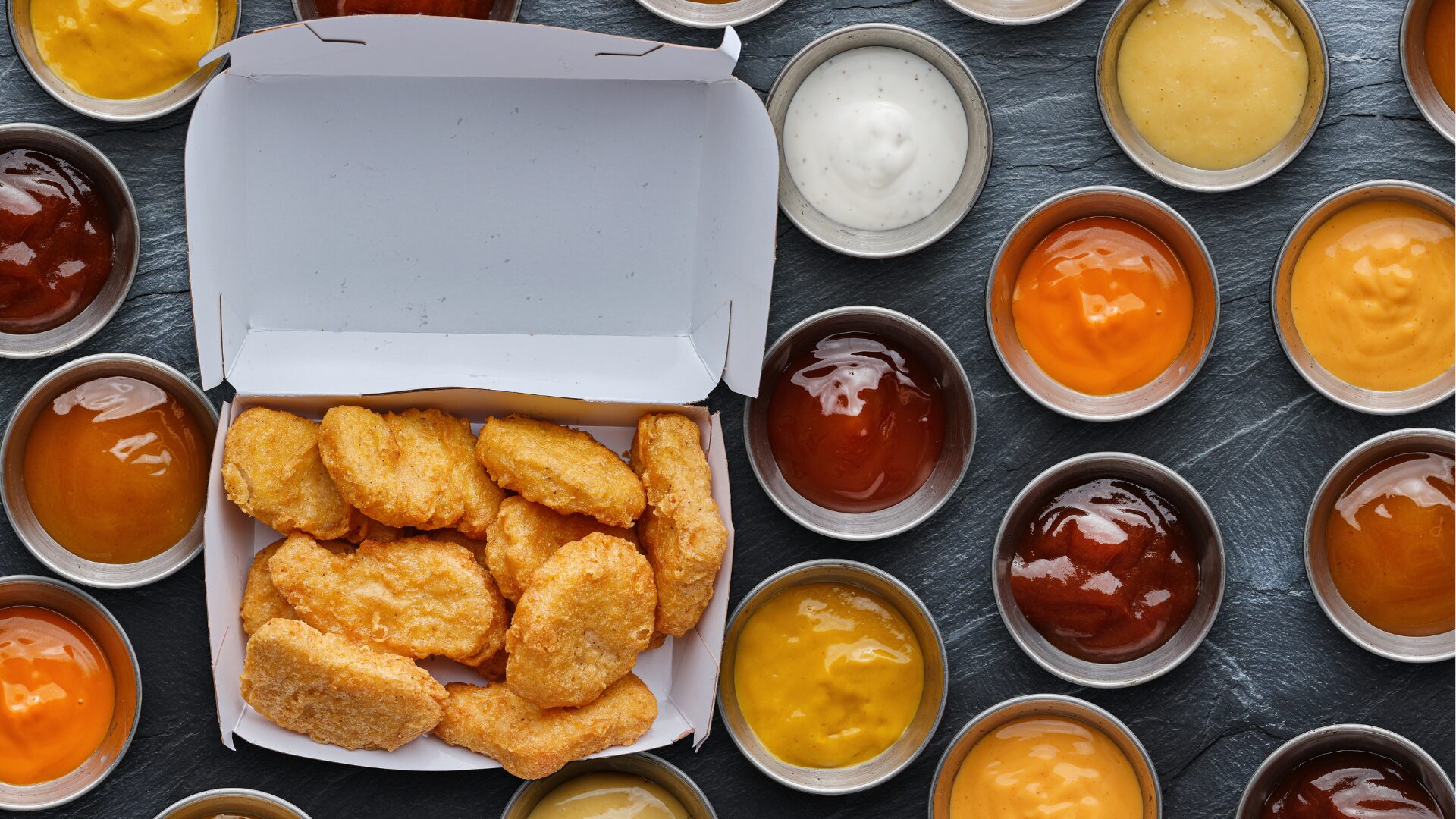
Demand for frozen chicken nuggets is strong, giving alternative varieties a significant runway for lift off — but sales remain grounded.
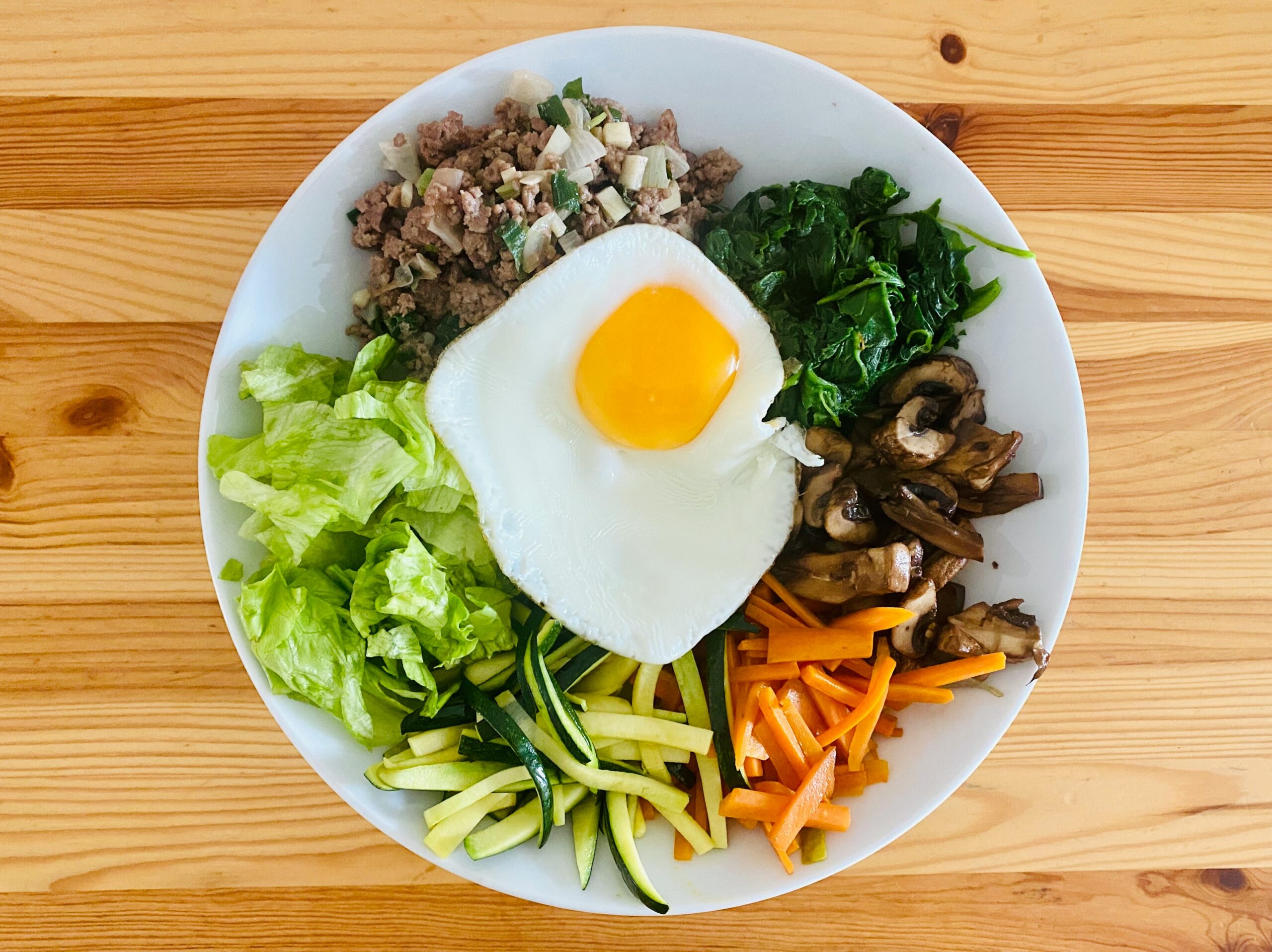
Zooming out, Korean cuisine has found a niche in today’s restaurant, retail, and grocery foodscape, whether standing alone as a global cultural beacon of cuisine or being reimagined with some of today’s food trends.
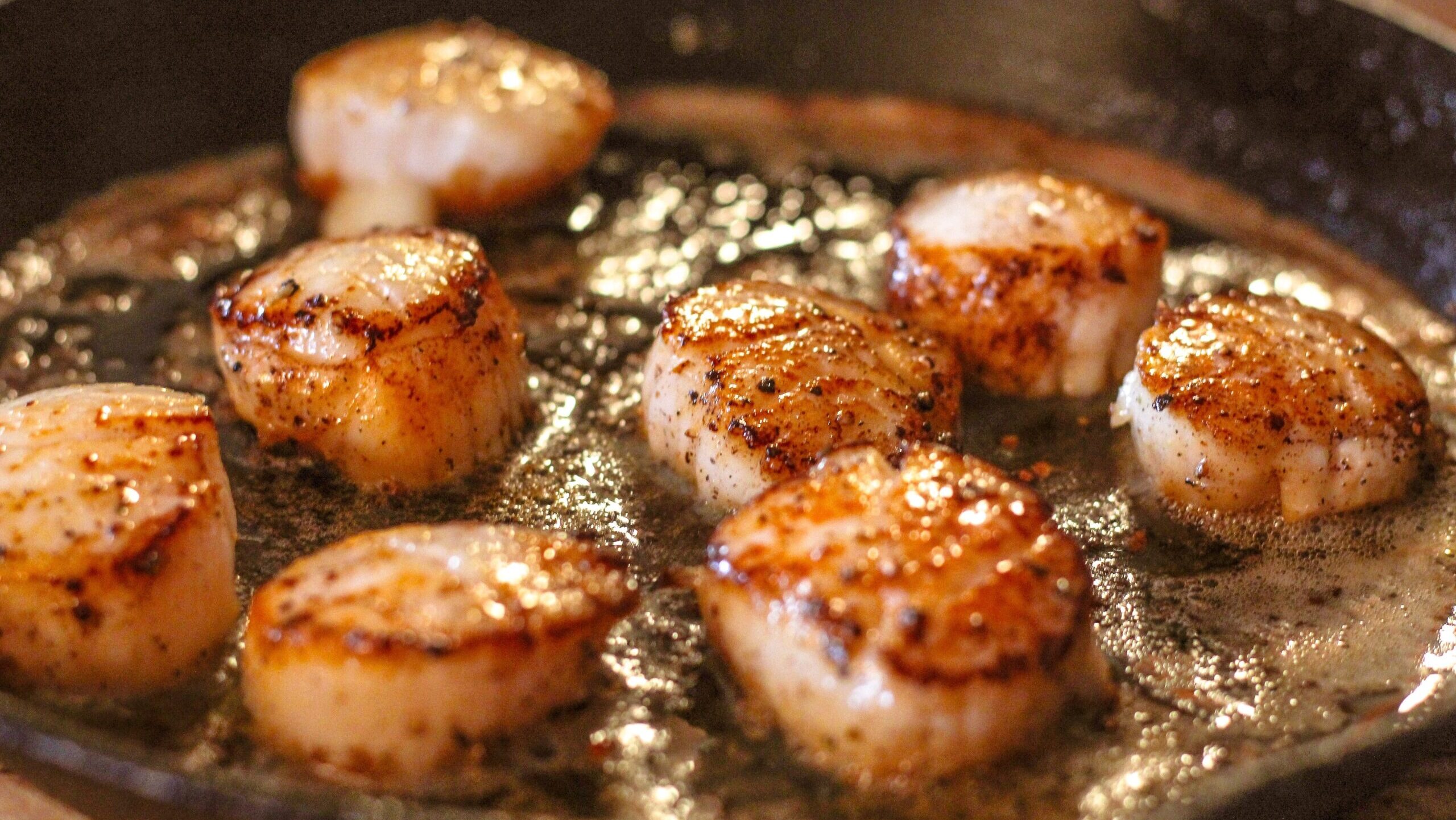
The high cost of seafood and the very clear preference for certain fish is the reason behind the caution, but it could be a lost opportunity for restaurants to stand out and become true destinations for seafood.
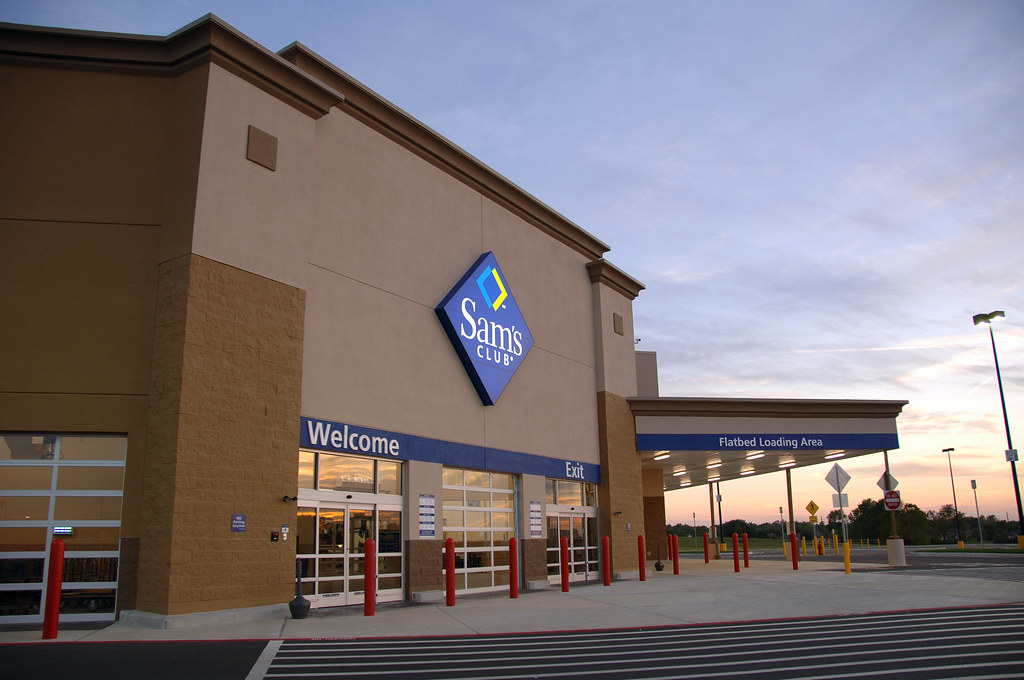
In a few short years, retail will be a totally immersive and data-driven experience highlighted by personalized AI recommendations for health and home, smart carts to increase efficiency (and solve the traveling salesman’s dilemma in-store), and much more.

Debate surrounding California’s impending food additive ban is heating up as state-level copycat proposals rise across the U.S. Last month, the National Confectioners Association spoke out against the ban, calling it “an emotionally-driven campaign that lacks scientific backing.”
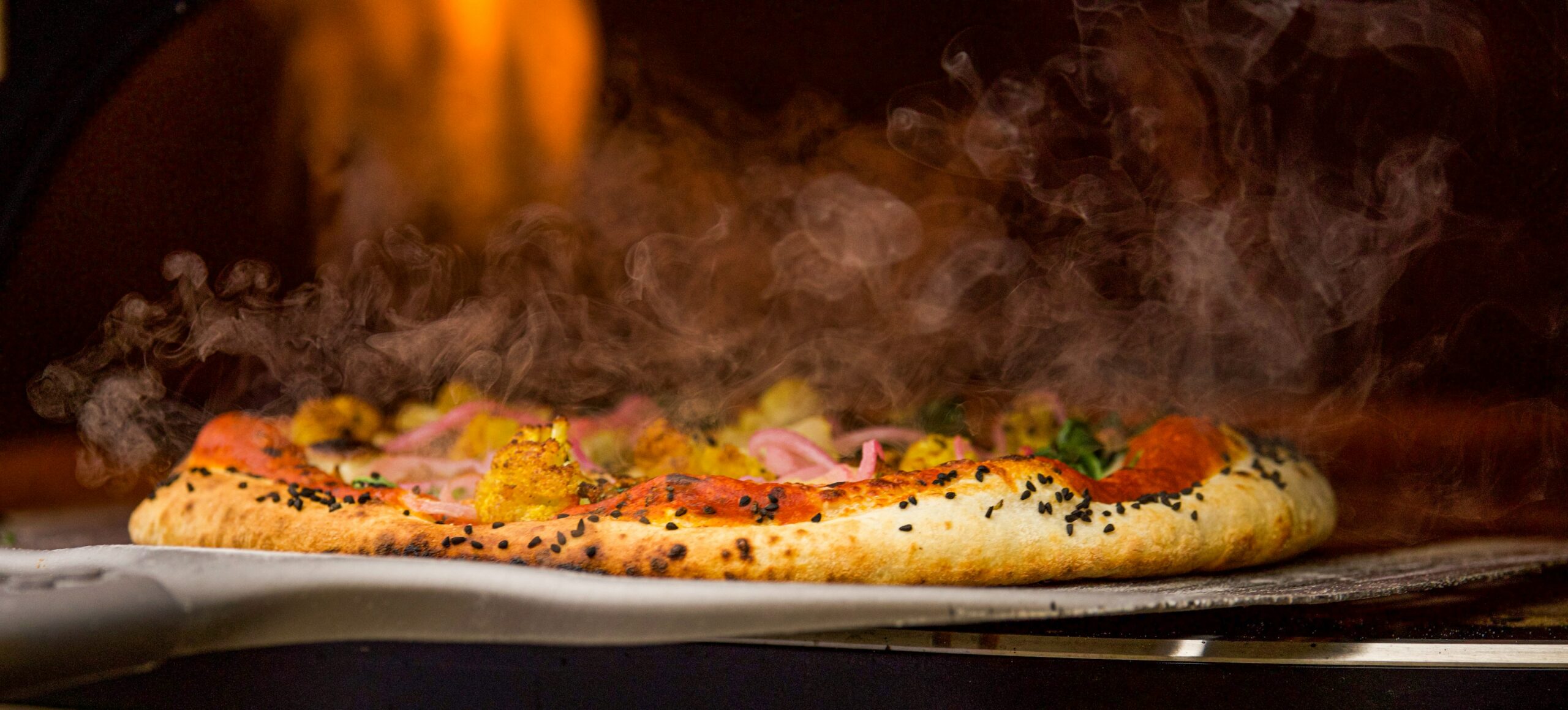
Served as an LTO, in a restaurant, or at a ball game, fired in a brick oven at 800 degrees or reheated Sunday morning in a battered collegiate microwave after a late night, pizza is a tough business that can yield great rewards, revenue, and satisfaction.
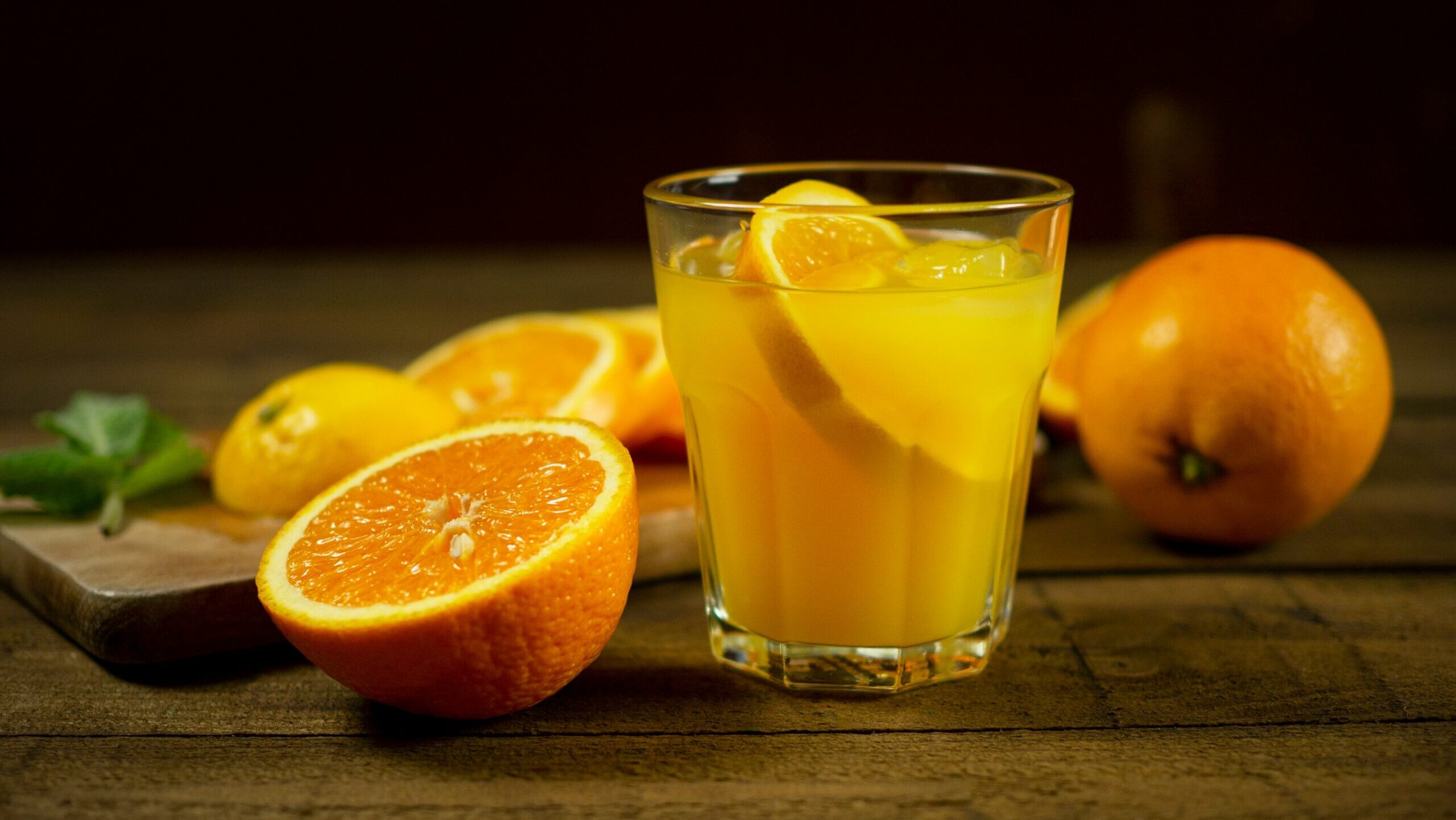
Fresh orange juice producers continue to walk a fine line between supply and demand while consumer beverage preferences fluctuate widely.

So prevalent and all-consuming is the cultural agency of the Costco Kirkland Signature All-Beef Hot Dog that it’s propelling a crypto “memecoin” on the Solana crypto exchange. That is a real sentence. “Hot dogs are in control,” writes one commentator on TikTok. “The buns stay on,” adds @Jan crypto trader in the same thread amid a rising swell of crypto brokers.
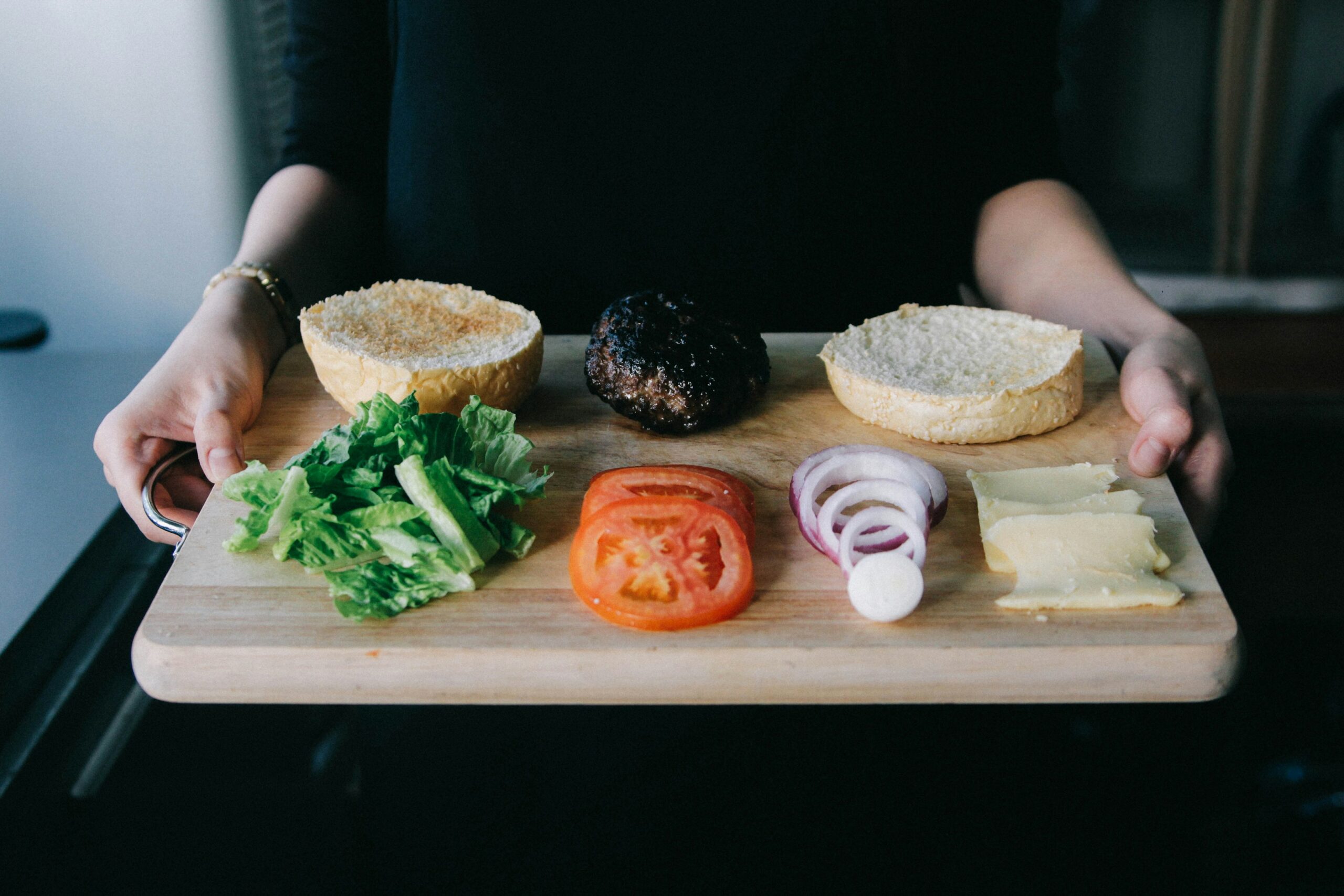
There’s a growing feeling among many consumers that what we put into our bodies can perhaps solve myriad health issues. That presents a major opportunity for CPG brands regarding functional food products.
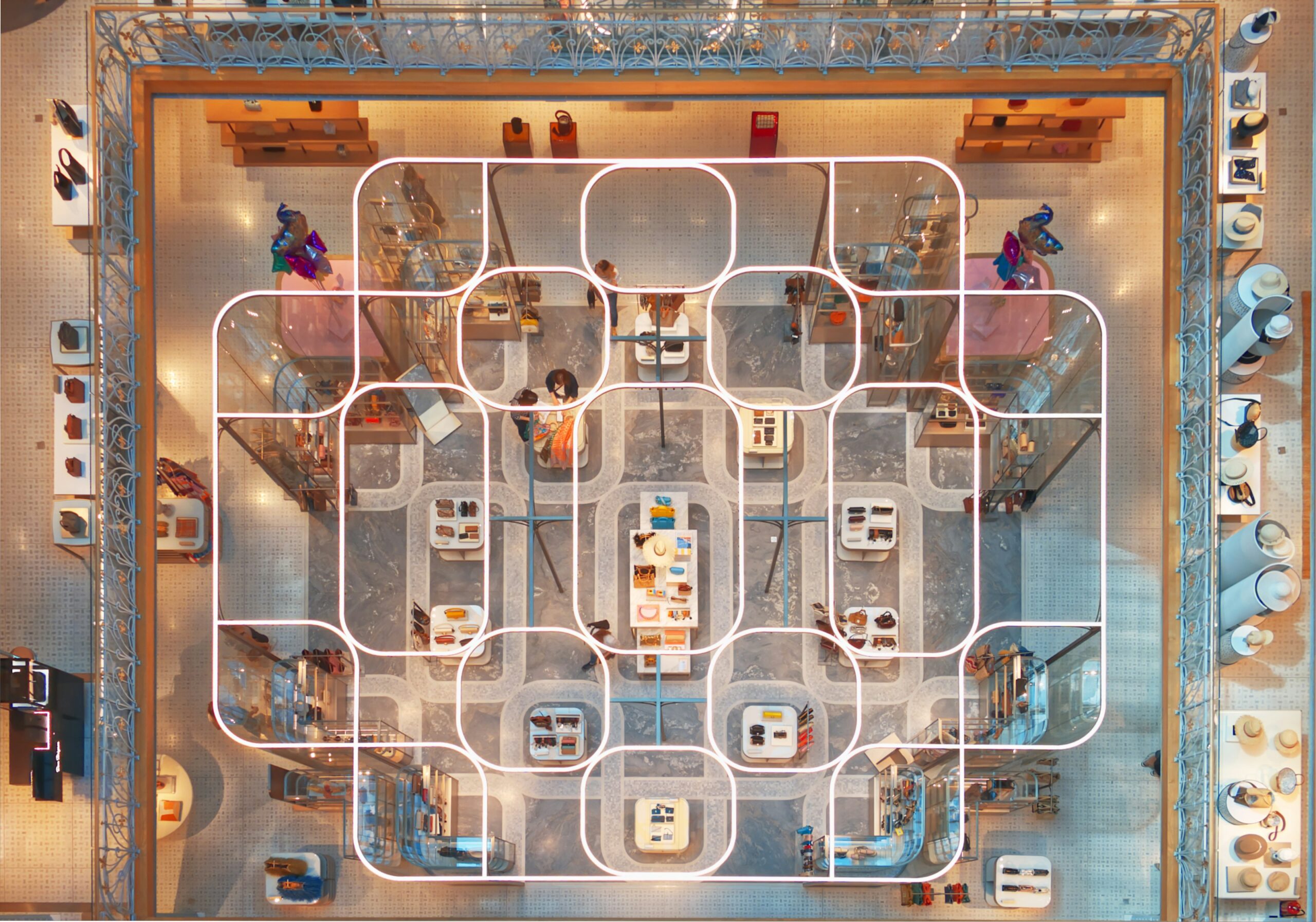
“Customers will step into a retail environment where every interaction is personalized, guided by AI algorithms that efficiently navigate shoppers through aisles and offer tailored product suggestions in real time,” fostering brand loyalty and elevating the consumer experience to “unprecedented satisfaction levels.”