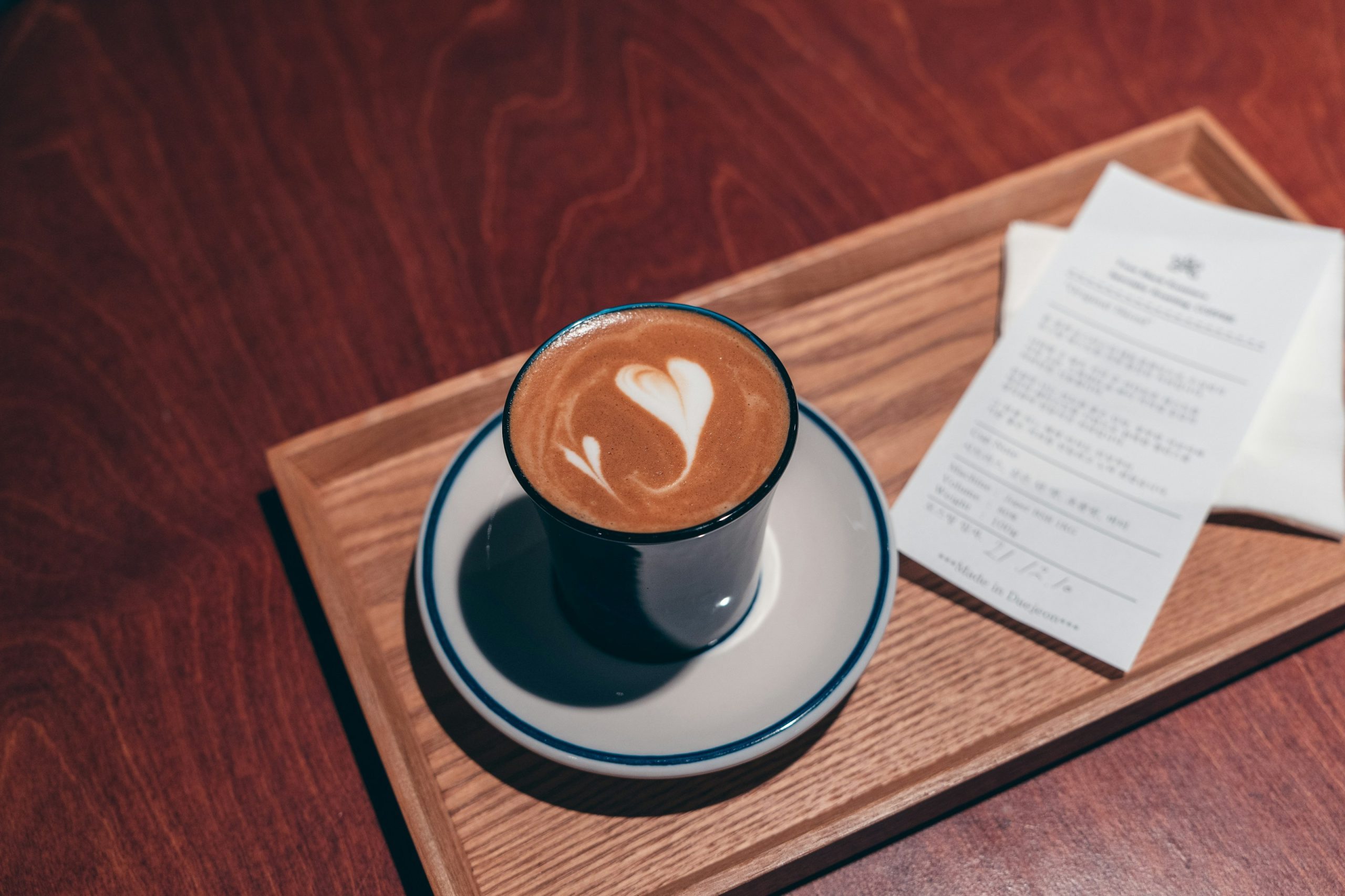
If you thought buying a cup of hot coffee at the corner café was expensive last year, just take a look at a menu today: The price is up 5.4% from last year to an average of $3.69 per cup.
Government statistics show the increase is a full point-and-a-half higher than the overall increase for food-away-from-home prices and twice the increase of food prices overall.
Those desiring exotic coffee could try a cup of Kopi Luwak, or Indonesian civet coffee, which sells for $600 a pound or $50 a cup. In the U.S., the most expensive cup at $105 can be found at the Wild Fox in San Francisco – the San Francisco Chronicle reported the brew is made from Brazilian beans roasted in Tokyo by Glitch Coffee.
Retail coffee prices are up about 30% from last year, at $9 per pound.
As a result, drinking coffee at home also is getting more expensive.
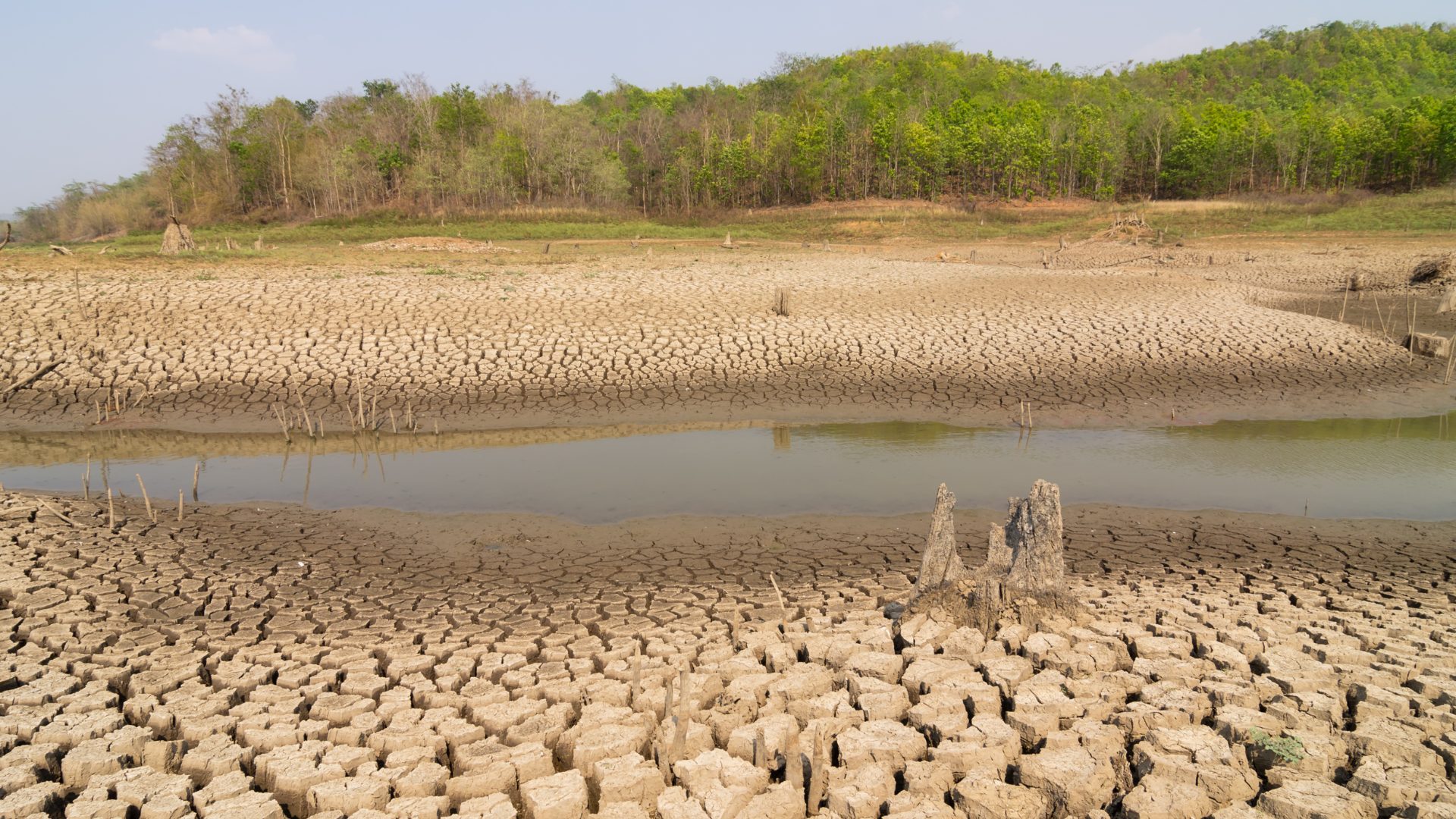
The increase in coffee prices is being driven by several factors: drought and heat in coffee-growing areas that have reduced yields, rising operational costs, tariffs, and speculation on the commodity exchanges.

Cold brew is more expensive, up 3.3% to $5.58.
Toast reported weather is the biggest factor in the “bean belt,” the area between the Tropic of Cancer and the Tropic of Capricorn, which has been battered by both drought and flooding. On the commodity markets, price volatility seems to be easing amid favorable crop forecasts in Brazil.
International shipping costs and labor pressures may force restaurants and cafes to increase prices even further, Toast said.
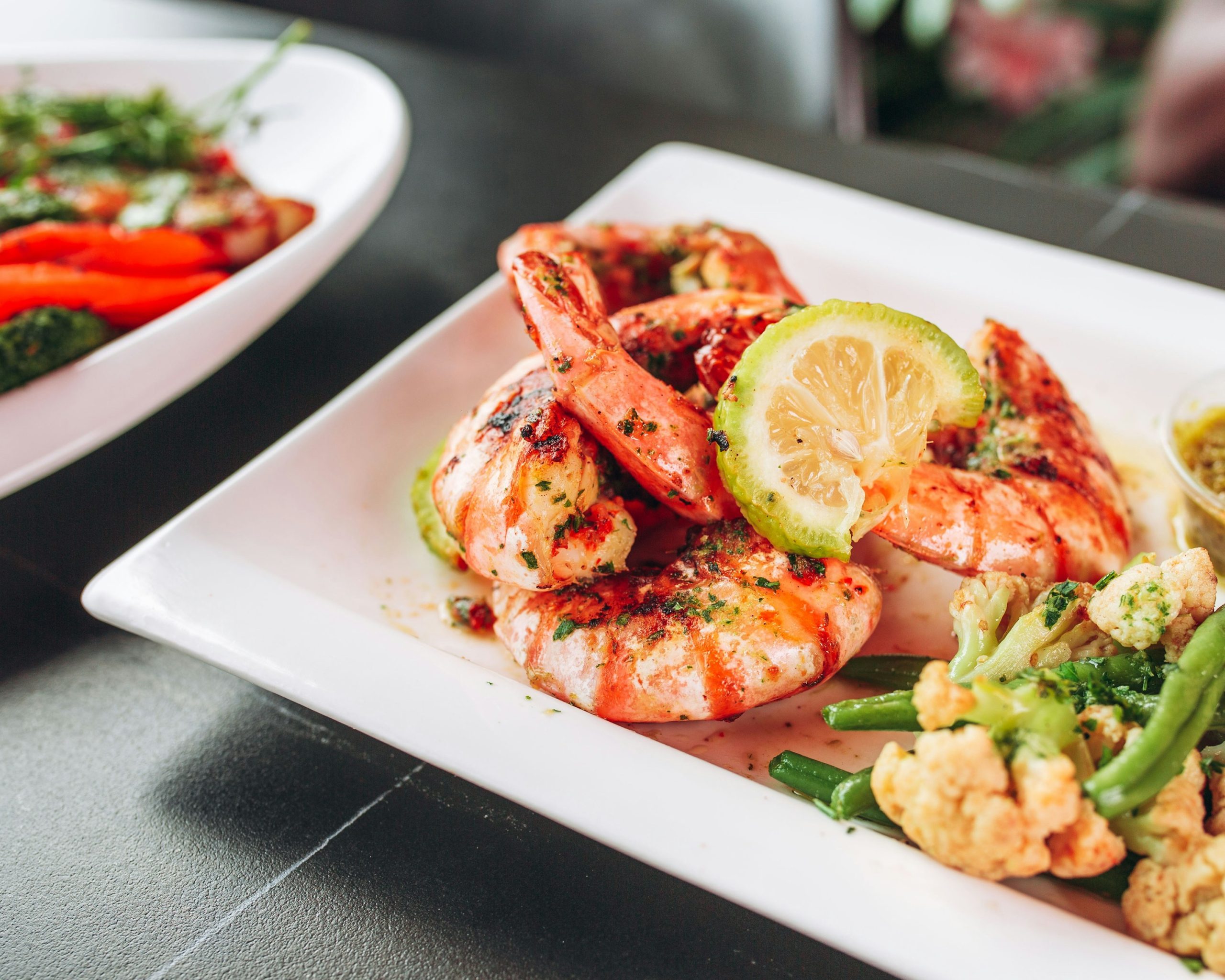
Want some food to go with that cup of joe? A burger at a restaurant hit an average of $14.63 in March, up 2.5% from last year, Toast reported, with overall beef prices up 10-12%, mainly on supply/demand issues created in the wake of COVID, according to the USDA.
Still hungry? Median burrito prices were up 1.8% to an average $13.50 – with labor costs the leading factor – while an order of chicken wings will set you back $13.88, up 1.6%.
The USDA Economic Research Service predicted eight at-home food categories would increase in price faster than their 20-year historical average this year, including beef and veal, fish and seafood, fresh vegetables, processed fruits and vegetables, sugar and sweets, cereal and bakery products, and nonalcoholic drinks.
The Food Institute Podcast
In this episode of Food for Thought Leadership, Food Institute Chief Content Officer Kelly Beaton steps in as guest host to interview Fransmart CEO Dan Rowe on the evolving restaurant labor market. Rowe challenges operators to view labor not as a cost to minimize but as a strategic investment, noting that the most successful brands are those that “staff for the sales they want” and prioritize retention, engagement, and culture amid ongoing workforce constraints.