They’re doing something right at McDonald’s, Starbucks and Chick-fil-A. The three giants came in first, second and third, respectively, in the latest Circana Definitive U.S. Restaurant Ranking Report, commanding an impressive 61% of the restaurant market despite occupying just 24% of the restaurant real estate.
Circana said the three top restaurants left the remainder of the most popular 50 in the dust, generating $107 billion and accounting for 32% of the top 50’s total consumer spending, which rose 3% last year.
So, what’s driving traffic? Experts told The Food Institute it’s speed, consistency and putting the customer first.
Jason Purvis, who was a Chick-fil-A franchisee for more than a dozen years, said the three top eateries share a few key traits: hyper-focused speed, accuracy, and consistency.

“These three things are the key drivers for customers to come more often. If you add in great customer service, you will create raving fans of your guests, which is what I experienced at Chick-fil-A,” said Purvis, the founder of the Restaurant Freedom Academy, and owner of Sidewalk Coffee & Bagel.
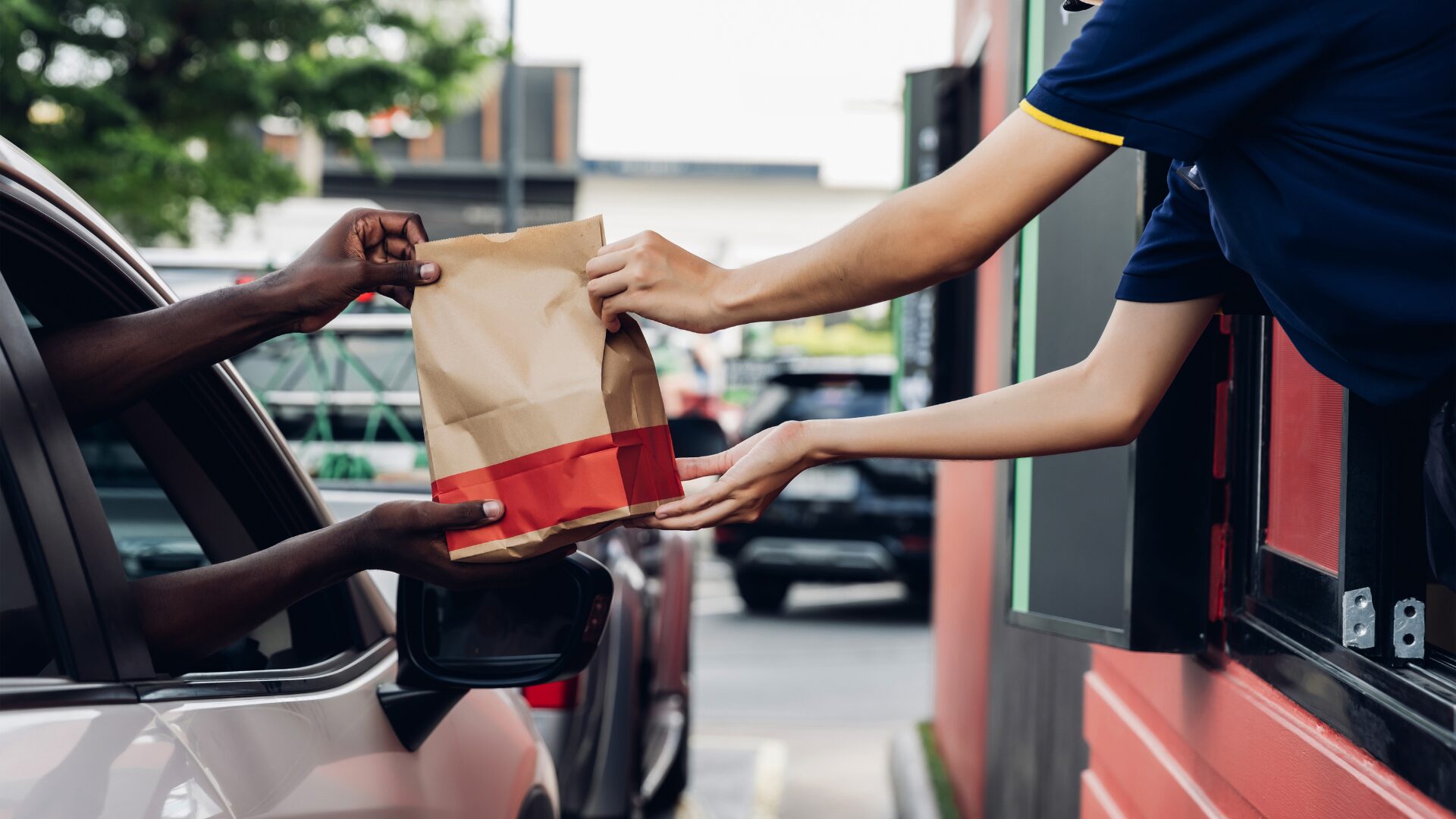
“Speed is especially important in the fast-food category,” he added. “The people who frequent these businesses are short on time and need to get in and out. If the order is not accurate, and the guest has to return, you fail at speed. If they do not return, you have failed to be reliable and consistent.”
Marketing and collaborations are also key differentiators for today’s most successful restaurant chains.
“Smart and viral marketing campaigns, (and) pivoting to the platforms and moments that are meaningful to consumers” are key, said Justin Goldsberry, CEO of Goldsberry Management Group.
He also noted that launching hot, heavily hyped promotions (like McDonald’s and K-Pop Demon Hunters) is increasingly valuable in 2026.
The CEO also noted operations that are responsive to customer needs will see those customers develop an intimate relationship with them.
“They engage with them on a very frequent basis. These chains are relevant and responsive to economic situations, perhaps working to offer consumers more value for money,” Goldsberry said, adding that smart marketing and taking advantage of trends will help those relationships develop.
At a time when consumers are frustrated with food inflation, a focus on value will typically help restaurants draw diners.
David Portalatin, senior VP and food industry adviser for Circana, said there’s one more element.
“Those who maintain … [a] forward-thinking, resilient mindset in 2026 will continue to find success and drive industry growth,” Portalatin said.
The Food Institute Podcast
In this episode of Food for Thought Leadership, Food Institute Chief Content Officer Kelly Beaton steps in as guest host to interview Fransmart CEO Dan Rowe on the evolving restaurant labor market. Rowe challenges operators to view labor not as a cost to minimize but as a strategic investment, noting that the most successful brands are those that “staff for the sales they want” and prioritize retention, engagement, and culture amid ongoing workforce constraints.