Packaging is about to add a whole lot more to inflationary pressures if the war against Iran continues much longer – and the pressure will linger long after the conflict ends, experts told The Food Institute.
Bottled drinks, frozen foods, canned goods, snacks, and dairy products appear likely to feel the biggest impact, due to the need to protect them from contamination.
“Consumers already feel the impact of fuel spikes. But it’s slowly affecting all steps of the food supply chain, from the field to the shelves. I expect consumers will feel the pinch later in the year before it gets better,” Colin Houchins, director of sales at Tosca, told The Food Institute, noting the problem right now is a shipping issue rather than a materials shortage.
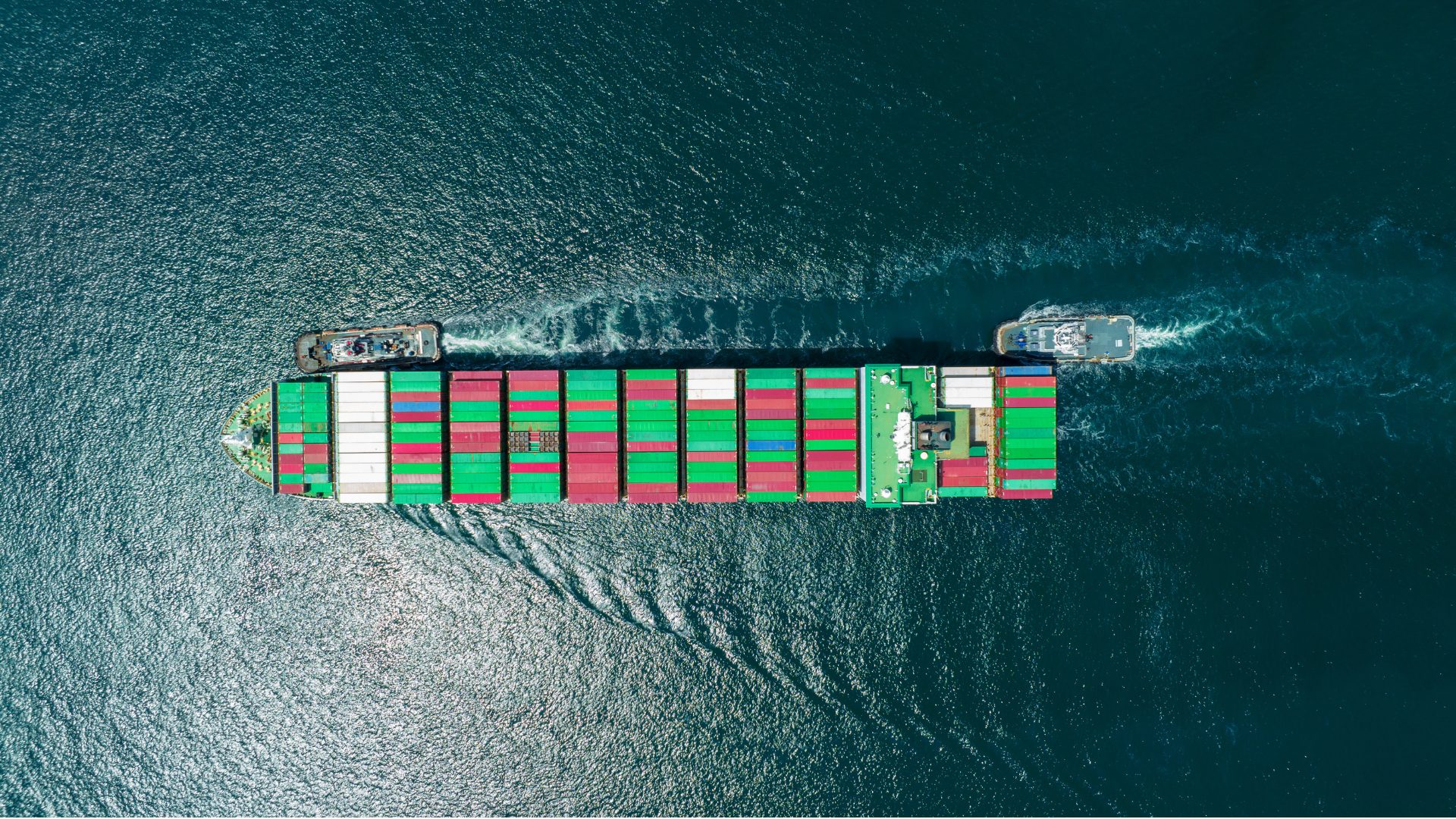
The U.S.-Israeli war on Iran has disrupted shipping through the Strait of Hormuz, strangling not only oil supplies, but also the availability of aluminum and other products traditionally sourced from the Middle East.
It’s estimated packaging accounts for 8% to 15% of food cost, according to 2024 estimates. The current situation promises to push the figure higher.
Aluminum, Plastics, Glass All Get More Expensive
A paper released by Berlin Packaging explains how the war is impacting global supply chains from energy markets to production to shipping.
“For packaging converters and CPG companies, the implications are immediate and far-reaching: packaging costs are rising rapidly across nearly every material category at once,” the paper notes.
Food Processing reported the price of plastic packaging has surged in recent weeks because of the disruption to Middle East exports.
Metal packaging also is affected, with aluminum prices soaring. Glass packaging, too, is seeing increases because of the large amounts of energy needed in the manufacturing process.

Houchins said he expects bottled drinks, frozen foods, canned goods, dairy products and pantry staples to feel the biggest impact.
“Virtually nothing in the supply chain is immune to cost pressures, whether driven by geopolitical tensions, higher transportation expenses, or increased production costs,” Joshua Carden, CEO at Landen Strapping Corp. told FI. “Specifically, within our industry, petroleum related products such as stretch film and strapping have experienced significant price increases as a result of higher raw material costs.”
Carden is hopeful the increases being seen now are short-lived and that prices will come down before they drastically reduce disposable income and place additional strain on businesses.
Quick Packaging Shifts Raise Food Safety Concerns
Los Angeles attorney Parham Nikfarjam noted that food safety is imperative, so CPG manufacturers don’t have a lot of wiggle room.
“Companies are trying to change packaging materials, or their supply chain partners, and make quick decisions,” Nikfarjam said.
Food packaging isn’t just branding though. It impacts shelf life, the contamination risk factor, and chemical exposure, so now you’re talking about a real consumer safety issue.
“When manufacturers change materials too quickly, there’s what the company knows internally, and there’s what consumers have come to expect,” Nikfarjam noted. “The label looks the same, but now maybe the product goes bad faster or the packaging doesn’t protect the food the same way anymore.
“There’s a reason food-safety approvals move slowly.”
Tips for F&B Businesses
So, what can companies do to mitigate the impact?
Houchins said some companies are simplifying package design to cope, switching to black-and-white designs or monochrome and finding backup suppliers.
“Alternatively, some brands are exploring alternative packaging formats such as glass, recycled plastics (PCR resin), or other substrates that are less dependent on gulf petrochemicals,” Houchins explained.
“This indicates that brands are preparing for an extended period of volatility instead of a short-term disruption.”
The Food Institute Podcast
At SIAL Canada 2026 in Montreal, Food Institute VP of Content and Insights Chris Campbell sat down with Mathieu Brisson, Global Sales Lead at Prestige Maple, to discuss how the company is transforming maple products for a rapidly evolving global food and beverage market.