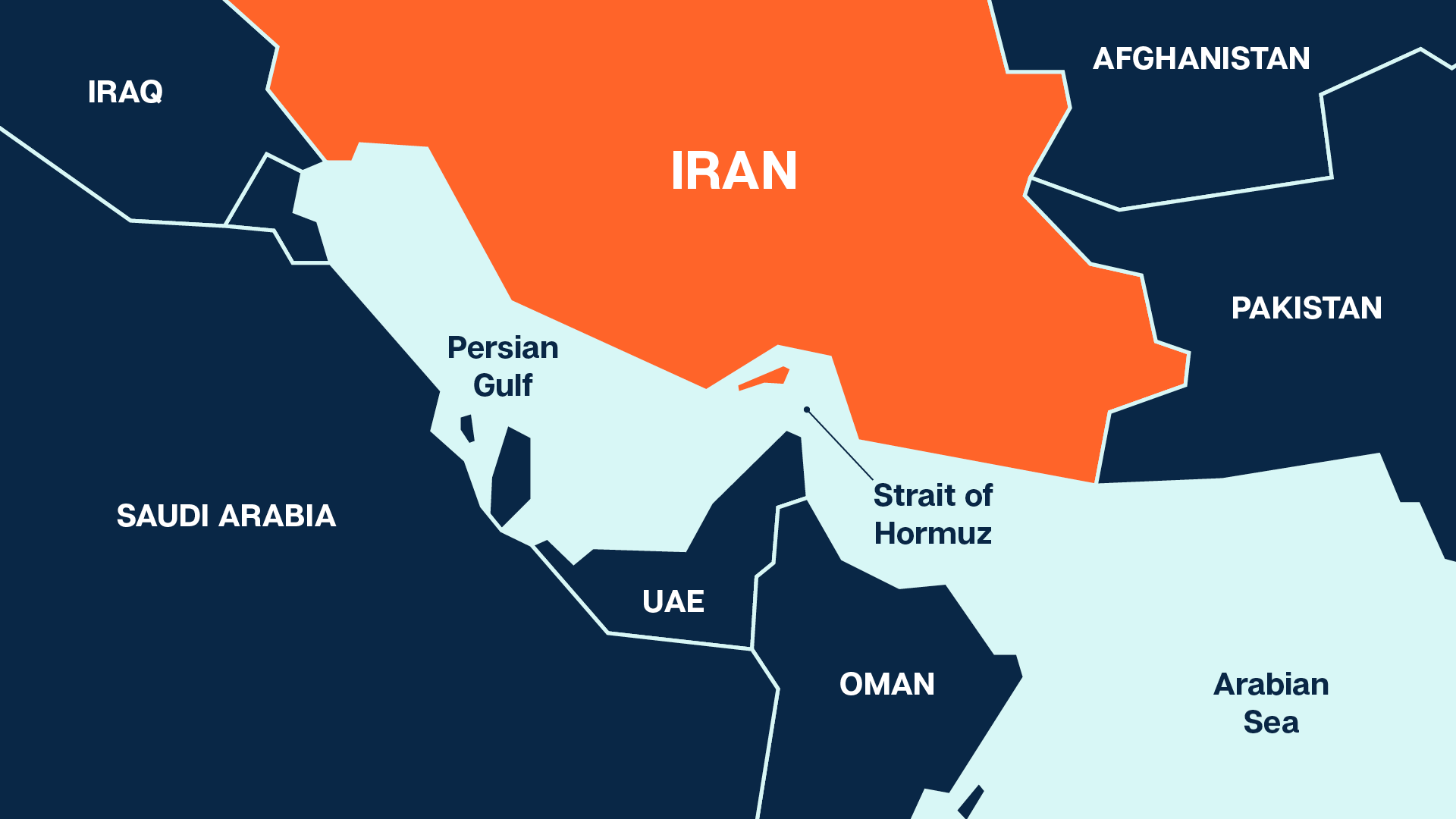
The U.N. Food and Agriculture Organization (FAO) warns of a possible global agrifood catastrophe if the U.S. and Iran’s standoff over the Strait of Hormuz isn’t resolved quickly.
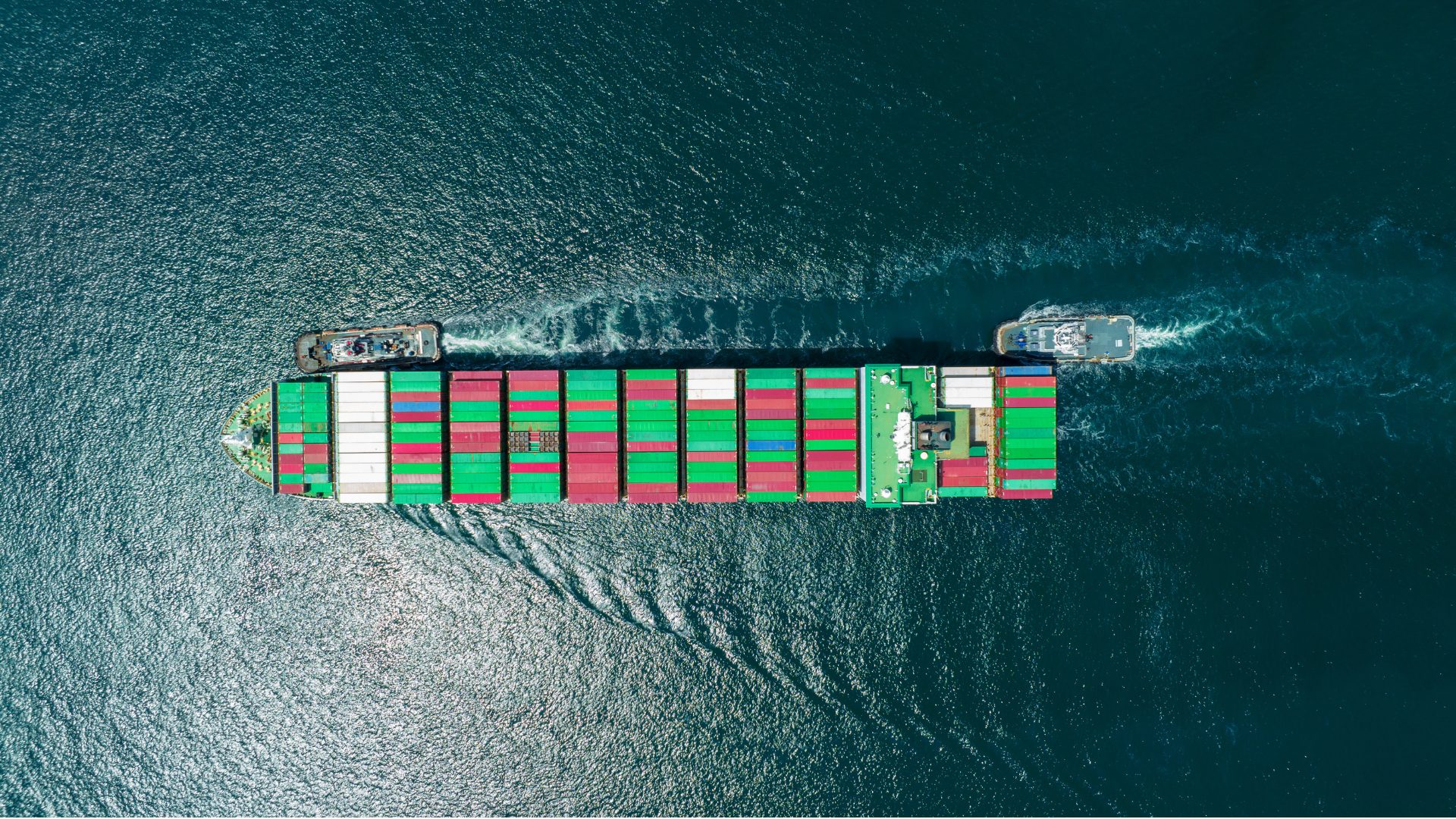
Iran virtually shut the strait in response to U.S. and Israeli bombing, cutting off shipments of oil, fertilizer and other commodities. As much as 25% of the world’s oil, a third of global fertilizer shipments and 2.4% of seaborne dry bulk commodities like grain and oilseeds pass through the narrow waterway.
“The risk the FAO is flagging is real, and the conditions are already in place for a severe food supply crisis,” said Hunter Swisher, the CEO at Phospholutions.
“Fertilizer sits upstream of global food production, and we’re seeing a fundamental imbalance take hold – input costs, particularly fertilizer, have risen sharply while grain prices have not kept pace,” Swisher told The Food Institute.
“That dynamic is already forcing farmers to make decisions that will reduce yields, whether that’s planting less acreage, cutting application rates, or both.”
The World Food Program estimates acute food insecurity could affect an additional 45 million people if the conflict doesn’t end by June.

FAO Sounds Alarm on Rising Food Inflation Ahead
FAO Chief Economist Maximo Torero said on a podcast there’s a real danger that lower crop yields will trigger higher prices and lead to domestic price controls that raise interest rates and slow growth.
Torero said the risks are very clear and the agency needs to take swift action. David Laborde, director of FAO’s Agrifood Economics Division, on the same podcast said the actions taken now will determine whether or not there is a catastrophe.
Stanford University energy Professor Maksim Sonin told FI the production process for the nitrogen fertilizers needs large amounts of gas, shipments of which also are being stymied.
“The food markets in the U.S. and in other countries relying mainly on domestic pipeline gas feel more secure compared to LNG-importing nations.” Sonin said.
Fertilizer typically increases crop yields by about half.
“A highly unlikely worst-case scenario would predict a 50% reduction in foodstuff and very high food inflation in 2026,” said DePaul University professor Tim Smith.
A more realistic prediction implies a modest reduction in foodstuff (likely less than 15%) and modest food inflation, but still elevated over the 2% benchmark rate, Smith said.
Fertilizer Panic Spreads Around the World
The Guardian reported farmers in India already are panicking.
“Because of the panic, farmers around me have started hoarding fertilizers, despite their limited shelf life,” Tejveer Singh, a farmer in Ambala in Punjab, told the Guardian. “Any shortage will affect our productivity. Farmers are already under stress due to rising costs. This will be a big blow.”
In Sri Lanka, farmer P Amila said the situation is the most volatile he’s seen in 30 years.
“I worry, what will people do when they don’t have rice to buy?” he said.
But Jim Yarbrough, global director of supply chain solutions at the British Standards Institution, told FI if the worst happens, the impact likely will not be felt until next year, and he advised agribusinesses to secure fertilizer supplies before the planting season, and if that’s not possible, switch to less “input-intensive crops.”
Additionally, he recommended using alternate trade corridors to bypass the Strait and increasing regional sourcing and processing to shorten supply chains and lower dependence on global fertilizer and fuel availability.
The Food Institute Podcast
In this episode of Food for Thought Leadership, Food Institute Chief Content Officer Kelly Beaton steps in as guest host to interview Fransmart CEO Dan Rowe on the evolving restaurant labor market. Rowe challenges operators to view labor not as a cost to minimize but as a strategic investment, noting that the most successful brands are those that “staff for the sales they want” and prioritize retention, engagement, and culture amid ongoing workforce constraints.