Editor’s note: This analysis piece was authored by Saee Pansare, who currently works as a lead product manager at DoorDash and has extensive experience in the food industry at companies like Amazon Grocery, Kraft Heinz, Blue Apron, and General Mills.
As of early 2026, 61% of U.S. companies now have a formal return-to-office policy requiring employees to work from the office a minimum number of days each week. The RTO mandate has been growing year-over-year, with companies requiring their employees in the office on average 3.2 days a week.
Approximately 69% of employers polled in the aforementioned survey even admitted to monitoring employee attendance closely. This return-to-office movement has had a secondary impact – it has revived the lunch economy.
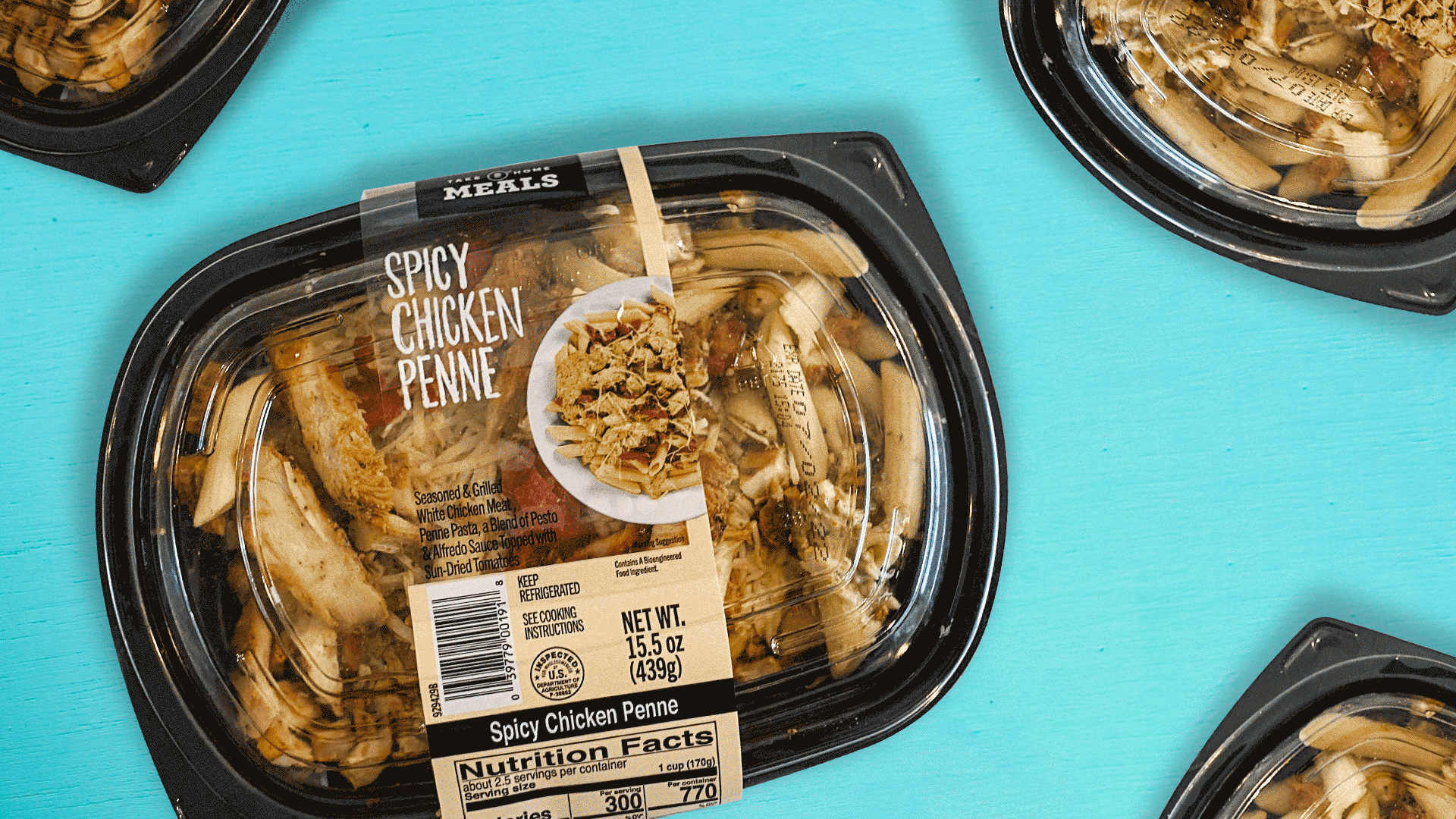
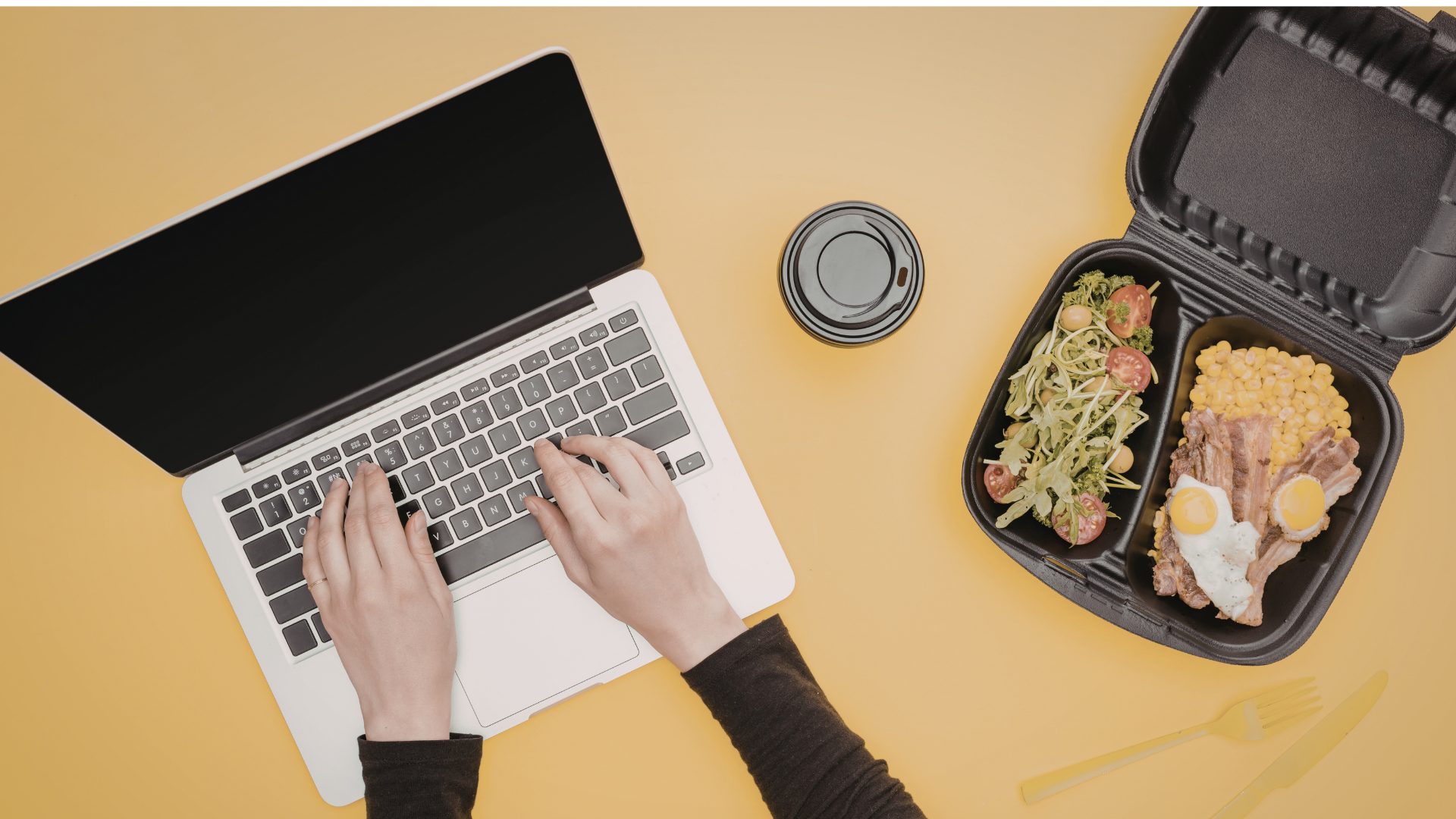
In 2025, analysts saw a connection between office attendance and lunch purchases: two-thirds of workers back in the office choose quick-service restaurants for lunch, compared with 56% of those remote working. Meanwhile, meal programs for office workers were up roughly 40% year-over-year, as employers used meals as incentive or reward to get more people into the office.
This indicates that the lunch economy is growing. But here’s the issue: what workers are actually finding for lunch doesn’t align with what they truly need.

Why Are Workers Eating Out More?
Return-to-office mandates have reshaped employees’ schedules. Commute times for work have risen back to pre-pandemic levels, adding travel hours back into the workweek and reducing discretionary time once reclaimed during remote work periods. This regained commute time ends up eating household time, including time available for chores like meal prep.
Concurrently, we see that workplace intensity remains high, as companies push for AI adoption. Research from the University of California (and its Haas School of Business) noted that employees using AI tools experienced expanded job scope and longer working hours. This is because instead of reducing workload, AI increased their efficiency and accelerated work deadlines on other projects.
This dynamic is further validated by the broader workplace findings that show persistent stress levels and productivity pressure among employees navigating major tech and economic changes. The result is faster work and possibly faster burnout.
When commuting time increases and work intensity accelerates, non-essential household tasks, such as meal prep, become the first candidates for outsourcing.
Why Are Workers Dissatisfied?
Millennials now make up the largest share of the U.S. workforce and Gen Z is the fastest-growing cohort entering full-time employment – meaning their food preferences are continuously changing weekday lunch demand.
Over multiple surveys, we found that the four priorities noted below consistently shape these workers’ lunch choices.
Protein: Protein has emerged as the dominant nutrition priority: in the 2025 IFIC Food & Health Survey, roughly seven in ten Americans reported trying to consume more protein, and “good source of protein” ranks at the top of what consumers use to define a healthy food. Workers want meals that are filling and sustaining – a weekday lunch needs to carry someone through back-to-back meetings and long afternoons. Protein-forward meals help accomplish that.
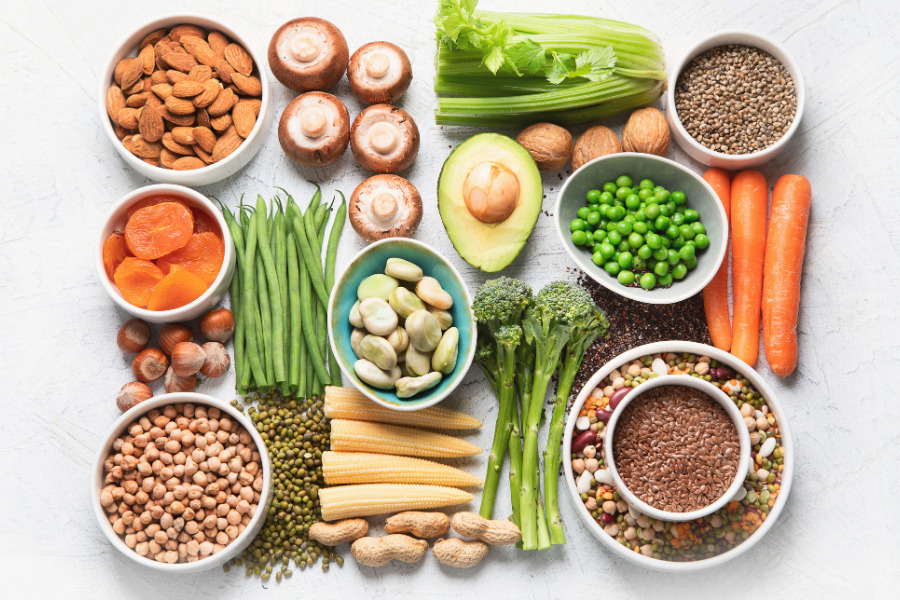
Fiber: Interest in fiber and gut-health- focused foods has risen alongside the protein trend. Industry coverage shows fiber moving into the mainstream nutrition conversation. In social media, “fibermaxxing” – a focus on increasing fiber intake through whole foods like legumes – has become especially popular among Gen Z, driven by gut-health awareness.
Price sensitivity: Inflation has permanently changed value perception. A $20 lunch may work occasionally, but it’s difficult to sustain three to five days a week. For many office workers, the repeatable sweet spot remains closer to $15.
Variety: Gen Z exhibits a strong appetite for new cuisines and flavor exploration; nearly three-quarters of the young cohort say they like to try new cuisines, which makes repetitive “salad and bowl” rotations less defensible for frequent weekday ordering.
Several restaurants individually address one or two of these attributes. But menu items that reliably deliver meaningful protein, substantial fiber, an affordable weekday price point, and genuine flavor rotation remain the exception rather than the rule.
There’s Room Beyond Salads
When it comes to healthy eating, most of the industry players have defaulted to salads and bowls. Brands like Sweetgreen, Cava and Chipotle have found success through a mix of customization, health and well-loved flavors.
However, the broader market opportunity is larger: healthy lunches delivered in multiple formats – wraps, warm plates, innovative bowls, ethnic recipes, and at the $15 price point – designed specifically for repeat weekday office consumption.
That’s where operators have room to win.
The Opportunity for Restaurants
The opportunity in front of operators during lunch isn’t just incremental traffic, it’s high frequency.
Unlike weekend dining, weekday office lunch is habitual. Restaurants that can win that decision consistently capture not just that sale, but a routine.
That means thinking of office lunch as a separate segment to be captured and designing menus around it. It will need a separate product strategy. A competitive office lunch menu should:
- Have options with 15-25g of protein
- Incorporate whole grains and fiber-rich foods
- Maintain a $12-$15 price point
- Ideally offer options beyond the standard salad or grain bowl
- Lastly, call out these benefits on the menu
Operators who design specifically for repeat weekday consumption, rather than one-off healthy choices, can turn lunch into one of the most predictable dayparts. There’s enough demand and opportunity for the smaller restaurants and chains to grow alongside the big-wigs in this space.
The office lunch opportunity is wide open. The question for operators is whether their menus are built to meet it.
The Food Institute Podcast
his Episode is Sponsored by: CBIZ
While many food industry professionals were hoping that the Supreme Court ruling on tariffs would elucidate the current global trade environment, it appears that it may have added more uncertainty than before. CBIZ’s Lou Biscotti and Mark Baran, and former Customs expert Michael Contino, all join The Food Institute Podcast to provide clarity and actionable insights.