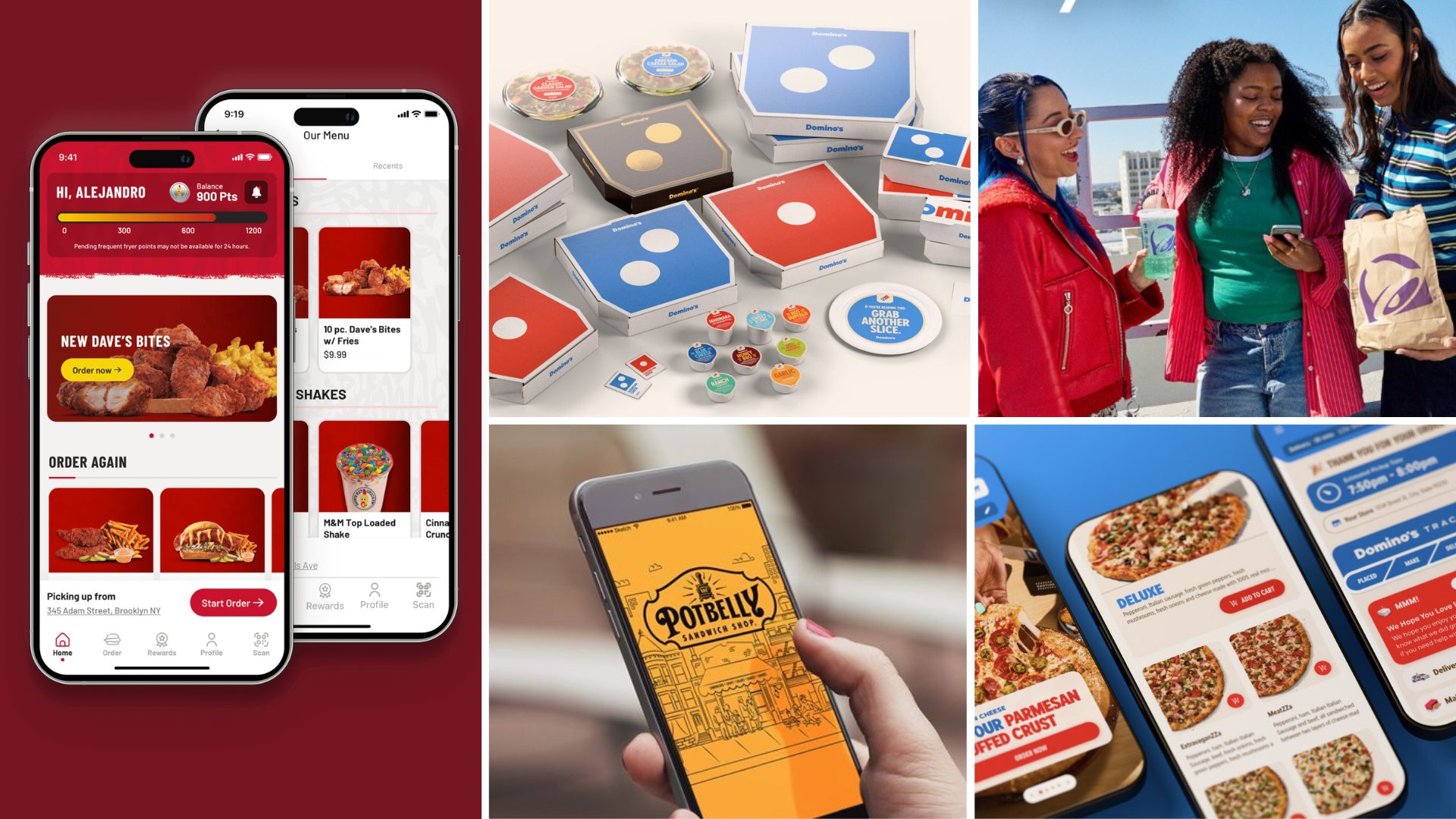
“We’re seeing consumer behavior become much more situational. People are making that decision in the moment based on convenience, price, and what’s nearby,” Swiftly CTO Sean Turner told The Food Institute.
“That puts grocery, convenience, and restaurants in direct competition in ways we didn’t see a few years ago.”
In today’s market, the competition between traditional foodservice and convenient alternatives continues to heat up. This has forced each business category to rethink its value propositions and lean into its differentiation factors.
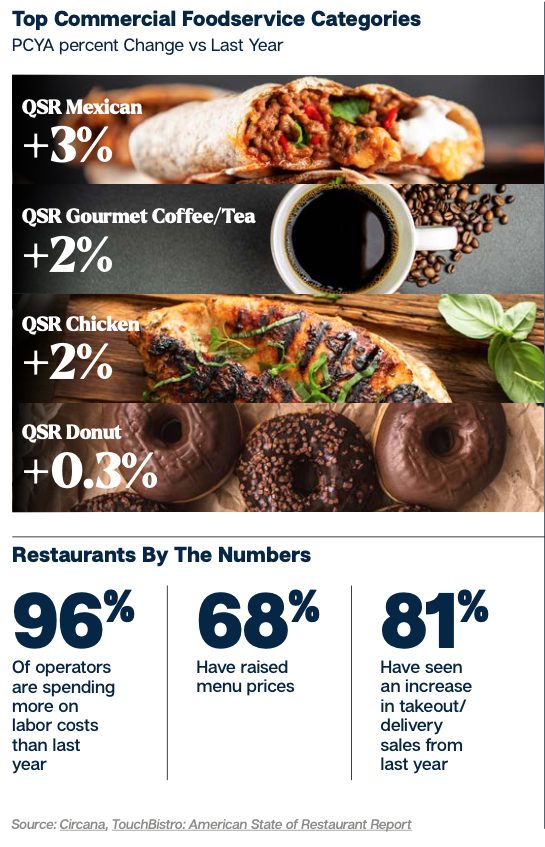
Food inflation continues to outpace general inflation, with food-away-from-home purchases further accelerating faster than food-at-home spending, making eating out a more cost prohibitive for consumers, and more difficult for restaurant owners to work out the unit economics.
“In 2026, consumers are being much more selective about when and where they dine out,” said Mick Carr, CEO of Grub Lab.
He noted that restaurants are facing uneven traffic and softening dining frequency.
“When families in particular do choose to go out, they expect more from the experience. We know they're looking for a blend of convenience, entertainment, and value.”
Full-Service Market
 Restaurants today need to do more to maintain steady foot traffic and stay afloat.
…