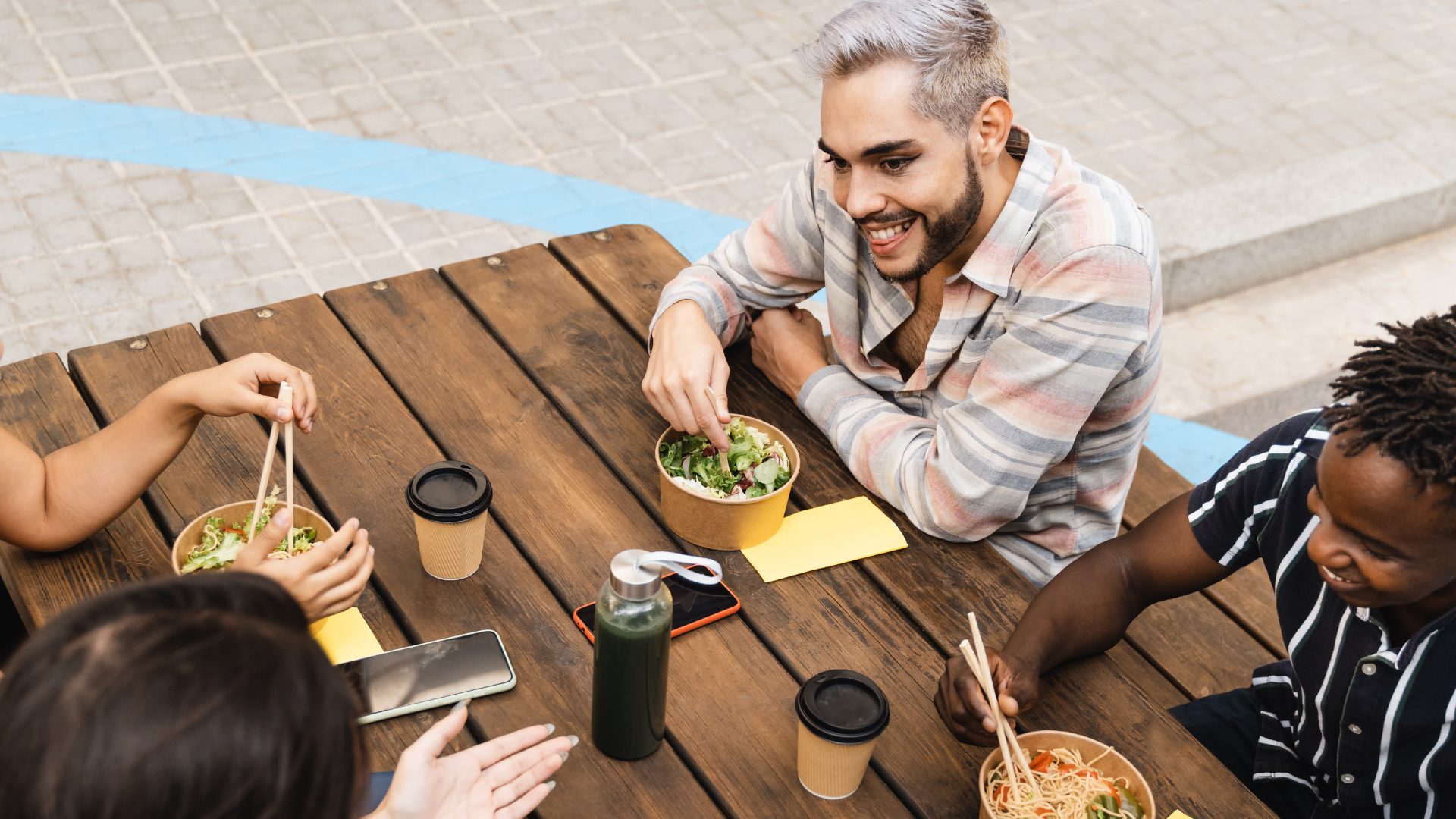
LISBON, Portugal – I’m writing this article with a matcha on my desk and a protein bar beside it. Not because I’m on a diet. Because I’m more aware of what my body needs and what’s good for it than ever before. Living between three European countries, I watch food habits shift in real time – in my own kitchen, at startup events in Lisbon, in supermarket aisles from Warsaw to Milan. European members of Gen Z have a similar mindset.
What I see consistently is an evolving generation that knows more than brands give them credit for. Gen Zers read labels and Google/AI-search ingredients mid-shop.
European Gen Zers have quietly raised the bar. And most brands are still catching up.
Same Goals, Different Rules
The global wellness lifestyle has arrived in Europe. It mirrors a lot of what we see in the U.S. – with protein obsession, supplements, collagen in everything. But there’s one important difference: European consumers are more skeptical. While American Gen Z reaches for protein shakes engineered to taste like dessert, Europeans choose plain yogurt, fermented dairy and simple plant proteins. Same goal, very different philosophy.
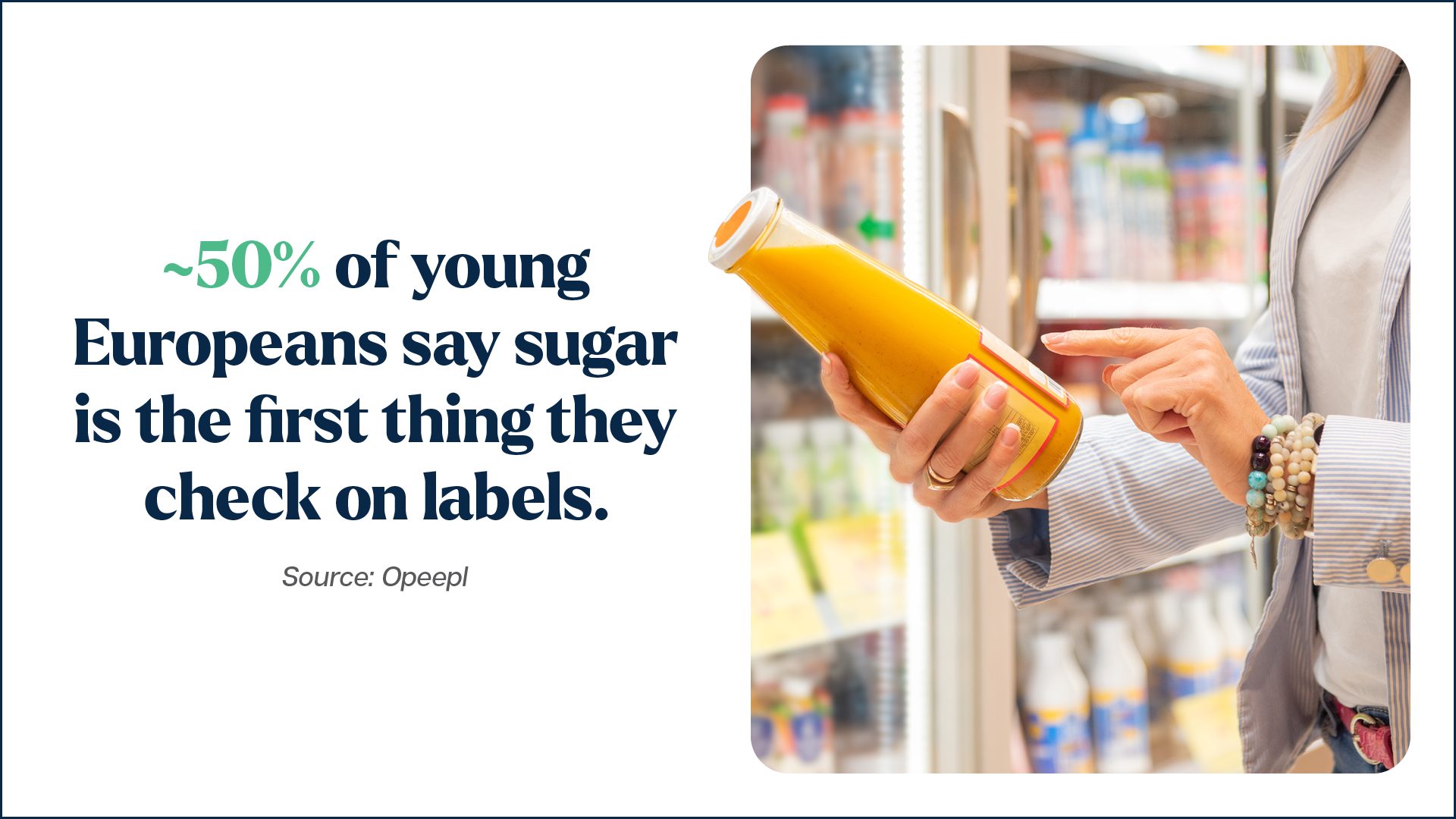
For nearly 50% of young Europeans, sugar content is the first thing they check on a label, while artificial ingredients follow closely behind. Some brands are already responding correctly. Danone’s Activia Triple Zero – no added sugar, no fat, no artificial sweeteners – didn’t come from a trend report. It came from listening to consumers.
Regulation is reinforcing the shift too: the U.K. sugar levy has already forced meaningful reformulation across soft drinks.
In Europe, clean is no longer a differentiator. It’s the entry ticket.
‘I’ve Already Had My Fun with Alcohol’
While mentoring startups in Lisbon, a young founder said something that stayed with me: “I’ve already partied enough. I still want to feel good – just not at the cost of a hangover.”
Approximately 65% of Gen Z drinkers planned to consume less alcohol in 2025, and 39% aimed to stay completely sober for the full year. Alcohol simply doesn’t fit their goals anymore: fitness, sleep, focus, and healthy skin.
What’s filling that space is functional beverages. Adaptogens, L-theanine, and functional mushrooms. Drinks designed to help you focus, decompress, or socialize – without the next-day cost. In Europe, this is quieter than the U.S., and more ingredient-led – and arguably more durable.

Education Is the New Marketing
No conversation about European food culture right now skips Jessie Inchauspé – the French biochemist behind @glucosegoddess. She didn’t launch a product. She explained a mechanism.
As a result, millions of Europeans rethought breakfast, snacking, and the post-lunch slump.
That mindset has moved beyond social media into restaurants, where post-workout menus with creatine and protein options are appearing across European cities. More than 3 in 4 Gen Z consumers believe what they eat directly affects their mental and emotional wellbeing. Gut health sits at the center of this – fermented foods, probiotics, and fiber are strong reasons to try new products.
Innovation Sells in the US. Integrity Sells in Europe.
The U.S. market moves faster in product innovation and branding. Europe moves stronger in ingredient awareness and regulation. In the U.S., bold and engineered wins. In Europe, restraint and transparency win.
Both markets are heading toward the same destination – better health, via more intentional consumption. They’re just taking different roads to get there.
The opportunity is clear, though not necessarily simple. It’s no longer enough to add protein or reduce sugar. Brands need to connect functionality with credibility, and convenience with transparency.
Because the next generation of consumers is not just eating differently.
Gen Zers are thinking differently about food, too.
About the author: Anna Fedele di Catrano is a Lisbon-based writer with 15 years of experience across food-tech, CPG, AI SaaS, and global consumer brands who formerly worked for the likes of Nestlé.