


Former Oatly U.S. President Mike Messersmith explores how Lasso’s SpinTech could transform food processing, creating sustainable, high-protein, clean-label innovations with new textures and ingredient possibilities.
The ByHeart recall is a stark reminder that crisis readiness isn’t optional – it’s a brand imperative. F&B leaders must treat recalls as enterprise-wide events and build muscle memory through proactive, AI-augmented preparedness.


Grubhub and Instacart’s unlikely alliance fills strategic gaps for both, fueling Wonder’s super app ambitions. It’s a calculated surrender on grocery that unlocks possibilities for a full-spectrum mealtime dominance.
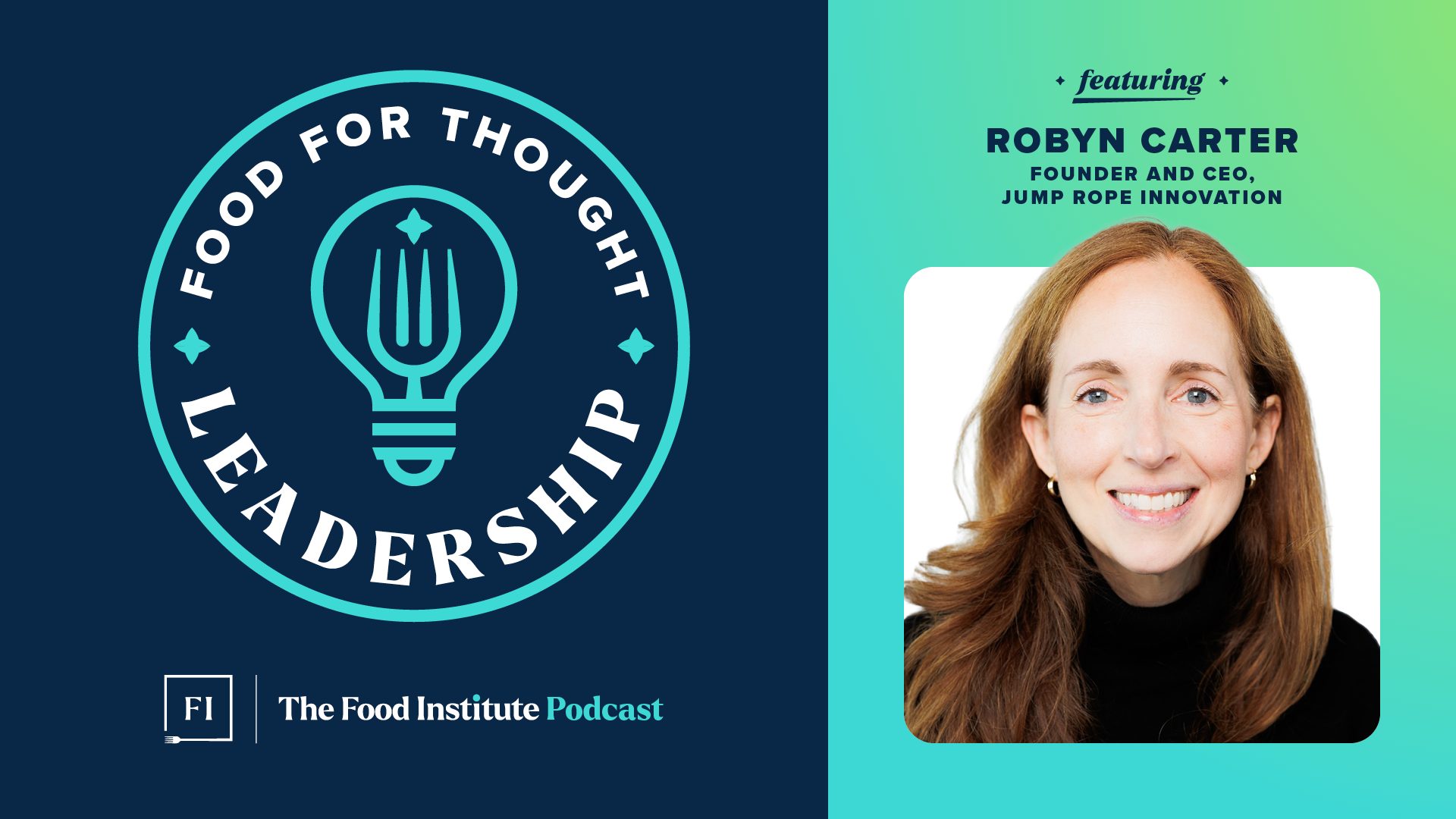
Robyn Carter, founder and CEO of Jump Rope Innovation, explores the concept of the “return to real” in today’s food industry.
The Fast Break news podcast touches on U.S. consumer confidence hitting a six-month low. as worries about job availability weigh on America.

AI is transforming food industry operations, marketing, and media fast and affordably. Brands that reinvest AI-driven savings into quality, transparency, and innovation will lead the next wave of consumer trust and growth.

Green hydrogen, carbon removal, and circular design are reshaping sustainability – but not without hurdles. Experts urge food industry leaders to embrace regenerative models and rethink profitability through the lens of strong sustainability.

A major Amazon Web Services outage on Monday disrupted thousands of sites, including foodservice platforms, underscoring the industry’s digital dependence. Experts warn the cost could reach billions, as DNS errors rippled through operations and productivity worldwide.

At this week’s Transform Food and Agriculture USA event, industry leaders tackled inflation, AI, and the protein boom with cautious optimism. From pineapple byproducts to predictive tech, the future of food appears to be leaner and considerably more sustainable.

In 2025, restaurants are battling inflation and labor woes with smarter tech and sharper marketing. Toast’s latest survey shows operators leaning into AI, efficiency, and guest experience to protect profitability.
The latest FI Fast Break news podcast touches on warnings of a deepening farm financial crisis in the United States.
The latest FI Fast Break news podcast discusses how many businesses are putting the brakes on hiring and firing amid economic uncertainty.
The latest FI Fast Break news podcast examines how brands are increasingly collaborating on snack and beverage mashups in playful crossovers.
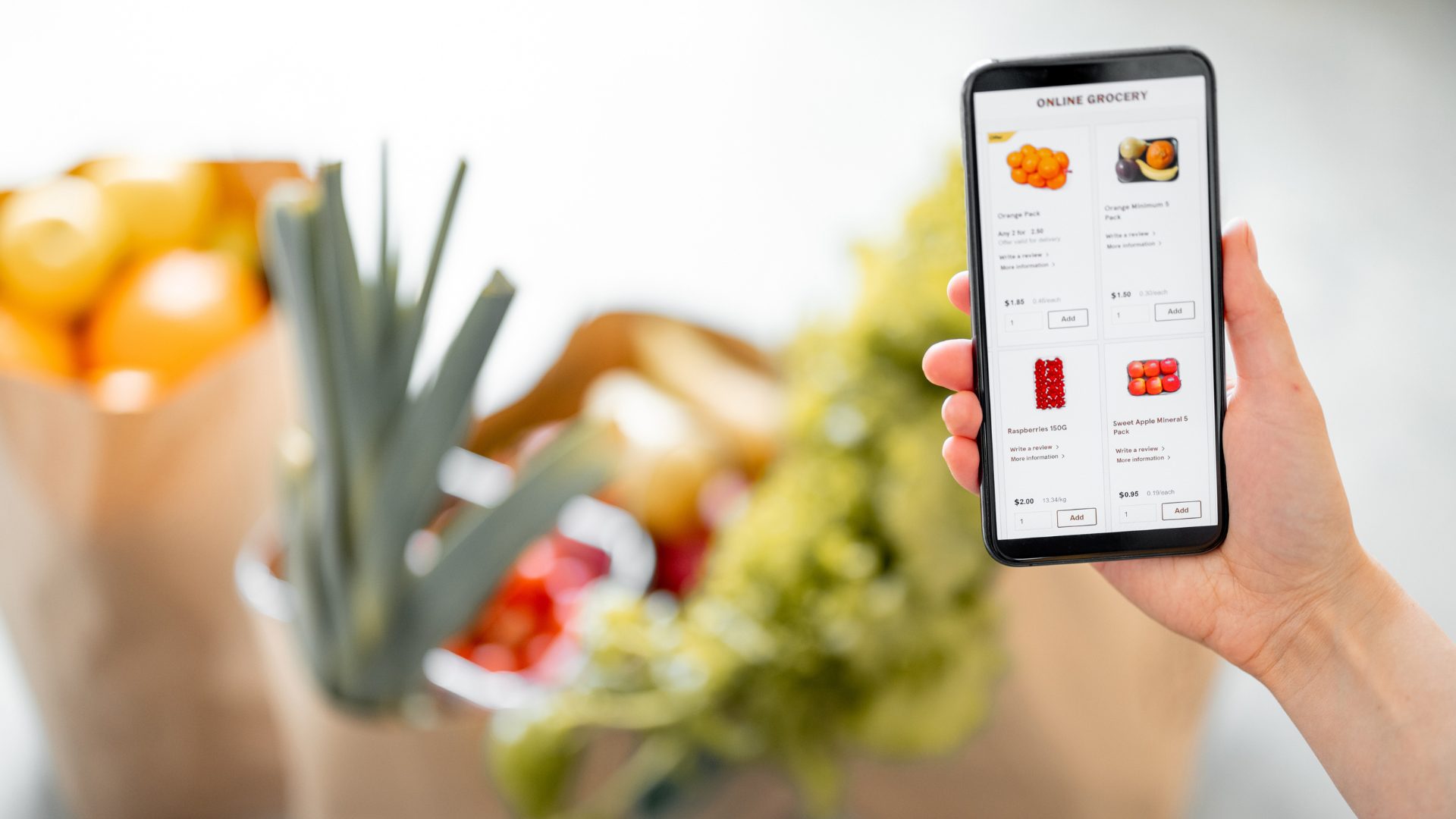
Retail media is booming, with CPGs pouring billions into data-driven platforms like Walmart Connect, Instacart, and DoorDash. The result: high-margin ad revenue is reshaping profit models and investor expectations across grocery and delivery.
The latest FI Fast Break podcast notes how July brings another round of U.S. minimum wage increases in states such as Alaska.
The latest FI Fast Break podcast touches on the latest related to Pres. Trump’s tariff plans, and the outlook for the energy drink market.
The latest FI Fast Break news podcast touches on a recent study that suggests GLP-1 weight-loss drugs alter the “taste perception” of users.

Amazon is reportedly developing humanoid robots to streamline delivery operations, testing them in a “humanoid park” obstacle course. Experts remain skeptical, citing previous automation failures and questioning whether the hype will ever translate into real-world efficiency.
The latest FI Fast Break news podcast touches on how Americans are scaling back on summer travel plans due to economic uncertainty.
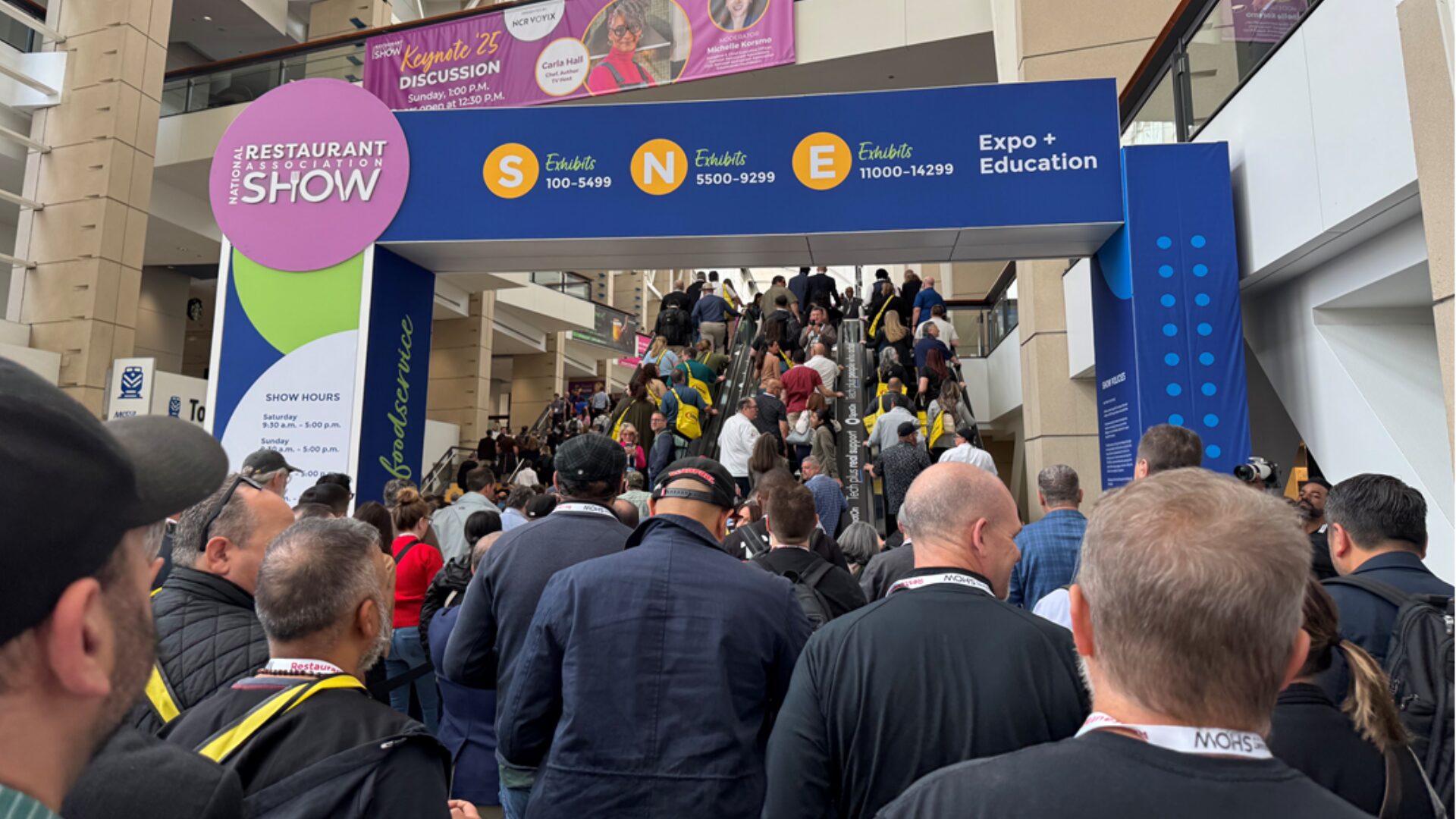
The 2025 National Restaurant Association Show in Chicago showcased groundbreaking foodservice innovations, from globally inspired comfort foods to cutting-edge pizza solutions. Business leaders also displayed the latest AI-driven data analytics, revealing a dynamic future in which tech drives growth in the industry.

With ingredient bans, rising tariffs, and the influence of GLP-1 weight-loss drugs, the CPG industry faces a pivotal moment. Forward-thinking brands that embrace strategic supply chain shifts and data-driven consumer insights are most likely to emerge as winners, experts say.
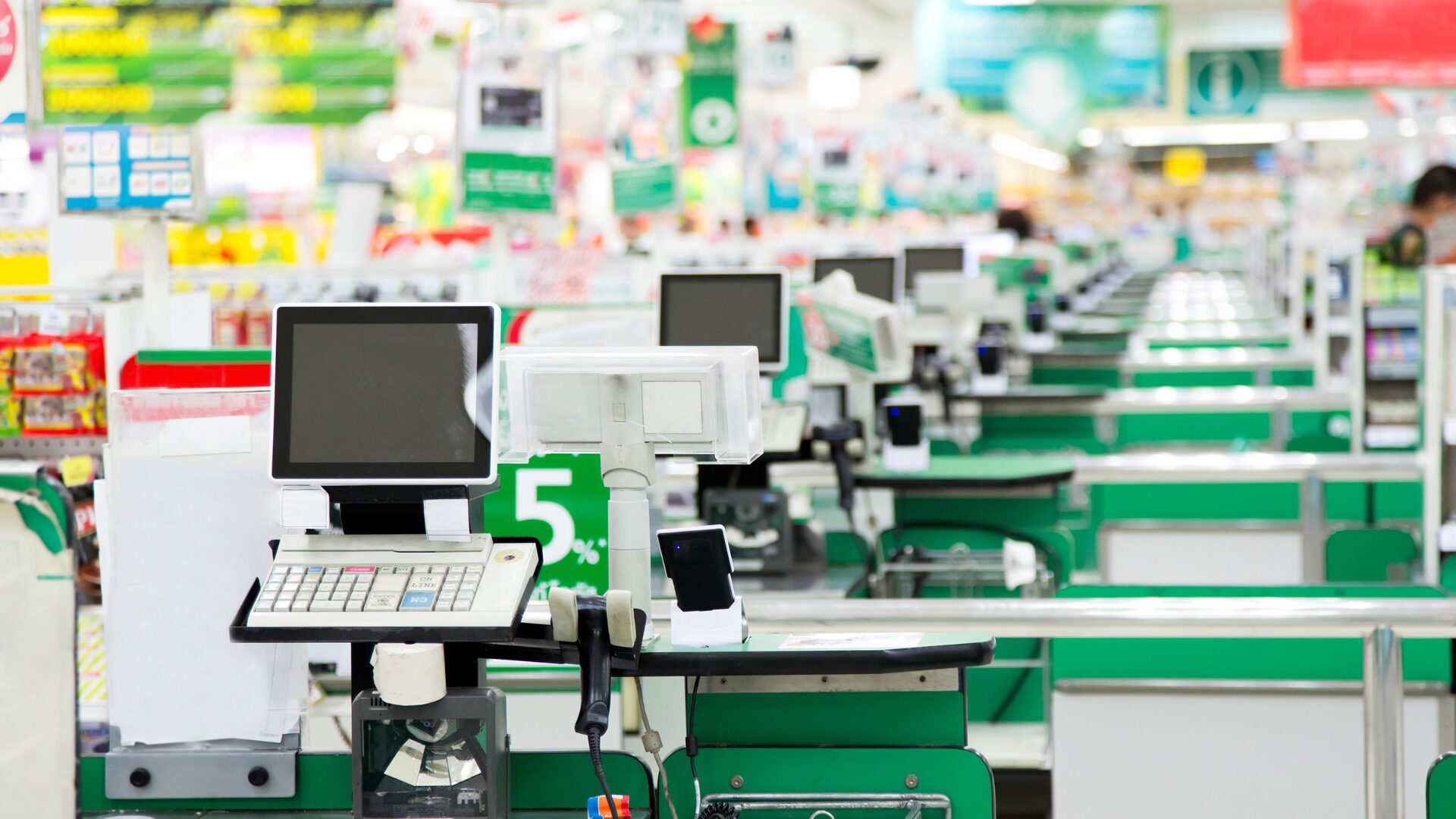
Many F&B companies aren’t getting the results they desired from tech investments due to factors ranging from insufficient data to inadequate planning. Industry experts shared actionable strategies with FI to help companies resolve these issues.


The latest FI Fast Break news podcast touches on an innovative new product that uses pea protein and targets those using weight-loss drugs.
The latest FI Fast Break news podcast notes new research that points to the link between diet and lung cancer.

Hungryroot, a survivor of the DTC meal-kit boom, pivoted from a narrow CPG business model to a distributor model with a limited assortment retail interface, leading to significant success. By focusing on a small list of ingredients, Hungryroot transformed into an online grocer that offers personalized meal planning.
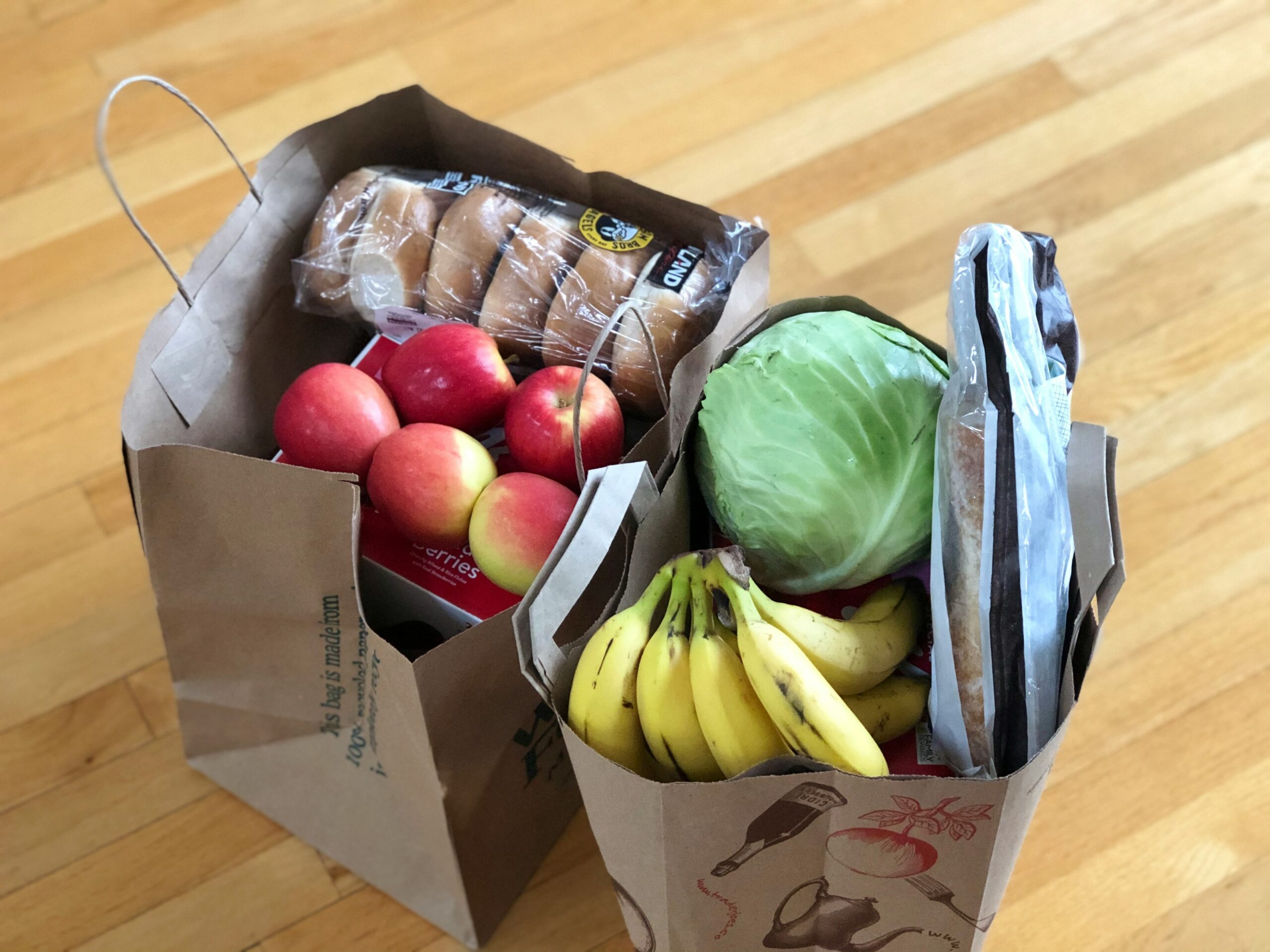
Food delivery shoppers are becoming more price sensitive, indicating that platforms will have to get creative to ensure profits. One key growth lever for companies in 2025 is reinforcing their commitments to grocery, the often-overlooked food delivery service next to restaurants.

The Gulfood 2025 event in Dubai emphasized the urgent need for sustainable global food systems. The event also showcased innovative solutions and products aimed at enhancing food security, such as AI-based order processing.

Yum Brands’ new AI platform, Byte by Yum, illustrates the potential of proprietary tech for QSR giants, but independent restaurants can also leverage similar, customizable platforms. Experts advise starting small with AI for specific tasks and monitoring its outputs closely to ensure that it enhances efficiency.
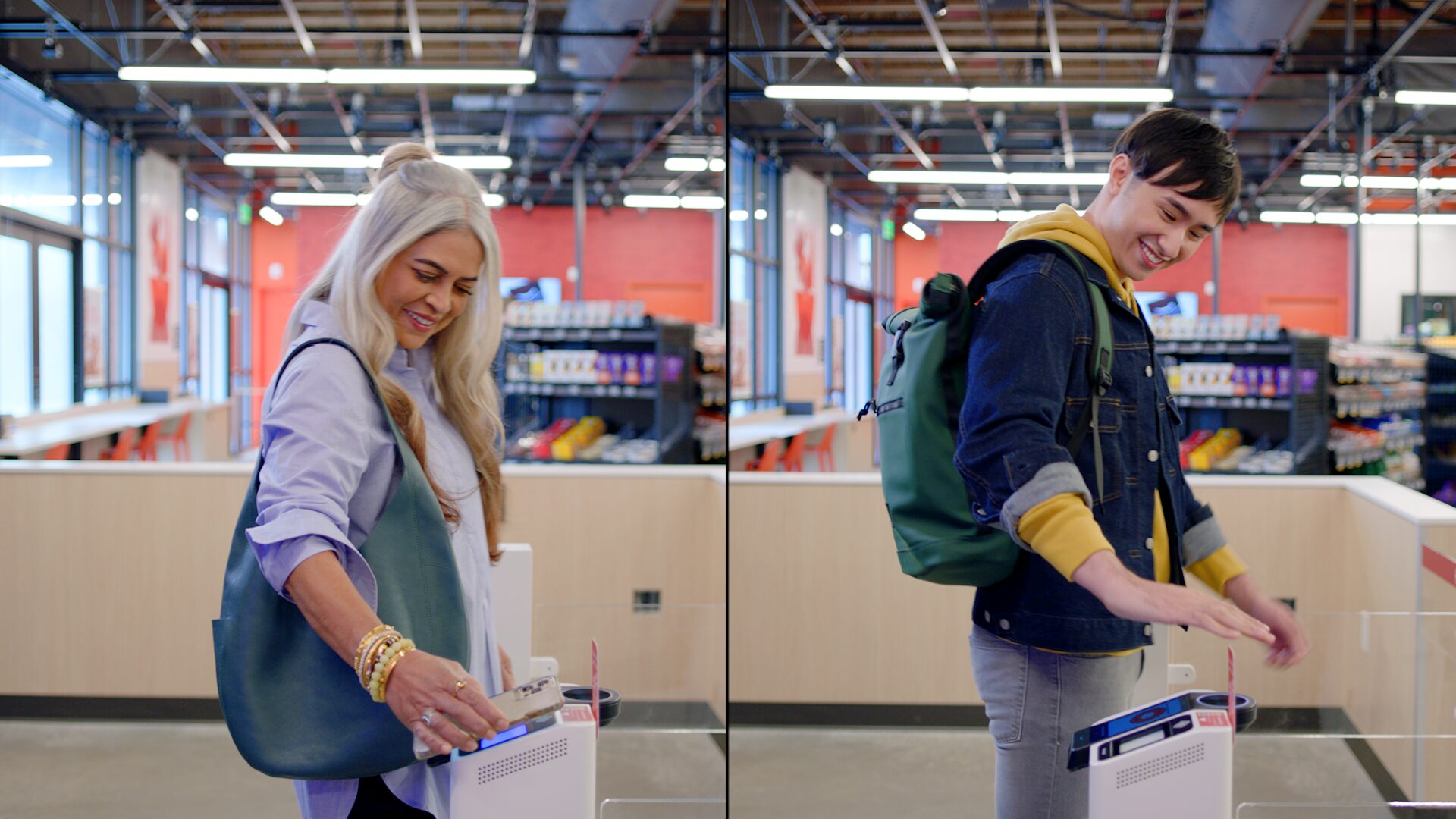
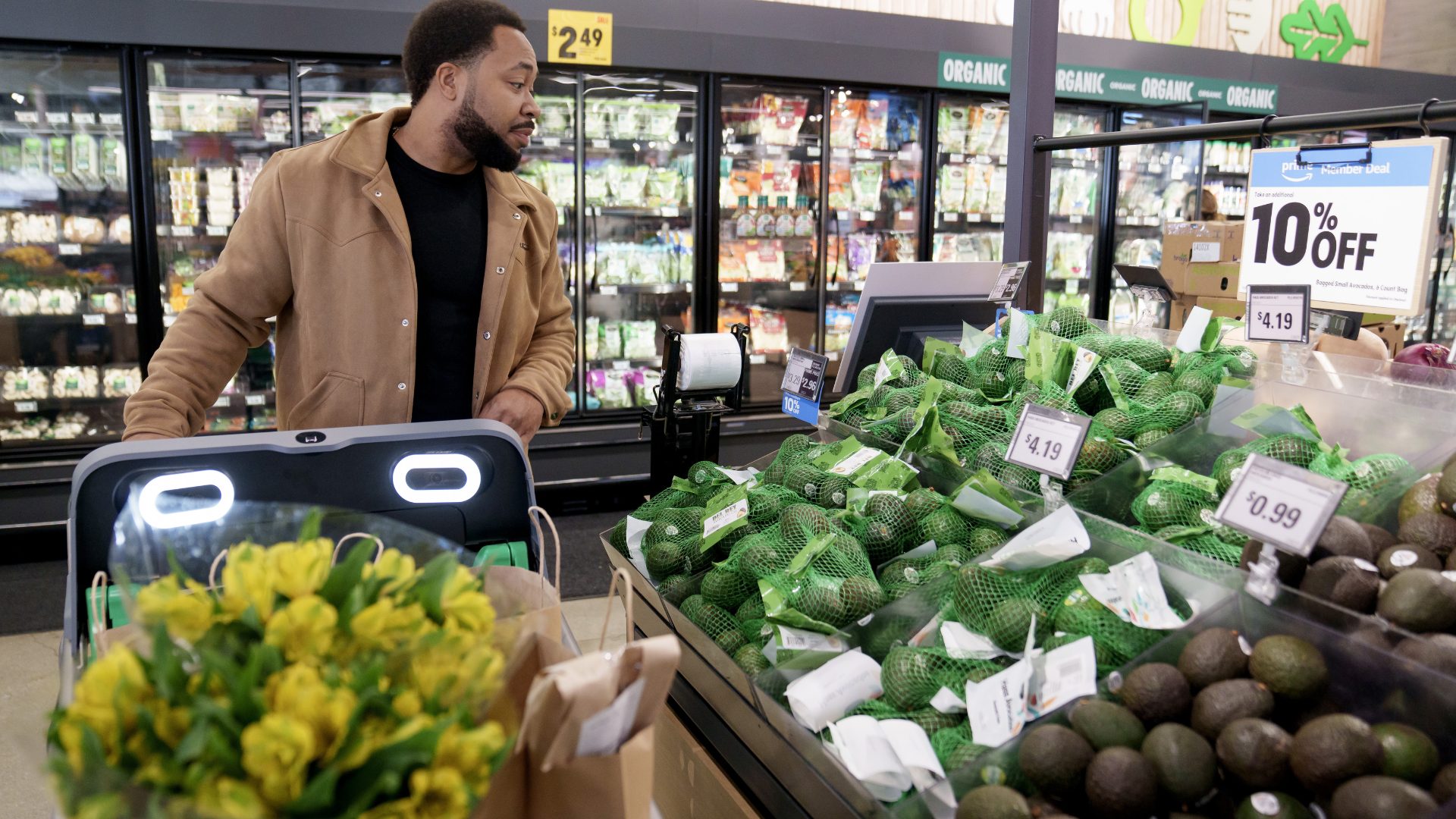
In its quest to revolutionize retail, Amazon Go has faced significant hurdles, from customer confusion to technical difficulties. Amazon’s challenges in brick-and-mortar retail highlight the complexities of adopting cashierless technology.

Recent supply chain disruptions further prove that operators need to consider ways to integrate resilience into their approach. One key method is through integrating flexibility into shipment processes.

At the recent Retail’s Big Show event by the NRF, technology took center stage, showing the need for businesses to transform their operations with a digital future in mind. Here’s a look at three themes slated to take over retail in the new year.

The CPG category is undergoing a significant transformation, blending AI, retail media networks, and social shopping to create deeply personalized experiences. These innovations are reshaping shopping into a seamless experience for consumers.
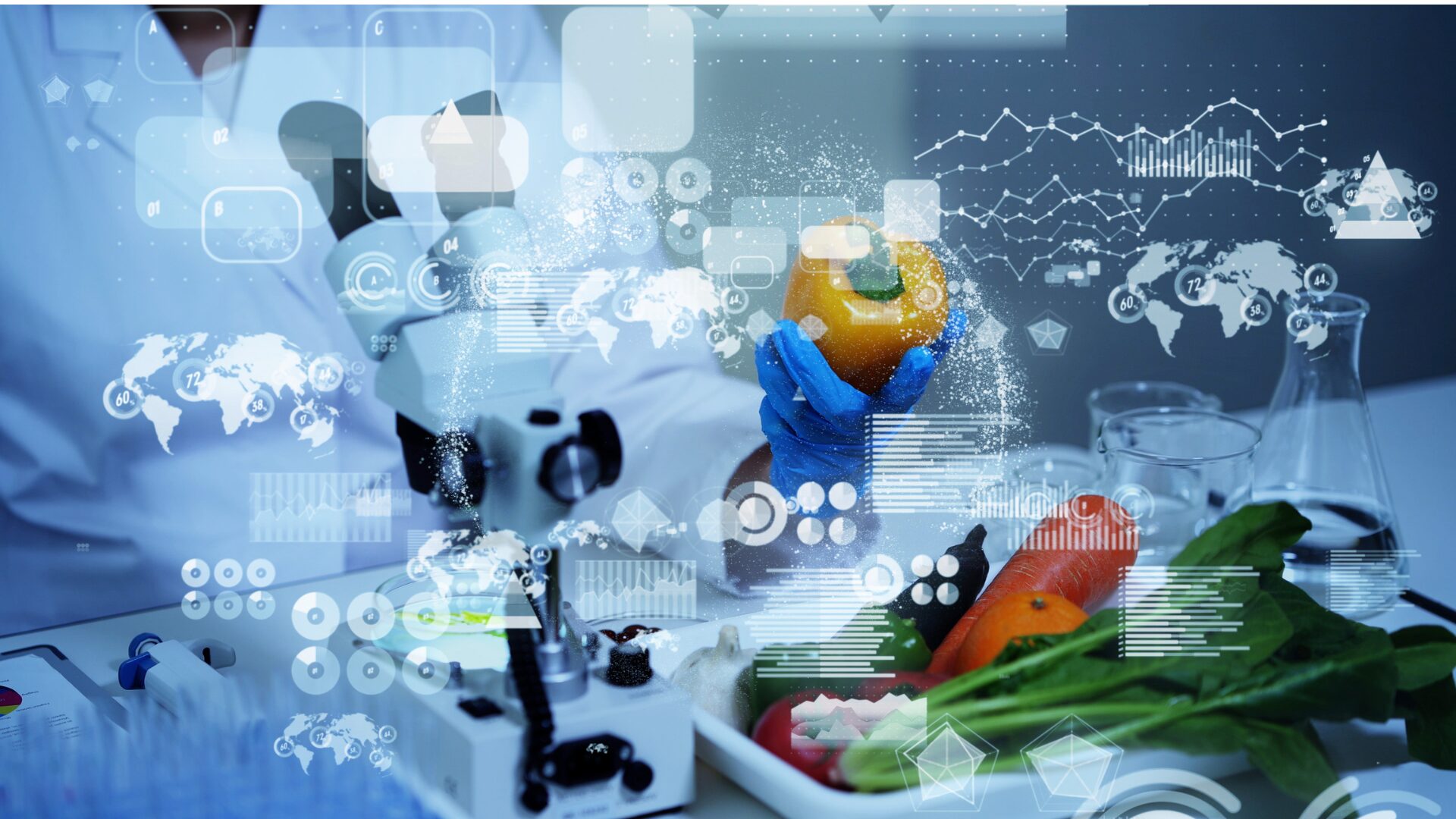
The F&B industry is at a transformative crossroads, where AI-driven advancements, and the rise of functional foods, are reshaping how we think about nutrition. In 2025, the challenge will be balancing innovation with preserving the cultural essence of food.