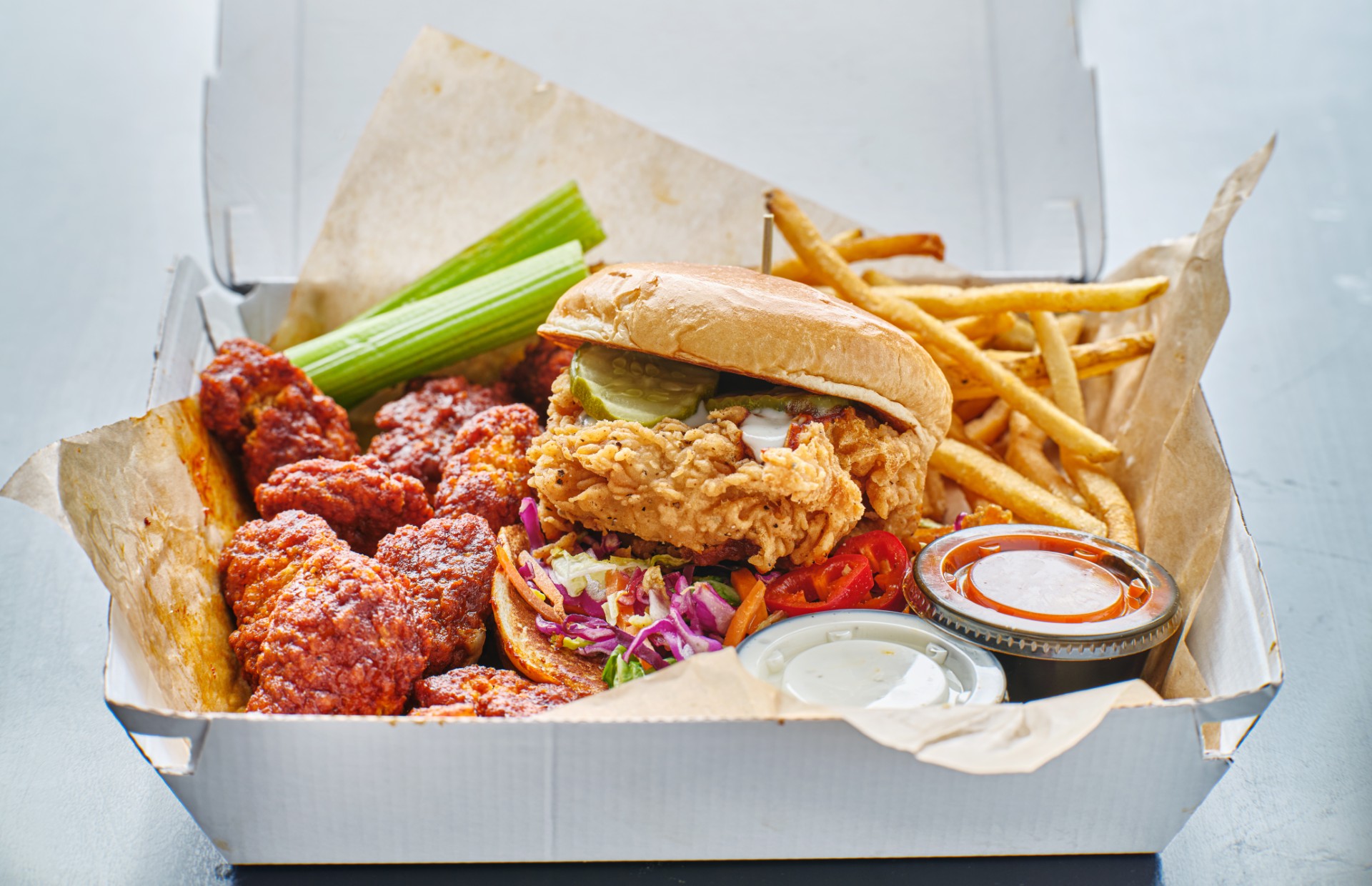
In 2026, convenience store food offerings have evolved light years beyond the uninspired hot-dogs and nachos of the past. In fact, the foodservice items at many C-stores now rival that of restaurant chains.
“Traditionally, we thought of a convenience store having an island that had a microwave, a cheese pump, some chips in a warmer, and a roller grill. But today, it’s very different,” said D.J. White, Senior Vice President – Corporate Distribution at CORE Foodservice, an Acosta Group agency. “Convenience stores are getting into foodservice in a variety of ways, which is driving their in-store traffic and sales.”
CORE Foodservice works with regional C-store chains, ranging in size from 20-100 units, helping these retailers compete head-to-head with national restaurant chains by providing menu items that deliver on value while requiring minimal prep.
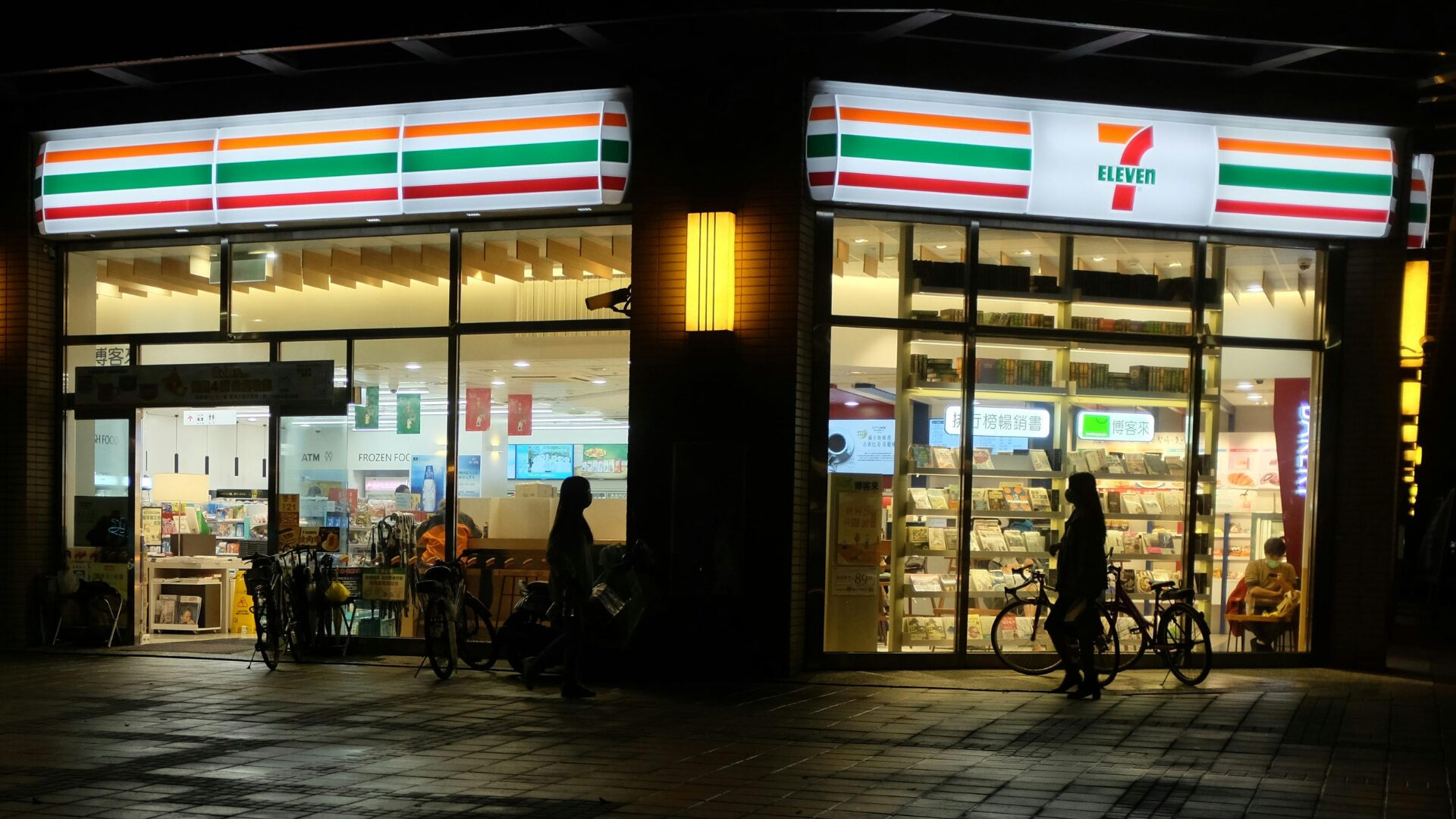
“In the convenience world, if you think about 7-Eleven or Circle K, those are massive national organizations with thousands of locations. So, for them to make a big pivot, it’s difficult,” White noted. “But if you look at regional C-store chains, their ability to pivot is so much easier; for them to be able to get a fresh foodservice offering to their customers, it doesn’t take as much time to navigate that space.”
In 2026, a C-store chain doesn’t need a full kitchen on site to offer fresh sandwiches and salads. Many regional chains utilize a commissary facility that produces menu items off-site before delivering them to C-stores multiple times per day.
At that point, all that stands between customers and fresh, red-hot menu items is the assistance of a C-store’s TurboChef high-speed oven in the back of the house.
“A TurboChef provides a very fresh, crispy, and hot product,” White noted, “that’s a much higher-level product than if I just grabbed a frozen sandwich out of a cooler and put it in a microwave.”
CORE Foodservice provides solutions for the industry’s rapidly evolving operating environment. And, while the agency works with restaurant chains and non-commercial customers across the country every day, convenience stores have become “an immensely important category for us,” White said.
The away-from-home agency, with its in-house culinary team, has partnered with regional C-store chains to create innovative menu items, such as Weigel’s French Toast Sandwich. CORE’s experienced staff focuses on menu innovation that can increase in-store traffic.
“The objective of our team is to help C-store chains source the right ingredients, to make it an easy step-by-step process for their employees,” White explained. “We help them write the SOP for the back of the house that says ‘this is the order in which you build the sandwich.’ We help make it a very simple process to build a very high-quality sandwich.”
“The Sausage Egg & Cheese on French Toast LTO breakfast sandwich has significantly exceeded our expectations,” said Ryan Blevins, Director of Food and Beverage Innovation, Weigel’s. “The item created excitement with customers, increased breakfast traffic, and helped reinforce that Weigel’s is serious about offering high-quality, craveable food items – not just convenience. … Beyond sales, it also helped elevate customer perception of our food program by showcasing a more premium and differentiated breakfast offering that stands out in the convenience retail space.”
The Hottest C-store Food Offerings in 2026
Not unlike restaurant chains, convenience stores are calling upon premium coffee and global flavors to intrigue customers. And as in foodservice across the board, Gen Z is leading the way on expectations and trends.
Some C-store chains are putting drive-thrus to use, as they aim to provide coffee items that compete with successful QSRs like Dutch Bros. Many of these retailers are leaning into the popular dirty soda trend, too.
“The beverage space is starting to blow up in a big way,” White said. “There’s a barista-style service that’s starting to emerge within the convenience segment.”
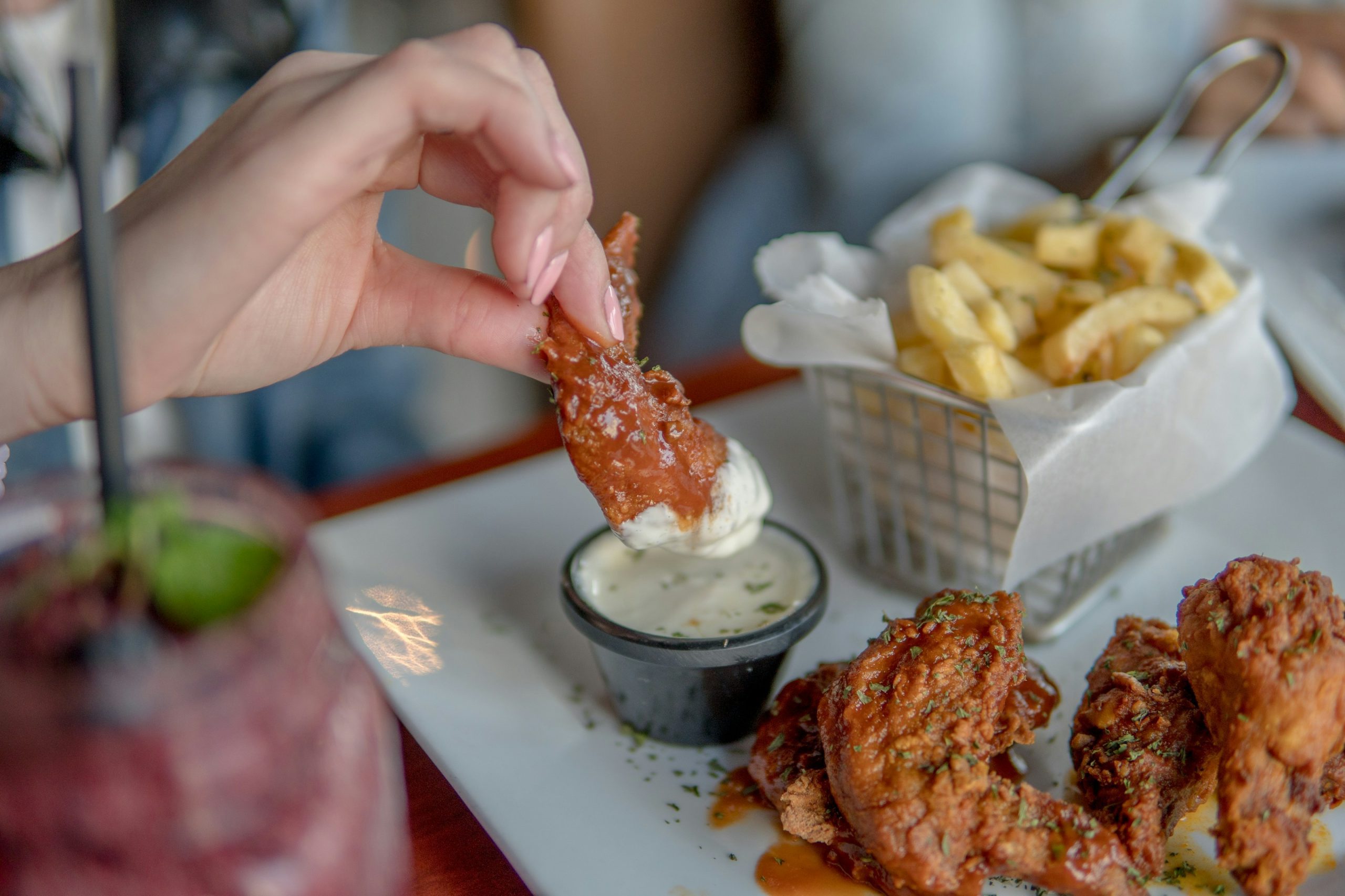
If you walk into most regional C-stores these days, you’ll be greeted with an array of trend- or seasonal-driven LTOs, customizable sodas, tropical smoothies, high-protein egg bites, General Tso’s chicken, indulgent cheesecakes, and much, much more.
“It has definitely become a more sophisticated and competitive offering at C-stores,” White said. “If you look at grab-and-go offerings, and if you look at those open-air coolers and what’s available there, it’s much less processed food. It’s a much higher-end product in terms of its perception.
“You don’t want to ignore the worker that’s on the way to work that wants to just grab a cup of Joe; that’s an important consumer,” White added. “But millennials and Gen Z are top-of-mind for these operators, and this cohort loves to be able to customize the things they buy.”
Opportunity Awaits
In the years ahead, convenience stores have a golden opportunity to be viewed as one-stop shops. For starters, think of all the electric-vehicle owners who become captive consumers as they charge their Tesla for 20-plus minutes.
Then, there’s all those millennial parents and active Gen Zers who are gaining spending power with each passing year.
These busy consumers are demanding fresh, high-quality food. And, more than ever, regional C-stores are equipped to deliver.
“As regional C-stores look to evolve their menus,” White said, “you aren’t necessarily having to come up with something completely original every time. In fact, we’re finding it’s often most strategic to take something that’s already demonstrated itself as successful and build something that’s better, and more cost effective, for the consumer.
“This,” the retail expert added, “is a big opportunity.”