FI Fast Break audio news: Nov. 12, 2025
The latest FI Fast Break news podcast touches on restaurants’ growing popularity with consumers on Thanksgiving day.
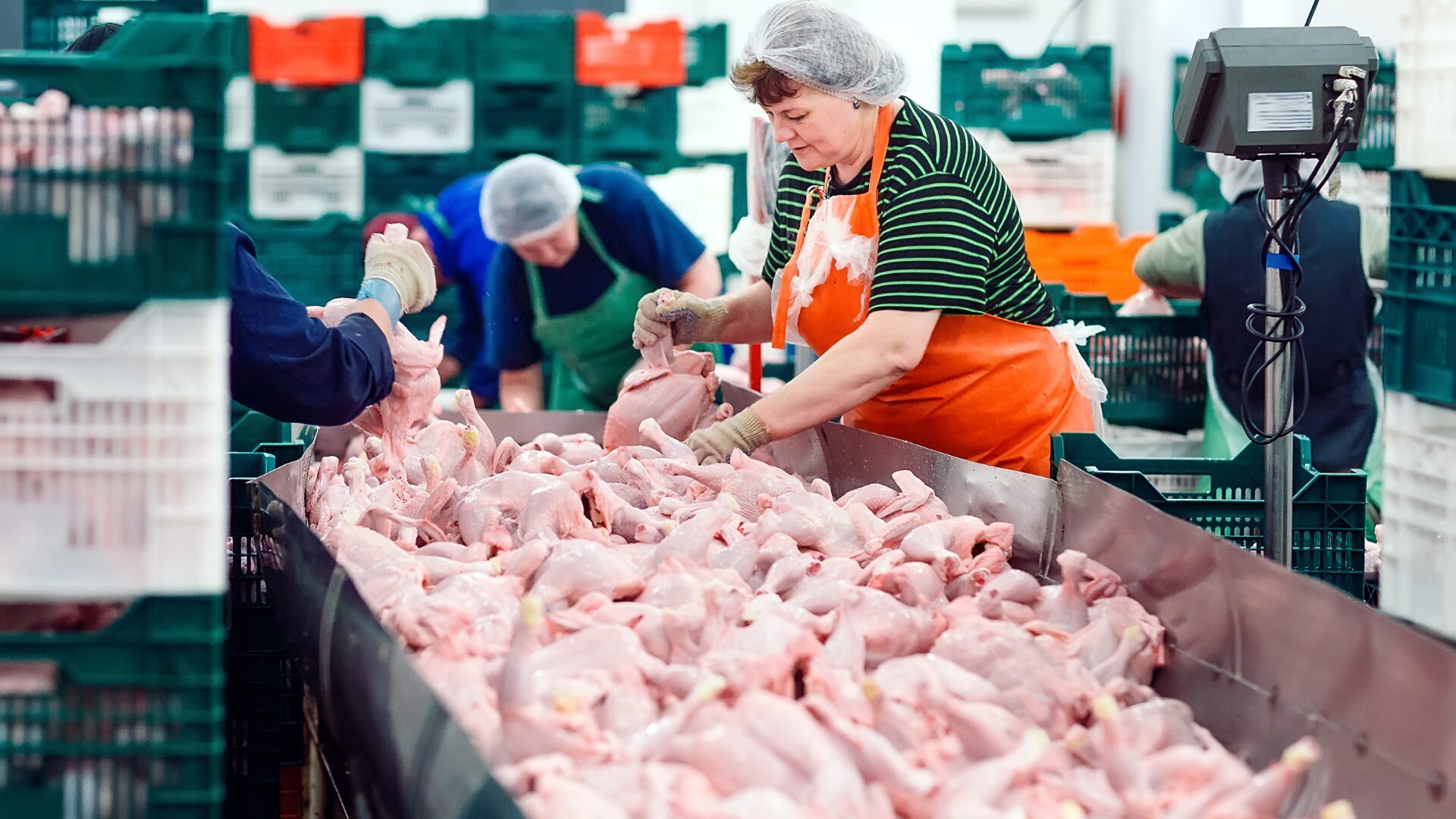
Tyson’s beef woes mask solid gains in chicken and prepared foods, and investors remain skeptical. With leadership shakeups and earnings volatility, the market’s appetite for Tyson stock is far from ravenous.
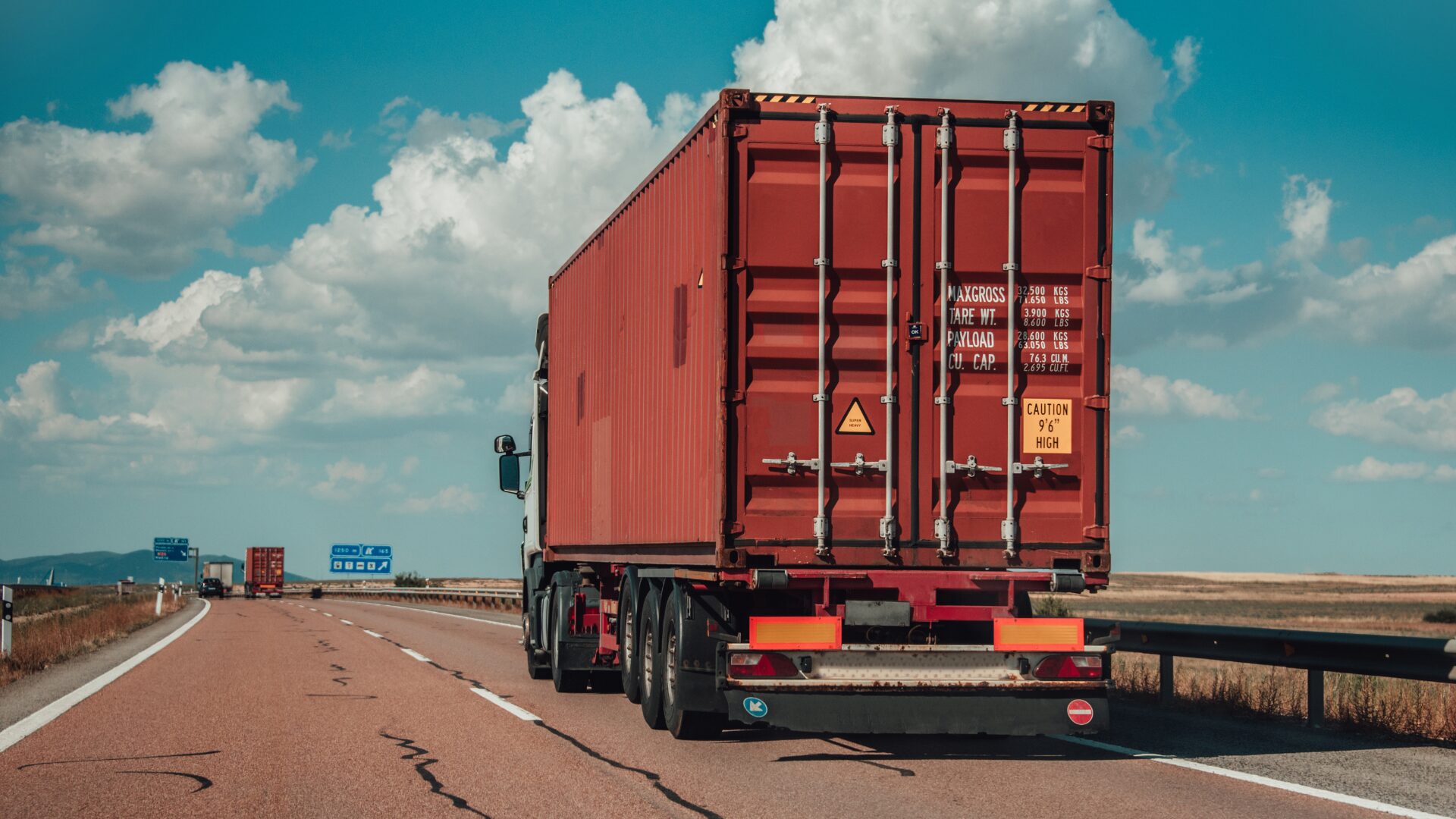
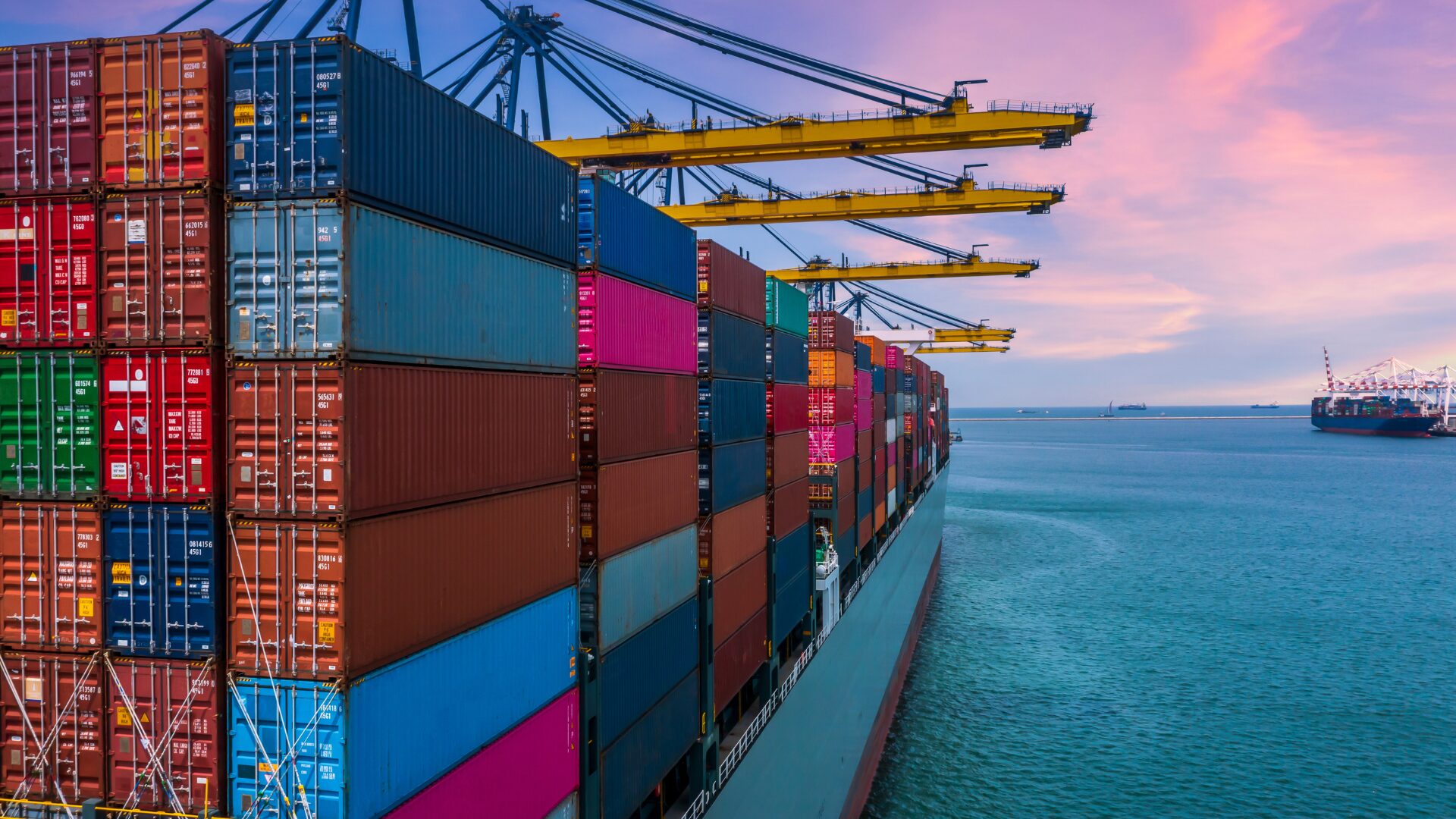
Tariff turmoil and fractured trade flows are changing the rules of supply chains, with inflation poised to spike. Smart food industry leaders aren’t waiting – they’re redesigning for volatility now, experts note.
The latest FI Fast Break news podcast examines how brands are increasingly collaborating on snack and beverage mashups in playful crossovers.
AI is revolutionizing food supply chains—from predictive maintenance to drone-powered inventory—boosting efficiency, quality, and resilience. But for many, the challenge isn’t potential; it’s cutting through the hype to find real ROI.
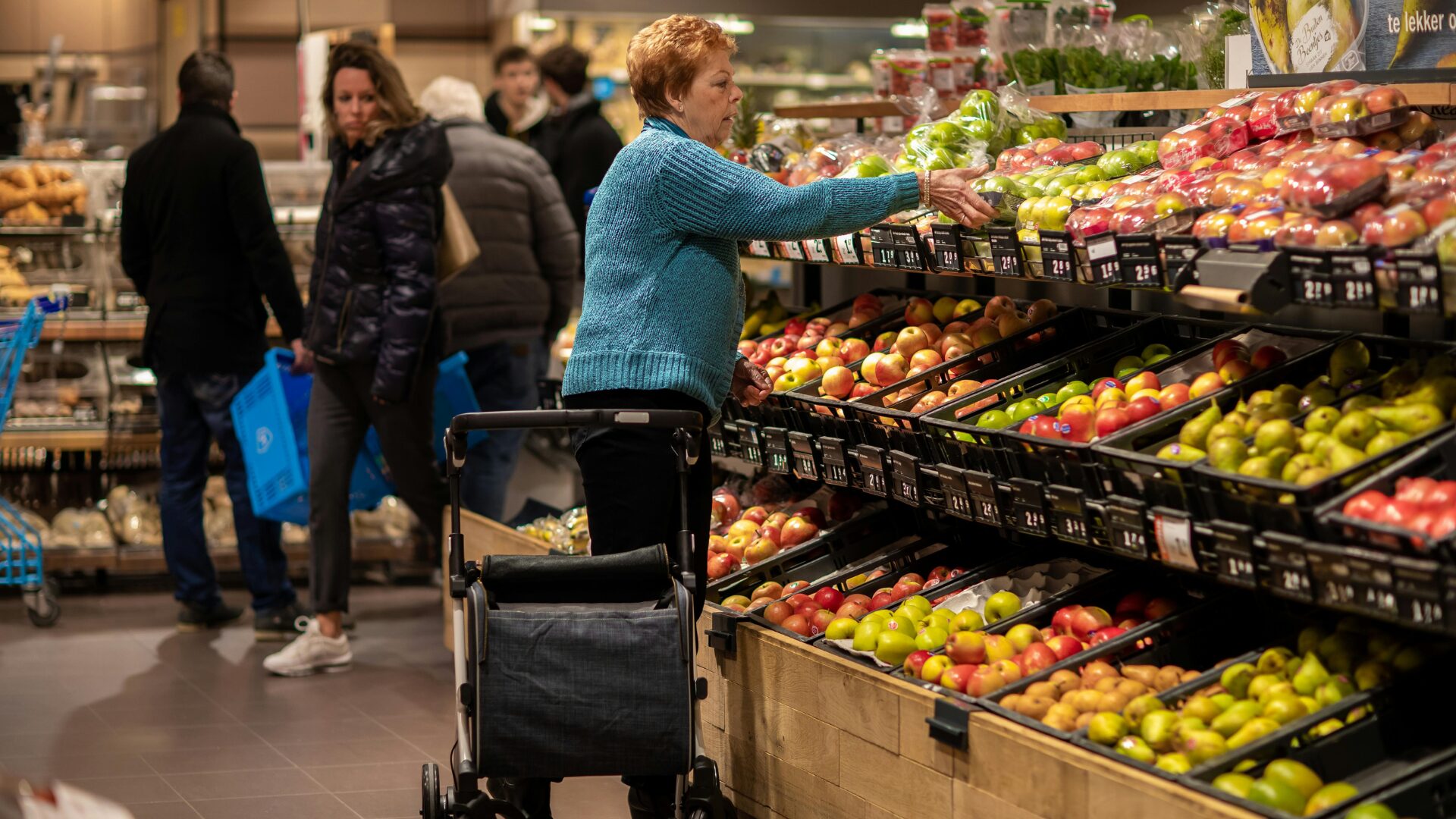
Honeycrisp apple prices have surged 160% amid crop shortages, rising labor costs, and limited imports. Retailers are pivoting to Cosmic Crisp, frozen produce, and private labels as shoppers seek relief from premium fruit sticker shock.
Walmart is dominating the grocery sector with unmatched pricing, delivery speed, and scale – and its lead is widening. As rivals chase value-conscious consumers, Walmart is already monetizing convenience.

At the 2025 Digital Food and Beverage show, industry leaders tackled topics like agility, as well as Gen Z’s love for raw, creator-led content. The takeaway? Adapt fast – or risk becoming a relic in the digital age.
Retailers are bracing for a summer cargo surge, but tariffs and cautious consumer spending may temper volume. With air freight disrupting traditional shipping channels, supply chains are scrambling to adapt before the holiday rush hits full speed.
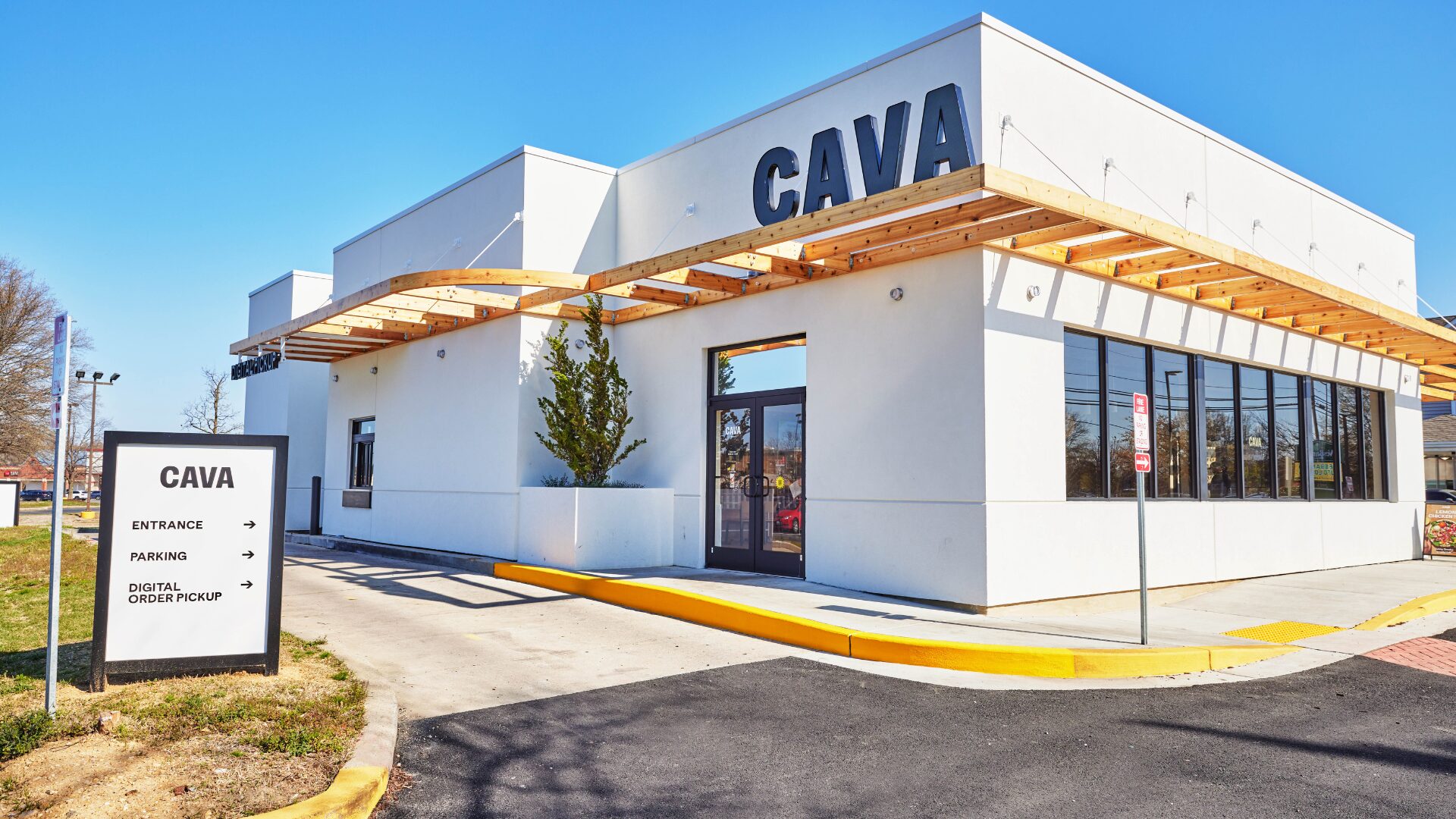
Despite rising costs, 2025 is shaping up to be a fairly strong year for many restaurant chains, with top players like Cava and Chick-fil-A thriving by mastering efficiency, marketing, and customer experience. The smartest brands are pricing strategically and leveraging technology to drive success.
Amazon is reportedly developing humanoid robots to streamline delivery operations, testing them in a “humanoid park” obstacle course. Experts remain skeptical, citing previous automation failures and questioning whether the hype will ever translate into real-world efficiency.
Amid the latest round of tariffs, global retailers like Walmart are weighing controversial price hikes beyond the U.S., a move that could shake consumer trust. Experts warn that spreading costs globally may backfire, leading to unintended economic fallout.
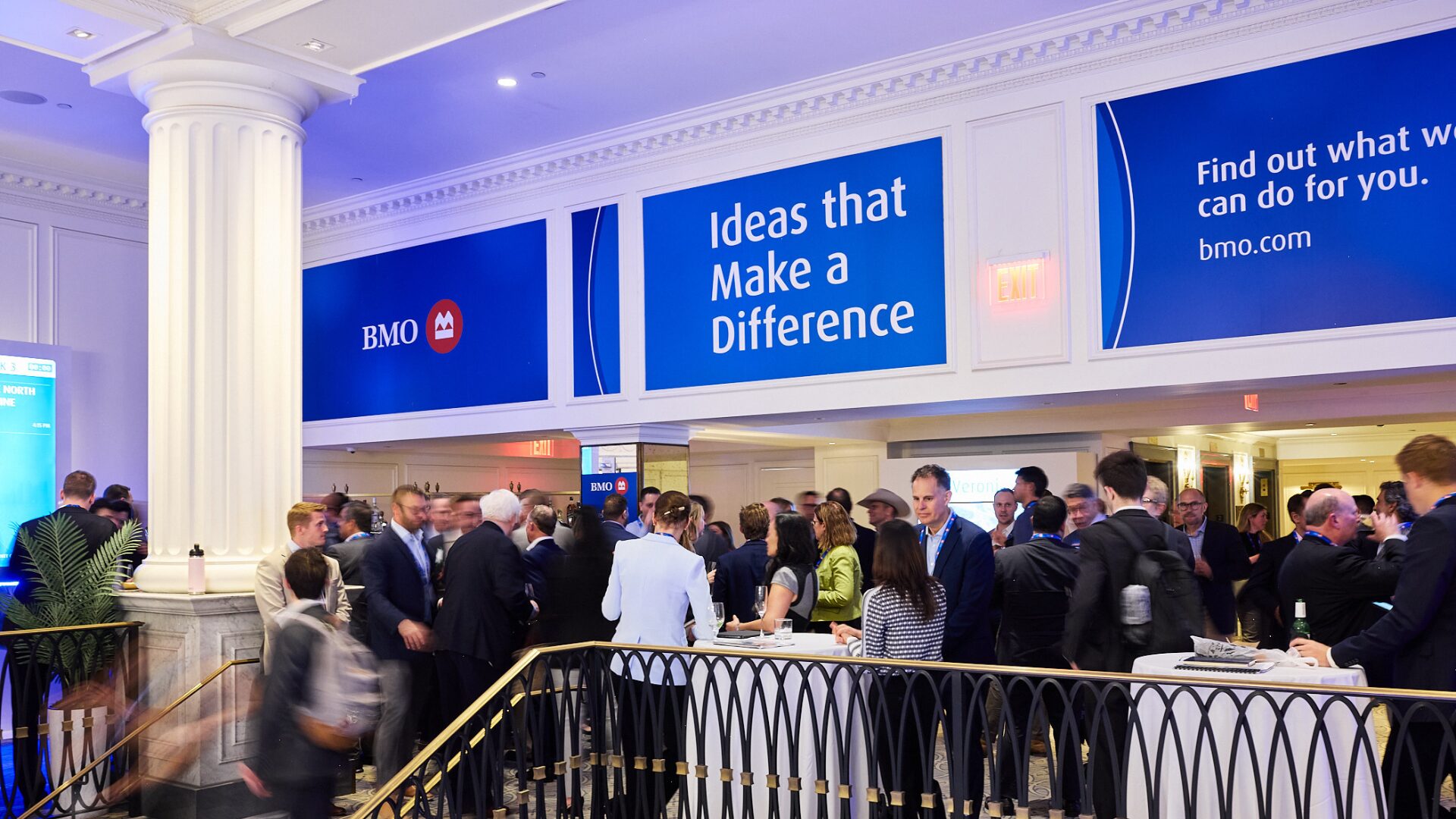
Food industry leaders gathered at the 2025 BMO Farm to Market Conference to dissect key challenges, including tariff pressures. Despite economic uncertainties, brands and retailers are deploying strategic pivots to ensure continued growth.
Target has struggled to define a unique place in its market, watching rivals like Walmart and Costco capitalize on growth opportunities while its own stock and sales falter. Target’s leadership now faces a critical moment to convince investors that it can once again turn challenges into triumphs.
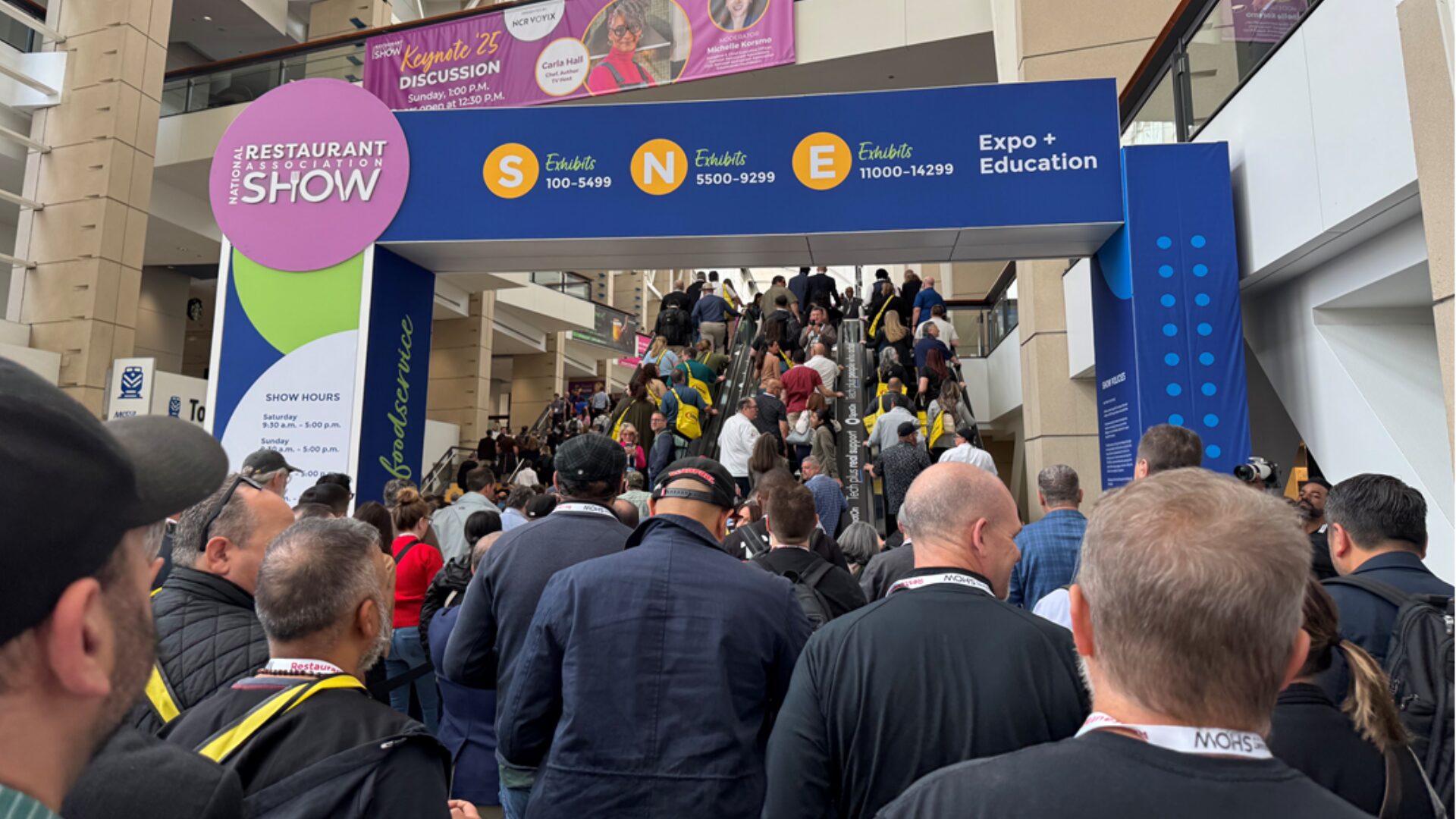
The 2025 National Restaurant Association Show in Chicago showcased groundbreaking foodservice innovations, from globally inspired comfort foods to cutting-edge pizza solutions. Business leaders also displayed the latest AI-driven data analytics, revealing a dynamic future in which tech drives growth in the industry.
Amid an uncertain economic environment instigated by tariffs, C-suite executives across the U.S. are dialing back business expenditures. Meanwhile, President Donald Trump indicated he may alter course on his economic plan.
Many F&B companies aren’t getting the results they desired from tech investments due to factors ranging from insufficient data to inadequate planning. Industry experts shared actionable strategies with FI to help companies resolve these issues.
Despite the 90-day pause on many of the reciprocal tariffs impacting the F&B industry, retailers and manufacturers are feeling anything but calm. National Retail Federation data suggests the sector has adopted a conservative approach to the next quarter, with many retailers relying on built-up inventory.
The FDA recently delayed the compliance date for a fiercely debated section of the Food Safety Modernization Act which requires additional record-keeping requirements for “high-risk” foods. Overall, the industry is pleased with the decision.
Hungryroot, a survivor of the DTC meal-kit boom, pivoted from a narrow CPG business model to a distributor model with a limited assortment retail interface, leading to significant success. By focusing on a small list of ingredients, Hungryroot transformed into an online grocer that offers personalized meal planning.
City National Bank’s Justin D’Affronte steps in as guest host as he speaks with Mother’s Market CEO Dorothy Carlow about inflation, tariffs, consumer preferences, and more.
Trump administration tariffs continue to warn the F&B sector; however, there are options to evade its impacts through careful sourcing strategies. Data and new technologies present opportunities for brands to take control of the situation.
So-called “Galentine’s Day” has evolved into a lucrative dining phenomenon as group reservations surge and Gen Z fuels a rise in double dates – which offers foodservice operators a prime opportunity to capitalize on this nontraditional celebration.
Recent supply chain disruptions further prove that operators need to consider ways to integrate resilience into their approach. One key method is through integrating flexibility into shipment processes.
Manufacturers face a shifting landscape under the Trump administration, with potential deregulation in energy, labeling, and banking offering opportunities to lower costs and enhance access to capital, while also introducing risks like increased scrutiny from consumers and advocacy groups.
At the recent Retail’s Big Show event by the NRF, technology took center stage, showing the need for businesses to transform their operations with a digital future in mind. Here’s a look at three themes slated to take over retail in the new year.
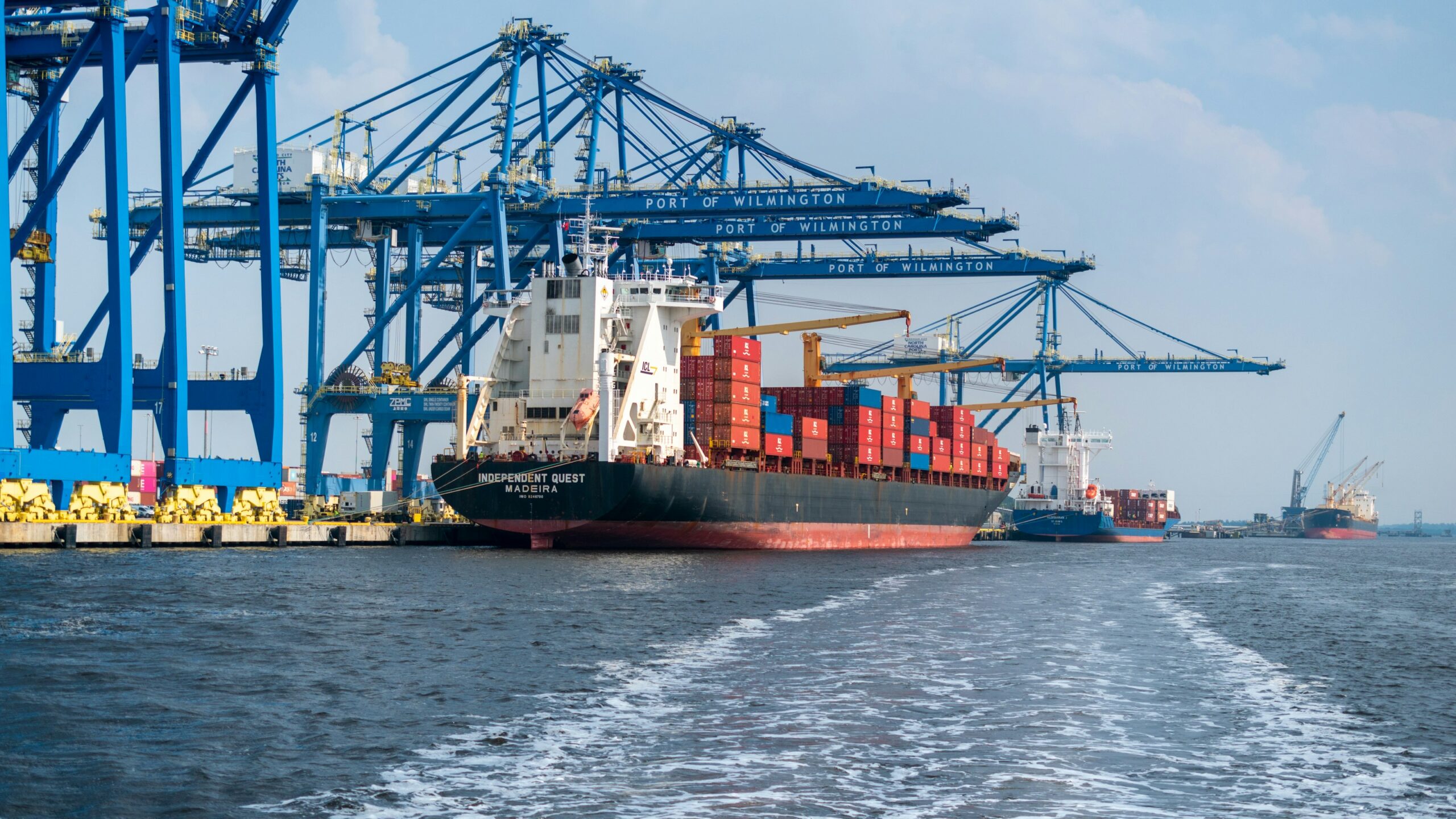
A tentative deal granting U.S. dockworkers a pay hike averted a potential supply chain crisis, while opening the door to modernizing ports.
The CPG category is undergoing a significant transformation, blending AI, retail media networks, and social shopping to create deeply personalized experiences. These innovations are reshaping shopping into a seamless experience for consumers.
A new report urges grocers and manufacturers to adopt proactive strategies to navigate supply chain disruptions using real-time data analysis. Highlighting recent events like the Listeria-tainted meat recalls, the report underscores the importance of adapting swiftly to prevent inventory downturns during crises.
Congress narrowly avoided a government shutdown by passing a stopgap spending measure that prolongs the U.S. farm bill for another year. Experts warn that failing to modernize the farm bill within the next year could exacerbate food price volatility.
The global food supply chain faces mounting challenges, with 30% of food lost or wasted annually. To combat these hurdles, industry leaders are leveraging real-time tracking, sustainable logistics, and AI-driven automation.
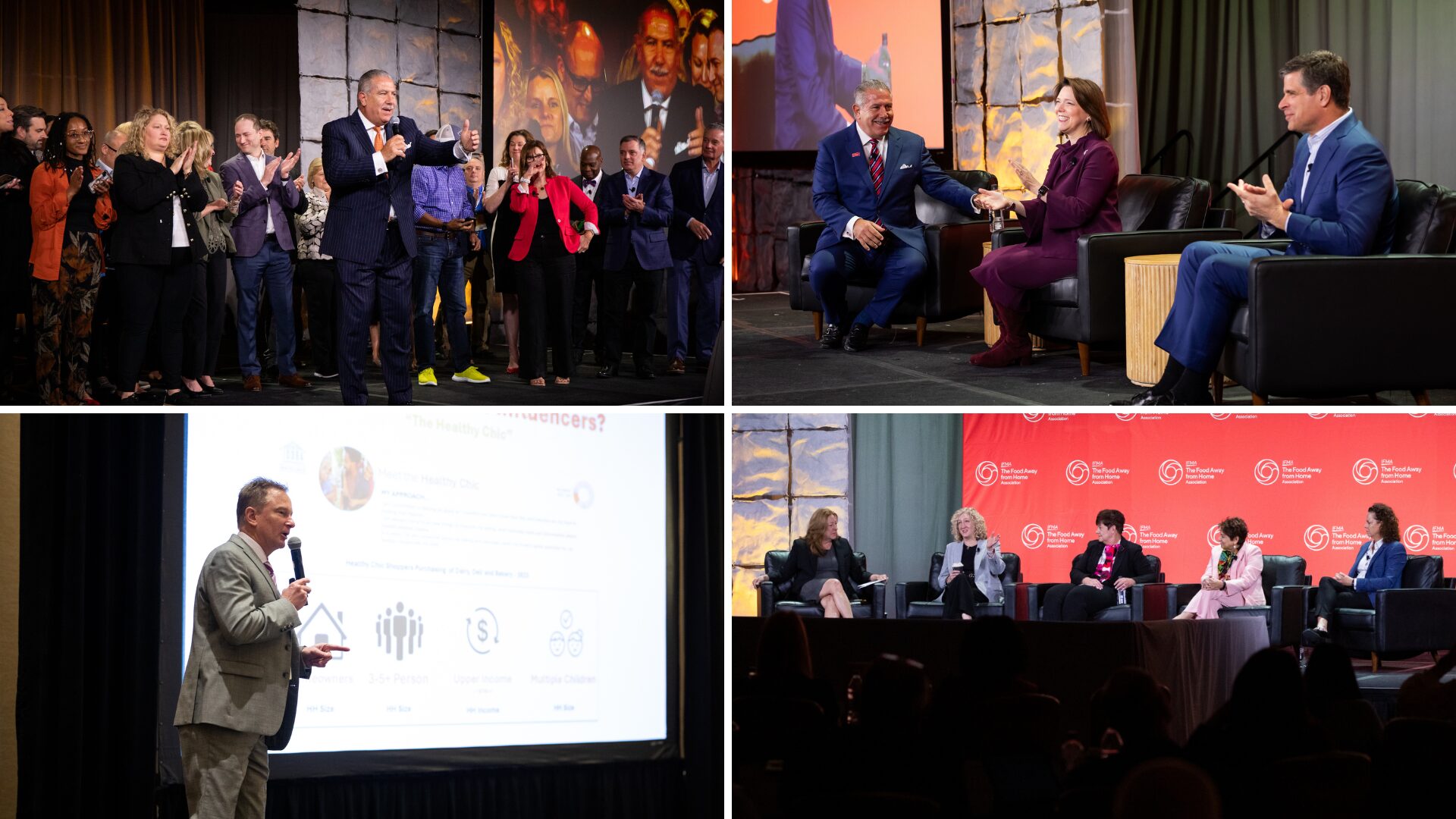
The 72-year-old organization recently unveiled a rebrand in a new video that retraces its history and reflects the changes seen in the food-away-from-home category since the pandemic.
Retailers have ramped up their merchandise deliveries amid a threatened strike by U.S. dockworkers that could disrupt the imminent holiday shopping season. 45,000 dockworkers are poised to walk out at 36 ports along the East and Gulf coasts following the expiration of the longshoremen’s six-year master contract, which expires on October 1.
A new industry study suggests food and beverage suppliers simply can’t afford to ignore supply chain modernization.