“Protein and fiber are winning because they sit at the intersection of multiple durable consumer needs: weight management, satiety, metabolic health, and ‘food as medicine,’” L.E.K. Consulting’s Manny Picciola told FI.
The modern consumer is looking for food and beverages that do more for them, both providing explicit “functionality” and facilitating an overall healthy lifestyle. Better-for-you shoppers also tend to have higher incomes and have higher weekly food budgets, making them an attractive target demographic.
Moreover, in the year ahead, consumers across all income levels anticipate spending more on categories that facilitate personal health and wellbeing, suggesting that brands that innovate with these need states in mind are set to gain market share.
Source86’s Eran Mizrahi noted that brands will also continue to focus on protein and fiber value propositions because consumers understand them and retailers know how to position them within the store. There are myriad components that contribute to making a food item “healthy,” but fiber and protein are clear signals that today’s consumers are looking for.
For brands, however, he warned that these changes are not as simple as the marketplace makes it seem – 25% of new product launches contain a protein claim, yet it requires reformulations and modified supply chains.
“Increasing protein or fiber isn’t just a label change because it affects sourcing, cost, texture, and shelf life, and those changes are very real. For a lot of companies, this shift is less about chasing trends and more about staying relevant while margins are getting tighter.”
In general, nutritionists are weary about this narrow view of healthy eating, suggesting that consumers are often better off aligning one’s diet to a broad lifestyle shift, rather than obsessing over hitting macronutrient number goals.
“Functional buzzwords strongly influence consumer behavior, and front-of-package claims centered on single nutrients can overshadow broader indicators of dietary quality such as food variety, adequacy, cultural relevance, and overall dietary patterns,” said Alison Swiggard, MS, RDN, LD, registered dietitian.
Protein
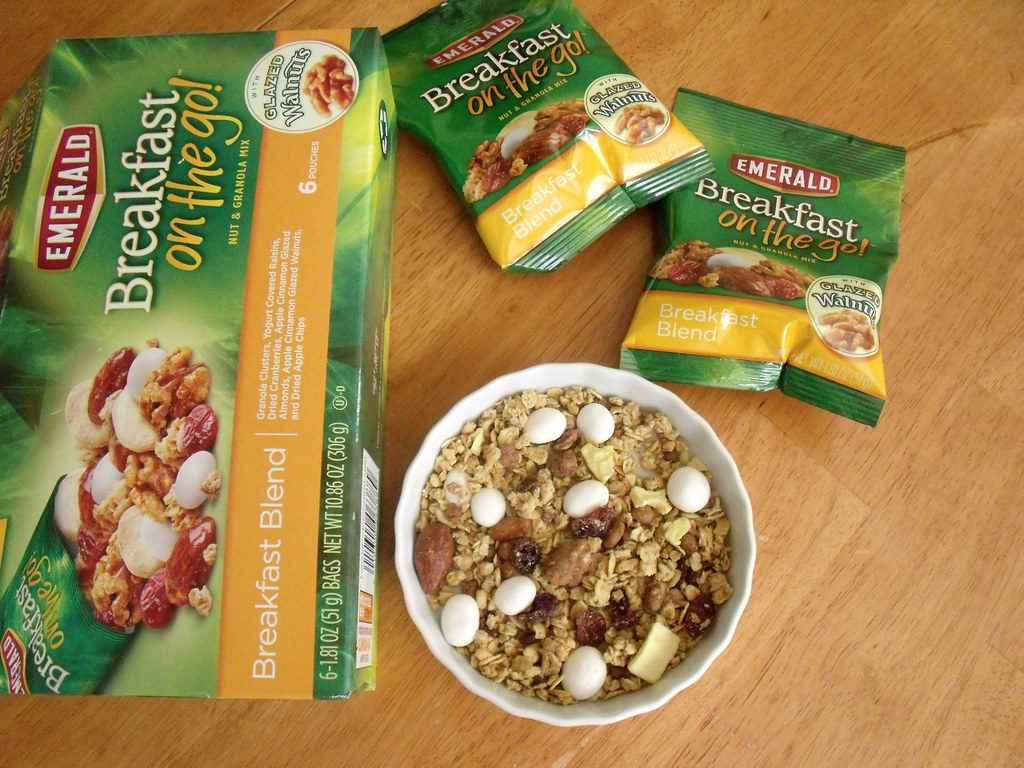
Protein-fortification is coming to every corner of food and beverage innovation, from protein-infused coffee to snacking.
“We are seeing protein added to beverages, desserts, snack foods, and products that previously were not marketed this way,” said Swiggard.
Doritos’ recent protein innovation, Doritos Protein, features a tortilla chip with 10 grams of protein per serving. The brand notes that it addresses 70% of Americans’ desire for salty snacks to have more protein types; however, it may prevent consumers from understanding healthy moderation in the context of a diverse diet.
Nevertheless, protein has a firm foundation in the modern diet.
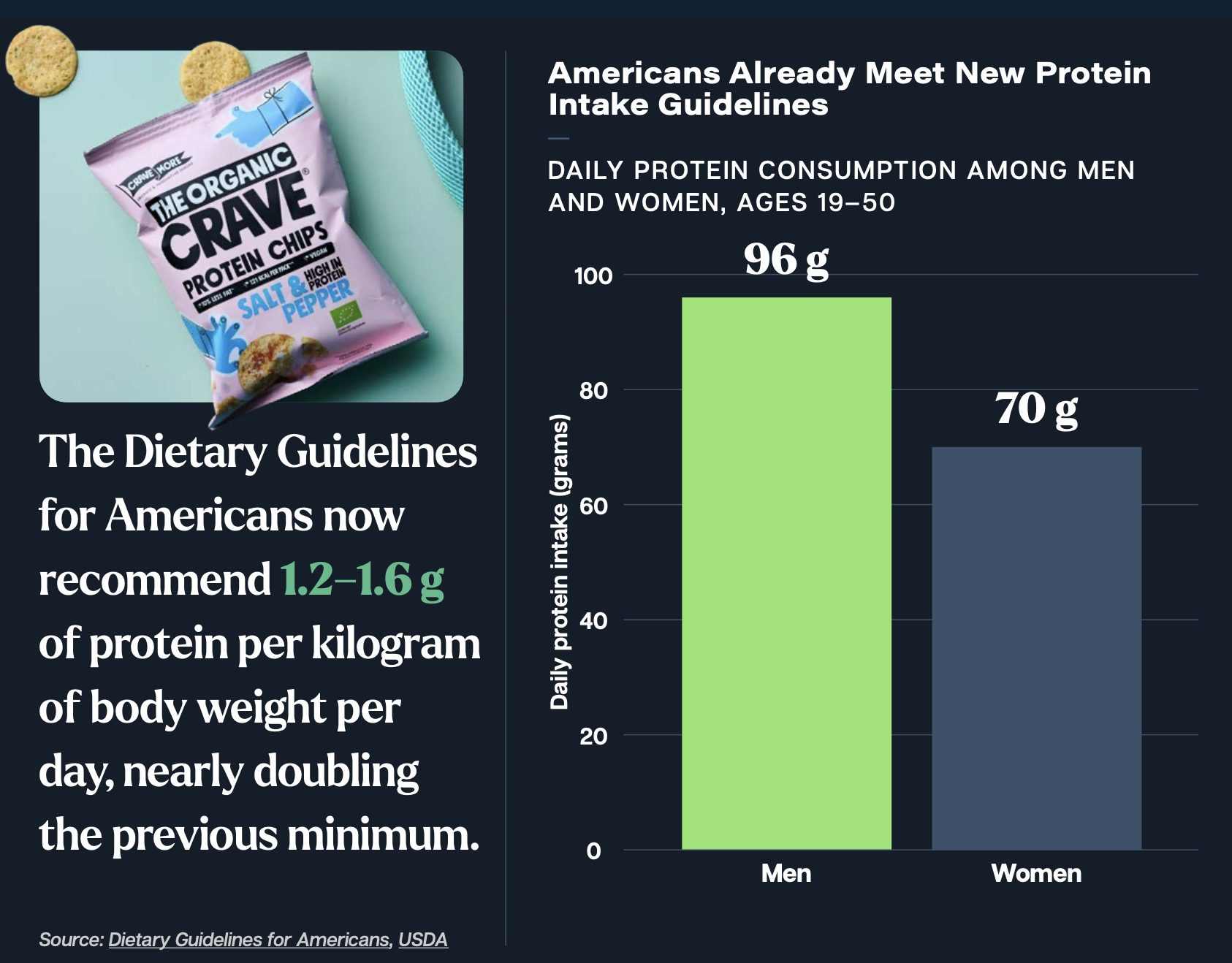
“Protein has become a nutritional anchor for many consumers. It is associated with satiety, energy, and strength, and the updated guidelines give manufacturers more flexibility in how protein and fat sources are used,” said Novonesis’ Rebecca Replogle.
She noted how it provides a strong framework for CPG innovation across traditional and plant-based categories. Plant-based milks, for example, have been testing high-protein offerings to make them a more attractive alternative to dairy-based milks, achieving similar macronutrient goals per serving.
Fiber
“Fiber may not be the headline nutrient right now, but it continues to be a quiet workhorse for digestive and metabolic health,” said Replogle.
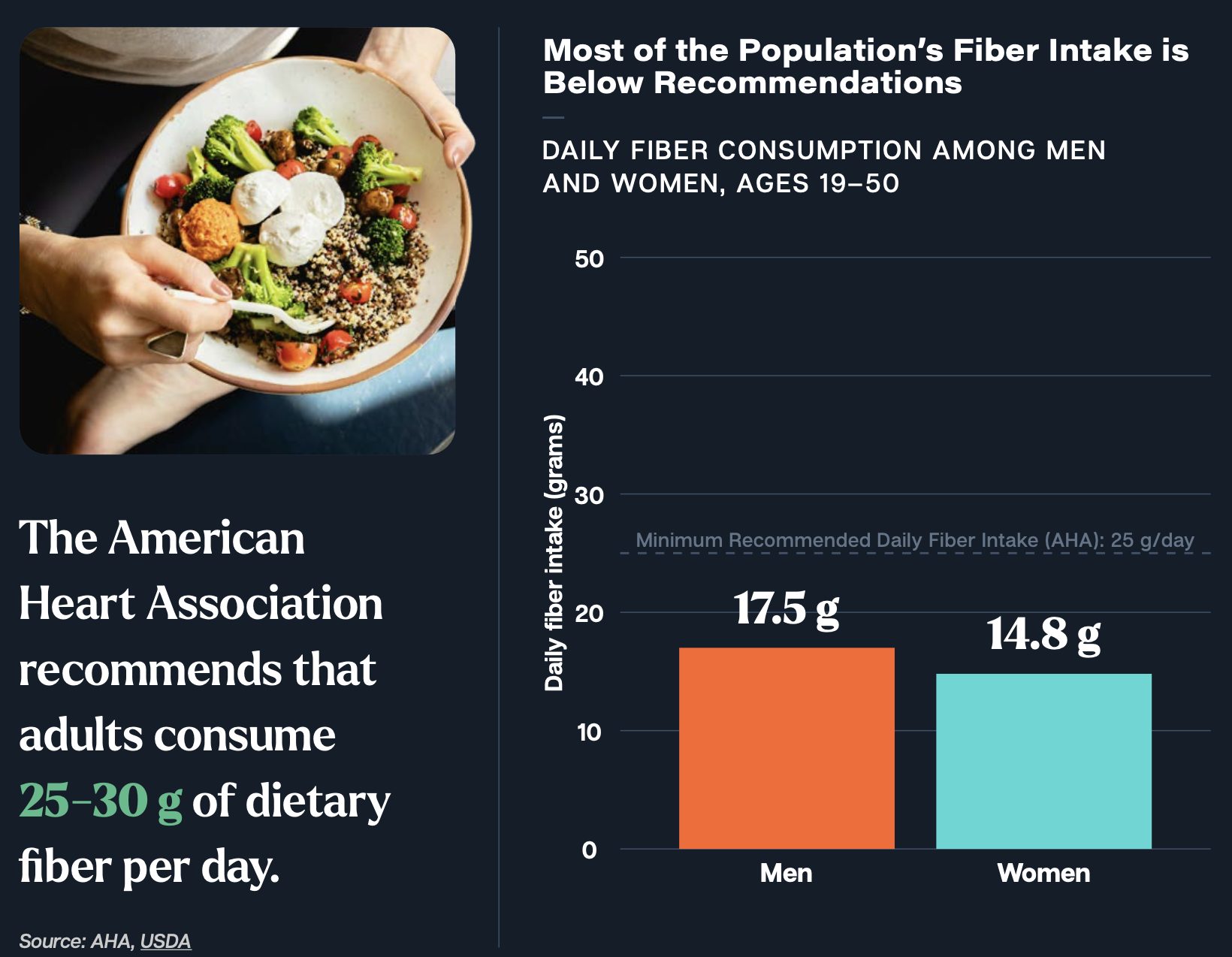
The Dietary Guidelines For Americans, 2025-2030, acknowledged the role that fiber has on overall gut health, and is becoming a more attractive value proposition for eaters looking to simulate the effects of GLP-1 drugs, by mimicking feelings of satiety, as well as those shopping for a healthy lifestyle.
“This year, we’re going all-in on fiber,” said The Food Group’s Mark Cotter.
He noted how roughly 95% of consumers don’t get their daily recommended fiber intake, highlighting a critical growth area for businesses. In the restaurant segment, he anticipates menus to increase their high-fiber offerings.
GLP-1 Diet
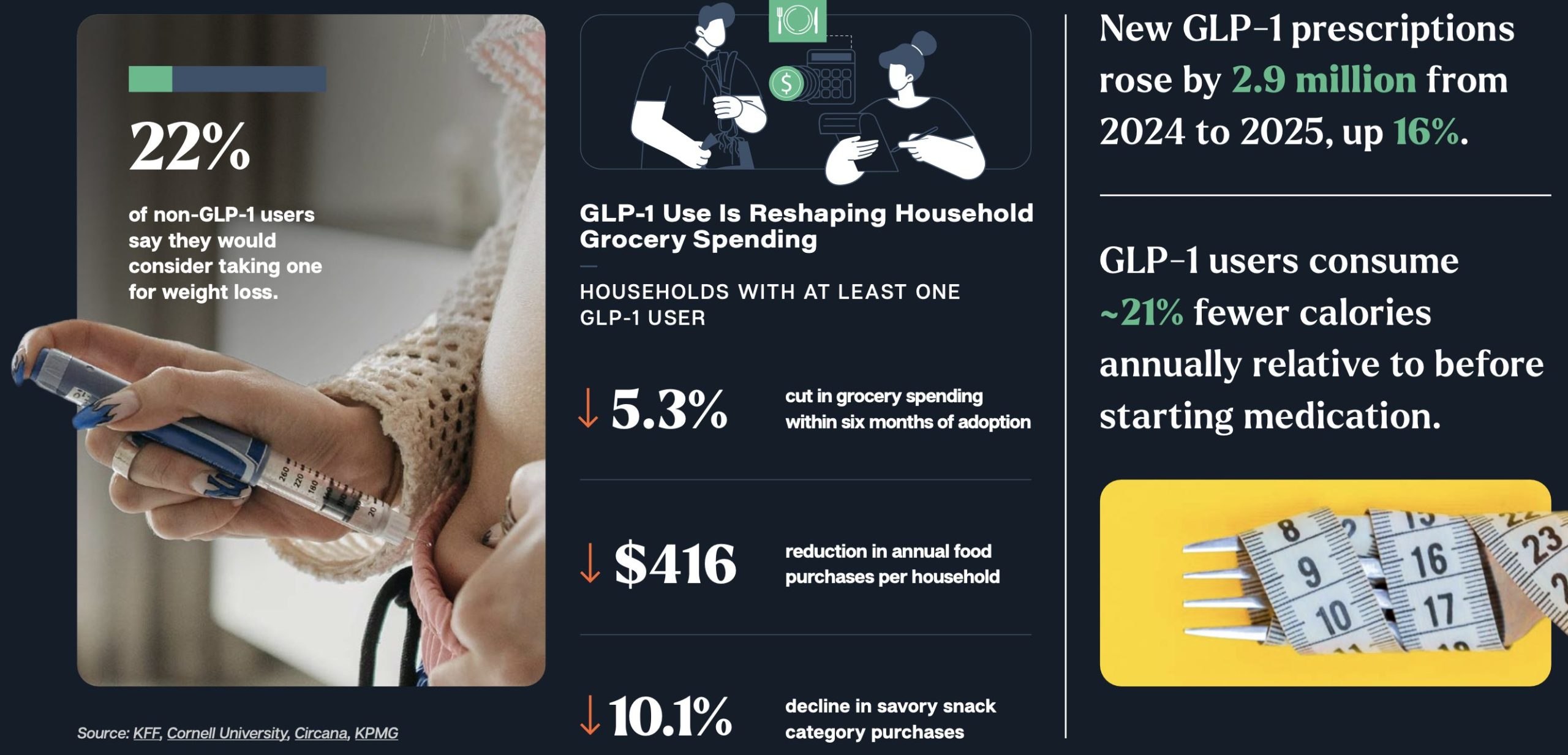
The continued GLP-1 movement continues to be a key growth area for businesses, with large portions of the population trying out these drugs for weight-loss purposes. As market leaders such as Wygovy and Ozempic continue to roll out pill versions of the drug, demand for offerings that target these consumers will continue to rise.
These shoppers are consuming less calories, so the food they do eat requires higher nutrient density. This is likely motivating an overall concern for macronutrient support across all consumer subgroups.
Industry experts warn, however, that innovations centered for GLP-1 drug users should take a strategic marketing and development approach.
“For brands, the opportunity is real –but the winning strategy is not a narrow, GLP-1-specific product line,” said Picciola.
Although many brands are beginning to use “GLP-1 Friendly” as an on-package callout, it can pigeonhole a great product that could appeal to a wider audience. Instead, he recommends marketing to larger audiences seeking everyday satiety and nutrient density through better products.