Consumers are expected to spend a record $38 billion on Mother’s Day, according to an annual survey from the National Retail Federation, surpassing last year’s $34.1 billion and the 2023 record of $35.7 billion.
Roughly 84% of Americans plan to celebrate the holiday.
“Consumers are gifting from the heart, seeking unique gifts that create lasting memories for the mothers in their lives,” said NRF chief economist Mark Mathews, in a statement.
“It’s an opportunity to recognize what this person has meant to you, and retailers are ready to make Mother’s Day extra special for shoppers.”

Per-person gift spending is expected to reach $284, across dining out, food and beverage purchases, flowers, clothing, jewelry, and more. Experiences are expected to take a larger share this year, with 63% of respondents planning to gift a special outing, such as a mealtime celebration or sporting event.
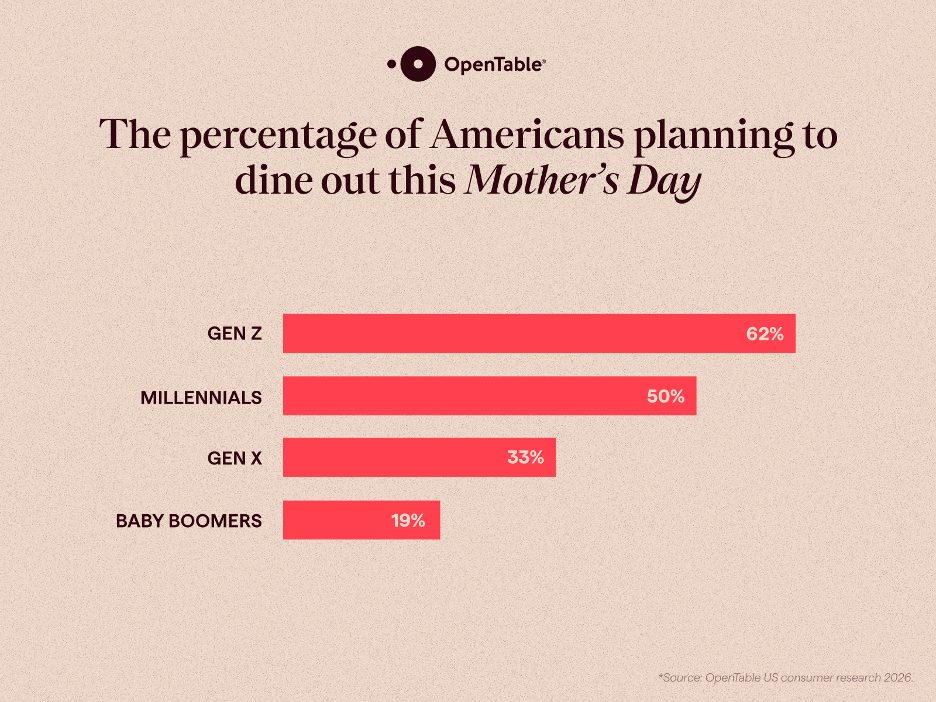
When it comes to who will dine out with their mothers, an OpenTable survey found that younger generations are likely to favor these experiences, especially Gen Z and Millennials. Consumers generally expect that children or spouses should pick up the tab after the meal.
A Little Bit of Sweetness
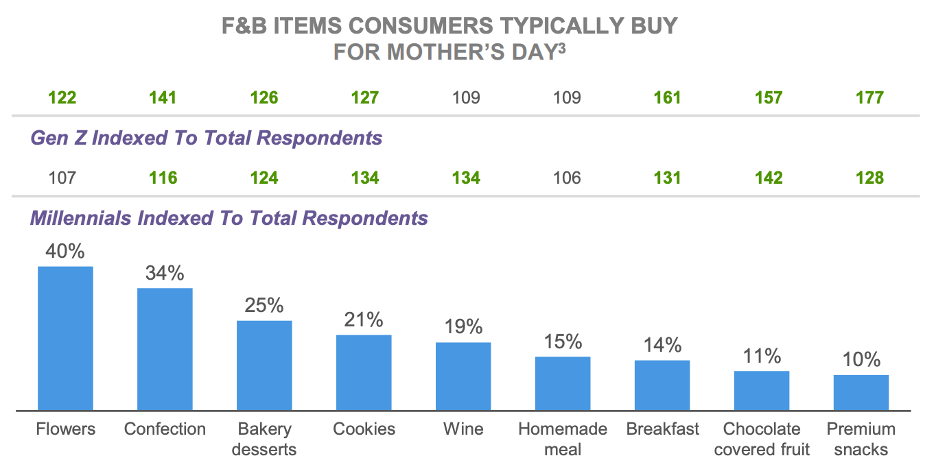
When it comes to gifting, chocolate and confectionery are among the most coveted items for children and significant others to give the mom in their life.
Source: NielsenIQ
Between 2023-25, confectionery sales performance leading up to Mother’s Day has posted steady growth, first by 3.7% between 2023-24, then by 3.3% in 2024-25. In March 2026, category penetration is up 1.5%, and spending dollars per buyer increased 6.3%.
Within the category, chocolate led the charge in 2025, with dark chocolate dollar growth up 15%, white chocolate up 6%, and milk chocolate up 5% year-over-year. This trend is likely to persist into 2026.
The report noted that, as shoppers exhibit fiscally conservative behaviors, chocolate continues to be a key spend area as it carries emotional weight.
“It should be merchandised as the emotional hero of the occasion, not treated as a secondary add-on,” read the report.
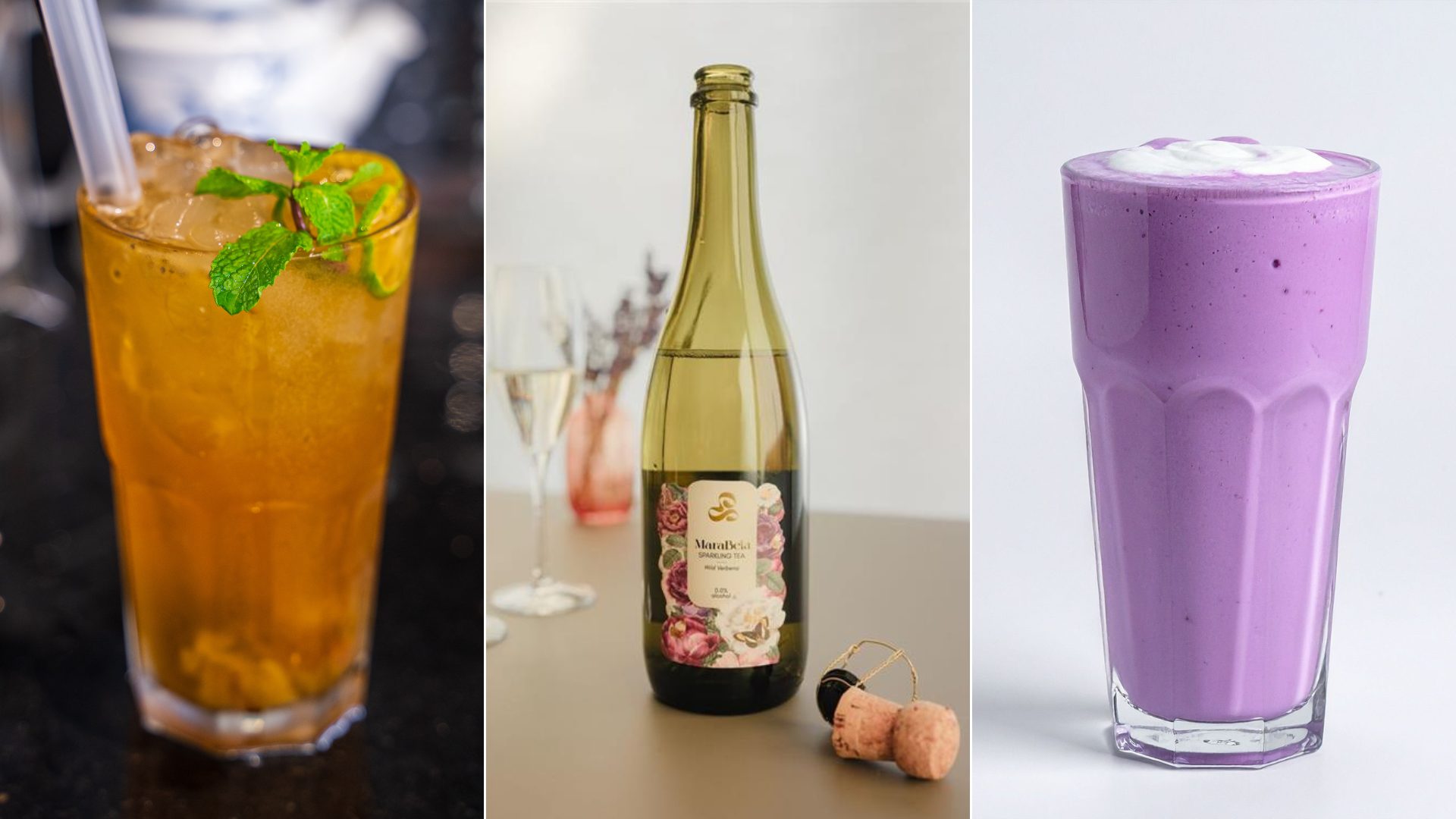
For Mother’s Day F&B purchases, consumers are prioritizing thoughtful gifts, shared experiences, classic and reliable offerings, and those that offer a premium feel.
Nielsen found when evaluating the data across key demographics:
- Asian households are likely to prioritize gifts that offer a healthy or better-for-you value proposition
- Upper-income households are 1.4x more likely to go for an experiential gift
- Foreign-born U.S. households are 1.8x more likely to gift a specialty coffee or tea offering
“Demand is concentrating around moments that deliver emotional certainty, rewarding brands and retailers that simplify choice and elevate meaning rather than chase volume,” said Chris Costagli, VP of thought leadership and F&B insights lead at NielsenIQ.
“Those that align around clarity, curation, and experience will capture more predictable and more durable seasonal performance.”
The Food Institute Podcast
In this episode of Food for Thought Leadership, Food Institute Chief Content Officer Kelly Beaton steps in as guest host to interview Fransmart CEO Dan Rowe on the evolving restaurant labor market. Rowe challenges operators to view labor not as a cost to minimize but as a strategic investment, noting that the most successful brands are those that “staff for the sales they want” and prioritize retention, engagement, and culture amid ongoing workforce constraints.