In February 2022, shares of Diageo hit an all-time high of $223. Just over four years later, shares have fallen more than 60%, to a 14-year low near $80.
The sell-off has been stunning in two different ways. First, in that it happened at all.
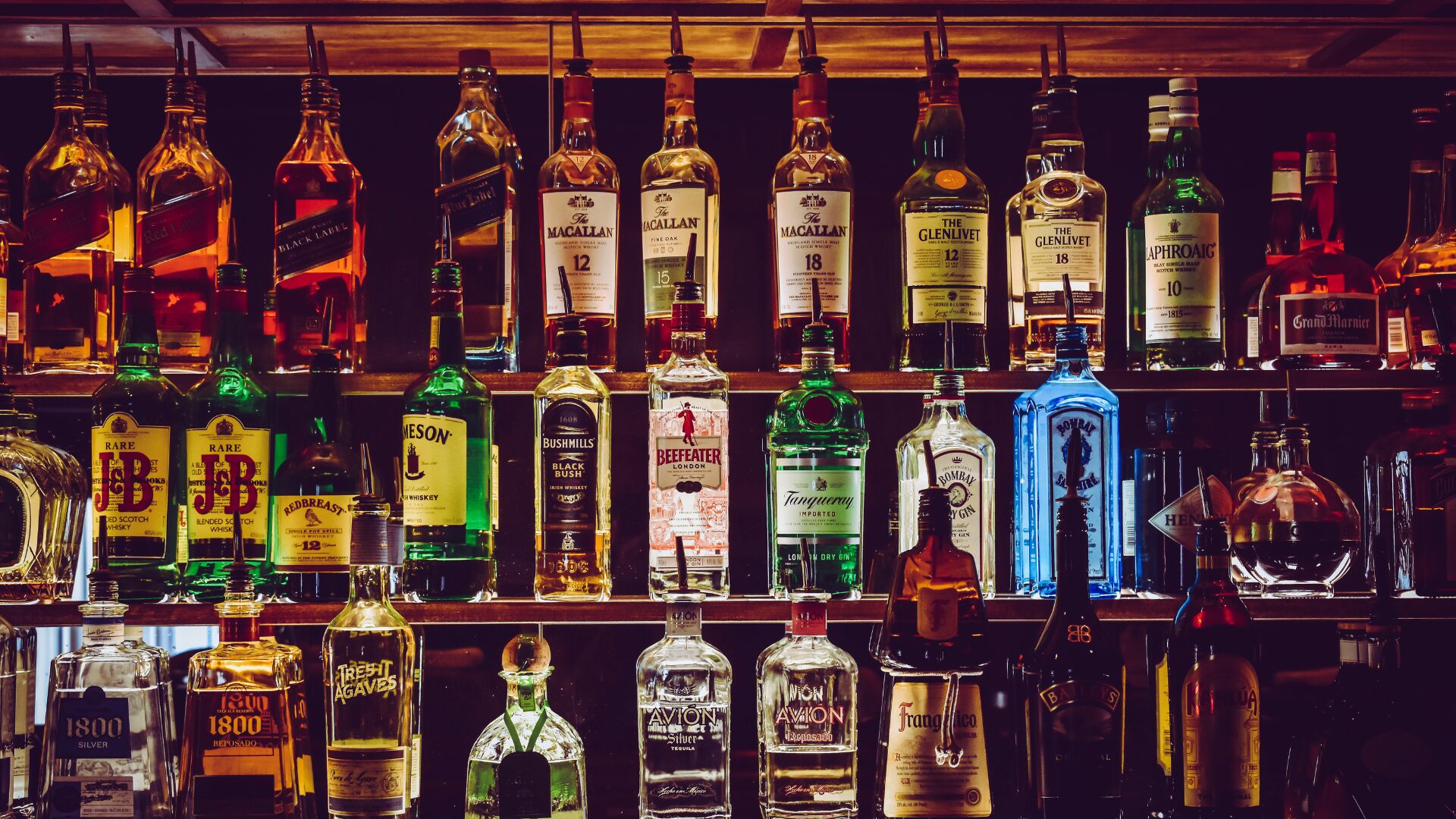
Diageo on paper would seem to be insulated from this kind of trading. Flagship brands like Guinness and Johnnie Walker have built their reputations, their name recognition, and their customer loyalty literally over centuries. (For instance, Johnnie Walker’s domination of the Scotch market in India can be traced in part to British colonialism there – even though India has been independent for almost eighty years.) Demand for beer and spirits doesn’t necessarily fall even in a recession.
Indeed, even in 2008, a brutal year for stocks globally, Diageo only lost 31% of its value – and it regained more than half those losses the following year. The recent trading in Diageo stock is unprecedented.
The other stunning aspect is how the stock had sold off: almost without interruption. Diageo stock has not been able to put together a rally of either size or length over pretty much the entire four-year stretch. The selling has been relentless – which too is a surprise given the quality of the underlying brands and Diageo’s historic returns. (Across the first two decades of this century, Diageo returned more than 800%, about four times the gains in the Standard & Poor’s 500.)
At some point, it would seem like investors might step into stem the declines if only because the company’s history has been so impressive. Yet, save for a few pauses, Diageo stock has mostly just kept falling.
Diageo’s Premium Aura Takes a Hit as Global Spirits Slow
In the context of the external environment, however, the steady selling perhaps makes more sense. Diageo has been hit from multiple directions, by concerns around inflation that began in 2022; by the so-called ‘K-shaped’ economy pressuring lower- and middle-class consumers in the U.S.; and, of course, by tariffs. Add to that growing fears of a secular, permanent decline in alcohol consumption and the negative sentiment toward Diageo does make some sense.
Indeed, it’s not as if the beer and spirits giant has performed terribly different from peers. Shares of Brown-Forman, the distiller of Jack Daniel’s, are at a 12-year low. Boston Beer, best known for Sam Adams beer (but at this point actually mostly a producer of spiked tea and lemonades) are down three-quarters from their hard seltzer-driven peak. The Molson Coors mega-merger hasn’t really played out.
Even Anheuser-Busch stock, which just hit a four-year high, is at the same place it traded at back in 2012.
But even in that context, Diageo was supposed to be different. Molson is not Guiness. Jack Daniel’s is not Johnnie Walker. The core brands – and even some of the newer acquisitions in tequila – were and are supposed to be built around customer bases less susceptible to affordability.
Judging by its stock chart, it looks like Diageo simply isn’t the higher-end business many investors believed it was.
But the irony here is that, to at least some extent, Diageo has been. It just hasn’t mattered yet.
America’s Tequila Cool‑Down Keeps Pressure On
Outside the U.S., the business is performing well, and has been able to take pricing in line with costs. News of yet another price increase in Ireland earlier this year was national news for a time, but consumers there still haven’t abandoned the brand. Johnnie Walker is taking share globally. Overall numbers are not nearly as bad as the stock price suggests: in fiscal 2025 (ending June), organic revenue actually increased 1.7%, though results in the first half of FY26 (the second half of calendar 2025) were admittedly weaker (sales fell almost 3%).
It’s the U.S. (and to a lesser extent China) that has driven the weak results.
Management has talked up the standard affordability concerns cited by so many American consumer-facing businesses, but the key problem has been tequila. Diageo’s sales in the category incredibly were down 23% year-over-year in the first half of fiscal 2026.
Lawsuits alleging that Diageo is falsely representing Don Julio and Casamigos as being “100% agave” have created an issue (the company insists the lawsuits are baseless). Executives have cited trading down within the category, which makes some sense given that tequila drinkers skew younger and more price-sensitive.
Of course, Diageo’s tequila brands are themselves younger. And the weakness in tequila may not be a sign of poor execution or flagging interest in Diageo’s brands as much as simple overcrowding in a category that is perhaps not quite as on-trend as it was a few years ago. Struggles with American tequila sales don’t on their own negate the long-term case for Diageo, particularly when African beer sales and Asian whiskey revenues both are holding up.
With a new CEO on board, Diageo now sets out to prove that rumors of its demise – and that of alcohol as a whole – have been greatly exaggerated. The good news is that, for the much of the business, that has precisely been the case. The bad news is that, for four years now, it hasn’t much mattered.
Vince Martin is an analyst and author whose work has appeared on multiple financial industry websites for more than a decade; he’s currently the lead writer for Wall Street & Main. As of this writing, he has no positions in any companies mentioned.
The Food Institute Podcast
his Episode is Sponsored by: CBIZ
While many food industry professionals were hoping that the Supreme Court ruling on tariffs would elucidate the current global trade environment, it appears that it may have added more uncertainty than before. CBIZ’s Lou Biscotti and Mark Baran, and former Customs expert Michael Contino, all join The Food Institute Podcast to provide clarity and actionable insights.