Subscribe On Your Favorite Platform:




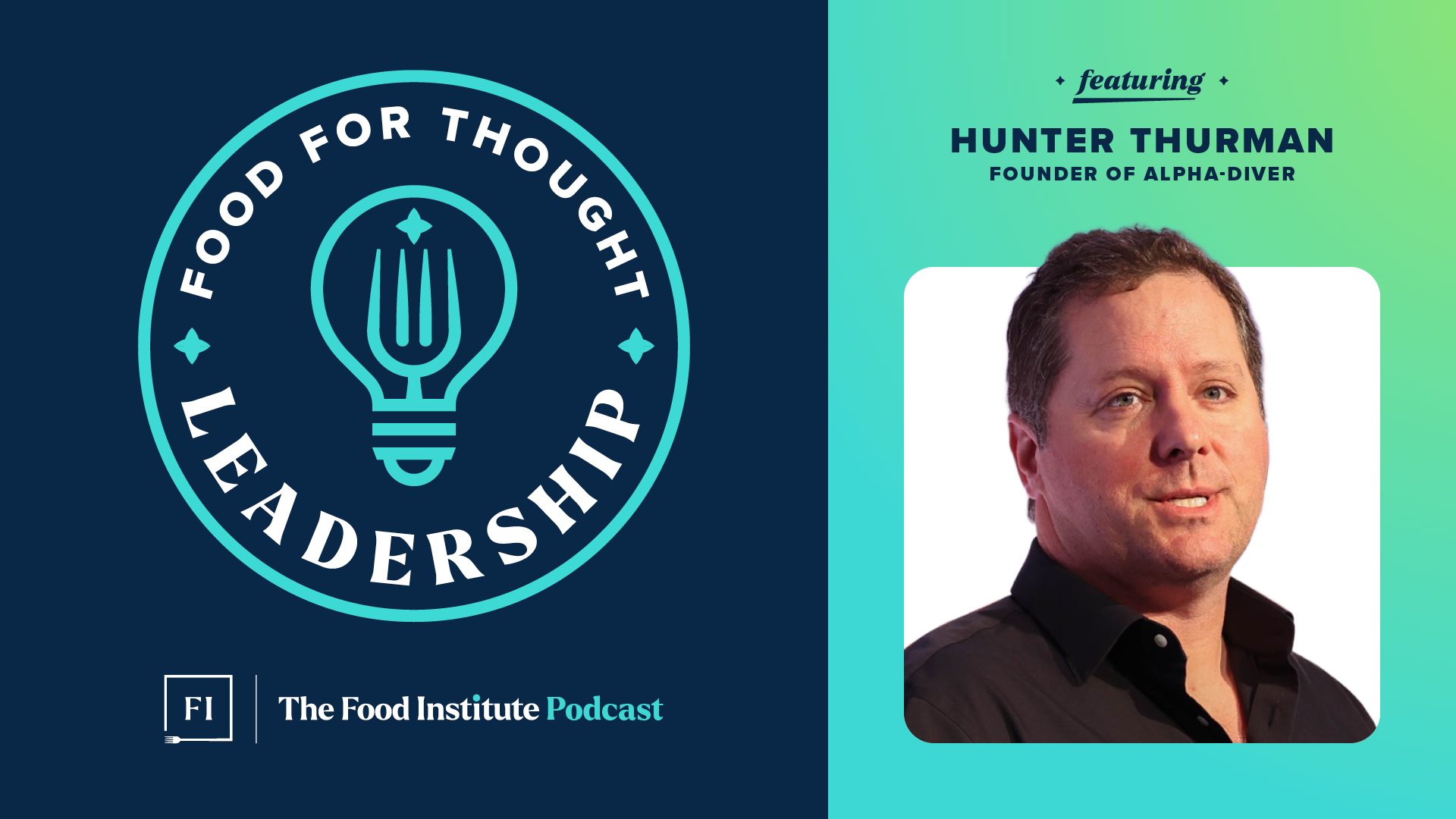
Private label isn’t a “cheaper alternative” anymore—and that outdated framing is leaving brands exposed. In this episode of Food for Thought Leadership, Chris Campbell is joined by Hunter Thurman, Founder of Alpha-Diver, to break down how the market has shifted from a simple private label vs. national brand debate into a three-lane landscape: value brands, owned brands, and national brands. Hunter shares why owned brands are increasingly competing on innovation and sensory discovery—not just price—and why younger shoppers, including Gen Z, are rewarding these products on their merits.
The conversation also digs into what national brands are getting wrong as they try to defend share—especially the instinct to lean on price cuts and promotion-heavy strategies. Hunter explains why consumer decision-making in this environment is often emotional, not rational, and how brands can regain momentum by reframing the competition: owning rituals, occasions, and end-benefits rather than feature-to-feature comparisons. Plus, Chris and Hunter explore where challenger brands still fit, and why the winners over the next 3–5 years will be the teams that start shopper-back, invest in the “last mile,” and win the emotional face-off at shelf.
Transcript (Edited for Brevity/Clarity)
The Private Label Landscape: “Three mindsets, not two”
Chris Campbell: “At the top level, when you take a look at private label right now in the U.S., what are you seeing?”
Hunter Thurman: “The old playbook… is private label versus national brand. What we see… it’s not private label, national brand. There’s three mindsets: value brands, which is what many think about on private label; owned brands, like Kirkland Signature, Bettergoods, Good & Gather, Simple Truth; and then national brands.”
Hunter Thurman: “Let’s banish even this discussion about what’s going on with private label. The marketplace has become a level playing field… The built-in assumptions… that it’s about price… I think that’s hindering some organizations.”
How National Brands Are Reacting: “A very rational lens”
Chris Campbell: “How are you seeing national brands react… protecting volume… pricing power… responding to the growing threat…?”
Hunter Thurman: “I think the mistake that many teams are making is they’re using a very rational lens… a price promotion mindset. They’re looking at pricing.”
Hunter Thurman: “Late 2025… I had a lot of people saying, ‘We took pricing… we’ve been promoting heavily… dropped margin and it didn’t work. Volumes didn’t pick up.’”
Hunter Thurman: “Cutting the price is not the route to this. This is not always a logical, rational dynamic… There’s a lot of emotion at play here.”
Consumer Need States: “Sensory discovery” and “innovation and experience”
Chris Campbell: “What are some of the bigger need states… pushing them toward these brands and maybe away from national brands?”
Hunter Thurman: “In our segmentation… 32% of shoppers are most attached to these owned brands… highest income… they’re the majority of Gen Z shoppers.”
Hunter Thurman: “For that one… it’s about sensory experience and sensory discovery… When Walmart launched Bettergoods… with dulce de leche ice cream… 72% of the people that bought it didn’t know it was a Walmart brand. They were rewarding it on the merits of the brand… and the product.”
Hunter Thurman: “These are not knockoffs… These brands can innovate really quickly… and in many categories… they’re out-innovating. That’s driving a lot of pull-through.”
Where Growth Is Coming From: “A larger-scale startup ecosystem”
Chris Campbell: “Where does the opportunity still remain… is it just continuing to innovate… different parts of the store…?”
Hunter Thurman: “I remember… the whole 2000s disruption… startup brands… It democratized the ability to make and sell CPG-type products. During all that boom… that was the bane of our existence… little upstarts coming in and disrupting the category.”
Hunter Thurman: “That’s what these owned brands have become… a larger-scale startup ecosystem… It’s not at all what’s driving these owned brands now… The owned brands acting as a startup ecosystem—that’s really the way national brands should be thinking about this.”
Competing Beyond Price: “Own the emotion… change the frame”
Chris Campbell: “How do they strategically think about competing…?”
Hunter Thurman: “It is a cultural issue… they’re playing defense… ‘Let’s try to hold on quarter by quarter.’… That opens the door more to that startup ecosystem.”
Hunter Thurman: “National brands still have a lot of potential to own the emotion… Very few are linking features to the emotional end goal.”
Hunter Thurman: “Instead of 20 grams of protein… be ‘the protein that athletes use when they PR.’… Make it an emotional end game.”
Hunter Thurman: “If you’re comparative… if a shopper can make an easy comparative… you lose. Don’t make it about the price… Compete with Starbucks on price… change the frame of reference, change the emotional context.”
Pricing Mistakes: “Fairness… hassle… am I being duped?”
Chris Campbell: “Are there any other mistakes they’re making… other than price and defense?”
Hunter Thurman: “Nielsen… 37% of shoppers say they would pay the same or more for a private label item that they like… Almost 40% said, ‘Yeah, I’d pay more.’ That speaks volumes.”
Hunter Thurman: “Pricing is a double-edged sword… cutting prices says, ‘We’ve been charging you too much.’”
Hunter Thurman: “Two more components of pricing are far more influential: hassle… and fairness—‘Am I being duped?’… When you don’t buy it on deal, you’re getting ripped off… it matters.”
Challenger Brands: “Win the emotional face-off”
Chris Campbell: “With the rise of private label… do challenger brands face more barriers… or new opportunities?”
Hunter Thurman: “Retailer owned brands are going to have to be somewhat ‘something for everyone.’ Those disruptor brands are very story-based… strong narrative… often a tribal component.”
Hunter Thurman: “Both can coexist… owned brands are accelerating trial and exploration… that benefits a challenger brand.”
Hunter Thurman: “If you can compare yourself to an owned brand… you lose… If you can walk in and go, ‘This is for people like me’… you’ll win. You’ve got to win the emotional face-off.”
Looking Ahead: “Start with the emotional”
Chris Campbell: “Three to five years out… what should food manufacturers be doing… for a North Star?”
Hunter Thurman: “Teams go, ‘What’s perfect? How many grams of protein? What price?’—stop. That’s not what the consumer means… Perfect is an emotional framing characteristic… Start with the emotional.”
Hunter Thurman: “National brands need to be investing much more heavily in their shopper marketing… participate in that last mile… Make your product detail pages match… execute well… or all the brand equity you’ve built… you’re going to get traded around.”
Hunter Thurman: “Think about ritual… moments you can own… People will do very irrational things for emotional meaning… Serve the true driver, which is emotional.”