Nisshin OilliO America Unveils Foodservice Tech Lab, a Solution-Driven B2B Hub to Tackle US Kitchen Challenges
Nisshin OilliO America’s new B2B hub helps restaurants improve kitchen efficiency, reduce waste, and elevate menu value.
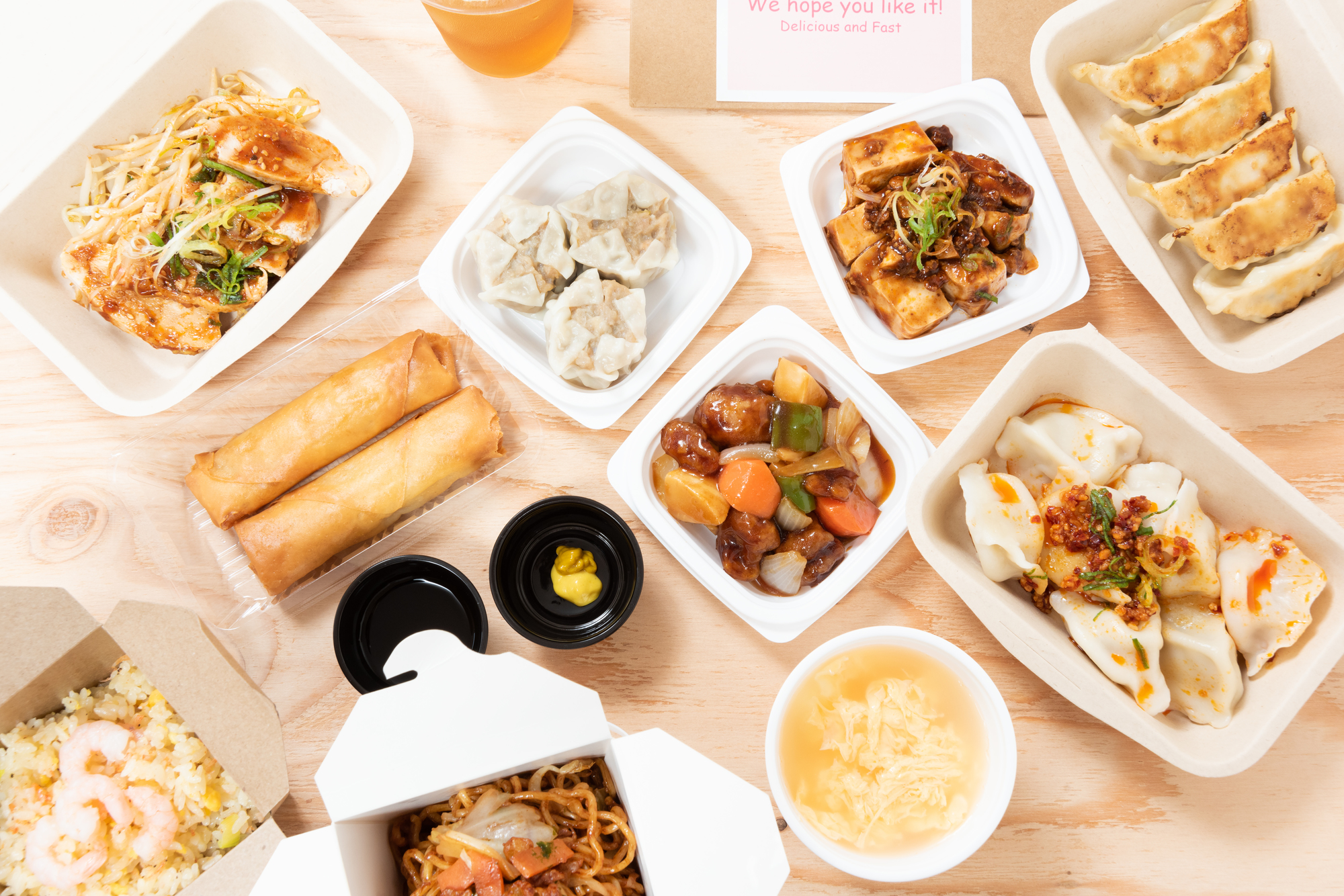
Nisshin OilliO America’s new B2B hub helps restaurants improve kitchen efficiency, reduce waste, and elevate menu value.
GLP-1 drugs are shrinking appetites and supercharging demand for nutrient-dense, snackable formats. Precision eating is rewriting menus and appears to be reshaping the future of food, drink, and wellness.
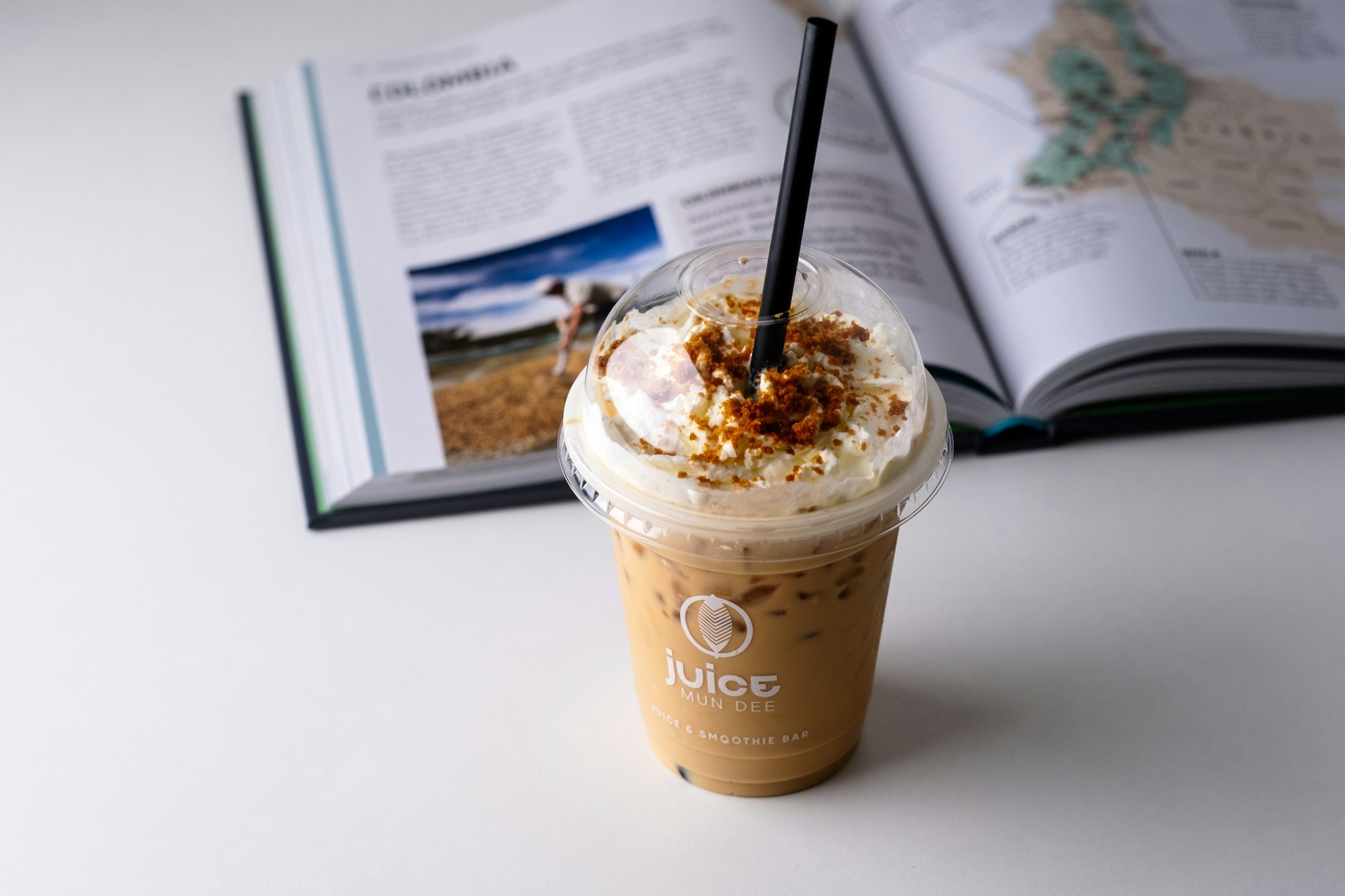
Millennials and Gen Z are often ditching traditional pill bottles, instead opting for functional foods that blend wellness with daily routines. Brands that deliver science-backed, snackable nutrition are winning over younger consumers.
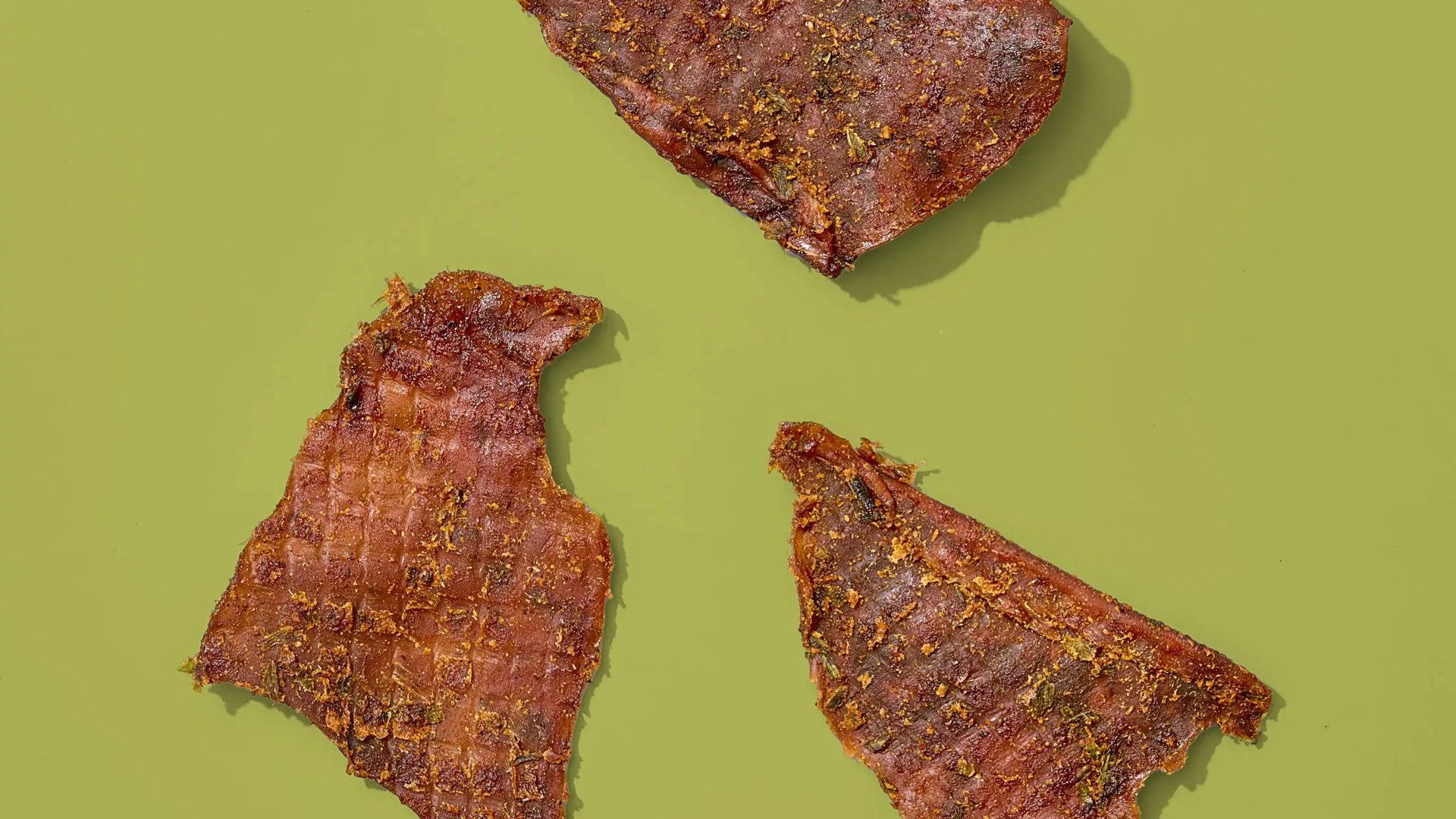
Squid – a domestic, nutrient-rich, and eco-friendly protein – is largely overlooked in America’s protein lineup. The Hermit brand of calamari jerky challenges food leaders to rethink underutilized ocean fare before reaching for lab-grown innovations. (Sponsored Content)
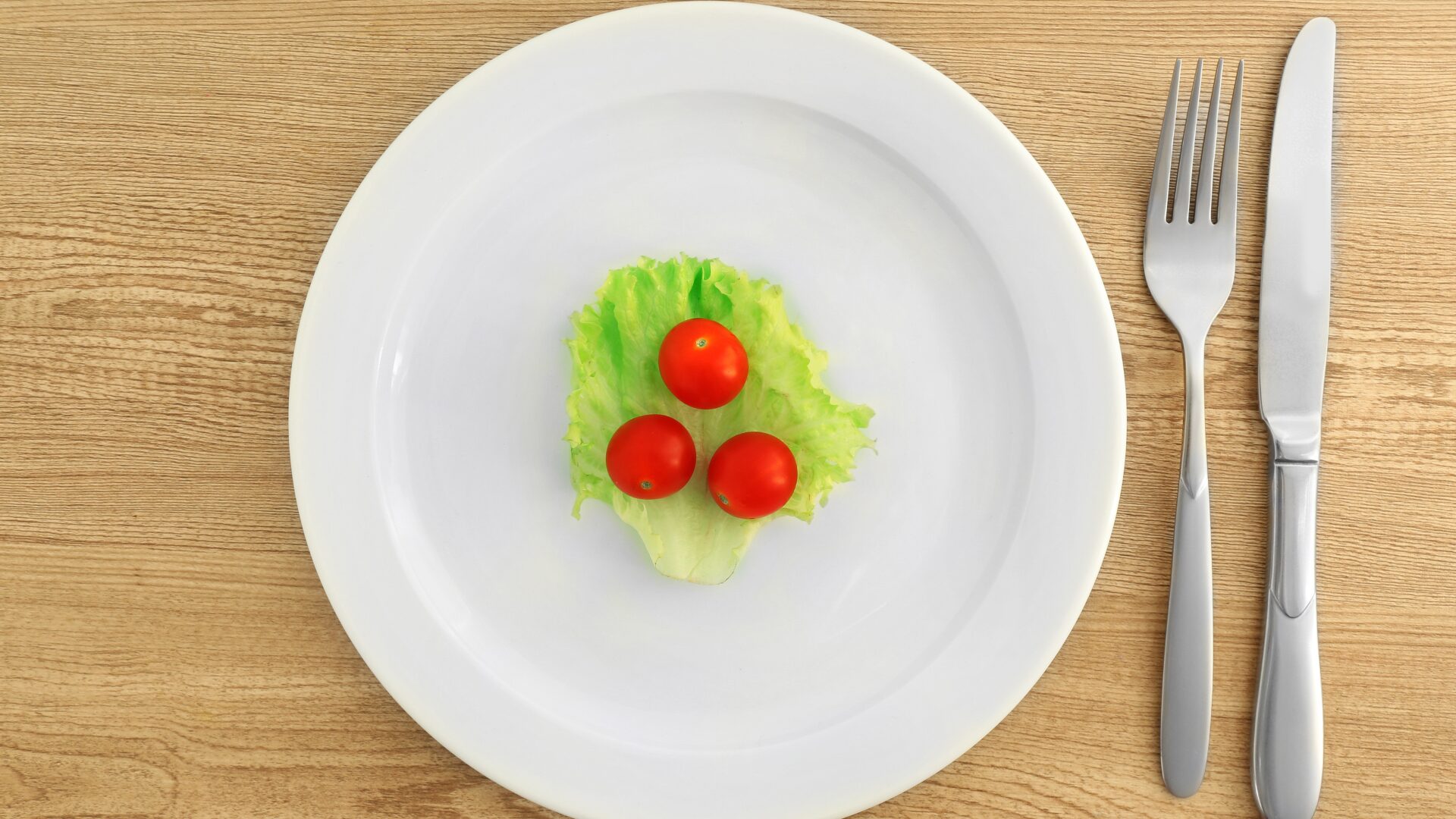
GLP-1 drugs like Ozempic are reshaping consumer appetites, with nearly half of users eating less beef. As this trend accelerates, meat producers face a challenge, while plant-based brands are presented with an opportunity.
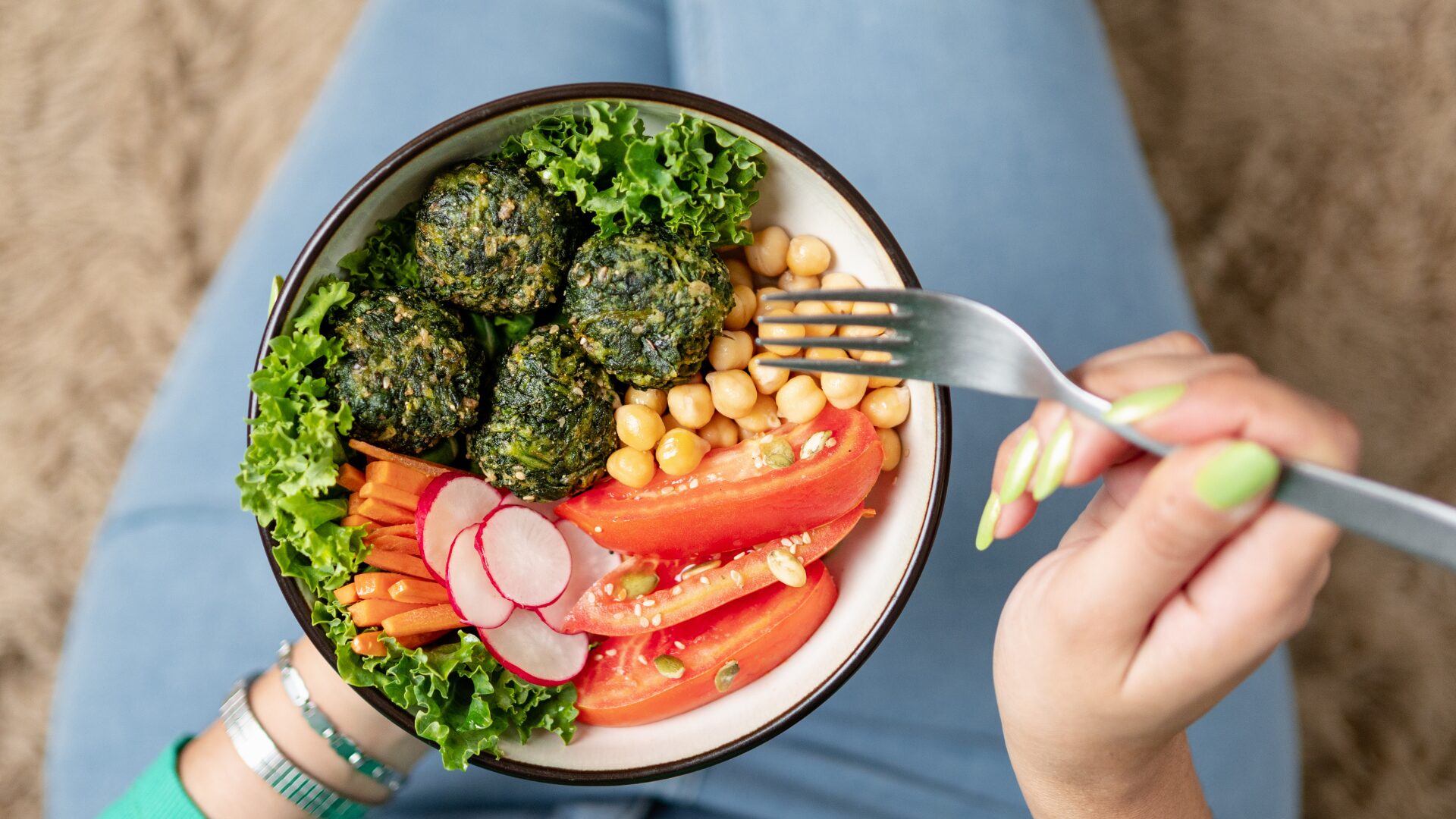
At the recent 2025 BMO Farm to Market Conference, consumer interest in personal wellness created plant-based tailwinds. Kroger, SunOpta, and Remedy Organics were among businesses weighing in on the future of the sector.

The growing demand for diabetes-friendly snacks presents a lucrative opportunity for the food industry to merge taste with nutritional balance. With consumers increasingly seeking blood sugar-friendly options, a new movement related to snacking has taken root.

The 2025 National Restaurant Association Show in Chicago showcased groundbreaking foodservice innovations, from globally inspired comfort foods to cutting-edge pizza solutions. Business leaders also displayed the latest AI-driven data analytics, revealing a dynamic future in which tech drives growth in the industry.

The “Return to Real” trend signals a growing consumer shift toward authenticity–favoring simple, transparent ingredients and tangible, in-person experiences over hyper-enhanced, tech-driven products. For food industry leaders, this presents a chance to embrace nostalgia, highlight natural ingredients, and rethink marketing strategies to align with consumers’ craving for genuine connection.
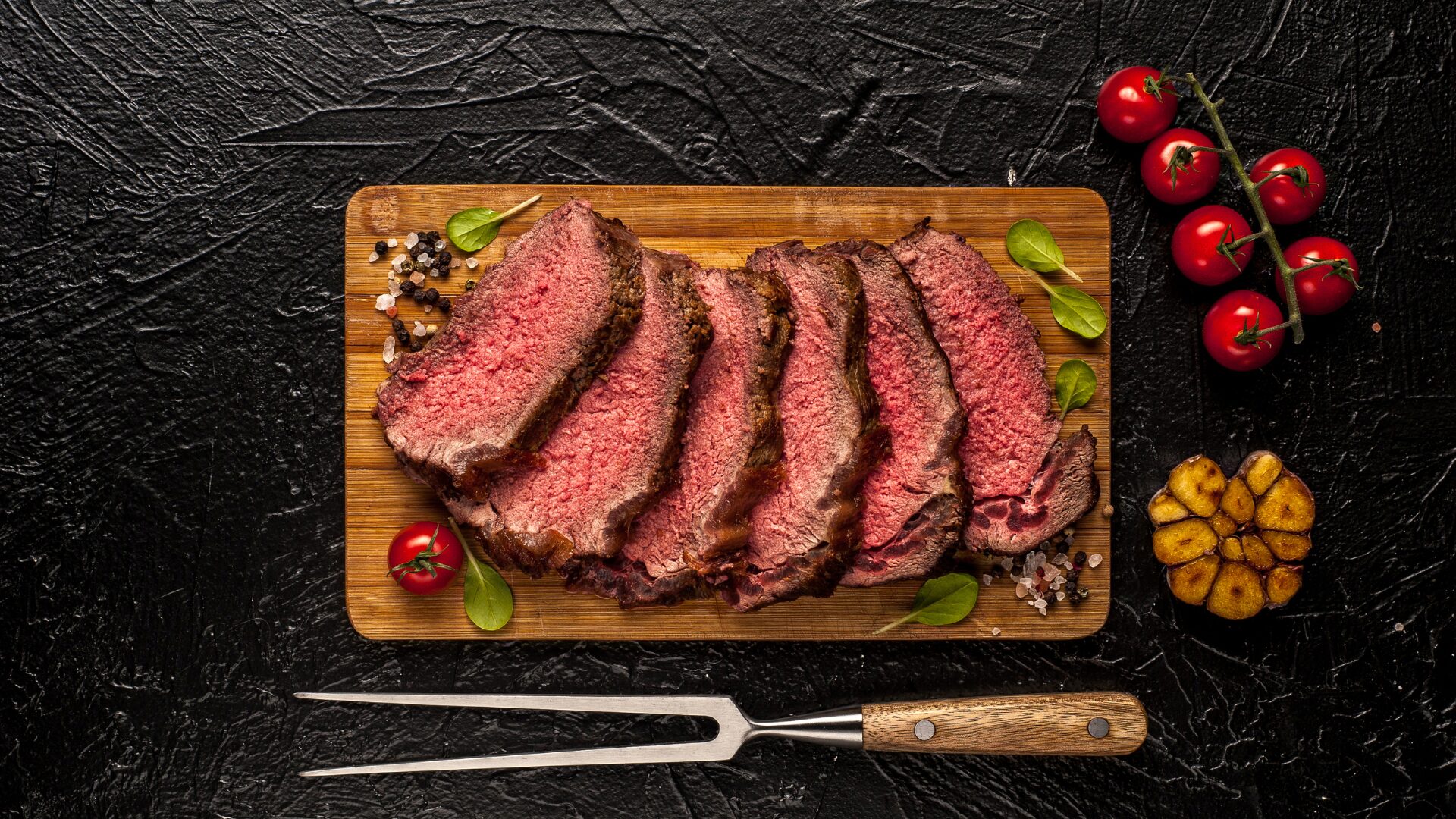
Gen Z men are increasingly embracing meat consumption as part of a shift toward hyper-masculinity, fueled by online influencers and rebranded narratives that position beef as essential for peak physical performance. The trend presents a key opportunity for the food industry.
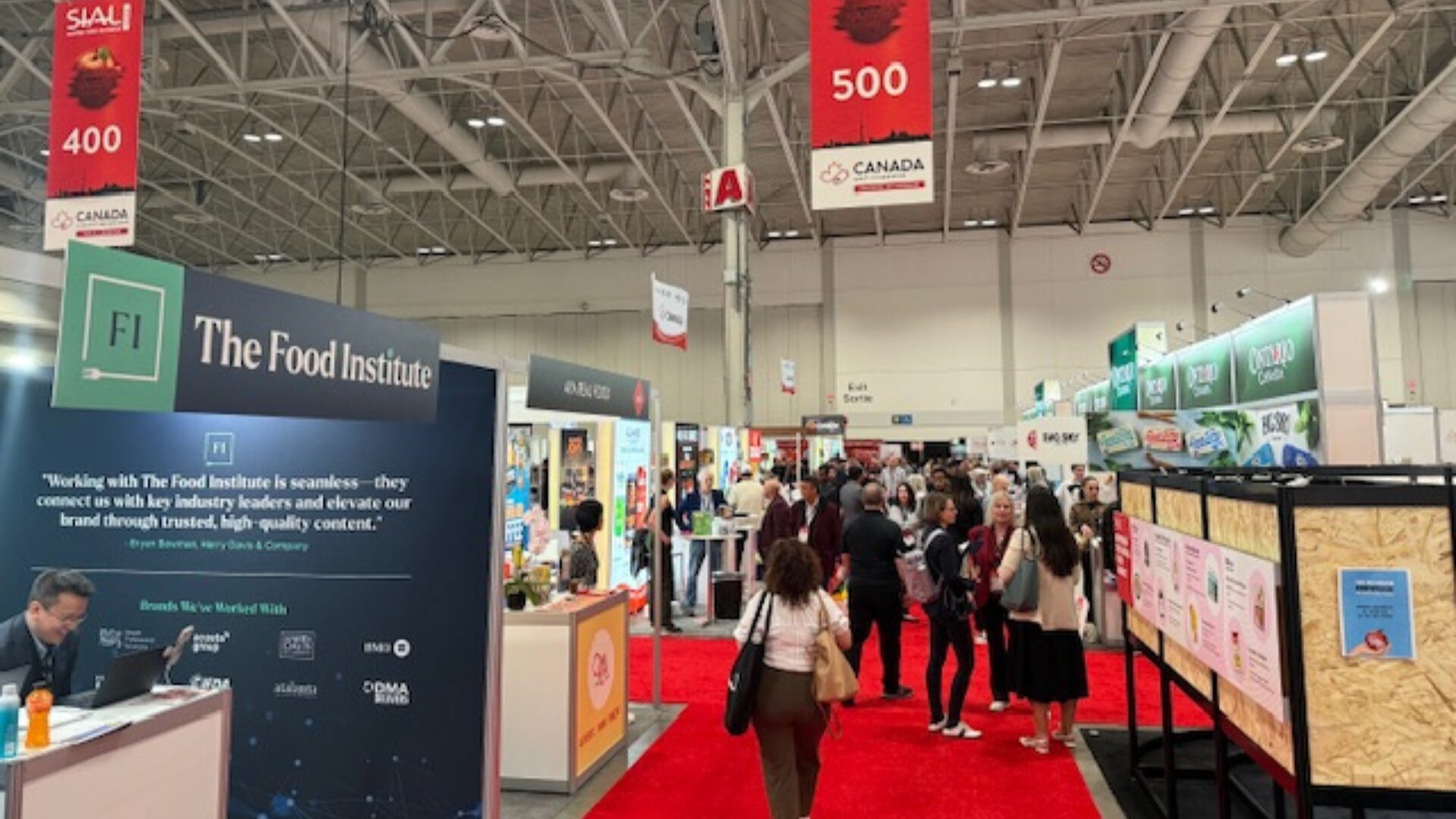
This week’s SIAL Canada event showcased the latest cutting-edge food and beverage products, highlighting trends like nutrient-rich “superseeds,” freeze-dried ice cream, and flavorful mocktails.

Recent moves in the yogurt segment from CPG giants signal a strong category foundation heading into an uncertain economic future—a white horse amid other stagnating retail categories. Danone, for example, beat out analyst expectations with its Q1 sales.

College students are doubling down on their nutrient needs, asking for functional dining hall meals to sustain them through their studies.
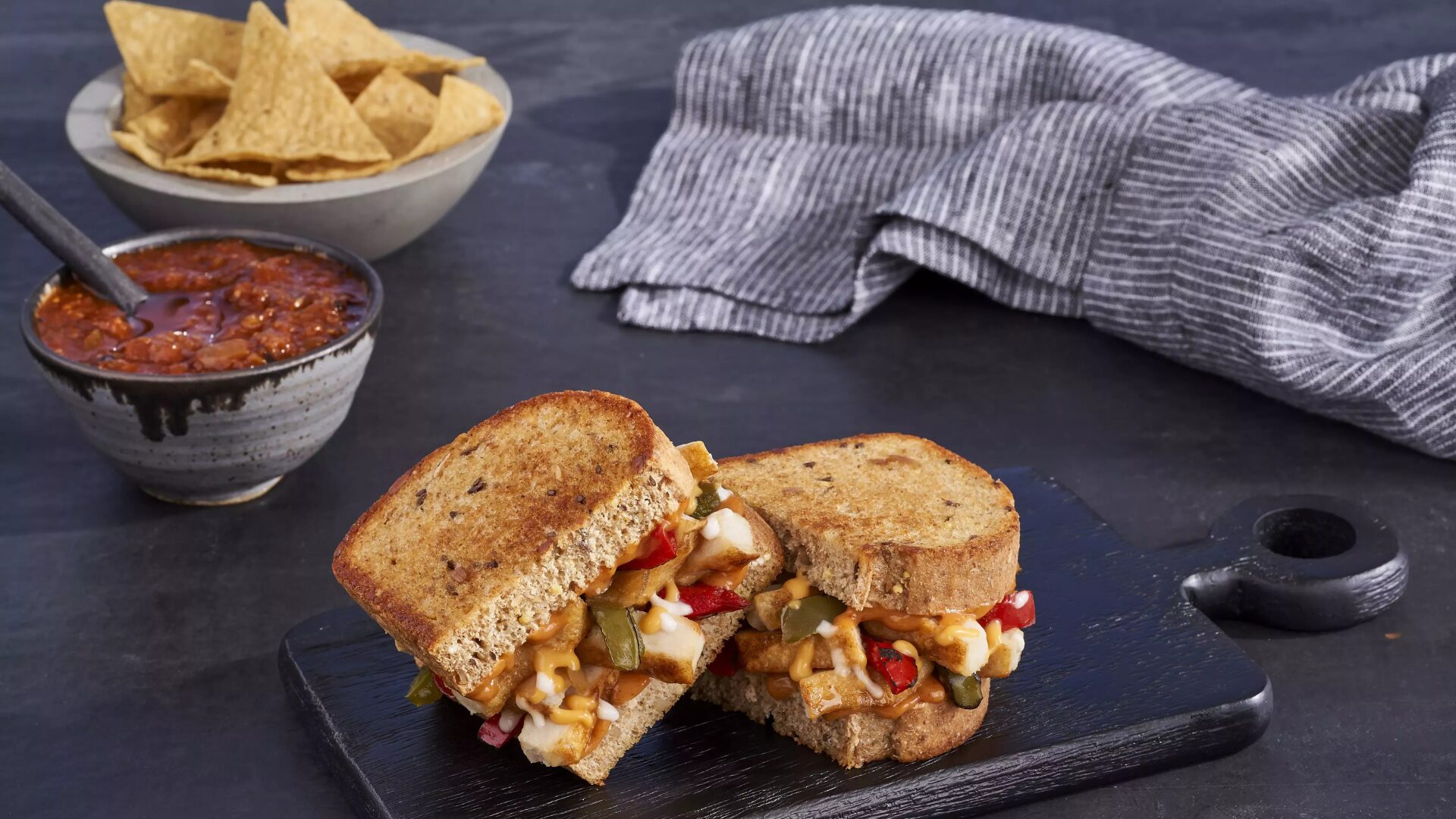
The popularity of GLP-1 medications is compelling brands to innovate with smarter portion sizes and functional ingredients. This shift represents a revolutionary convergence of biotech, nutrition science, and consumer demand, reshaping how food supports appetite management and metabolic health.

Recent research revealed that natural, everyday foods like pomegranates, avocados, and dark chocolate can significantly enhance testosterone levels. By addressing hormone-supportive diets and lifestyle factors, F&B industry leaders have the potential to aid male wellness.


Immunity-boosting products are gaining traction as consumers seek long-term wellness solutions, driving F&B brands to innovate with nutrient-dense offerings. The market is expected to grow at a 9% CAGR through 2028 and offers ample business opportunities.


New to the scene, Kiid Coffee is a better-for-you children’s nutrition brand that packs vitamins into a coffee beverage. Its founders will appear on Shark Tank on March 7.

Whole milk is making a comeback, with U.S. consumption up 3.2% last year, while plant-based milk alternatives saw a 5.9% decline. This shift is driven by consumer demand for protein and healthy fats, as well as economic factors.
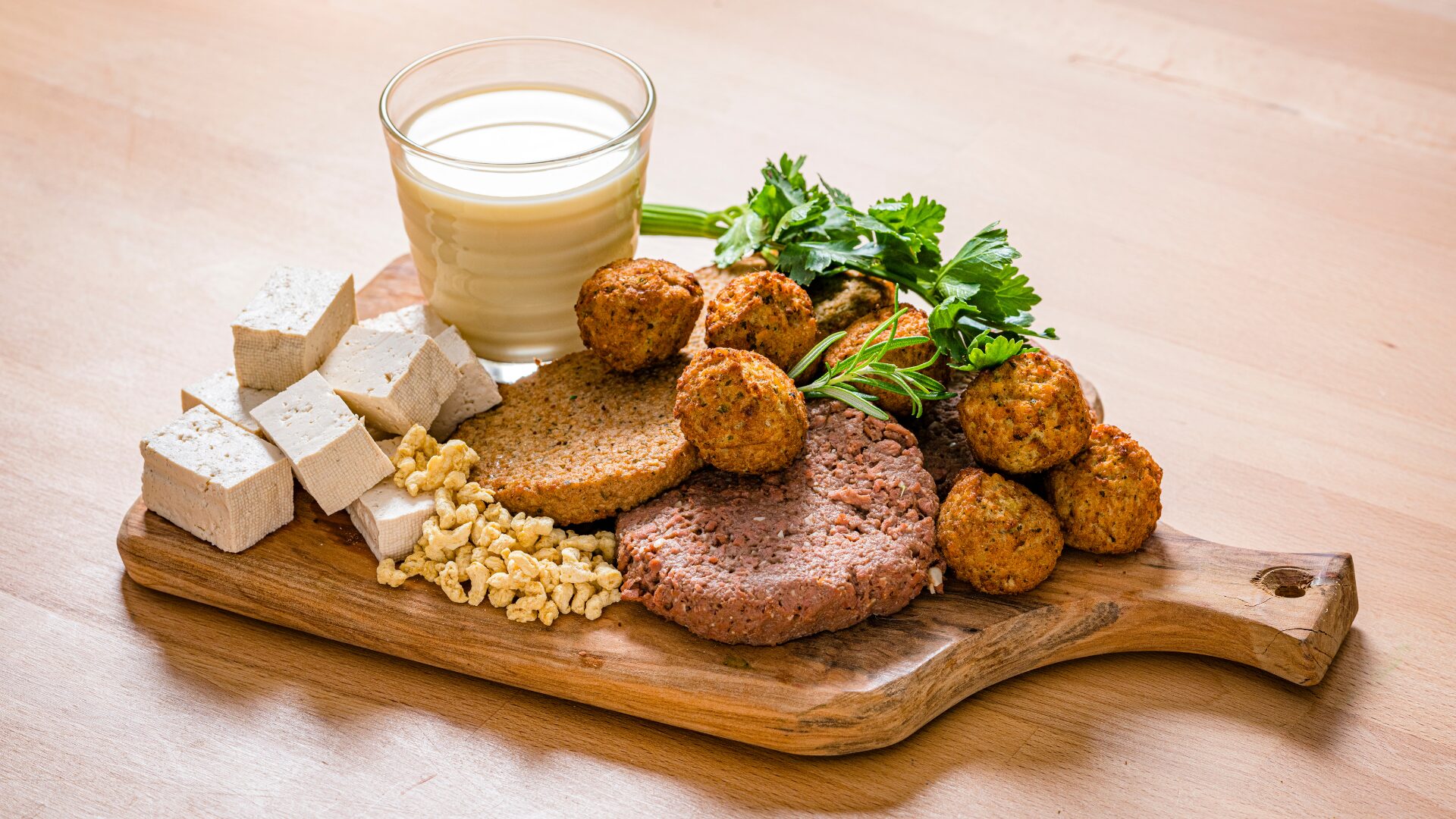
The plant-based food industry is at an inflection point: recent data suggests that interest in the lifestyle decreased somewhat in 2024 from the year before. Innovations in the space, however, have given the sector the tools to cater to consumer pain points.
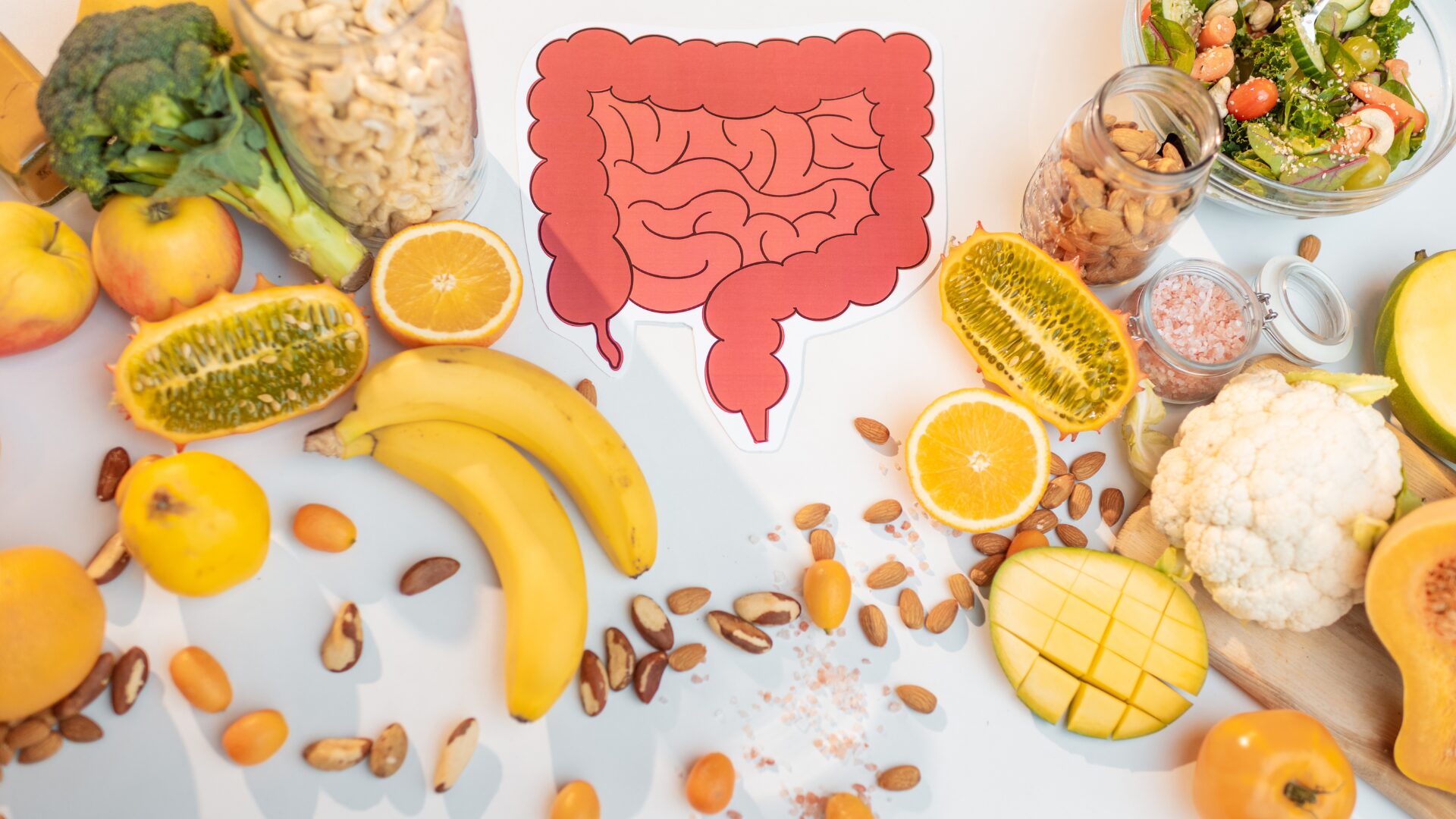
With gut health dominating wellness trends – inspiring billions of TikTok views – brands are racing to meet demand for functional foods packed with probiotics and prebiotics. Brands are capitalizing on consumer interest by launching products that support digestion.

The 2025 Winter Fancy Food Show highlighted the rapid evolution of specialty food. From protein-packed innovations and gut-friendly fermented snacks to cacao alternatives, the show underscored how brands are redefining indulgence and health.
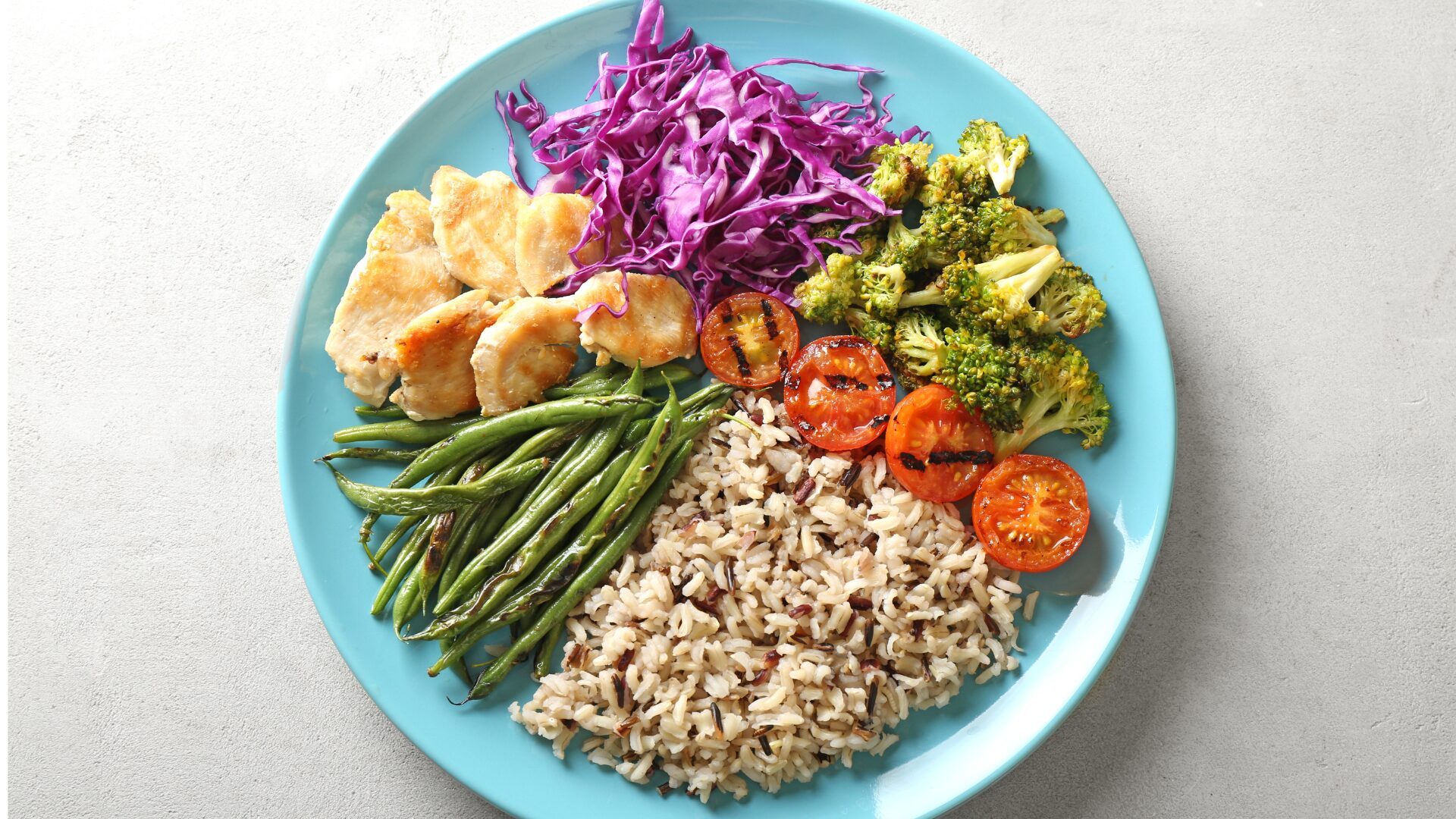
The future of alt-meat could very well be driven not by vegetarians but by adventurous flexitarians – omnivores eager to explore alternatives. Minimally processed plant-based options will be key, said Indy Kauer, leader of the Plant Futures Collective.



Private label continues to maintain dominance over the CPG sector: in 2024, it grew $9 billion from the year before. As a result, opportunities and innovation abound.
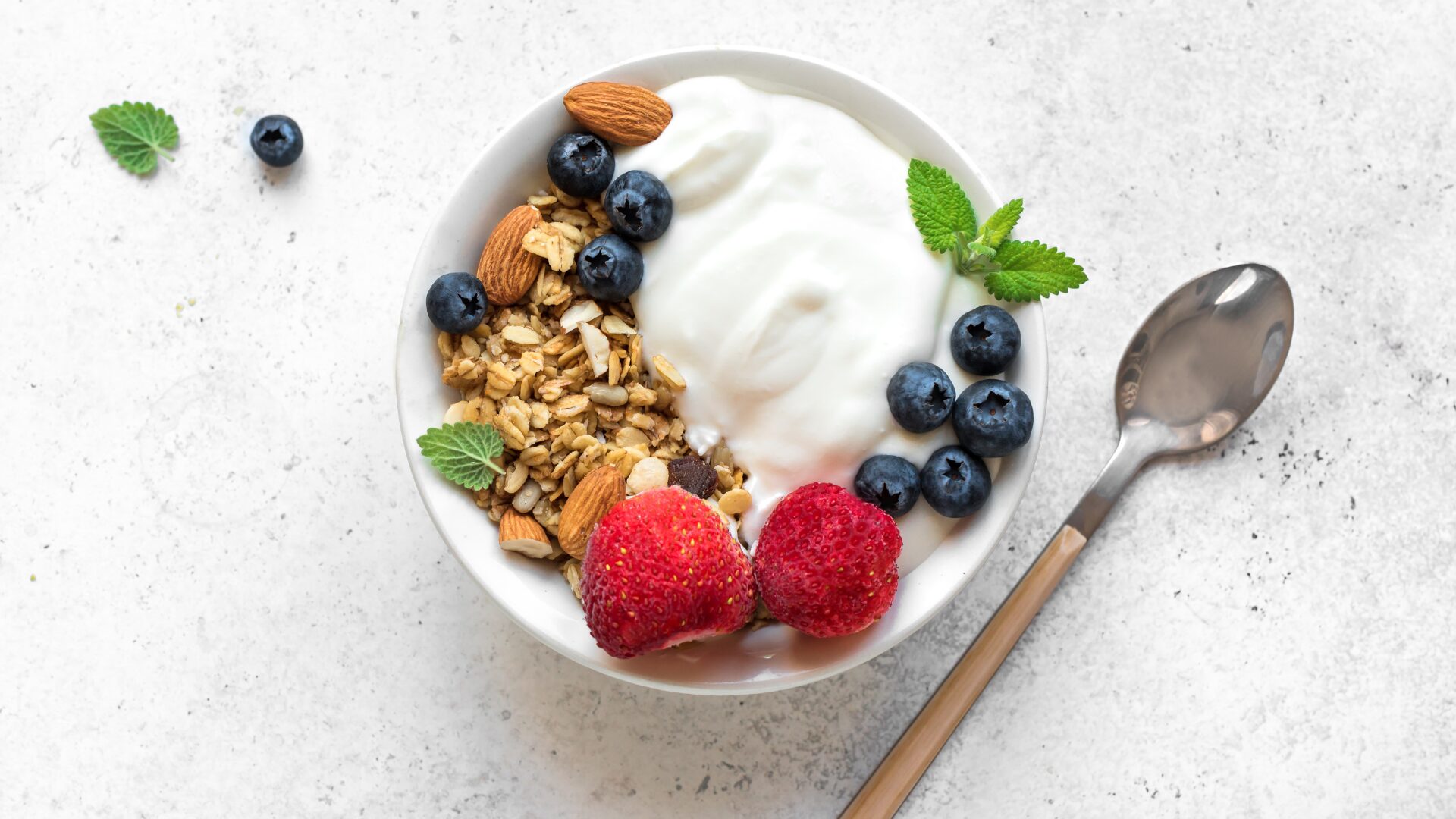
The growing popularity of GLP-1 weight-loss drugs is reshaping the yogurt market, as consumers increasingly seek protein-packed snacks. Multiple brands are innovating with high-protein, low-sugar options.

Alcohol manufacturers, retailers, and foodservice segments have a lot to worry about heading into the new year, with Dry January and Surgeon General advisories advocating for sober-curious lifestyles. Time will tell if these movements make an impact.

Most Americans fall short of recommended fiber intake levels. Nutrition expert and Olympic cyclist Dotsie Bausch notes there are numerous misconceptions around fiber and its benefits for gut health and disease prevention.



A new report from Placer.ai highlights that grocery stores offering in-store healthcare services are seeing increased foot traffic, particularly from higher-income customers. Wellness offerings not only boost store visits but also enhance customer loyalty.
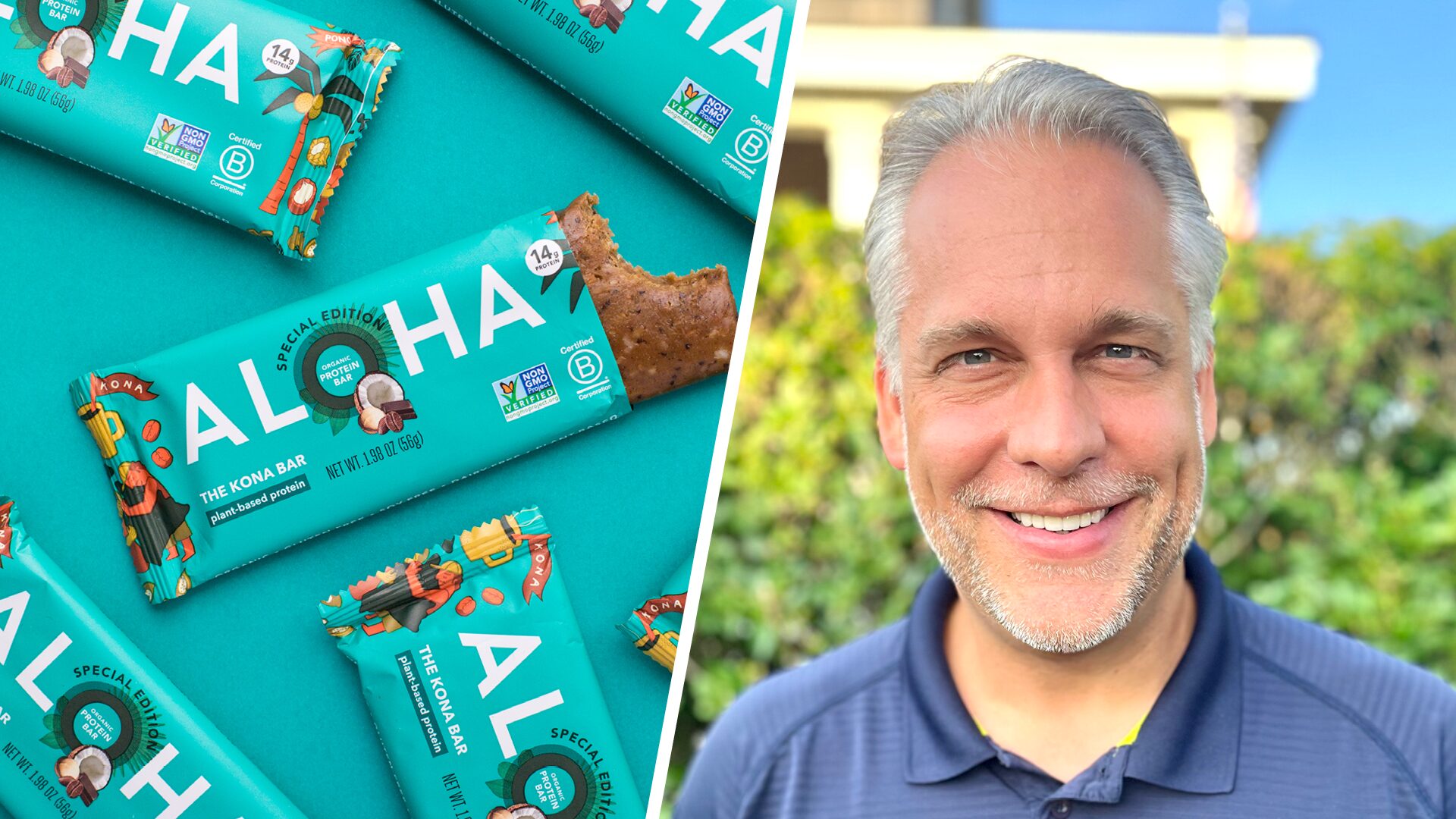
Aloha CEO Brad Charron is bullish on plant-based products. And it’s easy to see why, considering his better-for-you protein bar brand experienced 500% growth from 2020 to 2023.
The idea of health and wellness is evolving, as shown by a report that noted ways people are tapping into products to harmonize their lives.

“The global wellness economy is booming across all sectors as people prioritize healthier choices,” noted David Knies, wellness and innovation expert at PA Consulting.

Are the days of artificial red coloring numbered? Perhaps, judging by recent regulations and subsequent moves by major food manufacturers.